
 Save 15% on your 1st Autoship learn more

 Email us
 Live Chat
 FAQs
FAQs





Introduction
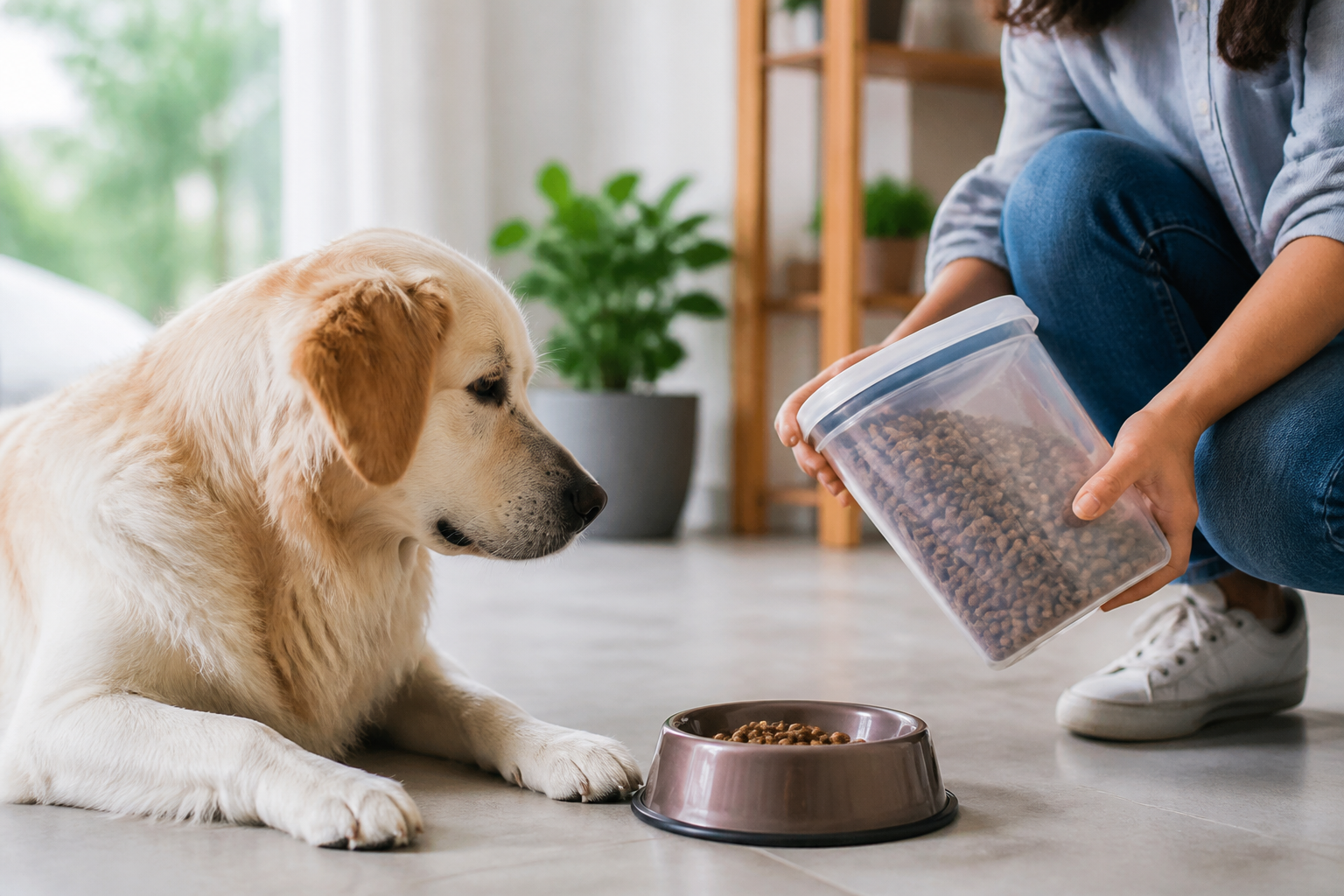
You walk into the pantry and notice a half-full bag of kibble that you forgot was there. It was pushed behind a newer, larger bag months ago. You might wonder if it is still safe to serve. While dry dog food is designed for a long shelf life, it is not immortal. At BaxterBoo, we talk to pet owners every day who are surprised to learn that kibble can go rancid or grow mold.
This article covers the science behind food spoilage, how to spot the signs of bad kibble, and the best ways to store your dog's meals to ensure they stay nutritious. We want to help you avoid the common mistakes that lead to wasted food and upset stomachs. Understanding these basics ensures your dog gets the high-quality nutrition they deserve in every bowl, and our dry dog food category is a good place to start when you are comparing options.
Why Dry Dog Food Goes Bad
Many people assume that because kibble is dry, it cannot spoil like a piece of fresh meat. However, dry food contains fats, proteins, and vitamins that are sensitive to the environment. The primary cause of spoilage in dry dog food is a process called oxidation.
The Role of Oxidation
Oxidation happens when the fats in the food are exposed to oxygen. Even the most premium brands use natural fats to make the food palatable and nutritious. When oxygen hits these fats, they begin to break down chemically. This process is known as rancidity.
Rancid fats do more than just make the food taste bad. They can actually be harmful if consumed over a long period. Oxidation also destroys the essential fatty acids that keep your dog's coat shiny and their skin healthy. If you have noticed the food has a sharp or metallic smell, oxidation is likely the culprit, especially with brands like our selection of NutriSource products or our selection of Stella & Chewy's products.
Humidity and Mold Growth
While "dry" is in the name, all kibble contains a small amount of moisture. If that moisture level rises due to humidity, mold can begin to grow. This is especially common in warmer climates or if the food is stored in a damp basement. Mold is not always visible to the eye. Microscopic spores can spread through a bag long before you see any green fuzzy patches.
Quick Answer: Yes, dry dog food does spoil. Most opened bags stay fresh for about four to six weeks if stored properly. After this window, the nutritional value drops and the risk of rancid fats or mold increases.
How to Tell if Kibble is Spoiled
You cannot always rely on the "Best By" date on the bag once it has been opened. That date is intended for unopened, factory-sealed packages. Once the seal is broken, the clock starts ticking much faster. You must use your senses to determine if the food is still safe.
The Sniff Test
Your nose is your best tool for detecting spoiled food. Fresh kibble usually has a mild, grainy, or meaty aroma. Spoiled food will often smell "off" in a specific way. Look for scents that remind you of:
- Old paint or varnish
- Sour or fermented odors
- Dusty or excessively musty smells
- A sharp, chemical-like sting
If the bag smells like a box of old crayons, the fats have likely gone rancid. Do not try to "power through" the bag. It is time to dispose of it. For a deeper breakdown of spoilage signs, see our blog post on dry dog food freshness.
Texture and Visual Changes
Sometimes the physical appearance of the kibble changes when it spoils. If the food feels "sweaty" or oily to the touch, the fats may be leaching out due to heat. This is a sign of degradation. Conversely, if the kibble feels soft or spongy rather than crunchy, it has absorbed too much moisture.
Check the bottom of the bag for any signs of movement. Insects like grain weevils or pantry moths love dog food. If you see tiny bugs or fine webbing inside the bag, the entire contents are contaminated. If you want another look at warning signs, our blog post on whether dry dog food goes bad is a useful companion read.
Key Takeaway: Trust your dog’s instincts. If your normally hungry pup suddenly refuses to eat their favorite kibble, it might be because they can smell spoilage that you haven't noticed yet.
The Hidden Dangers of Heat
Temperature is the biggest enemy of food quality. Many owners store their dog food in the garage or a mudroom. During the summer, these areas can become heat traps. High temperatures act as a catalyst, speeding up the chemical reactions that cause fats to turn rancid.
A bag stored at 90 degrees Fahrenheit will spoil much faster than one kept at a steady 65 degrees. Heat also degrades the vitamins and minerals added to the food. This means your dog might be eating their full portion but still suffering from nutritional deficiencies.
Vet Tip: If your dog experiences sudden vomiting or diarrhea after eating from a new or old bag of food, consult your veterinarian immediately. Our pharmacy can help you find prescription diets and medications if your pet has a severe reaction to spoiled food.
Proper Storage Techniques
How you store the food is just as important as the food you buy. Many people make the mistake of pouring the kibble out of the bag and into a plastic bin. While this looks organized, it can actually lead to faster spoilage.
Keep the Original Bag
The bags used by premium brands like Royal Canin or our selection of NutriSource products are designed with specific barriers. These layers are engineered to keep out light, moisture, and oxygen. When you pour the food into a plastic bin, you expose all the kibble to a massive amount of air at once.
Furthermore, plastic bins can develop "fat-traps." Over time, the fats from the kibble seep into the pores of the plastic. These fats turn rancid and can contaminate every new bag of food you pour into the container.
Using Airtight Containers Correctly
If you want to use a storage bin, the best method is to place the entire bag inside the bin. This gives you two layers of protection. It also keeps your bin clean and prevents fat buildup. If you must pour the food out, ensure you wash the container with hot, soapy water and dry it completely between every single bag. For more storage guidance, our blog post on keeping dog food dry outside covers container basics that also apply indoors.
Step-by-Step: Cleaning Your Storage Bin
Step 1: Empty the container. / Remove all crumbs and dust from the bottom of the bin.
Step 2: Wash with hot water. / Use a mild dish soap to break down the oily residue on the walls.
Step 3: Rinse and dry. / Ensure there is zero moisture left before adding new food.
Step 4: Check the seal. / Inspect the rubber gasket on the lid to ensure it still creates an airtight lock.
Health Risks of Spoiled Food
Feeding spoiled kibble is a serious health hazard. The risks range from mild stomach upset to severe toxicosis.
Mycotoxins and Mold
Certain types of mold produce mycotoxins. These are toxic substances that can cause long-term health issues or even acute poisoning. Symptoms of mycotoxin poisoning include tremors, vomiting, and loss of coordination. Because you cannot always see the mold, proper storage is the only way to prevent this risk. If you are looking for more general pet wellness support, our dog healthcare category is a helpful next stop.
Bacterial Contamination
Spoiled food can also become a breeding ground for bacteria like Salmonella or E. coli. This is especially true if the food has been exposed to moisture. These bacteria are dangerous for your dog and can also pose a risk to the humans in your household who handle the food.
Nutritional Deficiency
Even if the food does not make your dog immediately sick, spoiled food is not nutritious. As vitamins degrade, your dog misses out on essential building blocks for their immune system and organ function. Over several months, this can lead to a dull coat, lethargy, and a weakened immune response.
Bottom line: Storing food in a cool, dry place inside your home is the most effective way to prevent health risks associated with spoilage.
Buying Habits for Better Freshness
It is tempting to buy the largest bag available to save money. However, if you only have one small dog, that 40 pound bag might sit open for three months. By the time you reach the bottom, the food will likely be stale and less nutritious.
Choose the Right Size
At BaxterBoo, we recommend buying a bag size that your dog can finish within four to six weeks. This ensures that the food is always at its peak freshness. For owners of smaller breeds, this might mean buying 5 pound or 10 pound bags more frequently.
Use Our Subscription Services
If you find it difficult to keep track of when you need more food, our Autoship programme can help. You can schedule regular deliveries of smaller, fresher bags. This prevents you from having to store large amounts of food for long periods. Plus, it ensures you never run out and have to rush to buy a bag that might have been sitting on a hot shelf for too long.
Managing Multiple Pets and Food Types
If you have both a dog and a cat, or dogs on different diets, storage becomes even more complex. Never mix different types of food in the same container. Different formulas have different fat contents and moisture levels. Mixing them can lead to uneven spoilage and makes it impossible to track expiration dates.
Tracking Dates and Recalls
Always keep the "Best By" date and the lot number from the bag. If there is ever a manufacturer recall, you will need this information to know if your bag is affected. We suggest clipping the info from the bag and taping it to your storage bin.
The Role of Humidity in Summer
During humid months, consider using a desiccant pack designed for food storage. These small packets can be taped to the inside of your storage bin lid. They help absorb any stray moisture that enters the container when you open it to feed your pet. This is a simple, low-cost way to add an extra layer of protection against mold.
Environmental Factors and Pests
Spoiled food does more than just hurt your dog. It attracts unwanted visitors. Rodents and insects have an incredible sense of smell. They can detect the scent of breaking down fats and grains from a long distance.
Preventing Infestations
If you store food in a way that allows the scent to escape, you are essentially inviting pests into your home. This is another reason why airtight seals are vital. If you notice even one or two small moths near your pet's food, inspect the entire bag immediately. Insects can chew through paper bags easily, so a secondary bin is always a smart choice. For more on routines that support freshness, our blog post on how long dry dog food lasts is worth reading.
Safe Disposal
If you do find a spoiled bag of food, dispose of it carefully. Do not just dump it in an open trash can where local wildlife or stray neighborhood pets can get to it. Seal it in a heavy duty trash bag and place it in a secured outdoor bin.
Key Takeaway: Keeping your storage area clean and organized reduces the risk of pest infestations and helps you notice any issues with your food supply before they become major problems.
Conclusion
Dry dog food is a convenient and nutritious option for most pets, but it requires proper care to stay safe. By keeping the food in its original bag, using airtight containers, and storing it in a cool, indoor environment, you can maximize its shelf life. Remember to trust your nose and your dog's appetite. If something feels off, it is always better to be safe and replace the food.
We are committed to helping you provide the best care for your pets. Whether you are looking for high-quality kibble, want to earn more value through our MVP Rewards programme, or need to manage a health condition through our pharmacy, we are here to support you. Keeping your dog's food fresh is a small daily task that has a huge impact on their long-term health and happiness.
- Buy bag sizes that last 4 to 6 weeks.
- Store food inside your climate-controlled home.
- Keep the original packaging for protection and tracking.
- Watch for changes in smell, texture, or pet behavior.
Bottom line: Fresh food equals a healthier dog, so treat your pet's kibble with the same care you would give your own groceries.
FAQ
Can I feed my dog food that is just one month past the expiration date?
The expiration or "Best By" date is a manufacturer's estimate of peak quality. While the food may not be immediately toxic one day past the date, the nutritional value begins to decline significantly. It is best to avoid feeding expired food, especially if the bag has been open for more than six weeks.
Is it okay to mix the old food with a new bag to save money?
We do not recommend mixing old kibble with new kibble. If the old food has started to oxidize or has developed mold spores, it will quickly contaminate the fresh food. Always finish the old bag completely, wash the container, and then start the new bag.
Why does my dog's food smell like chemicals or old wax?
This is a classic sign of fat oxidation or rancidity. When the fats in the dog food break down due to exposure to heat and oxygen, they produce a sharp, unpleasant odor. If you notice this smell, you should stop feeding the food immediately and dispose of the bag.
Does heat in the garage really affect dry dog food that much?
Yes, heat is one of the fastest ways to spoil dry dog food. Temperatures in a garage can easily exceed 100 degrees in the summer, which causes fats to go rancid and vitamins to disappear. Always store dog food in a cool, dry area of your home, like a pantry or kitchen cabinet.






