
 Save 15% on your 1st Autoship learn more

 Email us
 Live Chat
 FAQs
FAQs





Introduction
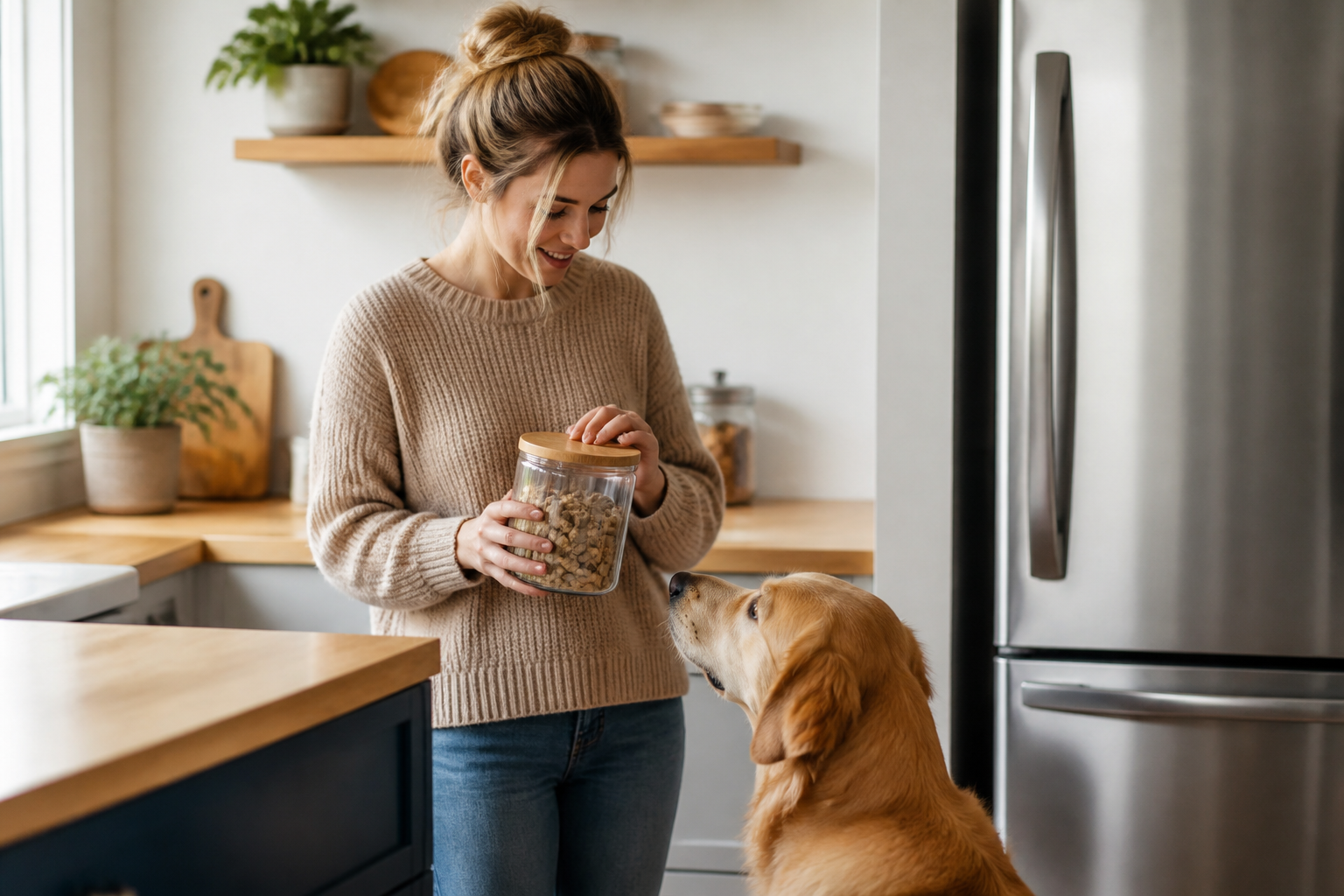
You are likely standing in your kitchen with a new bag of premium dog food, wondering where it belongs. Maybe you are used to keeping raw patties in the freezer or a bag of kibble in the pantry. Now that you have introduced freeze-dried nutrition to your routine, the storage rules seem a bit different. At BaxterBoo, we know that choosing high-quality food is only the first step. Protecting that investment through proper storage is what keeps your dog healthy and your kitchen safe. This post covers whether refrigeration is necessary, how to handle rehydrated meals, and the best ways to keep those nutrients intact. While this food is designed for convenience, a few simple storage mistakes can lead to spoilage or lost vitamins.
What Is Freeze Dried Dog Food
Freeze-drying is a unique preservation method that differs significantly from traditional kibble production. Most standard dry foods are cooked at very high temperatures. This heat can sometimes damage sensitive vitamins and enzymes. In contrast, freeze-drying uses a process called sublimation to remove moisture without high heat.
The food is first frozen to a very low temperature. It then enters a vacuum chamber where the ice turns directly into vapor. This leaves behind a lightweight product that retains its original shape, flavor, and nutritional profile. Because the moisture is almost entirely gone, bacteria and mold cannot easily grow. This makes the food shelf-stable for a long time.
Many of the brands we carry, such as Stella and Chewy's or Open Farm, use this method to provide raw nutrition in a more convenient format. It allows you to give your dog the benefits of a raw diet without the mess of a thawing freezer.
Quick Answer: Unopened freeze-dried dog food does not need to be refrigerated. It is shelf-stable at room temperature. However, once you add water to rehydrate the food, any leftovers must be treated like fresh meat and stored in the refrigerator.
The Core Question: Does it Need Refrigeration
The short answer for dry, unopened bags is no. Freeze-dried dog food is designed to be stored in your pantry. The removal of water is what protects the food from spoiling. Most bacteria need moisture to thrive and multiply. Without that water, the food remains safe at room temperature for months or even years.
However, the environment still matters. Even though the food is shelf-stable, it is not indestructible. High heat and humidity can still damage the quality of the fats and vitamins inside the bag. If you store your dog food in a hot garage or a damp basement, the shelf life will drop quickly.
Key Takeaway: The "freeze" in freeze-dried refers to the processing method, not the storage requirement. Keep dry bags in a cool, dark place for the best results.
Storage Rules for Opened Bags
Once you break the seal on a bag of freeze-dried food, the clock starts ticking. Oxygen and moisture from the air begin to enter the package. While you still do not need to put the dry bag in the fridge, you must take steps to keep it fresh.
Most manufacturers recommend using an opened bag within 30 to 60 days. After this point, the fats in the meat can begin to oxidize. This leads to a stale taste and a loss of nutritional value. If your dog suddenly seems picky about a bag that has been open for two months, it might simply be losing its flavor. For additional storage guidance, read our article on how long dry dog food stays fresh once opened.
Best Practices for Dry Storage
- Keep the food in its original bag if possible. These bags are often designed with oxygen barriers.
- Squeeze as much air out of the bag as you can before sealing the zipper.
- Place the bag inside an airtight plastic or glass container for an extra layer of protection.
- Use a dedicated, dry scoop every time you feed your dog.
The Rehydration Rule
Many pet owners choose to add warm water, goat milk, or bone broth to freeze-dried nuggets. This helps with hydration and makes the meal more palatable. As soon as you add liquid, the rules for refrigeration change instantly.
When you add water, you are essentially "waking up" the raw ingredients. The food is now equivalent to fresh, raw meat. If your dog does not finish their bowl within 30 minutes, you must take action. You can either discard the leftovers or put them in a sealed container in the refrigerator.
Rehydrated leftovers should only stay in the fridge for up to 24 hours. After that, the risk of bacterial growth becomes too high. If you know your dog is a slow eater, try rehydrating smaller portions at a time to avoid waste. Our freeze-dried dog food feeding guide offers additional preparation guidance.
Vet Tip: If your dog has a sensitive stomach or a compromised immune system, always discard rehydrated leftovers rather than saving them. Fresh is always safest for pets with health challenges.
Handling Raw Safety in the Kitchen
It is important to remember that most freeze-dried foods are raw. While the freeze-drying process reduces some risks, it does not always eliminate every pathogen. You should handle the dry nuggets with the same care you would use for raw hamburger meat.
Always wash your hands thoroughly after touching the food or the bag. If you use a scoop, wash it regularly with hot, soapy water. Do not let children play with the food or handle the feeding bowls. This helps prevent the spread of bacteria like Salmonella or Listeria to the humans in your home.
We recommend cleaning your dog's bowl after every single meal. Dried-on bits of rehydrated food can become a breeding ground for germs if left on the floor. A quick scrub or a trip through the dishwasher is the best way to keep the feeding area sanitary. You can also review our guide to feeding freeze-dried dog food for more handling and serving ideas.
Where to Store Your Food
The ideal location for freeze-dried dog food is a cool, dry pantry or kitchen cabinet. You want to avoid any area that experiences major temperature swings. For example, a cabinet right next to the oven or dishwasher might get too warm.
Humidity is a major enemy of freeze-dried products. If you live in a very humid climate, be extra careful about keeping the bag tightly sealed. If the nuggets start to feel soft or spongy, they have absorbed moisture from the air. This can lead to mold growth very quickly.
Checklist for a Perfect Storage Spot
- Temperature stays between 50 and 75 degrees Fahrenheit.
- Area is dark and protected from direct sunlight.
- The spot is elevated off the floor to prevent pests.
- Location is dry and away from pipes or humidifiers.
Signs Your Food Has Gone Bad
Even with perfect storage, you should always inspect the food before filling the bowl. If the food has been exposed to moisture or air, it will show signs of spoilage.
First, use your nose. Fresh freeze-dried food should smell like the ingredients, usually meat or fish. If you notice a sour, rancid, or musty odor, toss the bag out. Rancid fats have a very sharp, unpleasant smell that most dogs will naturally avoid.
Next, look at the texture. The nuggets should be firm and crumble into a powder when crushed. If they feel sticky, damp, or have visible fuzzy spots, mold has set in. Finally, check for insects. Because this food is high in protein and very fragrant, it can attract pantry moths or weevils if the bag is not sealed correctly. For more spoilage guidance, see how long dry dog food lasts.
Bottom line: If the smell, color, or texture of the food changes, do not risk it. When in doubt, throw it out.
Why Quality and Sourcing Matter
Not all freeze-dried foods are handled the same way during production. At BaxterBoo, we carefully select brands that follow strict safety protocols. Many of the companies we carry, like Stella and Chewy's, use High Pressure Processing. This is a cold-water pressure method that helps eliminate harmful bacteria while keeping the food raw.
Choosing a high-quality brand gives you peace of mind regarding the safety of the food in your pantry. Better sourcing often leads to better stability. When ingredients are fresh at the time of freeze-drying, they tend to stay fresh longer in the bag.
We offer a wide variety of these premium options through our website and our warehouse store in Vernon Hills. If you find a brand your dog loves, you can use our Autoship program to save money and ensure you never run out of fresh stock.
Managing Health with Specific Diets
Sometimes, a dog needs more than just high-quality retail food. If your dog is managing a specific health condition like kidney disease, severe allergies, or digestive issues, your veterinarian might recommend a prescription diet.
Our pharmacy at BaxterBoo offers a range of FDA-approved medications and prescription pet foods through our partnership with Pet's Choice. While many freeze-dried foods are great for general wellness, chronic health conditions often require a specialized approach.
If you notice your dog has persistent skin issues or chronic tummy troubles, a vet visit is the essential first step. They can determine if a specific ingredient in your current food is the culprit. Once you have a prescription, our pharmacy can help you get the exact formula your dog needs to thrive.
Transitioning to Freeze Dried Food
If you are moving from kibble to freeze-dried, do not make the switch overnight. Because this food is nutrient-dense and often raw, your dog's digestive system needs time to adjust. A sudden change can lead to an upset stomach or diarrhea. Our freeze-dried dog food collection is a convenient place to compare options.
Step-by-Step Transition
Step 1: Start by mixing a small amount. / Replace about 25 percent of the old food with the new freeze-dried nuggets for the first three days.
Step 2: Increase the ratio slowly. / Move to a 50/50 mix for the next three days, watching for any changes in your dog's stool.
Step 3: Gradually phase out the old food. / If your dog is doing well, move to 75 percent freeze-dried for another three days.
Step 4: Complete the switch. / By day ten, you can usually feed 100 percent of the new diet.
During this time, keep an eye on your dog's energy levels and coat quality. Many owners see an improvement in shine and a reduction in stool volume within the first month. If you have questions about which brand fits your dog's life stage, our team is always here to help.
Comparing Storage: Freeze-Dried vs. Frozen Raw
It is easy to confuse freeze-dried food with frozen raw food, but their storage needs are opposites. Frozen raw food must stay in the freezer until 24 hours before feeding. It has a very short shelf life once thawed and requires a lot of freezer space.
Freeze-dried food offers the same nutritional benefits but fits easily in your cupboard. This makes it a superior choice for travel, camping, or households with limited freezer room. You get the "raw" benefit without the "frozen" logistical headache.
If you like the idea of fresh food but find freeze-drying too expensive for every meal, you can use it as a topper. Adding a few crumbled nuggets to standard kibble is a great way to boost nutrition without significantly increasing your storage needs. For more ideas, read how much freeze-dried dog food to feed your pet.
Benefits for Senior Dogs
As dogs age, their appetite can sometimes decrease. Their sense of smell might fade, making traditional kibble less appealing. Freeze-dried food is incredibly fragrant once rehydrated, which can encourage a senior dog to eat.
Because the freeze-drying process preserves enzymes, many senior dogs find this food easier to digest. It provides high-quality protein to help maintain muscle mass, which is vital for aging joints. For dogs with dental issues, the soft texture of rehydrated nuggets is much easier to chew than hard biscuits.
If your senior dog is also managing arthritis or cognitive decline, remember to check our pharmacy section. We carry a variety of supplements and medications that can be paired with a high-quality diet to improve your dog's golden years.
Bulk Buying and Freshness
Buying the largest bag available is often the best way to save money. However, with freeze-dried food, bigger is not always better. If you have a small dog, a 25-pound bag might last for several months.
As we discussed, the quality of the food starts to drop after the bag has been open for 60 days. If it takes your dog longer than that to finish a bag, you might be better off buying smaller sizes. This ensures every meal is as fresh and nutritious as possible.
To balance value and freshness, consider the MVP Rewards program. You can earn points on every purchase, including smaller bags of food. This allows you to keep your supply fresh while still getting the best possible price on premium brands.
Conclusion
Storing freeze-dried dog food is simple once you understand the basic rules. Keep the dry bags in a cool, dark pantry and ensure they are sealed tightly after every use. Remember that refrigeration is only mandatory once you add water to the food. By following these steps, you protect the high-quality proteins and vitamins that make this diet so beneficial. If your dog has specific health needs or requires a prescription diet, our pharmacy is ready to help with FDA-approved options. Check out our full selection of freeze-dried dog food today and consider signing up for Autoship to keep your pantry stocked with the freshest batches.
FAQ
How long does freeze dried dog food last once the bag is opened?
Most manufacturers recommend consuming the food within 30 to 60 days after opening the seal. During this window, the flavor and nutritional value are at their peak. After two months, the exposure to oxygen can cause the fats in the food to go stale or lose potency.
Can I freeze the dry nuggets to make them last longer?
While you can put dry freeze-dried food in the freezer, it is usually unnecessary and can actually introduce moisture. If you choose to freeze it, ensure it is in a moisture-proof, vacuum-sealed bag. Be careful when taking it out, as condensation can form on the cold food and lead to spoilage.
What should I do if my dog doesn't finish their rehydrated meal?
If there are leftovers in the bowl, you should pick them up within 30 minutes to prevent bacterial growth. You can store the rehydrated food in a sealed container in the refrigerator for up to 24 hours. If it is not eaten by then, it should be thrown away.
Is freeze dried dog food safe to handle without gloves?
Yes, it is safe to handle with your bare hands, but you must practice good hygiene. Since most freeze-dried food is raw meat, you should wash your hands with soap and water immediately after touching the food or the bowl. This prevents the accidental spread of bacteria to other surfaces in your home.






