
 Save 15% on your 1st Autoship learn more

 Email us
 Live Chat
 FAQs
FAQs





Introduction
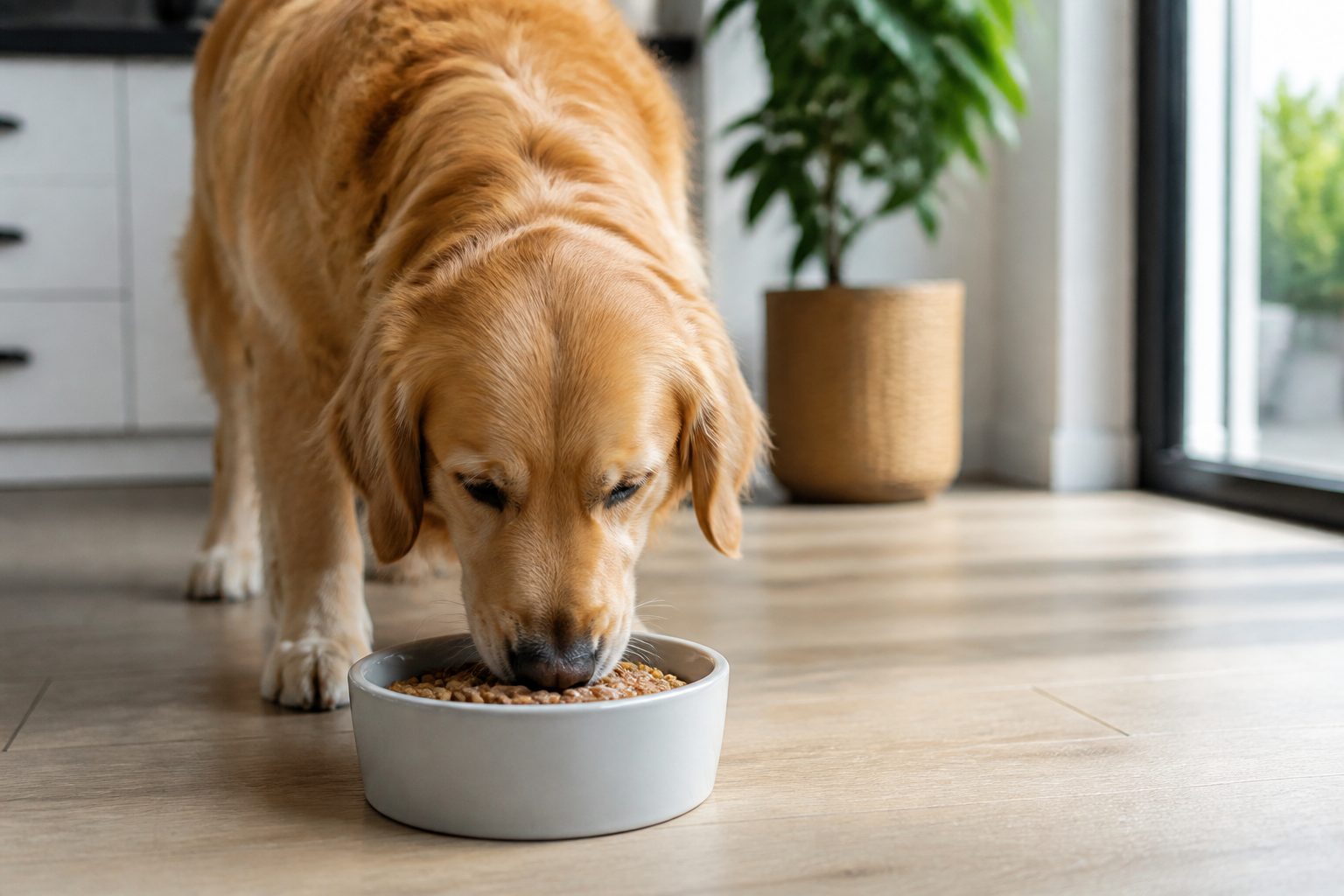
You are standing in the kitchen, staring at a bowl of hard brown nuggets and wondering if your dog is actually getting the most out of their meal. Maybe your senior dog is taking longer to chew, or perhaps your puppy is bolting their food down whole. At BaxterBoo, we talk to pet owners every day who want to make mealtime easier on their pet's body. Adding water to kibble is a simple, cost-effective way to transform a standard meal into something more hydrating and digestible. In this article, we will look at how moisture impacts the digestive process and why this small step might be the right choice for your dog. Soaking dry dog food can significantly improve nutrient absorption while making meals more enticing for picky eaters.
Quick Answer: Soaking dry dog food helps digestion by softening the kibble and allowing it to expand before it reaches the stomach. This reduces the strain on the digestive system and ensures your dog stays better hydrated throughout the day.
The Science of Soaking and Digestion
Dry kibble is highly processed and extremely dense. Most dry dog foods contain only about 10 percent moisture. When a dog eats dry kibble, their body must provide the liquid necessary to break those hard pieces down. This moisture comes from their saliva and stomach acid. If a dog eats too quickly or does not drink enough water, the digestive system has to work overtime to turn that dry matter into a digestible pulp.
By adding water to the bowl before your dog eats, you are essentially starting the digestive process early. The water penetrates the starch and protein structures of the kibble, making them softer and more pliable. This means the stomach enzymes do not have to struggle as hard to penetrate the core of each nugget. For dogs with sensitive stomachs, this pre-softened meal can lead to less gas, reduced bloating, and more consistent bowel movements.
The volume of the food also changes when you add water. If you have ever left kibble in a bowl of water for twenty minutes, you know it can nearly double in size. If this expansion happens in the bowl, it does not have to happen inside your dog's stomach. This is particularly important for dogs that tend to "bloat" or experience discomfort after a large meal. Allowing the food to reach its full size before ingestion helps the stomach process the volume more naturally.
Vet Tip: If your dog frequently experiences vomiting, heavy gas, or loose stools after eating dry food, consult your veterinarian to rule out underlying food sensitivities. They may suggest a prescription digestive diet, which you can explore through our dog pharmacy.
Why Moisture Matters for Nutrient Absorption
Nutrient bioavailability refers to how much of the vitamins, minerals, and proteins in food are actually absorbed by the body. When food is extremely dry and hard, some of it may pass through the digestive tract without being fully broken down. This is especially true for dogs that do not chew their food thoroughly. You might even notice whole or half-moistened kibble pieces in your dog's stool, which is a clear sign that they are not getting the full nutritional value of their diet.
Soaking the food helps release the fats and fat-soluble vitamins trapped within the kibble. Warm water can help break down the outer coating of the food, making the nutrients inside more accessible to the small intestine. This is where the majority of nutrient absorption happens. When the food arrives in the intestine already softened and hydrated, the body can more efficiently pull out the amino acids and minerals your dog needs for healthy skin, a shiny coat, and strong muscles.
Key Takeaway: Hydrated food is more bioavailable food. Adding water ensures that your dog's body can access the high-quality ingredients found in premium brands like Farmina or Royal Canin. You can compare options in our dog food category.
Addressing Common Health Concerns
Reducing the Risk of Bloat
Gastric Dilatation-Volvulus (GDV), commonly known as bloat, is a life-threatening condition where the stomach fills with gas and twists. While the exact causes of bloat are still studied, many experts believe that the rapid expansion of dry kibble in the stomach can be a contributing factor. Large and deep-chested breeds are particularly at risk. By soaking the food, you ensure the kibble has already expanded to its maximum volume before your dog swallows it. This can prevent the sudden, uncomfortable distension of the stomach that occurs when dry food meets stomach fluids.
Supporting Kidney and Urinary Health
Many dogs are "closet dehydrators." They may drink from their water bowl, but not enough to offset the dryness of a kibble-only diet. Consistent low-level dehydration can put a strain on the kidneys and lead to the formation of urinary crystals or stones. Adding a cup of water to every meal is one of the easiest ways to increase their daily fluid intake. This extra hydration helps flush the kidneys and maintain a healthy urinary tract environment.
Managing Weight and Satiety
If your dog is always acting hungry, soaking their food might be the solution. Because water increases the volume of the kibble, it creates a larger physical mass in the stomach. This triggers the stretch receptors in the stomach wall that tell the brain the dog is full. This sense of satiety is crucial for dogs on a weight-management plan. They feel like they are eating a larger, more satisfying meal even though the calorie count remains exactly the same.
How to Properly Soak Dry Dog Food
The goal of soaking is to reach a soft consistency without turning the meal into an unappealing mush. Every brand of kibble reacts differently to water based on its density and ingredients.
Step 1: Measure the correct portion. / Use your standard measuring cup to ensure you are not overfeeding. Consistency is key for maintaining a healthy weight.
Step 2: Add warm water. / Use a 1:1 ratio of water to food. The water should be warm to the touch but never boiling. Boiling water can actually destroy some of the heat-sensitive vitamins and probiotics added to the food after the cooking process.
Step 3: Allow the food to sit. / Let the bowl sit for 10 to 20 minutes. You can cover it with a small plate to keep the heat in and keep flies away.
Step 4: Stir and serve. / Give the food a quick stir to distribute the moisture. Any leftover liquid in the bowl acts as a savory gravy that most dogs find irresistible.
Best Practices for Success
- Use filtered water if your local tap water has a strong chemical smell.
- Do not leave soaked food out for more than an hour to avoid bacterial growth.
- Wash the bowl thoroughly after every meal, as wet food residue can harbor more bacteria than dry crumbs.
- If your dog is hesitant about the texture, start with just a few tablespoons of water and gradually increase the amount over a week.
For additional guidance on moistening kibble, read our guide to wetting dry dog food.
Special Considerations for Life Stages
Puppies and the Weaning Process
When puppies transition from their mother's milk to solid food, their digestive systems and teeth are not ready for hard kibble. Soaking kibble is an essential step in this transition. You can even blend the soaked kibble into a "gruel" for very young puppies. This makes the food easy to lap up and ensures they stay hydrated during a period when they are very susceptible to digestive upset.
For more puppy-specific feeding guidance, see when puppies can begin eating dry dog food.
Senior Dogs and Dental Issues
As dogs age, they often develop dental problems such as gum disease, cracked teeth, or missing teeth. Crunching down on hard kibble can be painful, leading some seniors to stop eating or swallow their food whole. Soaking the food makes it accessible for them again. Additionally, senior dogs often have a declining sense of smell. Warm water releases the aromas of the fats in the food, making the meal much more enticing for an older dog with a fading appetite.
Key Takeaway: Soaking food is a practical way to support senior dogs with dental pain or puppies with developing digestive tracts. It ensures they get necessary nutrition without physical discomfort.
For more oral-care ideas, explore these pet dental care tips.
Choosing the Right Liquid
While plain warm water is the most common and cost-effective choice, you can use other liquids to add even more nutritional value to the bowl.
- Bone Broth: Ensure you use a pet-safe bone broth that is free from onions, garlic, and excessive salt. Bone broth adds collagen and amino acids that support joint health.
- Goat's Milk: Raw or fermented goat's milk is often called a "universal milk" because it is highly digestible for dogs. It is packed with probiotics that support gut health.
- Unsalted Chicken Stock: If you make this at home, it can be a great way to entice a picky eater. Just be sure there are no hidden seasonings that could be toxic to dogs.
We carry several meal toppers and broths at BaxterBoo that are specifically designed for this purpose. These products are formulated to be safe and nutritionally balanced, so you do not have to worry about the hidden sodium found in human grocery store brands.
Potential Drawbacks and Safety
While there are many benefits, soaking dry dog food is not right for every household. The most significant risk is spoilage. Dry kibble is shelf-stable because it lacks moisture. Once you add water, you create a perfect environment for bacteria to grow. If your dog is a "grazer" who likes to take one bite every hour, soaked food is not a good option for them. You must be prepared to pick up the bowl and discard any leftovers after about 45 to 60 minutes.
There is also a long-standing debate about dental health. Some people believe that dry kibble helps clean a dog's teeth through mechanical abrasion. While some specialized dental diets are designed to do this, standard kibble often shatters upon the first bite, providing very little cleaning benefit. If you switch to soaked food, you may need to be more diligent about brushing your dog's teeth or providing dental chews to compensate for the loss of that minor "crunch" factor.
Vet Tip: For dogs with advanced dental disease or chronic kidney issues, dietary changes should always be discussed with a professional. Our pharmacy offers prescription diets tailored to these specific health needs.
For another perspective on moistening kibble, read whether adding water to dry dog food is a good idea.
Finding the Right Diet for Your Dog
If your dog is struggling with digestion even after you start soaking their food, the issue might be the ingredients in the food itself. We carry over 500 trusted brands, including options for sensitive stomachs, grain-free needs, and limited-ingredient diets. Brands like The Honest Kitchen even specialize in dehydrated foods that are designed to be rehydrated before serving, taking the guesswork out of the soaking process.
You can browse our selection of The Honest Kitchen and Farmina foods when comparing diets and formulas.
When you find a food that works, our Autoship programme is a great way to ensure you never run out. You can save on your first order and earn rewards through our MVP program with every bag you buy. This is especially helpful for large breed owners who go through a lot of food and want the convenience of home delivery.
Conclusion
Soaking dry dog food is a simple yet effective way to support your dog's digestive health and overall wellness. It bridges the gap between the convenience of dry kibble and the hydration benefits of a wet diet. By taking just ten minutes to prep the bowl, you can help prevent bloat, improve nutrient absorption, and make mealtime the highlight of your dog's day.
- Boosts Hydration: Essential for kidney and urinary tract health.
- Aids Digestion: Softens food for easier enzyme breakdown and nutrient absorption.
- Reduces Risk: Helps manage bloat by allowing kibble to expand before ingestion.
- Life Stage Support: Ideal for weaning puppies and seniors with dental pain.
Bottom line: Adding warm water to kibble is a low-effort, high-reward habit that supports your dog's long-term health.
If you are looking for specific dietary support or have questions about prescription diets, visit our dog pharmacy to see how we can help manage your dog's unique health requirements.
FAQ
How long should I soak my dog's food?
For most standard kibble, 10 to 20 minutes is the ideal timeframe. This allows the water to reach the center of the nugget without the food becoming a completely unappealing paste. If you use warm water, the process will happen faster than if you use cold water.
Can I use boiling water to soak kibble?
You should avoid using boiling water because it can damage the nutritional integrity of the food. Many high-quality dog foods have vitamins, minerals, and probiotics added to the surface after the cooking process. Extreme heat can neutralize these beneficial additives, so aim for water that is warm but comfortable to the touch.
Will soaking kibble help with bloat?
Soaking kibble allows the food to expand to its full volume outside of the dog's body. This may reduce the risk of the stomach becoming overly distended by food that expands rapidly after it has been swallowed. While it is not a guaranteed prevention for GDV, it is a common recommendation for breeds prone to the condition.
Does soaking food cause tooth decay?
Soaking food does not directly cause tooth decay, but it does remove the slight abrasive benefit of dry kibble. However, most standard kibbles do very little to clean teeth anyway. To maintain oral health, it is much more effective to brush your dog's teeth regularly or use approved dental treats rather than relying on the texture of dry food.






