
 Save 15% on your 1st Autoship learn more

 Email us
 Live Chat
 FAQs
FAQs





Introduction
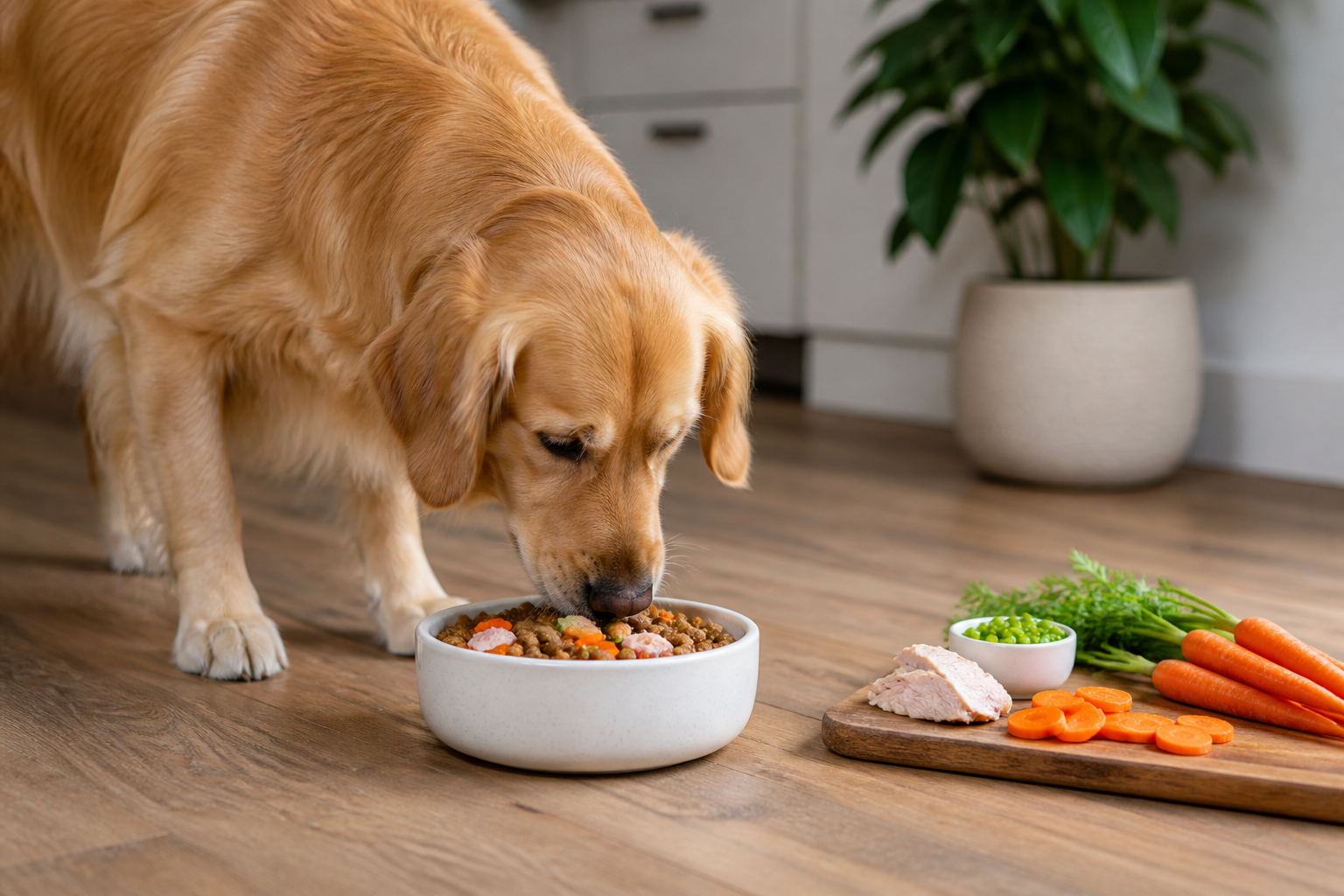
You set the bowl down and hear the familiar clatter of kibble hitting the ceramic. Your dog trots over with excitement but stops short. A quick sniff, a look of disappointment, and they walk away without taking a single bite. It is a frustrating moment for any pet parent. You know the food is nutritious, but your dog seems completely bored by it. At BaxterBoo, we talk to pet owners every day who are dealing with this exact struggle. This post covers practical ways to enhance the smell, texture, and flavor of your dog's meals. We will look at healthy additions, proper storage, and behavioral tips to get your pup excited about mealtime again. Making dry food more appealing is often about small, simple changes that make a big difference in the bowl.
Quick Answer: You can make dry dog food more appealing by adding warm water or low-sodium bone broth to release aromas. Mixing in high-value toppers like freeze-dried raw bits, plain yogurt, or salmon oil also increases palatability for picky eaters.
Check for Freshness and Proper Storage
Before you start adding fancy toppers, you need to ensure the base of the meal is actually edible. Dry dog food contains fats and oils that can go rancid over time. Once a bag of kibble is opened, it begins to oxidize. Most high-quality dry foods only stay truly fresh for about two to three weeks after the seal is broken. If your dog suddenly refuses a brand they usually love, the food itself might have spoiled.
The way you store the food matters just as much as how quickly you use it. Many owners pour the kibble directly into a plastic bin. This is actually not the best method. Plastic can leach smells into the food, and oils can settle in the bottom of the bin and turn rancid. It is better to keep the food in its original bag and then place that bag inside an airtight container. This provides a double barrier against oxygen and moisture.
Storage Tips for Maximum Flavor
- Check the "Best By" date before purchasing.
- Keep the bag in a cool, dry place.
- Avoid storing food in the garage where temperature swings are extreme.
- Wash your storage container every time you finish a bag.
Key Takeaway: Stale food loses its aroma and flavor quickly. Keeping kibble in its original bag inside an airtight container is the best way to maintain its appeal.
For more guidance, read our article on how long dry dog food stays fresh once opened.
Enhance the Aroma with Hydration
Dogs have a sense of smell that is tens of thousands of times more sensitive than ours. While dry kibble does have a scent, it is relatively muted compared to wet food. Adding moisture is the easiest and most cost-effective way to "wake up" the smell of the food. Warmth further amplifies these aromas, making the meal much more enticing to a dog's nose.
Warm water is the simplest addition. Use about a quarter cup of warm water for every cup of kibble. You do not want the food to swim in a soup. Instead, you want enough moisture to create a light coating. Let it sit for a few minutes so the kibble softens slightly. This creates a different texture that many dogs find more pleasant than hard, dry pebbles.
Using Pet-Safe Broths
If water does not do the trick, try a low-sodium bone broth. Avoid human-grade broths from the grocery store. These often contain onions, garlic, and excessive salt, all of which are dangerous for dogs. Use a broth specifically formulated for pets. These are packed with collagen and amino acids that support joint health and digestion while providing a massive flavor boost.
Vet Tip: If your dog is a senior or has dental issues, hydrating their kibble is essential. Softened food is much easier on sensitive gums and teeth, which may be the hidden reason they are avoiding dry food.
You can also read our guide to making dry dog food soft for additional preparation ideas.
Incorporate High-Value Meal Toppers
If hydration is not enough, you may need to add something with a higher "yum factor." Meal toppers are a great way to add variety without switching the entire diet. This is especially helpful for dogs with sensitive stomachs who cannot handle frequent brand changes.
Freeze-dried raw toppers are a favorite at our warehouse. Brands like Stella & Chewy's offer "meal mixers" that you can crumble over the top of the bowl. These are minimally processed and retain the intense flavor of real meat. Because they are freeze-dried, they have a light, crunchy texture that mixes well with standard kibble.
Healthy Add-In Ideas
- Salmon Oil: A pump of salmon oil from brands like Zesty Paws adds a rich scent and provides omega fatty acids for a shiny coat.
- Canned Food: Mix in a tablespoon of high-quality wet food. Use a fork to mash it into the kibble so the dog cannot just pick out the wet bits.
- Dehydrated Meat: Small pieces of air-dried or dehydrated beef or liver can be used as a garnish.
Bottom line: Toppers add the protein-rich scent dogs crave while keeping the convenience of a kibble base.
For more ideas, explore what you can add to dry dog food.
Use Probiotics and Dairy Boosts
Some dogs are driven by creamy textures. Plain, unsweetened yogurt or kefir can be an excellent addition to a dry meal. These products provide probiotics that support a healthy gut microbiome. A dollop of Greek yogurt on top of the kibble adds moisture and a tangy flavor that many dogs enjoy.
Goat's milk is another powerhouse addition. It is often easier for dogs to digest than cow's milk. Many pet-specific brands sell frozen or powdered goat's milk that you can rehydrate and pour over the bowl. It turns the kibble into a creamy treat that is hard for even picky dogs to resist.
Transitioning with Toppers
Step 1: Start with a very small amount of the new topper. Step 2: Watch for any signs of digestive upset like loose stools. Step 3: Gradually increase the amount over a week if your dog tolerates it well. Step 4: Rotate toppers every few days to prevent "boredom" from setting in again.
Note: Always choose plain versions of dairy. Avoid any products containing xylitol, which is a sweetener that is highly toxic to dogs.
Add Fresh Fruits and Vegetables
You might be surprised to find that many dogs love the crunch of fresh produce. Adding a few pieces of steamed broccoli, green beans, or carrots can make a boring bowl of dry food much more interesting. These additions provide extra fiber and antioxidants with very few calories.
When adding vegetables, do not just toss a whole carrot in the bowl. Most dogs lack the digestive enzymes to break down cellulose efficiently. Finely grating or lightly steaming the vegetables makes those nutrients accessible. This also makes it harder for your dog to pick out the "good stuff" and leave the kibble behind.
Safe Produce for Dogs
- Green Beans: High in fiber and very low in calories.
- Carrots: Great for crunch, but should be chopped small or steamed.
- Blueberries: A tiny burst of sweetness and antioxidants.
- Sweet Potato: Must be cooked and unseasoned.
Key Takeaway: Fresh produce adds texture and nutrition. Keep these additions to less than 10 percent of the total meal to ensure the diet remains balanced.
Evaluate Your Feeding Routine
Sometimes the problem is not the food itself. It is the way the food is being offered. If you leave a bowl of dry food out all day, it is called "free-feeding." This can actually make food less appealing. When food is always available, it loses its value. The dog knows they can eat whenever they want, so they have no motivation to finish the meal.
Establishing a strict feeding schedule can help. Put the bowl down for 15 to 20 minutes. If the dog does not eat, pick the bowl up and do not offer food again until the next scheduled mealtime. Most healthy dogs will not starve themselves. Once they realize that food is only available at certain times, their "food drive" often increases.
Stop the Treat Overload
Another common issue is "holding out." If your dog knows that refusing kibble will eventually result in a piece of cheese or a chicken breast, they will wait for the better option. Every time you "give in" and provide a high-value treat because they did not eat their dinner, you are training them to be picky.
- Limit treats to training sessions only.
- Stop feeding table scraps entirely.
- Ensure everyone in the household is following the same rules.
Vet Tip: If your dog is refusing their regular food but still happily eats high-value treats, the issue is likely behavioral rather than medical.
Consider the Quality of the Kibble
Not all dry foods are created equal. Some budget brands use a high percentage of grain fillers and artificial flavorings. These might smell okay when the bag is first opened, but they do not have the depth of flavor that a meat-first diet provides. If your dog is consistently uninterested in their food, it might be time to upgrade to a premium brand.
We carry brands like Acana, Orijen, and Farmina because they prioritize whole animal ingredients. These foods are naturally more aromatic because they contain higher levels of fresh meat and organs. While the initial cost may be higher, these nutrient-dense foods often require smaller serving sizes, which can save you money over time.
What to Look for on the Label
- A specific animal protein as the first ingredient (e.g., "Deboned Chicken").
- No artificial colors or "animal by-product meal."
- Low glycemic index carbohydrates like lentils or chickpeas instead of corn or soy.
- Inclusion of organ meats for natural vitamins and minerals.
Bottom line: A higher-quality kibble is often naturally more appealing to a dog's biological cravings for meat.
Browse our dog food category to compare recipes and textures.
When to Contact the Pharmacy
In some cases, a dog stops eating dry food because of an underlying medical condition. Chronic allergies can make a dog feel nauseous or cause their skin to itch so badly they lose interest in eating. Kidney or liver issues can also affect appetite. If your veterinarian determines that your dog needs a specialized diet, our pet pharmacy is here to help.
Through our partnership with Pet's Choice, we offer FDA-approved prescription pet foods and medications. If your dog has been diagnosed with a condition that requires a specific veterinary diet, you can easily fulfill those needs through our site. This ensures your dog gets the exact nutrition they need to manage their health while still enjoying their meals.
Vet Tip: Sudden changes in appetite should always be discussed with a veterinarian. If your dog is also showing signs of lethargy, vomiting, or changes in thirst, seek medical advice immediately.
Use Puzzles and Interactive Feeders
If your dog is bored with the bowl, change the "delivery system." Many dogs have a natural instinct to forage and work for their food. Using a puzzle toy like a Kong or a snuffle mat can turn mealtime into a game. This mental stimulation can make the act of eating dry food much more rewarding.
Stuffing kibble into a rubber toy and sealing the end with a bit of wet food or peanut butter provides a challenge. Your dog has to work to get the dry pieces out. This slow-feeding method also helps prevent bloat and improves digestion for dogs that usually inhale their food.
Benefits of Interactive Feeding
- Provides mental exercise.
- Slows down fast eaters.
- Builds confidence in shy dogs.
- Makes the "value" of the dry food feel higher.
Browse our dog toys category for puzzle and interactive feeding options.
Transitioning to a New Flavor
If you have tried everything and your dog still turns their nose up, you might simply need to rotate flavors. Just like humans, dogs can get bored eating chicken every single day for three years. Most premium brands offer different "recipes" within the same product line, such as beef, lamb, or fish.
When switching flavors, even within the same brand, do it gradually. This protects the digestive system from sudden changes.
The 7-Day Transition Plan
- Days 1-2: 75% old flavor, 25% new flavor.
- Days 3-4: 50% old flavor, 50% new flavor.
- Days 5-6: 25% old flavor, 75% new flavor.
- Day 7: 100% new flavor.
Key Takeaway: Rotating protein sources can keep a dog's interest high and provide a broader spectrum of amino acids.
For another perspective on choosing a formula, read what dry dog food is best for picky eaters.
Summary of Feeding Strategies
Getting a picky dog to eat dry food requires a mix of patience and strategy. Start with the simplest fix, which is usually adding warmth and moisture. If that fails, look toward healthy toppers and better storage habits. Always remember to check with your vet if the lack of appetite is sudden or accompanied by other symptoms.
- Keep food fresh in airtight containers.
- Use warm water or pet-safe bone broth to boost aroma.
- Add high-protein toppers like freeze-dried raw or salmon oil.
- Maintain a strict feeding schedule and limit treats.
- Consider a higher-quality kibble with more meat content.
Making mealtime a positive, exciting experience helps ensure your dog gets the nutrition they need for a long, healthy life. Whether you are adding a scoop of Greek yogurt or transitioning to a premium brand like Farmina Vet Life, these small steps go a long way.
Our Autoship programme is an excellent way to ensure you never run out of your dog's favorite fresh kibble or toppers. Plus, it grants you a free MVP Gold membership for extra savings. You can find all the supplies mentioned in this article, from bone broths to interactive toys, in our extensive collection of dog supplies.
FAQ
Can I use regular human chicken broth on my dog's food? No, you should avoid most human-grade broths because they often contain onions, garlic, and high levels of salt. Onions and garlic are toxic to dogs, and excessive salt can lead to dehydration or kidney strain. Always look for broths specifically made for pets that use limited, safe ingredients.
Is it okay to mix wet food and dry food for every meal? Yes, mixing wet and dry food is a great way to improve palatability and increase hydration. Just be sure to calculate the total calories to avoid overfeeding. If you add wet food, you should slightly decrease the amount of dry kibble you are offering to keep their weight stable.
For more information, read our guide to mixing wet and dry dog food.
Why does my dog refuse their kibble but eat treats? This is often a behavioral choice where the dog is "holding out" for something better. If they know that refusing their meal will lead to a treat or a table scrap, they will wait for the higher-value option. To fix this, limit treats and stick to a strict feeding schedule without giving in to the "picky" behavior.
How long can I leave dry food in the bowl after I have added water? Once you add moisture to dry food, it acts like wet food and can grow bacteria quickly. You should not leave moistened kibble out for more than 30 to 60 minutes. If your dog hasn't eaten it by then, throw it away and wash the bowl thoroughly to prevent mold or bacterial growth.






