
 Save 15% on your 1st Autoship learn more

 Email us
 Live Chat
 FAQs
FAQs





Introduction
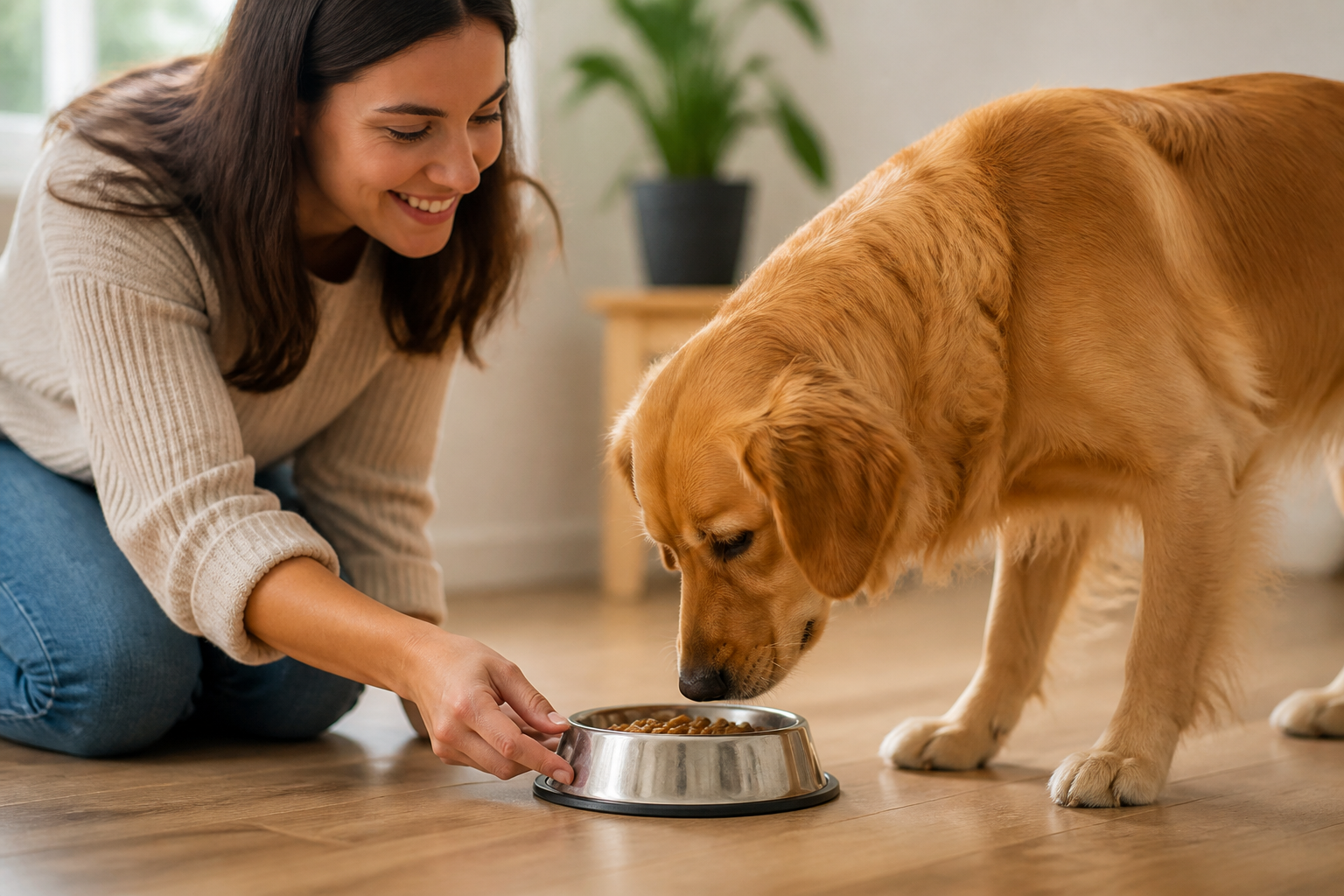
It is a familiar scene for many pet owners. You scoop out a bowl of high-quality kibble and set it down with a smile. Your dog walks over, takes a single sniff, and then wanders away to lie on the rug. You know they are hungry, yet the dry food remains untouched. This situation is frustrating and can lead to worries about your pet's health or nutrition. At BaxterBoo, we have spent years helping owners navigate the world of picky eaters from our warehouse in Vernon Hills. We understand that every dog has unique preferences. This post covers why your dog might be avoiding their bowl and offers practical, effective strategies to get them eating again. By adjusting your routine and adding simple flavor boosters, you can turn mealtime into the highlight of your dog's day.
Rule Out Medical Issues First
Before you assume your dog is just being stubborn, you must consider their physical health. A sudden change in appetite is often the first sign of an underlying medical problem. This is especially true if your dog previously enjoyed their dry food but now refuses it entirely. If your pet stops eating for more than 24 hours, or if they show signs of lethargy, a veterinary visit is necessary.
Dental pain is a very common reason for kibble refusal. Dry food is hard and crunchy. If your dog has a broken tooth, inflamed gums, or periodontal disease, biting down on that hard kibble can be painful. They may want to eat but find the physical act of chewing too difficult. You might notice them dropping food or only chewing on one side of their mouth.
Gastrointestinal issues can also play a role. If a dog feels nauseated or has an upset stomach, they will likely avoid food to prevent further discomfort. Senior dogs may face a decline in their sense of smell. Since scent is a huge part of how dogs experience flavor, food that once smelled delicious might now seem bland.
Vet Tip: If your dog is refusing dry food but still eats soft treats or wet food, they may be experiencing dental pain. Schedule a dental checkup to ensure their mouth is healthy and pain-free.
Our pharmacy carries a variety of FDA-approved medications and prescription diets through our partnership with Pet's Choice. If your veterinarian identifies a health condition like kidney disease or food allergies, they may prescribe a specific therapeutic diet. These specialized foods are formulated to manage chronic conditions while remaining palatable for sick pets.
Identify the Behavioral Root Cause
If your vet gives your dog a clean bill of health, the issue is likely behavioral. Many dogs are simply holding out for something better. If you frequently feed your dog table scraps or high-value treats, they may learn that refusing kibble leads to a piece of chicken or a spoonful of peanut butter. This creates a cycle where the dog becomes more demanding.
Boredom is another factor. While many dogs are happy to eat the same meal for years, some crave variety. If they have been on the exact same protein source for a long time, their interest may wane. Additionally, environmental stress can impact appetite. A recent move, a new baby, or even a change in your work schedule can make a dog feel too anxious to eat.
Overfeeding is a common mistake that leads to apparent pickiness. If you provide too many calories throughout the day via treats, your dog simply might not be hungry when dinner time arrives. Check the feeding guidelines on your food bag. Many owners find they are actually serving more than their dog needs for their activity level.
Key Takeaway: Picky eating is often a learned behavior. If you reward food refusal with human snacks, your dog will continue to wait for the higher-value option.
Simple Methods to Boost Aroma and Flavor
Dogs have roughly 300 million olfactory receptors in their noses. In comparison, humans have about 6 million. This means that the smell of the food is often more important than the taste. Dry kibble sitting in a bag does not have a very strong scent. You can use several simple tricks to make the aroma more enticing.
Add Warm Water or Broth
Adding moisture is the easiest way to improve dry food. Pouring a small amount of warm water over the kibble creates a savory gravy. This also softens the texture for dogs with sensitive teeth. The warmth helps release the fats and aromas within the food.
If you use broth, ensure it is specifically made for pets. Many human broths contain onions, garlic, or excessive sodium, which are toxic or unhealthy for dogs. A high-quality bone broth provides collagen and amino acids that support joint health and digestion. You can compare options in our dog food topper collection.
Use a High-Quality Topper
You do not need to replace the entire meal to make it appealing. A small amount of a tasty topper can do the trick. We carry various freeze-dried and wet toppers from brands like Stella & Chewy's or The Honest Kitchen. These add a concentrated burst of real meat flavor.
Common household toppers include:
- Plain, unsweetened Greek yogurt (great for probiotics).
- A spoonful of canned pumpkin (high in fiber for digestion).
- A scrambled or hard-boiled egg (excellent protein source).
- Small bits of fresh blueberries or steamed green beans.
Incorporate Salmon Oil
Salmon oil is a fantastic addition for picky eaters. Most dogs love the fishy scent and flavor. Beyond the taste, it is packed with Omega-3 fatty acids. These nutrients support a shiny coat, healthy skin, and cognitive function. It is a simple way to add value to every bowl.
Bottom line: Enhancing the smell of dry food with moisture or toppers is often enough to convince a picky dog to start eating.
Establish a Strict Feeding Routine
Consistency is vital when training a dog to eat what is provided. If you leave a bowl of food out all day, it is known as free-feeding. This often leads to pickiness because the food is always available and loses its value. It also allows the food to go stale as it sits in the open air.
The 30-Minute Rule
Implement a timed feeding schedule. Put the bowl down and leave it for exactly 30 minutes. If your dog has not touched it by then, pick it up and put it away. Do not offer any treats or human food until the next scheduled mealtime.
At the next meal, offer the food again for 30 minutes. Most healthy dogs will not starve themselves. Once they realize that the food is only available for a limited time, they will become more motivated to eat when the bowl hits the floor.
Create a Calm Environment
Some dogs are easily distracted by household activity. If you have a busy kitchen, try moving the food bowl to a quiet corner or a separate room. Puppies, in particular, can get sidetracked by toys, other pets, or people moving around. Providing a safe, low-stress space allows them to focus entirely on their meal.
Increase Physical Activity
A tired dog is usually a hungry dog. If your dog is lounging all day, their caloric needs are low. Try scheduled exercise about 30 to 60 minutes before mealtime. A long walk, a game of fetch, or a trip to the park can stimulate their metabolism and increase their drive to eat. For more ideas about encouraging picky dogs, read our practical guide to dry food for picky eaters.
Choose the Right Kibble
The quality of the dry food itself matters. Some lower-priced brands use heavy fillers and artificial flavors that are not very appealing to a carnivore's palate. At BaxterBoo, we curate our selection to include brands that prioritize real meat as the first ingredient. Browse our dog food category to compare formulas.
Check for Freshness
Kibble contains fats that can go rancid over time. Once a bag is opened, it generally stays fresh for about two to three weeks. If you buy a massive bag for a small dog, the food may be stale long before you reach the bottom. Store your food in the original bag inside an airtight container. This preserves the nutritional value and the taste. You can also read our guide to keeping dry dog food fresh.
Consider Kibble Size and Texture
Small breed dogs often struggle with large, hard nuggets. Look for "small breed" formulas that feature smaller, easier-to-crunch pieces. Conversely, some large dogs prefer a bigger crunch. Some brands, like Purina Pro Plan or NutriSource, offer "shredded blend" textures. these combine crunchy kibble with tender, meaty pieces to provide variety in every bite.
Rotational Feeding
You can prevent boredom by rotating the protein source every few months. For example, if you usually feed a chicken-based recipe, try switching to lamb, beef, or salmon. Stay within the same brand to minimize digestive upset. This gives your dog new flavors to explore without the risk of a sudden, total diet change.
Key Takeaway: High-quality food made with real animal proteins is naturally more palatable and stays fresh longer when stored correctly.
How to Transition to a New Dry Food
If you decide to switch to a new brand or flavor to entice your dog, you must do it slowly. A sudden change can cause diarrhea or vomiting. This might lead your dog to associate the new food with feeling sick, making them even more hesitant to eat it. For more nutrition guidance, see our dry dog food selection guide.
Follow this 7-day transition plan:
- Days 1-2: 75% old food, 25% new food.
- Days 3-4: 50% old food, 50% new food.
- Days 5-6: 25% old food, 75% new food.
- Day 7: 100% new food.
During this transition, monitor your dog's stool and energy levels. If you notice any issues, slow the process down. This gradual shift allows the beneficial bacteria in the gut to adjust to the new ingredients.
Gamify Mealtime with Interactive Toys
Sometimes, the bowl itself is the problem. Some dogs find eating from a static bowl boring. You can turn mealtime into a mental workout by using interactive feeders. These toys require the dog to work for their food, which taps into their natural foraging instincts.
Brands like Kong offer classic rubber toys that you can stuff with kibble and seal with a bit of wet food or peanut butter. There are also "wobble" toys and snuffle mats. A snuffle mat is a fabric mat with long strips of felt. You hide the kibble inside the strips, and your dog must use their nose to find it. This is incredibly stimulating and can make a reluctant eater much more excited about their dry food.
Using food as a reward during training sessions is another great way to get kibble into a picky dog. If they have to sit, stay, or perform a trick to earn a piece of kibble, the food becomes a prize rather than a chore.
Senior Dog Considerations
If you have an older dog, their refusal to eat dry food might be related to more than just pickiness. As mentioned, the loss of smell is a major factor. Aging dogs may also have more sensitive stomachs or less efficient digestion.
For seniors, warming the food is almost always a good idea. You can also look for senior-specific formulas that include supplements like glucosamine and chondroitin for joint support. Brands like Cosequin or Zesty Paws offer supplements that can be crumbled over food to add flavor and health benefits.
If your senior dog has significant tooth loss, you may need to transition to a "rehydratable" food. The Honest Kitchen offers dehydrated recipes that you mix with warm water to create a soft, oatmeal-like consistency. It provides the convenience of dry storage with the texture of a wet meal. For another option, explore our freeze-dried pet food collection.
Vet Tip: For senior pets with chronic health issues, consult your vet about prescription diets available through our pharmacy. These are often essential for managing conditions like heart disease or kidney failure.
Summary of Solutions for Picky Eaters
Getting a dog to eat dry food requires a mix of patience, routine, and a little bit of culinary creativity. You should never force a dog to eat, but you can certainly make their food more appealing. By focusing on high-quality ingredients and a consistent schedule, most owners find success within a week or two.
Step 1: Rule out dental pain or illness with a vet visit. Step 2: Stop all table scraps and limit treats to 10% of daily calories. Step 3: Implement the 30-minute rule for all meals. Step 4: Use warm water, bone broth, or healthy toppers to enhance aroma. Step 5: Ensure the food is fresh and stored in an airtight container. Step 6: Use puzzle toys to make mealtime an engaging activity.
Bottom line: A healthy dog will usually eat when they are hungry, provided the food is fresh and the environment is low-stress. Consistency from the owner is the most important factor.
We are committed to providing the best for your pets at BaxterBoo. Whether you need a high-quality kibble from Acana or Orijen, or you need to fill a prescription through our pharmacy partnership with Pet's Choice, we have the expertise to help. Our Autoship programme also makes repeat food orders more convenient, while the MVP Rewards programme can help you save on eligible purchases.
FAQ
Can I mix wet food and dry food every day?
Yes, mixing wet and dry food is a very common and effective way to encourage eating. It provides the hydration and aroma of wet food while maintaining the dental benefits and cost-effectiveness of kibble. Just be sure to adjust the total portions so you are not overfeeding your dog. For additional guidance, read our guide to mixing dry and wet dog food.
Why does my dog eat treats but refuse their dry food?
Treats are usually higher in fat, salt, and sugar than standard kibble, making them much more appealing. If your dog knows that refusing dinner might lead to a treat later, they will wait for the better option. You should cut out all treats until your dog is consistently eating their regular meals.
Is it okay to leave dry food out all day?
Free-feeding is generally not recommended for picky eaters. It allows the food to go stale and lose its scent, making it even less appetizing. Setting specific mealtimes creates a sense of routine and increases the perceived value of the food.
How do I know if my dog's food has gone bad?
Check the "best by" date on the bag, but also use your senses. Rancid dog food often has a sour or "off" metallic smell. If the kibble feels excessively oily or if you see any signs of mold or pests, discard the bag immediately and start with a fresh one.






