
 Save 15% on your 1st Autoship learn more

 Email us
 Live Chat
 FAQs
FAQs





Introduction
You stand in your pantry looking at a half empty bag of kibble that has been there for a month. Perhaps you bought the biggest bag available to save a few dollars. Now you find yourself wondering if those crunchy bits are still as nutritious as the day you broke the seal. Most dog owners face this exact moment of doubt when checking the freshness of their pet's dinner. Here at BaxterBoo, we know that keeping your dog healthy starts with what goes into their bowl every single day. This post covers the timeline for kibble freshness, the risks of feeding old food, and the best ways to store your supplies to prevent waste. Understanding how environmental factors impact shelf life will help you keep your dog's meals safe and delicious.
The Standard Timeline for Kibble Freshness
Dry dog food is famous for its long shelf life compared to wet or raw options. However, that longevity changes the second you break the factory seal. Most manufacturers and veterinarians suggest that a bag of dry dog food should be consumed within four to six weeks once it is opened. This window is the "sweet spot" for maintaining both the flavor and the nutritional integrity of the food.
The fats and oils in the food begin to oxidize as soon as they meet the air. Oxidation is a chemical reaction that occurs when oxygen interacts with the ingredients. This process eventually leads to the food becoming rancid. While a bag might technically be edible for a bit longer, the quality drops significantly after that six week mark.
If you have an unopened bag, the timeline is much longer. Unopened bags generally stay fresh for 12 to 18 months from the date of manufacture. This depends on the specific brand and the preservatives used in the recipe. We carry many premium brands that use natural preservatives, which may have a slightly shorter unopened shelf life than those using synthetic chemicals.
Quick Answer: Once opened, dry dog food typically lasts for about six weeks. Unopened bags stay fresh until the "best by" date, which is usually 12 to 18 months after production.
Understanding the Best By Date
Every bag of dog food has a date printed on the packaging. It might be labeled as "Best By," "Use By," or "Expiration." It is important to realize that this date is intended for unopened bags. It is the manufacturer's guarantee that the food will remain nutritionally complete and free from spoilage until that time, provided the bag remains sealed.
The vitamins and minerals in the food do not stay at peak levels forever. Over time, certain essential nutrients like Vitamin C and Vitamin E naturally degrade. Manufacturers often add higher levels of these nutrients during production to account for this gradual loss. If you feed your dog food that is months past its best by date, they may not be getting the full nutritional profile promised on the label.
If you find a bag in your cupboard that is past this date, it is usually safest to discard it. Even if it looks fine, the internal chemistry may have shifted. The fats may have turned, and the vitamin potency has likely dropped.
For another perspective on dates, freshness, and storage, read our guide to how long dry dog food stays fresh once opened.
Why Oxygen and Light are the Enemies of Kibble
Two main environmental factors speed up the degradation of dog food: oxygen and light. When you open a bag, you introduce a fresh supply of oxygen. This oxygen reacts with the fats in the kibble. This is especially true for high quality foods that use animal fats as a primary energy source. Rancid fats can cause digestive upset and may even be harmful over a long period.
Light is another factor many people overlook. If you store your dog food in a clear container in a sunny mudroom, the ultraviolet rays can break down the nutrients. This is why most professional dog food bags are opaque and made of multiple layers. The packaging is a shield.
Heat also plays a major role. Storing food in a hot garage or near a kitchen vent can cause the oils in the kibble to sweat and spoil. A cool, dark, and dry environment is the only way to ensure the food lasts for its full intended duration.
Key Takeaway: Oxygen, light, and heat are the three primary factors that cause dog food to go bad. Controlling these elements is the secret to extending the life of your pet's food.
Signs Your Dog Food Has Gone Bad
You should always perform a quick check before scooping food into your dog's bowl. Dogs have a much more sensitive sense of smell than humans. However, some dogs are "highly motivated" eaters and might ignore a bad smell just to get a meal. You must be the one to verify the quality.
Check for these specific signs of spoilage:
- A Sour or Metallic Odor: Fresh kibble should smell like the ingredients, usually meat or grain. If it smells like old paint, sour oil, or chemicals, the fats have likely gone rancid.
- Visible Mold: If moisture gets into the bag, mold can grow. Look for white, green, or black fuzz on the kibble. Even if only one corner looks moldy, the entire bag is contaminated by invisible spores and must be tossed.
- Changes in Texture: Kibble should be dry and crunchy. If it feels greasy, damp, or crumbles into a powder between your fingers, it has been exposed to too much humidity or heat.
- Pest Activity: Look for small moths, weevils, or droppings. Pests are attracted to the proteins and grains. If you see bugs, the food is no longer safe.
- The Dog Refuses to Eat: If your normally hungry dog turns their nose up at a fresh bowl, pay attention. They can often smell spoilage long before we can see it.
If your dog frequently refuses dry food, our guide to getting dogs to eat dry food may offer helpful next steps.
The Risks of Feeding Expired or Spoiled Food
Feeding spoiled food is not just about a bad taste. It can lead to real health complications for your dog. When fats go rancid, they can cause issues like diarrhea, vomiting, and general lethargy. Over time, consuming rancid oils can interfere with the absorption of other nutrients and may cause inflammation.
Mold is an even bigger concern. Some molds produce mycotoxins. These are toxic compounds that can cause severe illness in dogs. Symptoms of mycotoxin poisoning include tremors, stumbling, and even liver failure. This is why you should never try to "save" the bottom of a bag if the top looks questionable.
Bacteria can also thrive in improperly stored food. Salmonella and E. coli are occasionally found in pet foods that have been exposed to moisture and warm temperatures. This is a risk for your dog and for the humans in your house who handle the food.
Vet Tip: If your dog develops sudden vomiting or diarrhea after eating from a new or old bag of food, stop feeding that food immediately. Consult your veterinarian to rule out food poisoning or bacterial infections.
How Our Pharmacy Can Help
If your dog has a sensitive stomach or experiences frequent digestive issues from food transitions or spoilage, we can help. Our pet pharmacy at BaxterBoo works through a partnership with Pet's Choice to offer FDA-approved medications and prescription diets. Some dogs require specific therapeutic foods to manage their GI health or allergies.
If your vet prescribes a specialized diet, you can find many of those options through our pharmacy services. Proper storage is even more critical for prescription diets. These foods are often formulated with specific nutrient balances that must be protected to help your dog manage their health condition.
Proper Storage Techniques to Maximize Freshness
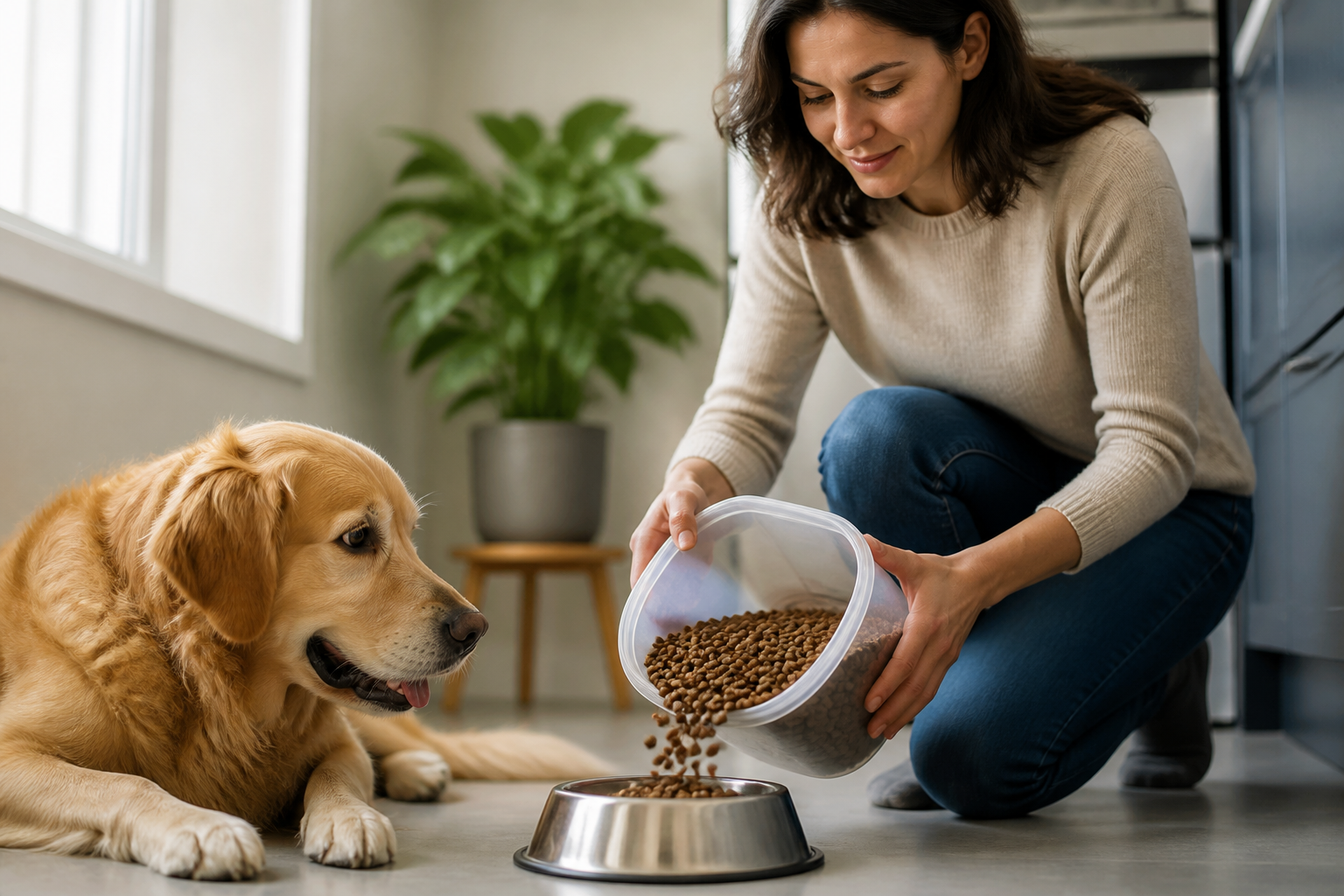
How you store the food is just as important as the date you bought it. Many people make the mistake of pouring the kibble directly into a plastic bin. While this looks tidy, it can actually shorten the life of the food. Plastic bins can develop microscopic scratches where fats and bacteria hide. Over time, the oils from old food can seep into the plastic and turn rancid, contaminating every new bag you pour in.
The best method is to keep the food in its original bag. Manufacturers spend a lot of money developing bags that act as a barrier against moisture and air. Simply roll the top of the bag down tightly and use a heavy duty clip to seal it. If you want the aesthetic or pest protection of a bin, place the entire bag inside the container.
For more storage guidance, read about keeping dog food dry for freshness and safety.
Storage Checklist:
- Keep the food in its original packaging.
- Place the bag inside an airtight container for extra protection.
- Store the container in a cool, dry area like a pantry or climate controlled closet.
- Keep the food off the floor to prevent moisture wicking and discourage pests.
- Wash your storage container with hot water and soap every time you finish a bag.
Why the Original Bag Matters
The original packaging serves a dual purpose. Beyond being a physical barrier, it is a record of vital information. Every bag includes a lot number and a UPC code. If there is ever a product recall, you will need this information to see if your bag is affected.
The bag also lists the full ingredient panel and nutritional analysis. If your dog has a sudden allergic reaction, having the bag on hand allows you or your vet to identify potential triggers. Brands we carry at BaxterBoo like Farmina or Acana use high quality packaging materials designed specifically to keep their premium ingredients stable. Throwing away the bag means throwing away your best tool for safety and freshness.
Choosing the Right Bag Size for Your Dog
It is tempting to buy the 40 pound bag of food because the price per pound is lower. However, if you have a ten pound dog, that bag might last for four months. By the time you get to the bottom of the bag, the food will likely be stale and nutritionally depleted.
To calculate the right size, look at the feeding guidelines on the back of the bag. Determine how many cups your dog eats per day. Then, look at the total weight of the bag. Most bags list approximately how many cups are inside. If a bag will take your dog longer than six weeks to finish, consider buying a smaller size.
For more help with portions, see our guide to how much dry food to feed a dog.
For example, a small dog eating half a cup a day only consumes about 21 cups in six weeks. A five or ten pound bag is likely the better choice for them. A large dog eating four cups a day will go through a large bag much faster, making the bulk purchase a safer and more economical option.
Tips for Maintaining Daily Freshness
Freshness is about daily habits as much as it is about long term storage. Little things can add up to protect the quality of the kibble.
Step 1: Wash your hands before handling the food. Oils and bacteria from your skin can transfer to the kibble inside the bag.
Step 2: Use a clean measuring cup or scoop. Do not use the same scoop for multiple types of food without washing it. This prevents cross contamination and the transfer of old fats.
Step 3: Close the bag immediately. Do not leave the bag sitting open while your dog eats. The less time the food is exposed to the air, the better.
Step 4: Monitor the temperature of your storage area. If your pantry gets above 80 degrees in the summer, move the food to a cooler part of the house.
Bottom line: Small daily actions like sealing the bag tightly and using clean tools go a long way in keeping kibble fresh for the full six weeks.
Avoiding Common Storage Mistakes
One of the most common mistakes is "topping off" the food container. This happens when you have a little bit of old food left and you pour a brand new bag right on top of it. This is a recipe for spoilage. The old food at the bottom will continue to age and can contaminate the new, fresh food.
Always wait until the container or bag is completely empty. Then, wash the container and dry it thoroughly before adding the new bag. This ensures that you are never mixing old, potentially rancid fats with your fresh supply.
Another mistake is storing food in the garage or a laundry room. These areas often have high humidity and fluctuating temperatures. Humidity is a primary trigger for mold growth. Even if the bag is sealed, the constant temperature swings can cause condensation inside the bag. This creates tiny pockets of moisture where mold can flourish.
Inventory Management and Shopping Habits
If you find that you are constantly running out of food or keeping it too long, it might be time to adjust how you shop. We offer an Autoship programme that allows you to schedule your deliveries. This is a great way to ensure you always have fresh food arriving exactly when you need it. You can set the frequency based on how long it takes your dog to finish a bag.
By using Autoship, you also gain access to our MVP Rewards programme. This helps you save money on the high quality brands your dog loves without having to buy massive bags that might go stale. It is a practical way to balance value with the health of your pet.
Conclusion
Dry dog food is a convenient and nutritious option, but it is not invincible. To ensure your dog gets the best out of their meals, aim to use opened bags within six weeks. Keep the food in its original bag, seal it tightly with a clip, and store it in a cool, dry place. By watching for signs of spoilage and choosing the right bag size for your dog's needs, you can prevent waste and protect their health.
- Use opened kibble within 4 to 6 weeks.
- Keep food in the original bag to preserve nutrients and tracking info.
- Avoid heat, light, and moisture to prevent rancidity and mold.
- Check for smells or texture changes before every feeding.
Ready to refresh your dog's pantry? Explore our wide selection of premium dog food brands at BaxterBoo. We handpick every product to ensure your pet gets only the highest quality nutrition.
FAQ
Can I store dry dog food in the refrigerator to keep it fresh?
While it seems like a good idea, refrigeration is generally not recommended for dry kibble. The humidity levels in a fridge can cause moisture to develop on the food, which leads to mold. It is much better to keep the food in a cool, dark pantry where the humidity is low and stable.
What should I do if my dog food bag arrives with a small tear?
If you notice a hole or tear in the bag upon delivery, it is best to contact the retailer for a replacement. A tear allows air and moisture to enter the bag before it even reaches you, which means the food may already be starting to spoil or lose its nutritional value.
Are plastic storage bins safe for dog food if I don't use the bag?
It is not ideal to pour food directly into plastic bins. Over time, the plastic absorbs fats from the kibble, which can go rancid and spoil future batches of food. If you must use a bin, keep the food inside its original bag and place the entire bag into the container for the safest storage.
How can I tell if the fats in my dog's food have gone rancid?
The most reliable way is the smell test. Rancid fats have a very distinct, sharp, or "off" odor that often smells like old oil, wet cardboard, or even paint thinner. If the food doesn't smell like the pleasant, meaty scent it had when you first opened it, discard the bag.






