
 Save 15% on your 1st Autoship learn more

 Email us
 Live Chat
 FAQs
FAQs





Introduction
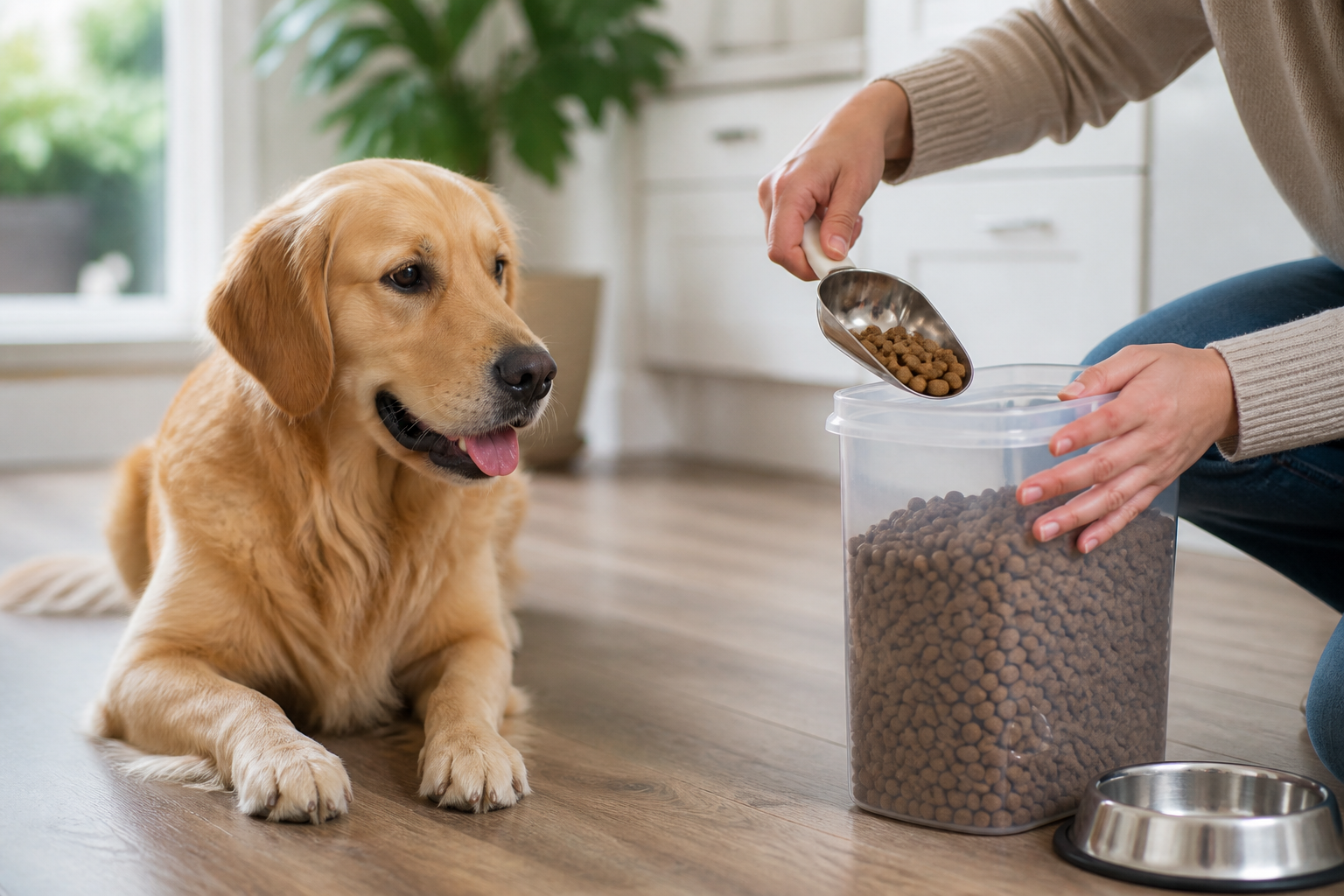
You walk into the pantry and notice a half-used bag of kibble sitting in the corner. It has been open for a few weeks, and you start to wonder if those crunchy nuggets are still as nutritious as the day you bought them. Many pet owners assume that because dry food is shelf-stable, it stays fresh indefinitely. However, the moment you break that factory seal, the clock starts ticking. At BaxterBoo, we talk to dog owners every day who want to balance the value of buying in bulk with the necessity of keeping their pets healthy. This post covers the exact timeline for opened food, the science of why it spoils, and the best storage methods to keep your dog safe. Understanding how to manage your dog's food supply ensures they get the high-quality nutrition they deserve in every bowl.
Quick Answer: Once a bag of dry dog food is opened, it should ideally be consumed within 4 to 6 weeks. While the "best by" date on the bag applies to unopened packaging, exposure to oxygen and moisture causes the food to degrade quickly after you break the seal.
The Difference Between Expiration and Freshness
Every bag of our dry dog food carries a "best by" or "use by" date printed on the side or bottom. This date is determined by the manufacturer to indicate how long the food will stay at peak nutritional quality while it remains sealed. Modern packaging is actually quite high-tech. It often includes oxygen barriers and grease-resistant linings to keep the food stable for a year or more on a warehouse shelf.
The situation changes completely once you open that bag. The "best by" date essentially becomes irrelevant for an opened product. When air hits the kibble, a process called oxidation begins. This is a chemical reaction where oxygen interacts with the fats and nutrients in the food. It happens regardless of how expensive the brand is or how many natural preservatives it contains.
The 4 to 6 Week Rule
Most veterinarians and nutrition experts suggest finishing a bag of dry food within six weeks of opening it. Some higher-end brands that use very few preservatives may even recommend a four-week window. If you find that a large bag lasts your dog two or three months, you might actually be feeding them rancid fats and degraded vitamins toward the end of that bag.
If you are comparing shelf-life guidance with broader storage advice, our guide to how long dry dog food lasts offers another helpful perspective.
Key Takeaway: The "best by" date only applies to unopened bags. Once opened, aim to use all the kibble within six weeks to ensure your dog is eating fresh, safe food.
Why Dry Dog Food Spoils After Opening
It helps to think of kibble as a processed food similar to crackers or cereal. While it looks dry and indestructible, it contains high levels of fats and oils. These fats are what make the food palatable and provide essential energy for your dog. They are also the most vulnerable part of the recipe.
The Role of Oxidation
When oxygen reaches the fats in the food, it breaks them down into smaller compounds. This is oxidation. As the fats oxidize, they become rancid. Rancid fats do not just taste bad. They can actually be toxic over long periods. They can cause digestive upset and may lead to more serious health issues if consumed daily.
For additional information about spoilage and storage, read does dry dog food go bad.
Moisture and Mold
Dry dog food usually has a moisture content of around 10 percent. If you live in a humid climate or store the food in a damp area like a garage, the kibble can absorb moisture from the air. This creates a perfect breeding ground for mold and bacteria. Even if you cannot see green fuzzy spots, microscopic mold spores can produce mycotoxins that are very dangerous for dogs.
Heat Exposure
Heat acts as a catalyst for spoilage. If you store your dog's food in a warm kitchen or near a sunny window, the oxidation process happens much faster. For every ten-degree increase in temperature, the rate of chemical degradation essentially doubles. This is why we always recommend a cool, dark place for storage.
Signs That Your Dog Food Has Gone Bad
Sometimes a bag spoils before the six-week mark due to poor storage or environmental factors. It is important to check the food every time you fill the bowl. Dogs have much more sensitive noses than we do, but there are clear signs that humans can pick up on too.
- A Sour or Musty Odor: Fresh kibble should smell like the protein it contains. If it smells like old paint, window cleaner, or sour milk, it has likely gone rancid.
- A Change in Texture: If the kibble feels oily to the touch or, conversely, feels soft and crumbly, it has been affected by air and moisture.
- Visible Pests: Small moths or weevils can find their way into unsealed bags. If you see webbing or small insects, the entire bag needs to go.
- Refusal to Eat: If your dog is usually a "foodie" but suddenly turns their nose up at the bowl, listen to them. They can smell rancidity long before you can.
- Physical Symptoms: Vomiting or diarrhea after a meal can be a sign that the food has developed bacterial growth or rancid fats.
Vet Tip: If your dog experiences persistent digestive issues, it may not just be a "sensitive stomach." Consult your veterinarian to rule out food-borne illness. For dogs with chronic GI needs, our pet pharmacy offers prescription diets and other products for ongoing care.
The Best Way to Store Dry Dog Food
The way you store your food is just as important as the brand you buy. We see many pet owners make the mistake of dumping the food out of the bag and into a plastic bin. While this seems organized, it is actually one of the fastest ways to spoil the food.
Keep It in the Original Bag
The original packaging is designed to keep food fresh. It has a specialized lining that acts as a grease barrier. When you pour kibble directly into a plastic bin, the oils from the food soak into the plastic. Over time, those oils go rancid. Even if you wash the bin, the plastic can retain those smells and pass them on to the next batch of food.
The Bag-in-Bin Method
The most effective storage method is to keep the food in its original bag, roll the top down tightly, and then place that entire bag inside an airtight container. This gives you two layers of protection. It keeps oxygen and pests out while utilizing the bag's engineered lining.
For more ideas about protecting kibble from moisture, see our dog food freshness and storage guide.
Avoid the Garage and the Floor
Many people store large bags in the garage to save space. This is risky. Garages are subject to extreme temperature swings and high humidity. Furthermore, keeping food directly on a concrete floor can lead to moisture wicking through the bottom of the bag. Store the food on a shelf or inside a raised pantry.
Bottom line: Store your dog's food in its original bag, sealed inside an airtight container, in a cool and dry location.
Common Storage Mistakes to Avoid
Even well-intentioned pet owners fall into certain habits that can compromise food safety. Avoiding these small mistakes can make a big difference in the quality of your dog's meals.
Don't "Top Off" the Container
If you use a storage bin, never pour a new bag of food on top of the remnants of the old one. The crumbs and oils at the bottom of the bin are the oldest and most likely to be rancid. They will contaminate the fresh food immediately. Always finish the bag, wash the container with hot soapy water, dry it completely, and then add the new bag.
Don't Leave the Bag Open
It is tempting to leave the bag "clipped" or even just folded over in the pantry. Every minute the bag stays open, more oxygen enters. If you have a large bag, consider using a high-quality bag clip or a heavy-duty sliding seal.
Watch the "Best By" Date at the Store
Check the date before you leave the store. If a bag is within a month of its "best by" date, it has already been sitting for a long time. The nutrients are already starting to decline. At BaxterBoo, we manage our inventory carefully to ensure the products we ship have plenty of shelf life remaining.
Selecting the Right Bag Size for Your Dog
One of the easiest ways to ensure freshness is to buy the right amount of food. While the price per pound is lower on a 40-pound bag, it is not a bargain if half of it goes stale before your small dog can finish it.
Step 1: Calculate your dog's daily intake. Check the feeding guidelines on the back of the bag. Note how many cups they eat per day.
Step 2: Determine how many days a bag will last. Most bags list the approximate number of cups inside. Divide the total cups by your dog's daily portion.
Step 3: Adjust your purchase. If a bag will take longer than six weeks to finish, buy a smaller size. Your dog will benefit from the fresher nutrients.
For more portion-planning ideas, read our guide to how long dry dog food stays fresh after opening.
Key Takeaway: Buying smaller bags more frequently is often better for your dog's health than buying a massive bag that sits open for months.
Health Risks of Expired or Stale Food
Feeding your dog food that has been open too long is more than just a matter of taste. There are real health risks involved. When fats go rancid, they can interfere with the absorption of vitamins. This can lead to nutritional deficiencies over time, even if the food was originally balanced.
Bacterial Contamination
Opened bags are prone to contamination from Salmonella and E. coli. While a dog's digestive system is robust, these bacteria can still cause severe illness. This is especially true for senior dogs, puppies, or dogs with compromised immune systems.
Mycotoxins
If moisture gets into the bag, mold can grow. Some molds produce mycotoxins, which are extremely dangerous. Symptoms of mycotoxin poisoning include tremors, vomiting, and in severe cases, liver failure. This is why you should never try to "salvage" a bag that has gotten wet.
Skin and Coat Issues
A lack of fresh, healthy fats can lead to dry, itchy skin and a dull coat. Many owners think their dog has allergies when they are actually just reacting to the inflammatory compounds found in rancid fats.
Vet Tip: If your dog develops sudden skin irritation or digestive distress, consider the age of your current bag of food. If you suspect a food-related health issue, contact your vet immediately. Our pet pharmacy can help you explore available products for allergy and GI support.
How We Can Help at BaxterBoo
We know that managing pet supplies can be a chore. That is why we offer programs designed to make it easier to keep fresh food in your pantry. Our Autoship programme allows you to schedule deliveries so that a fresh bag arrives exactly when you need it. This prevents you from needing to buy giant "emergency" bags that might go stale.
When you shop with us, you are also earning MVP Rewards. You can use these points to save on smaller, more frequent purchases of premium brands like Farmina, Orijen, or Open Farm. We curate our selection to include brands that prioritize high-quality packaging and natural preservation.
If your dog has already developed a health condition related to diet or aging, our partnership with Pet's Choice gives you access to a full pharmacy. We carry prescription diets and medications for managing chronic conditions, all delivered with the same care as our standard gear.
Checklist for Maintaining Kibble Freshness
To keep your dog's dinner at its best, follow this simple routine:
- Check the Date: Always look for the "best by" date before purchasing.
- Write the Date: Use a marker to write the date you opened the bag directly on the packaging.
- The Sniff Test: Smell the food when you first open it so you know what "fresh" smells like for that specific brand.
- Seal it Twice: Roll the bag down and place it in an airtight bin.
- Wash the Bin: Clean your storage container between every single bag.
- Monitor Your Dog: Pay attention to any changes in appetite or digestion.
Summary of Storage Guidelines
| Storage Factor | Ideal Condition | Why It Matters |
|---|---|---|
| Container | Original bag inside a sealed bin | Prevents fat rancidity and plastic contamination |
| Location | Cool, dark pantry or closet | Protects against heat and light degradation |
| Temperature | Below 75 degrees Fahrenheit | Slows down the oxidation process |
| Timeline | 4 to 6 weeks after opening | Ensures vitamins and fats remain stable |
| Height | Off the floor | Prevents moisture and pest access |
Conclusion
Dry dog food is a convenient and nutritious option, but it is not a "set it and forget it" product. The moment you open the bag, the nutritional value begins to decline. By sticking to a six-week timeline and using the bag-in-bin storage method, you can protect your dog from the risks of rancid fats and mold. Your dog relies on you to provide safe, healthy meals every day. At BaxterBoo, we are here to support that mission with expertly curated food and a pharmacy for your dog's ongoing health needs. If you find yourself struggling to finish large bags, consider switching to a smaller size and using our Autoship programme to stay on top of your supply.
FAQ
Can I freeze dry dog food to make it last longer?
Freezing dry dog food is generally not recommended because it can introduce moisture. When you take the food out of the freezer to thaw, condensation can form inside the bag. This creates a high risk for mold growth. If you must freeze it, do so in small, airtight portions that can be used immediately upon thawing.
Is it okay to use a plastic storage bin without the bag?
It is better than leaving the bag wide open, but it is not ideal. Plastic containers can develop microscopic scratches that harbor bacteria and rancid oils from previous bags. If you choose to use a bin alone, you must scrub it thoroughly with hot water and soap every time you empty it. However, keeping the food in its original bag inside the bin is always the safest choice.
My dog's food smells like old fish, but it is a chicken recipe. Is it bad?
If a non-fish recipe smells fishy, it is a strong sign that the fats have gone rancid. This "off" smell is a byproduct of the oxidation process. You should stop feeding that bag to your dog immediately and check the expiration date or your storage conditions.
What should I do if I find bugs in the dog food?
If you find insects like grain mites or weevils in the kibble, you must discard the entire bag. Do not try to sift them out or freeze the food to kill them. Pests leave behind waste and can introduce bacteria. After throwing the food away, vacuum and sanitize your storage area to prevent the pests from spreading to other pantry items.






