
 Save 15% on your 1st Autoship learn more

 Email us
 Live Chat
 FAQs
FAQs





Introduction
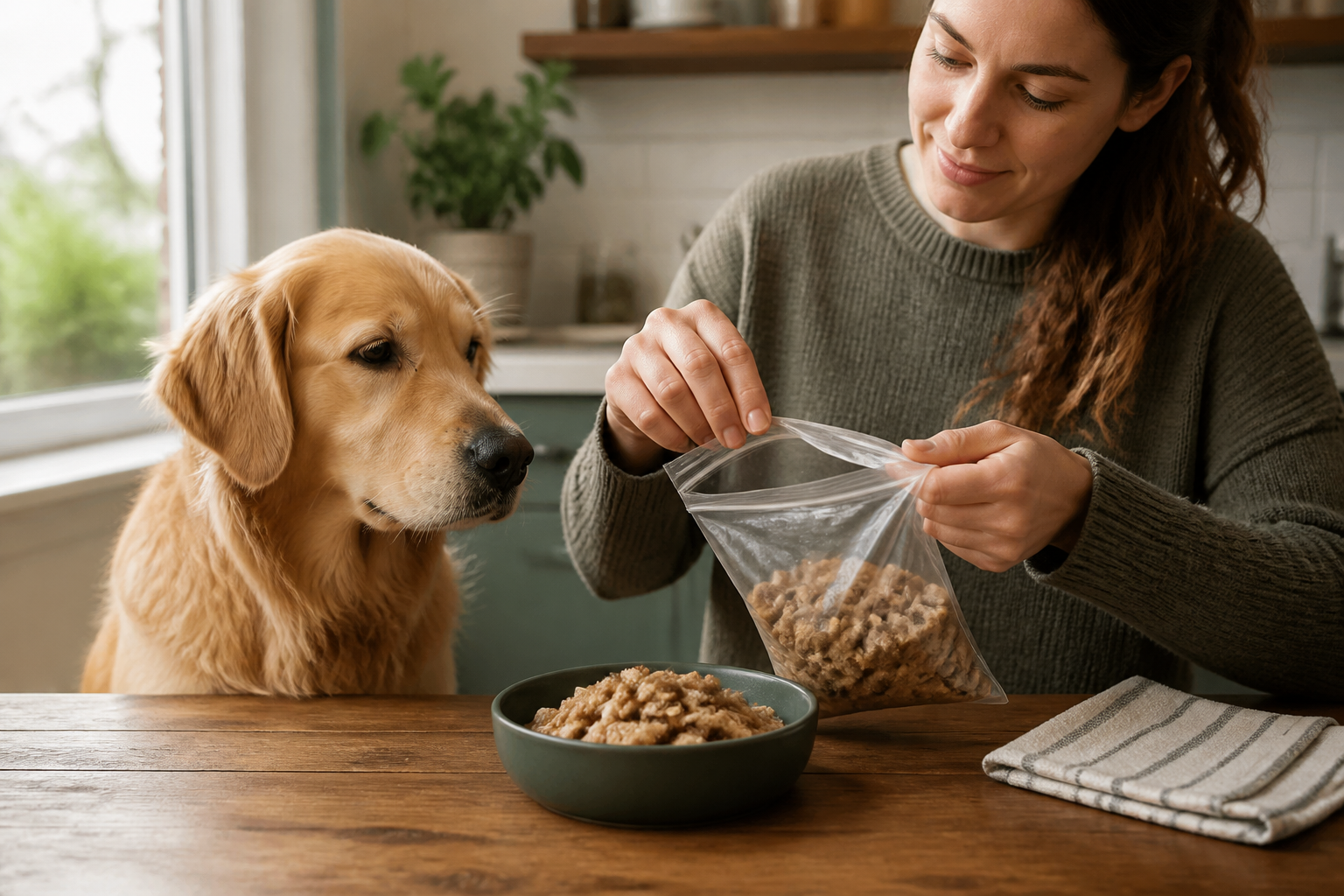
You are standing in your pantry with an open bag of freeze dried dog food in your hand. You bought it a few months ago as a nutritious topper or a convenient meal for travel. It looks the same as the day you bought it. However, you know that even the most stable foods have limits. At BaxterBoo, we understand that you want to provide high-quality nutrition without the waste. This article covers the specific timelines for freshness and how to spot signs of spoilage. We also explain the best storage practices to keep those nutrients intact. Understanding how long freeze dried dog food lasts after opening is the best way to keep your dog safe and healthy.
Quick Answer: Most freeze dried dog food lasts between 30 and 60 days after the seal is broken. While the unopened shelf life can span years, exposure to oxygen and moisture causes the fats to break down and the nutritional value to decline.
The Science of Shelf Stability
Freeze drying is a unique process called sublimation. Manufacturers freeze the raw ingredients and then lower the atmospheric pressure. This allows the ice to turn directly into vapor without becoming liquid first. This process removes about 98 percent of the moisture from the food. Because bacteria and mold need water to grow, this makes the food incredibly stable.
Most traditional dry kibble has around 10 percent moisture. Freeze dried options usually sit below 3 percent. This lack of water is why these products do not require the heavy chemical preservatives found in some other pet foods. However, the lack of water does not make the food invincible. Once you open the bag, the environment begins to act on the ingredients.
For a closer look at how freeze drying compares with other preservation methods, read our guide to freeze-dried versus dehydrated dog food.
The Impact of Opening the Bag
The moment you break the factory seal, the clock starts ticking. Oxygen and humidity from your home enter the packaging immediately. Freeze dried food is porous, which means it acts like a tiny sponge for any moisture in the air. This exposure triggers two main issues: oxidation and rehydration.
Oxidation occurs when oxygen hits the fats in the meat. Even though the food is dry, the animal fats are still present. These fats can turn rancid over time. This process changes the flavor and can eventually make your dog sick. Moisture is the second enemy. If the food absorbs enough humidity, it can become a breeding ground for mold or bacteria that were previously dormant.
Freshness Timelines
While every brand has its own specific recommendations, you can follow these general rules for safety.
| Packaging Status | Typical Shelf Life |
|---|---|
| Unopened Bag | 12 to 24 Months |
| Opened Bag | 30 to 60 Days |
| Rehydrated (Room Temp) | 30 Minutes |
| Rehydrated (Fridge) | 2 to 3 Days |
Key Takeaway: Opening the bag introduces oxygen and moisture. These elements cause fats to oxidize and nutrients to degrade. Always aim to use the food within two months of opening.
You can compare available options in our freeze-dried pet food selection.
Proper Storage to Extend Freshness
You can help your dog's food stay fresh longer by controlling the storage environment. Heat, light, and air are the primary factors that speed up spoilage.
Keep It in the Original Bag
Many pet owners like to pour food into large plastic bins. We recommend keeping freeze dried food in its original packaging if possible. These bags are often made with high tech liners designed to block out light and air. If you use a separate container, place the entire bag inside the container. This provides a double layer of protection.
For additional guidance on keeping dry food fresh, see how long dry dog food stays good after opening.
Choose a Cool and Dry Spot
Do not store pet food in a garage or a damp basement. Temperature fluctuations cause condensation inside the bag. This extra moisture is exactly what allows mold to grow. A climate controlled pantry or a kitchen cabinet away from the oven is the best choice.
Seal It Tight
Always squeeze as much air out of the bag as possible before resealing it. If the built in zip top is flimsy, use a heavy duty bag clip. Some owners prefer to transfer the food to glass jars with airtight gaskets. This is an excellent way to prevent oxygen from circulating around the food.
Storage Checklist
- Squeeze out excess air before sealing.
- Store in a dark place to prevent light from degrading vitamins.
- Keep the temperature below 75 degrees Fahrenheit.
- Use a dry scoop every time to avoid adding moisture.
- Check the "Best By" date before every feeding.
For more storage ideas, read how to keep dog food dry for freshness and safety.
Identifying Spoiled Freeze Dried Food
You should trust your senses when checking your dog's food. Even if you are within the 60 day window, poor storage can cause early spoilage.
The Smell Test
Fresh freeze dried food usually has a mild, meaty, or slightly earthy scent. If you notice a sharp or sour smell, the fats have likely turned rancid. Some people describe this smell as being similar to old paint or wet cardboard. If the aroma makes you hesitate, it is better to discard the food.
Texture Changes
The pieces should feel light, crisp, and airy. They should crumble easily under pressure. If the food feels soft, rubbery, or sticky, it has absorbed too much moisture. This change in texture often precedes mold growth.
Your Dog's Behavior
Dogs have an incredible sense of smell. If your dog is usually a vacuum but suddenly refuses their meal, listen to them. They might detect the early stages of rancidity before you can. Never force a dog to eat food they are avoiding.
Vet Tip: Feeding spoiled or rancid food can lead to digestive upset, including vomiting and diarrhea. If your dog consumes expired food and shows signs of lethargy or persistent illness, consult your veterinarian immediately. For ongoing digestive support or prescription diets, our pet pharmacy offers prescription solutions for dogs.
The Risks of Rehydration
Many pet owners add water or bone broth to freeze dried food. This makes the meal more flavorful and helps with hydration. However, once you add liquid, the food is no longer shelf stable. It is essentially fresh raw meat again.
You should treat rehydrated food with the same caution you would use for your own leftovers. If your dog does not finish their bowl within 30 minutes, you must pick it up. You can store rehydrated portions in the refrigerator for up to 72 hours. After that, the risk of bacterial growth becomes too high.
For serving and rehydration tips, read our freeze-dried dog food feeding guide.
Health and Nutritional Considerations
Feeding food that is past its prime is not just about a bad smell. It can have real impacts on your dog's health. Over time, vitamins and essential fatty acids break down. This means your dog might not be getting the full nutritional profile promised on the label.
If you are using freeze dried food as a primary meal, this nutritional decline is a bigger concern than if you use it as an occasional treat. For senior dogs or those with chronic health conditions, consistent nutrition is vital. If you need specific medications or therapeutic diets to manage your dog's health, our dog pharmacy provides prescription products to support your dog's well being alongside their daily diet.
For more information about feeding this format, explore how to feed freeze-dried dog food.
Bottom line: Using freeze dried food within 60 days ensures your dog receives the maximum nutritional benefit and avoids the risks of rancidity.
Inventory Management Tips
It is easy to lose track of when you opened a bag. We suggest writing the date of opening directly on the bag with a permanent marker. This takes the guesswork out of the process.
If you find that you cannot finish a large bag within two months, consider buying smaller bags. While larger bags often have a lower price per pound, they are not a good value if you have to throw half of the food away. Another option is to use the food for training treats to ensure you go through the bag in a timely manner.
Our Autoship program is a great way to manage this schedule. You can set up recurring deliveries so that fresh food arrives just as you are finishing the previous bag. This ensures you never have food sitting in the pantry for too long. Plus, our members enjoy savings on their orders and a free MVP Gold membership.
Summary of Best Practices
Caring for your dog involves more than just picking the right brand. It requires careful handling of the food once it arrives at your home. We take pride in carrying over 500 trusted brands at BaxterBoo because we know quality matters. By following simple storage steps, you can protect your investment and your dog's health.
- Use opened bags within 30 to 60 days.
- Keep the food in its original, resealable packaging.
- Store in a cool, dry, and dark location.
- Never leave rehydrated food out for more than 30 minutes.
- Watch for changes in smell or texture.
If you have questions about which freeze dried options are best for your dog's specific needs, we are here to help. You can visit our warehouse in Vernon Hills or shop our selection of freeze-dried dog food. Whether you need a daily meal or a specialized supplement, our team is dedicated to providing the best for your pets.
FAQ
Can I store freeze dried dog food in the refrigerator?
We generally do not recommend storing dry freeze dried food in the refrigerator. The constant opening and closing of the fridge door creates humidity and temperature changes that can lead to condensation inside the bag. This moisture will spoil the food much faster than if it were kept in a dry pantry. Only put freeze dried food in the fridge after it has been rehydrated with water or broth.
Is it safe to feed freeze dried food after the "Best By" date?
The "Best By" date is a manufacturer's estimate of how long the food will stay at peak quality. If a bag is unopened and has been stored in a cool, dry place, it may be safe for a short time after that date. However, the nutritional value will begin to decline. If the bag is already open and past that date, it is safest to discard it to avoid the risk of rancid fats.
How can I tell if the fats in the food have gone rancid?
Rancid fat has a very specific, sharp odor that smells like chemicals or old oil. You might also notice that the food feels slightly greasy or looks darker than usual. If your dog refuses to eat the food or if you notice any unusual smell, these are clear signs that the fats have oxidized. Rancid food can cause stomach upset and should never be fed to your pet.
Does rehydrated freeze dried food spoil faster than kibble?
Yes, rehydrated freeze dried food spoils much faster than standard dry kibble. Once water is added, the food becomes a moist environment where bacteria can flourish quickly. While dry kibble can often sit in a bowl for several hours, rehydrated freeze dried food should be treated like fresh meat. Pick up any uneaten portions within 30 minutes to ensure your dog stays safe from foodborne illness.






