
 Save 15% on your 1st Autoship learn more

 Email us
 Live Chat
 FAQs
FAQs





Introduction
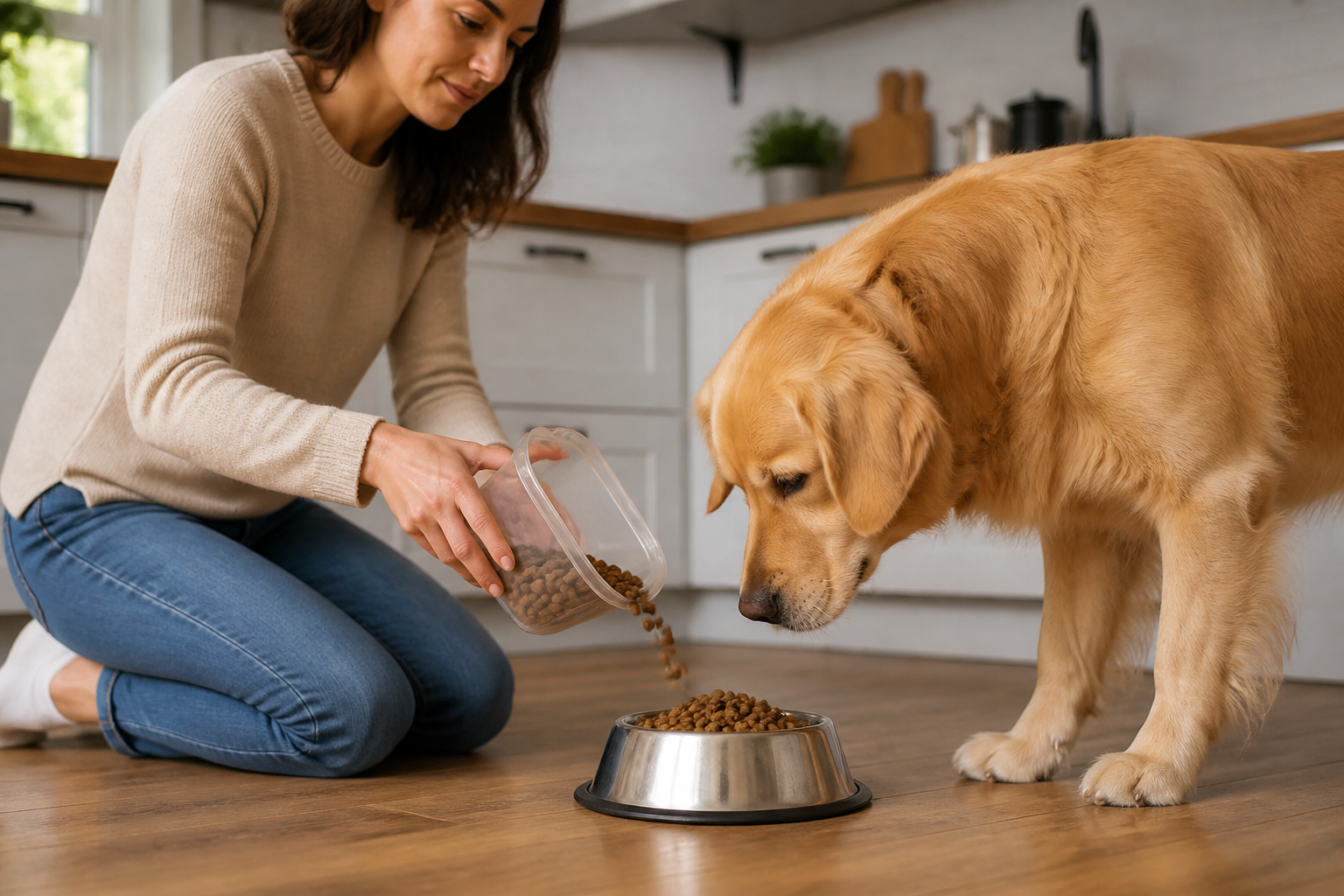
You are standing in your kitchen with a scoop in one hand and a bag of kibble in the other. You might wonder if that single cup of food is actually fueling your dog or contributing to unwanted weight gain. It is a common moment of uncertainty for many pet parents. At BaxterBoo, we understand that nutrition can feel like a guessing game when labels are filled with technical terms. This guide will explain how to find the calorie count on your dog food bag. We will also look at how many calories your dog truly needs based on their lifestyle and age. Understanding these numbers is the first step toward helping your dog live a longer and more active life.
Quick Answer: Dry dog food typically contains between 300 and 450 calories per standard eight ounce measuring cup. This number varies significantly based on the brand, the ingredients, and whether the food is formulated for puppies or seniors.
Understanding the Terminology on the Label
When you look at a bag of dry dog food, you will rarely see the word "calories" used alone. Instead, you will see the term "kcal" followed by "ME." This stands for kilocalories of Metabolizable Energy. In the world of pet food, one kcal is exactly the same as one calorie in human food. If a label says the food has 350 kcal per cup, it means 350 calories.
The "ME" part is also important. It represents the energy that your dog can actually use after digestion. Not every bit of energy in food is absorbed. Some is lost during the metabolic process. The ME number gives you the most accurate picture of what your dog is actually getting from their meal.
Where to Find the Information
Most manufacturers place the calorie statement near the Guaranteed Analysis or the ingredient list. Since 2017, pet food companies are required to list calories on their packaging. They must show the calories by weight, such as kcal per kilogram. They also usually show calories by volume, such as kcal per cup.
Key Takeaway: Always look for the kcal per cup measurement for the most practical way to measure your dog’s daily intake.
Calorie Density: Why Dry Food Varies
Dry dog food is very calorie dense because most of the moisture has been removed. Traditional kibble only contains about 10 percent water. In contrast, wet food is often 75 percent water or higher. This lack of water means that calories are packed tightly into every crunchy piece.
However, not all kibble is created equal. A high protein, high fat food will have more calories per cup than a "weight management" formula. For example, a performance food for working dogs might have 500 calories per cup. A senior formula might only have 280 calories per cup. This is why you cannot simply switch brands and keep using the same measuring cup without checking the label first. If you are comparing formulas, our dog food category is a useful place to start.
Comparison of Average Calories
| Food Type | Average Calories Per Ounce | Average Calories Per Cup |
|---|---|---|
| Standard Dry Kibble | 97 kcal | 350 to 400 kcal |
| High Protein Dry Kibble | 110 kcal | 450 to 500 kcal |
| Weight Management Dry | 80 kcal | 250 to 300 kcal |
| Wet/Canned Food | 25 kcal | 150 to 200 kcal (per can) |
Bottom line: Dry food is nearly four times as calorie dense as wet food by weight.
How Many Calories Does Your Dog Need?
There is no single number that fits every dog. Caloric needs are determined by weight, age, activity level, and whether the dog is spayed or neutered. A young, intact male dog will burn energy much faster than an older, spayed female dog of the same breed. For more guidance, read our guide to daily dry food portions.
General Guidelines by Weight
These numbers are estimates for a moderately active adult dog.
- 10 pound dog: 200 to 275 calories per day.
- 20 pound dog: 325 to 400 calories per day.
- 50 pound dog: 700 to 900 calories per day.
- 70 pound dog: 900 to 1,050 calories per day.
- 90 pound dog: 1,100 to 1,350 calories per day.
If your dog is very active, they may need 20 to 40 percent more than these ranges. If your dog is a "couch potato," they might need 10 to 20 percent less.
Life Stage Adjustments
Puppies are growing rapidly and require more energy. They often need twice as many calories per pound of body weight as an adult dog. This is why puppy foods from brands like NutriSource or Stella and Chewy's are formulated to be very calorie dense.
Senior dogs usually have slower metabolisms. They are also typically less active. They may require fewer calories but higher quality protein to maintain muscle mass. If you continue to feed a senior dog the same amount they ate as a three year old, they will likely become overweight.
Vet Tip: If your dog is struggling to maintain a healthy weight, consult your veterinarian for a specific caloric target. They can evaluate your dog's Body Condition Score to see if you should increase or decrease their daily intake.
The Danger of Overfeeding
It is very easy to overfeed when using dry food. A small mistake in measuring can lead to a large surplus of calories. For a ten pound dog, an extra quarter cup of food can represent 25 percent of their daily needs. Over time, this leads to obesity.
Obesity in dogs is linked to many health problems. These include joint pain, diabetes, and heart disease. Keeping your dog at a lean weight can actually add up to two years to their life. This is why we carry a wide variety of measuring tools and portion control bowls at our warehouse.
The 10 Percent Rule for Treats
Treats are a major source of hidden calories. Many owners forget to count the biscuit given after a walk or the bit of cheese dropped in the kitchen. Treats should never make up more than 10 percent of your dog's daily calories. If your dog needs 400 calories a day, only 40 of those should come from treats. You can compare options in our dog treats category.
- Check the treat label for the kcal count.
- If you give a high calorie treat, reduce the amount of kibble at dinner.
- Use low calorie alternatives like green beans or blueberries.
How to Calculate the Correct Portion
To find out how much to put in the bowl, you need to do a little math. For another look at portion sizes and measurement accuracy, see our article about the weight of a cup of dry dog food.
Step 1: Determine your dog's daily calorie requirement. Start with the weight charts or a vet recommendation. Step 2: Find the kcal per cup on your bag of dry food. Step 3: Divide the daily requirement by the kcal per cup. Step 4: Split that total amount into two or three meals.
For example, if your dog needs 800 calories and your food has 400 calories per cup, you should feed two cups total per day. This means one cup in the morning and one cup at night.
Key Takeaway: Never rely solely on the feeding chart on the back of the bag. Those charts are often based on active, intact adult dogs and can lead to overfeeding for the average pet.
Quality of Calories Matters
Not all calories are the same. A cup of food filled with fillers and byproducts might have the same calorie count as a cup of premium food. However, the premium food will provide better nutrition.
We carry over 500 brands at BaxterBoo because we know every dog has different needs. Brands like Orijen, Acana, and Farmina focus on high quality animal proteins. These ingredients are more bioavailable. This means your dog's body can use the energy more efficiently. For additional nutrition guidance, read our guide to choosing dry dog food.
What to Look for in High Quality Dry Food
- Named animal proteins like "chicken" or "deboned salmon."
- Healthy fats like chicken fat or salmon oil for energy.
- Complex carbohydrates like sweet potatoes or oats.
- A statement of nutritional adequacy from AAFCO.
Transitioning to a New Calorie Count
If you find that your current food is too calorie dense for your dog, you might choose to switch to a different formula. You must do this slowly. A sudden change in calorie density or ingredients can cause an upset stomach. Our guide to switching from dry to wet food offers another example of a gradual transition.
Step 1: Mix 25 percent of the new food with 75 percent of the old food for two days. Step 2: Move to a 50/50 mix for the next two days. Step 3: Feed 75 percent new food and 25 percent old food for two days. Step 4: Switch entirely to the new food.
Watch your dog’s energy levels and stool quality during this week. If you see signs of diarrhea or lethargy, slow down the transition.
Weight Management and the Pharmacy
Sometimes, a standard over the counter diet is not enough. If your dog has a medical condition like thyroid issues or severe obesity, your vet might recommend a prescription diet. These diets are specifically engineered to keep a dog feeling full while providing fewer calories. Our veterinary diet dog food selection includes specialized food options.
Our pharmacy at BaxterBoo offers a variety of prescription pet foods through our partnership with Pet's Choice. We carry brands like Farmina Vet Life that are formulated for weight management and other chronic health needs. These products require a prescription from your veterinarian. You can easily manage these orders through our pet pharmacy for home delivery.
Vet Tip: Sudden weight gain or weight loss can be a sign of an underlying medical issue. If you have not changed your dog's food or exercise routine but their weight is shifting, schedule a veterinary exam immediately.
Measuring for Success
The most common mistake pet owners make is using a kitchen scoop or a coffee mug to measure food. These are not accurate. An actual measuring cup is the only way to be sure of the volume. For even better accuracy, use a digital kitchen scale. Measuring by weight in grams is the gold standard for pet nutrition.
If you have multiple people in the house feeding the dog, make sure everyone is on the same page. Use a designated measuring cup that stays inside the food container. This prevents "portion creep" where the scoops gradually get larger over time.
Benefits of Autoship for Weight Management
Consistency is vital when managing your dog's calories. Running out of food and having to buy a random brand at the grocery store can ruin a diet. Our Autoship programme ensures you never run out of your dog's specific formula. You can set the frequency of delivery to match how quickly your dog finishes a bag.
Plus, when you sign up for Autoship, you get a free MVP Gold membership. This helps you save money on every order. Staying on a consistent diet helps stabilize your dog's metabolism and makes it easier to track their progress. You can review the MVP Rewards programme for more information.
Conclusion
Understanding how many calories are in dry dog food is one of the most powerful tools you have as a pet owner. It allows you to take control of your dog's health and prevent the many issues associated with obesity. By reading the kcal per cup label and adjusting for your dog's unique life stage, you can ensure they get the energy they need without the extra weight.
At BaxterBoo, we are here to support you with expertly curated food choices and tools for success. Whether you are looking for a high energy performance kibble or a weight management formula, we have the right options in our warehouse.
- Check labels for the kcal per cup measurement.
- Measure every meal with a standard measuring cup.
- Keep treats to 10 percent of the daily total.
- Consult your vet for a Body Condition Score.
Bottom line: Accurate calorie counting is the simplest way to extend your dog's life and improve their daily wellbeing.
FAQ
Is kcal the same as a calorie in dog food?
Yes, in the context of pet food labels, kcal and calorie are used interchangeably. A kilocalorie is the scientific term for the energy unit we commonly call a calorie on human food packaging. If a bag of dry dog food lists 380 kcal per cup, it means that cup contains 380 calories.
Why do some dry dog foods have more calories than others?
Calorie counts vary based on the ingredients and the intended purpose of the food. Foods high in fats and animal proteins are more calorie dense because fat contains more than twice the energy of carbohydrates or proteins. Performance or puppy formulas will always have more calories than senior or weight control versions to meet higher energy demands.
How do I find out how many calories my dog needs per day?
You can estimate your dog's needs using a weight chart, but the most accurate way is to consult your veterinarian. They use a formula that considers your dog's current weight, target weight, and activity level. Factors like being spayed or neutered also reduce a dog's caloric needs by about 20 to 30 percent.
Can I trust the feeding guidelines on the dog food bag?
Feeding guidelines are a helpful starting point, but they are often generic estimates. Most manufacturers provide ranges that may be too high for a typical indoor pet with a sedentary lifestyle. It is always better to calculate calories based on your dog's specific needs and monitor their weight closely to adjust the portions.






