
 Save 15% on your 1st Autoship learn more

 Email us
 Live Chat
 FAQs
FAQs





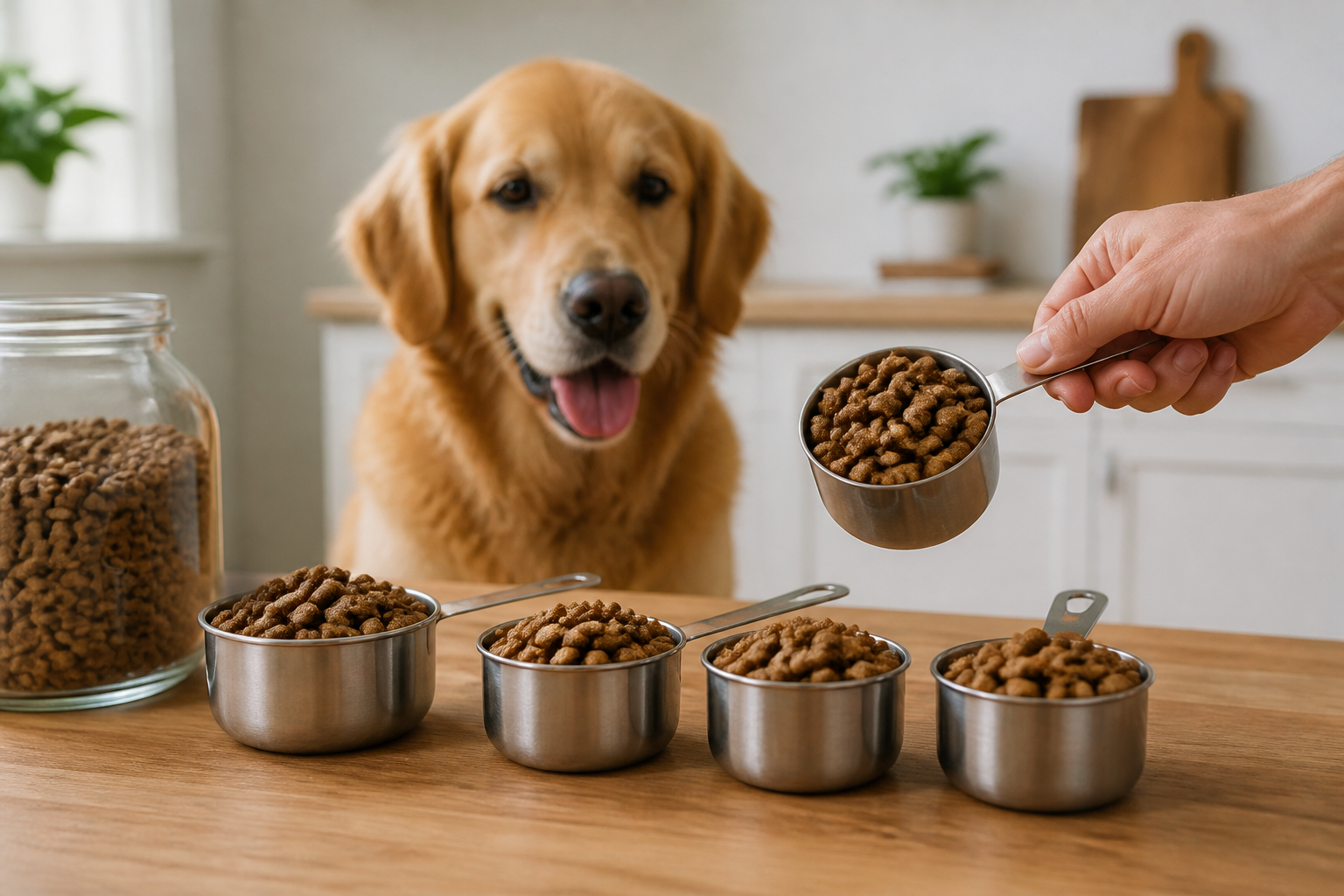
Introduction
You just finished hauling a heavy bag of kibble from your car to the pantry. As you scoop the first meal, you might wonder exactly how long this investment will last. Understanding the relationship between weight and volume is a common hurdle for many pet owners. At BaxterBoo, we believe that precise feeding is the foundation of a long and healthy life for your dog. This guide will help you translate those pounds on the label into the cups in your scoop. We will cover why kibble density matters, how to calculate the lifespan of a bag, and how to ensure your dog is getting the right amount of nutrition. Mastering these measurements helps you manage your budget and your pet's wellness with confidence.
The Standard Estimate for Kibble Measurements
For most standard dry dog foods, one pound of kibble equals approximately 3 to 4 cups. This is the general rule of thumb used by many manufacturers and veterinarians. If you are using a standard 8 ounce measuring cup, you can expect a 1 pound bag to provide about four level scoops. However, this is an estimate rather than a universal law.
The weight of a cup of dog food can vary significantly between brands. A cup of heavy, protein-dense kibble might weigh 5 ounces. A cup of light, air-puffed kibble might only weigh 3 ounces. Because there are 16 ounces in a pound, the math changes based on that density.
Quick Answer: On average, 1 pound of dry dog food equals 3 to 4 cups. This variation depends on the size, shape, and density of the specific kibble formula.
If you are trying to estimate how much to buy, starting with the 3.5 cup average is usually safe. This helps you avoid running out of food unexpectedly. It also prevents you from buying so much that the food loses its freshness before your dog can finish it. For more context on the relationship between volume and weight, see our guide to how much a cup of dry dog food weighs.
Why Kibble Density Changes the Math
Not all kibble is created equal when it's sitting in a measuring cup. The physical characteristics of the food play a massive role in how many cups you get per pound. We see this variety across the 500 plus brands we carry, from dense formulas like Ziwi Peak to lighter, traditional kibbles.
Kibble Size and Shape
Small, round kibble pieces fit together tightly in a measuring cup. There is very little air space between the pieces. This results in a heavier cup of food. Conversely, large or irregularly shaped kibble, like stars or large triangles, leaves a lot of "dead space" in the cup. You might feel like you are giving a full cup, but a good portion of that volume is just air.
Ingredients and Processing
The ingredients also affect weight. Foods with high moisture content that have been air-dried or freeze-dried often weigh less by volume than traditional extruded kibble. Dense meat meals weigh more than fibrous grains or legumes. Even the way the food is cooked matters. Extrusion, which is the most common way dog food is made, uses pressure and heat that can "puff" the kibble, making it less dense.
For options across different formulas and textures, browse our dog food category.
Moisture Content
While dry dog food is generally low in moisture, slight variations exist. A kibble with 10 percent moisture will weigh more than one with 5 percent moisture, even if the nutritional profile is similar. This is why some bags feel heavier even if they look smaller on the shelf.
Key Takeaway: Density is the reason one brand's 30 pound bag looks much smaller than another's. Always check the weight, not just the physical size of the bag.
Calculating Cups per Bag Size
To help you plan your shopping and storage, we have broken down the average number of cups found in common bag sizes. These figures use the standard average of 3 to 4 cups per pound.
| Bag Weight (lbs) | Estimated Total Cups (Low) | Estimated Total Cups (High) |
|---|---|---|
| 5 lbs | 15 cups | 20 cups |
| 10 lbs | 30 cups | 40 cups |
| 15 lbs | 45 cups | 60 cups |
| 20 lbs | 60 cups | 80 cups |
| 25 lbs | 75 cups | 100 cups |
| 30 lbs | 90 cups | 120 cups |
| 40 lbs | 120 cups | 160 cups |
If your dog eats 2 cups of food per day, a 30 pound bag will last between 45 and 60 days. Knowing these numbers helps you decide if a larger bag is a good value or if it will go stale before it is finished. Many of our customers use our Autoship program to time these deliveries perfectly so they never hit the bottom of the bag unexpectedly.
The Importance of Precise Measurement for Health
Feeding your dog the right amount is not just about convenience. It is a critical part of their health management. Obesity is a major concern for dogs in the United States. Even an extra 10 percent of calories every day can lead to significant weight gain over a year.
The Risks of Overfeeding
When we "eyeball" a scoop, we almost always over-serve. A "heaping" cup can easily contain 20 percent more food than a level cup. Over time, this leads to joint stress, heart issues, and decreased mobility. For dogs already managing these conditions, weight control is the first line of defense.
The Risks of Underfeeding
If you switch to a very dense food but keep the same cup measurements, you might accidentally underfeed your dog. This can lead to lethargy, coat issues, and a weakened immune system. This is especially dangerous for growing puppies or active working dogs who need every calorie.
Vet Tip: If your dog is struggling with weight management or has a chronic condition like diabetes or kidney disease, a precise diet is vital. Our pet pharmacy offers a wide range of prescription pet foods through our partnership with Pet's Choice. Always consult your veterinarian before switching to a prescription diet to ensure it meets your dog's specific medical needs.
Tools for Better Accuracy
If you want to move beyond the "3 to 4 cups" estimate, there are better ways to measure. Using the right tools can take the guesswork out of mealtime.
Use a Standard Dry Measuring Cup
Many people use a coffee mug or a plastic stadium cup to scoop food. These are not accurate measurements. Use a real, dry-ingredient measuring cup. These are designed to be filled to the top and leveled off. This ensures that a "cup" is actually 8 fluid ounces of volume.
Switch to a Kitchen Scale
The most accurate way to feed your dog is by weight, not volume. Most high-quality dog foods, like those from Open Farm or Stella and Chewy's, list the weight in grams per cup on the back of the bag. Using a simple digital kitchen scale allows you to weigh the exact amount of food. This eliminates the variables of kibble shape and air pockets.
Proper Scooping Technique
If you prefer using a scoop, do not just "dig and dump." Shake the scoop slightly to let the kibble settle. Use a flat edge to level off the top. This simple habit can save your dog from hundreds of extra calories every month.
Step 1: Select a dedicated dry measuring cup or a digital scale. / These tools provide a consistent baseline for every meal.
Step 2: Check the bag for the weight-per-cup listing. / This is often found near the feeding chart or the calorie content.
Step 3: Level every scoop. / Avoid heaping scoops to prevent accidental overfeeding.
For another practical explanation of accurate portions, read how many grams are in a cup of dry dog food.
How to Read the Feeding Chart
The chart on the back of your dog food bag is a guide, not a strict rule. It is usually based on the weight of an adult dog with "average" activity levels. However, every dog is an individual.
Activity Levels
A dog that walks three miles a day needs more calories than a dog that spends most of the day on the couch. If your dog is highly active, you may need to feed at the higher end of the recommended range. For sedentary dogs, start at the lower end.
Life Stages
Puppies need more frequent, calorie-dense meals to support growth. Senior dogs often have slower metabolisms and may need fewer calories but higher quality protein. Brands like NutriSource and Acana offer life-stage-specific formulas that account for these density and nutritional differences.
Metabolic Variations
Just like humans, some dogs have faster metabolisms than others. Keep an eye on your dog's body condition. You should be able to feel their ribs easily under a thin layer of fat, and they should have a visible waistline when viewed from above.
Bottom line: Use the bag's feeding chart as a starting point, then adjust based on your dog's activity level and body condition.
Managing Your Dog Food Budget
Knowing how many cups are in a pound helps you calculate the "price per meal" rather than just the "price per bag." Sometimes a more expensive, calorie-dense food is actually cheaper in the long run because you feed fewer cups per day.
At BaxterBoo, we offer several ways to make high-quality nutrition more affordable. Our MVP Rewards program allows you to earn up to 5 percent back on your purchases. We also have a Frequent Buyer Program for many of our top brands. This allows you to earn free bags of food over time.
If you are a new customer, you can also take advantage of our $10 reward on your first order of $39 or more. This is a great way to try a higher-quality, denser food that might be better for your dog's health.
Food Storage and Freshness
Once you know how many cups are in your bag, you can calculate how long it will stay fresh. Most dry dog food stays at peak nutritional value for about 30 days after the bag is opened.
The One Month Rule
Try to buy a bag size that your dog will finish within four to six weeks. If you buy a 40 pound bag for a 10 pound dog, the fats in the food may go rancid before you reach the bottom. Rancid fats can cause digestive upset and may lead to long-term health issues.
For additional storage guidance, see how long dry dog food stays fresh once opened.
Proper Storage Techniques
Keep the food in its original bag. These bags are designed with barriers to keep out oxygen and light. Place the entire bag inside an airtight container. This provides a double layer of protection against pests and oxidation.
Environment Matters
Store your dog food in a cool, dry place. Avoid the garage or a damp basement. Heat and humidity speed up the degradation of vitamins and minerals. Maintaining freshness ensures your dog gets the full nutritional benefit of every cup you measured so carefully.
Key Takeaway: Buying in bulk only saves money if the food stays fresh. Match your bag size to your dog's monthly consumption.
Transitioning to a New Food
If you find that your current food is too "airy" or your dog needs a change, always transition slowly. Changing foods abruptly can cause significant stomach upset.
- Days 1-2: Mix 25 percent new food with 75 percent old food.
- Days 3-4: Mix 50 percent new food with 50 percent old food.
- Days 5-6: Mix 75 percent new food with 25 percent old food.
- Day 7: Feed 100 percent new food.
During this transition, pay close attention to the cup-to-weight ratio. If the new food is denser, the volume you feed will likely decrease. Do not be tempted to fill the bowl to the same visual level if the calories per cup have increased.
For more guidance, read how to select the best dry dog food.
When to Seek Professional Guidance
While math and measuring cups are helpful, they are not a substitute for professional veterinary advice. If your dog is losing weight despite eating the recommended amount, or gaining weight on a restricted diet, there may be an underlying health issue.
Conditions like thyroid imbalances, parasites, or metabolic disorders can change how a dog processes their food. Your veterinarian can perform a body condition score and help you calculate the exact number of calories your dog needs daily. They can also provide guidance on whether a prescription diet is necessary.
Our pharmacy partnership with Pet's Choice makes it easy to get these specialized foods delivered to your door. We carry a wide selection of FDA-approved medications and prescription diets for chronic conditions, allergies, and ongoing health needs. Having these items on Autoship ensures you never miss a dose or a meal.
Conclusion
Understanding how many cups of dry dog food equal a pound is a simple step that leads to better pet care. While the average is 3 to 4 cups, the specific density of your chosen brand is the real key. By measuring accurately, storing food properly, and monitoring your dog's condition, you provide the best possible support for their long-term health. We are here to help you find the right tools, from precision scoops to the highest quality kibble brands.
- Standard kibble averages 3 to 4 cups per pound.
- Dense, high-protein foods have fewer cups per pound than lighter formulas.
- Use a dry measuring cup or a kitchen scale for the best accuracy.
- Store food in its original bag inside an airtight container to maintain freshness.
Key Takeaway: Precision in feeding is an investment in your dog's lifespan. Small changes in how you measure today can lead to a healthier, more active pet for years to come.
Ready to simplify your feeding routine? Explore our full collection of premium dog food and set up an Autoship order today to save on your first delivery and earn a free MVP Gold membership.
FAQ
Is a cup of dog food exactly 8 ounces?
In terms of volume, a standard measuring cup is 8 fluid ounces. However, because dog food is a dry solid with varying density, the weight of that cup will usually be between 3 and 5 ounces. Always check the bag for the specific weight per cup to be as accurate as possible.
How many cups are in a 30 pound bag of dog food?
On average, a 30 pound bag of dry dog food contains between 90 and 120 cups. If the kibble is small and very dense, it will be closer to the 90-cup mark. If the kibble is large or airy, you may get closer to 120 cups.
Can I use a regular liquid measuring cup for dog food?
It is better to use a dry measuring cup. Liquid measuring cups have a spout and extra space at the top to prevent spilling, which makes it hard to get an accurate level scoop of dry kibble. A dry cup allows you to sweep off the excess for a perfectly consistent measurement every time.
Why does my dog seem hungry even though I feed the recommended amount?
Some dogs are naturally more food-motivated, but "airier" foods can sometimes help them feel full because of the higher volume. If your dog is at a healthy weight but always hungry, talk to your vet about high-fiber options or adding safe, low-calorie toppers like green beans. Our pharmacy also carries prescription weight management diets that are formulated to help dogs feel satisfied with fewer calories.






