
 Save 15% on your 1st Autoship learn more

 Email us
 Live Chat
 FAQs
FAQs





Introduction
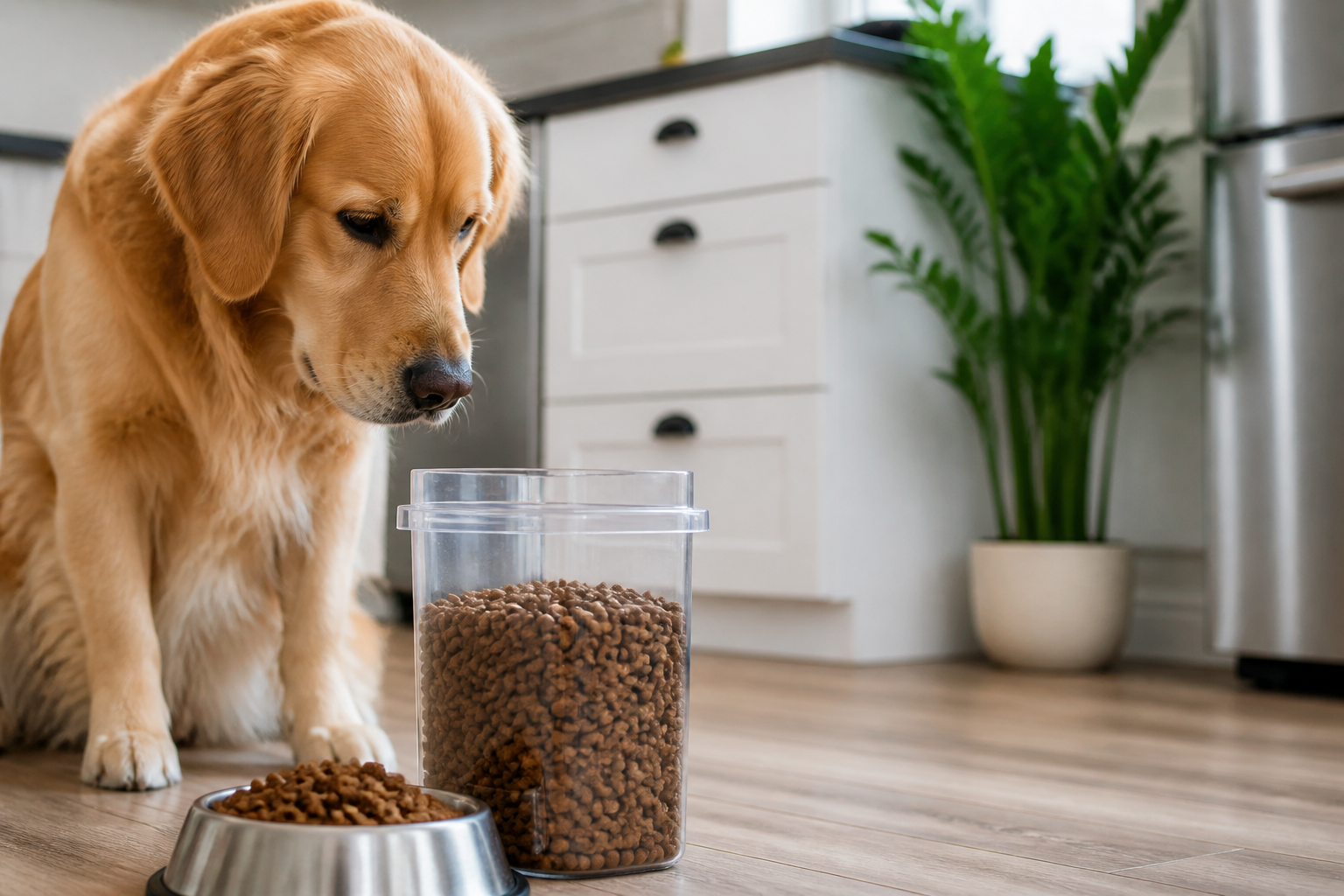
You are likely standing in your kitchen or a storage room with a large bag of kibble in one hand and a plastic storage bin in the other. Perhaps you are trying to figure out if that 40 pound bag of high protein food will actually fit into the new container you just bought. It is a common puzzle for dog owners who want to keep their pet's area organized and their food fresh. At BaxterBoo, we help pet parents solve these everyday logistics every day in our Vernon Hills warehouse. This guide will explain the conversion between weight and volume for dry dog food and help you choose the right storage solutions. We will cover how kibble size impacts density and why proper storage is vital for your dog's health. By the end, you will know exactly how much space you need for your next bulk order.
Quick Answer: On average, one gallon of standard dry dog food weighs between 4 and 5 pounds. This means a standard 5 gallon bucket will typically hold between 20 and 25 pounds of kibble, though smaller kibble shapes may pack more tightly and reach up to 30 pounds.
The Science of Kibble Density and Volume
The first thing to understand is that gallons measure volume, while pounds measure weight. These two units do not have a fixed conversion rate because dog food varies significantly in density. If you filled a gallon jug with water, it would weigh about 8.3 pounds. Dry dog food is much lighter because it is porous and leaves air gaps between the pieces.
Most standard adult maintenance kibbles have a density that places them right around the 4 pound per gallon mark. However, this is not a universal rule. If you feed a lightweight, air puffed "lite" or weight management diet, a gallon might only weigh 3 or 3.5 pounds. Conversely, a very dense, high fat puppy food or an air dried recipe might weigh closer to 5.5 pounds per gallon.
Why Kibble Shape Matters
The physical shape of the food changes how many pieces can fit into a specific space. Round or spherical kibbles tend to have more uniform air gaps. Star shaped, X shaped, or large triangular pieces often create more "dead space" in a container. This is why a 30 pound bag of a large breed formula like Royal Canin might require a much larger bin than a 30 pound bag of small breed kibble.
The Role of Moisture and Fat Content
Ingredients also play a part in weight. Foods with a higher fat content often have a higher density. The oils fill some of the porous holes in the baked biscuit. Some premium brands we carry, such as Stella and Chewy's or Open Farm, use different baking or freeze drying processes that affect the final weight of the product compared to its volume.
Key Takeaway: Always estimate on the side of having more room than you think you need. A good rule of thumb is to allow for 1 gallon of storage space for every 4 pounds of dog food.
Choosing the Right Storage Container
Once you know the math, you can select the right size bin. Many owners prefer the classic 5 gallon bucket because it is affordable and easy to find. Based on our 4 pound per gallon average, a 5 gallon bucket should hold about 20 pounds of food. In practice, many owners find they can squeeze a 25 pound bag into one of these buckets if the kibble is small.
If you buy the larger 40 or 50 pound bags, you will need a container with at least a 10 to 12 gallon capacity. Using multiple smaller containers can sometimes be better for freshness, as you are only exposing a small amount of food to the air at a time. For storage accessories, browse our dog food storage collection.
Food Safe Plastics and Materials
Not all plastic bins are created equal. You should always look for containers labeled as food safe or BPA free. Standard utility buckets from a hardware store can sometimes leach chemicals into the food, especially if the food has a high oil content. The oils in the kibble can act as a solvent, drawing out plastic smells and chemicals that could be harmful over time.
Airtight Seals are Essential
The most important feature of any dog food bin is the seal. Oxygen is the enemy of kibble. Once a bag is opened, the fats in the food begin to oxidize and turn rancid. An airtight seal prevents this process and keeps the food smelling and tasting fresh for your dog. It also prevents pests like ants, weevils, and rodents from finding a free meal.
Vet Tip: If your dog suddenly stops eating or seems pickier than usual, check the freshness of your food. Rancid oils can cause stomach upset and the smell may turn a dog off their meal long before you notice a change.
Best Practices for Storing Dry Dog Food
Many people make the mistake of pouring the food directly into the plastic bin. While this looks tidy, it is actually not the best way to maintain quality. The best method is to place the entire bag inside the storage container. For more freshness guidance, read how long dry dog food stays good.
The Bag In Bin Method
Keeping the food in its original bag provides an extra barrier against oxygen and moisture. Most high quality dog food bags are designed with specialized liners to keep the contents fresh. Additionally, keeping the bag means you always have the lot code and expiration date handy. This is critical information to have in the unlikely event of a product recall.
Cleaning Your Containers
If you do choose to pour the food directly into the bin, you must wash the container thoroughly between every single bag. The fats and oils from the previous bag will stick to the walls of the bin. If you pour fresh food on top of those old oils, they will contaminate the new batch and cause it to spoil much faster. Use warm, soapy water and ensure the bin is completely dry before refilling.
Step 1: Empty the container completely. Never "top off" a half empty bin with new food, as the old food at the bottom will continue to age and eventually spoil. Step 2: Wash with a mild, scent free dish soap. Avoid harsh chemicals that could leave a residue. Step 3: Air dry the bin in a well ventilated area until it is 100 percent dry. Any trapped moisture will lead to mold growth in the new food.
Bottom line: Storing the original bag inside an airtight container is the safest and cleanest way to manage your dog's meals.
How Measurement Impacts Health and Weight
Understanding the weight and volume of your dog's food is not just about storage. It is also about health. Many owners use a coffee mug or a generic scoop to measure out meals. However, because densities vary, a "cup" of one brand might have 100 more calories than a "cup" of another brand. For a deeper look at volume and weight, read how much a cup of dry dog food weighs.
Using a Kitchen Scale
For the most accurate feeding, we recommend using a digital kitchen scale. Measuring by weight in grams or ounces ensures your dog gets the exact amount of nutrition they need. This prevents the slow weight gain that often happens when a scoop is just a little bit too full every morning.
Managing Weight for Senior Dogs
As dogs age, their metabolism slows down. A senior dog may need fewer calories even if they seem just as hungry as they were in their youth. If you notice your dog is gaining weight, it might be time to look at a weight management formula. We carry several options, such as Farmina Vet Life, designed specifically for calorie control.
If your dog has a medical condition that requires a specific diet, our pet pharmacy is a great resource. Through our partnership with Pet's Choice, we provide FDA approved prescription pet foods for weight management, kidney health, and more. Always consult your veterinarian before switching to a prescription diet or if you notice significant changes in your dog's weight.
Managing Bulk Purchases with BaxterBoo
Buying dog food in bulk is a great way to save money and ensure you never run out of supplies. Brands like NutriSource and Acana often offer better value in their larger bag sizes. When you know how many gallons of storage you have, you can confidently buy the largest bag your space allows. This guide to calculating cups in a large bag of dry dog food can also help with planning.
The Frequent Buyer Program
At BaxterBoo, we want to reward you for staying consistent with your dog's nutrition. Many of the premium brands we carry participate in our Frequent Buyer Program. This allows you to earn free bags of food over time. It is a simple way to get more value out of the brands you already trust.
Savings with Autoship
If you want to take the guesswork out of your shopping, our Autoship programme is a perfect fit. You can schedule your deliveries based on how quickly your dog goes through a bag. This ensures a fresh bag arrives just as your storage bin is getting low. Plus, Autoship customers receive a free MVP Gold membership, which offers additional savings and rewards on every purchase.
Key Takeaway: Using weight based feeding and scheduled deliveries helps maintain your dog's ideal body condition while keeping your pantry organized.
Common Storage Mistakes to Avoid
Even with the right container, environmental factors can ruin a good bag of food. Heat and humidity are the primary triggers for spoilage. For additional storage advice, see tips for keeping dry dog food fresh.
Temperature Control
Never store your dog food in a garage or an outdoor shed. The temperature fluctuations in these areas can cause condensation inside the bag or bin. This moisture leads to mold, which can be toxic to dogs. High heat also speeds up the breakdown of vitamins and minerals, making the food less nutritious. Keep your storage bin in a cool, dry place inside your home, such as a pantry or a climate controlled closet.
Direct Sunlight
Sunlight can also degrade food quality. If you use clear plastic bins, make sure they are stored inside a dark cupboard. Light exposure can break down certain antioxidants and fats in the kibble. Solid colored bins or the original bags are better at protecting the food from light damage.
Moisture Issues
If you live in a high humidity area, consider adding a food safe desiccant pack to your storage bin. This can help absorb any stray moisture that enters the container when you open it for daily feedings. Always ensure your hands and the measuring scoop are completely dry before touching the food.
- Check for "BPA-Free" and "Food-Safe" labels on all plastic bins.
- Avoid utility buckets from hardware stores unless specifically rated for food.
- Keep the container off the floor in damp basements to prevent moisture wicking.
- Inspect the seal's rubber gasket regularly for cracks or wear.
Planning for Multi-Pet Households
If you have multiple dogs, or perhaps a dog and a cat, the storage logistics get more complicated. It can be tempting to use one giant bin for all your pets, but this is rarely a good idea.
Preventing Cross-Contamination
Dogs and cats have different nutritional requirements. Cat food is much higher in taurine and protein, while dog food lacks the specific balance a cat needs to thrive. Storing them in separate, clearly labeled containers prevents accidental feeding errors. It also helps if one pet has an allergy to an ingredient found in the other pet's food.
Inventory Rotation
In a busy household, it is easy to forget which bag was bought first. We recommend using a simple "first in, first out" system. Always finish the oldest food before opening a new bag. If you have a large storage area, place the newest bags at the back and bring the older ones to the front. This simple habit ensures your pets are always eating the freshest possible kibble.
Bottom line: Proper organization and rotation are the keys to managing a multi-pet pantry without waste or confusion.
Summary of Storage Mathematics
To recap the basic math for your next shopping trip:
- 1 Gallon = Approx. 4 pounds of kibble.
- 5 Gallon Bucket = Approx. 20 to 25 pounds of kibble.
- 10 Gallon Bin = Approx. 40 to 45 pounds of kibble.
- 15 Gallon Bin = Approx. 60 pounds of kibble.
Remember that these are estimates. If you are buying a brand with very small kibble, like a toy breed formula, you will get more weight per gallon. If you are buying a "grain free" or "high fiber" formula with larger, airier pieces, you will get less weight per gallon.
We have been helping pet owners since 2006, and we know that the right gear makes pet parenting much easier. Whether you need a new airtight container, a precise measuring scale, or a high quality bag of food from brands like Orijen or Fromm, we are here to help.
Our pharmacy is also available for those times when your dog needs more than just standard nutrition. From flea and tick protection like NexGard to prescription diets through our Pet's Choice partnership, we provide the medical essentials your dog needs to stay healthy and happy.
If you are a new customer, do not forget that you can get a 10 dollar reward on your first order of 39 dollars or more when you sign in at checkout. It is a great way to start your journey with us and ensure your dog is getting the best care possible.
FAQ
Is it better to store dog food in plastic or metal containers?
Food safe plastic with an airtight seal is generally the best option for most homes because it is lightweight and easy to clean. Metal containers can be good for preventing rodents from chewing through the bin, but you must ensure the metal is stainless or galvanized and specifically rated for food to prevent rust or metallic odors from leaching into the kibble.
Can I freeze dry dog food to keep it fresh longer?
Freezing dry dog food can extend its shelf life, but it must be done carefully. You should freeze it in small, airtight portions to prevent freezer burn. When you take the food out, let it reach room temperature before opening the bag to prevent condensation from forming on the kibble, which can lead to mold.
How long does dry dog food stay fresh in a storage bin?
If stored in an airtight container in a cool, dry place, most dry dog food will stay fresh for about six weeks after the bag is opened. After this point, the nutritional quality begins to decline and the fats may start to oxidize. If you cannot finish a bag within two months, consider buying a smaller bag size next time.
Why does my dog food bin smell bad even when it is empty?
The smell is likely caused by old fats and oils that have seeped into the plastic over time. If a standard wash does not work, try cleaning the bin with a mixture of water and white vinegar or a paste made of baking soda. If the smell persists, the plastic may have degraded, and it might be time to replace the container to ensure your dog's food stays appetizing.






