
 Save 15% on your 1st Autoship learn more

 Email us
 Live Chat
 FAQs
FAQs





Introduction
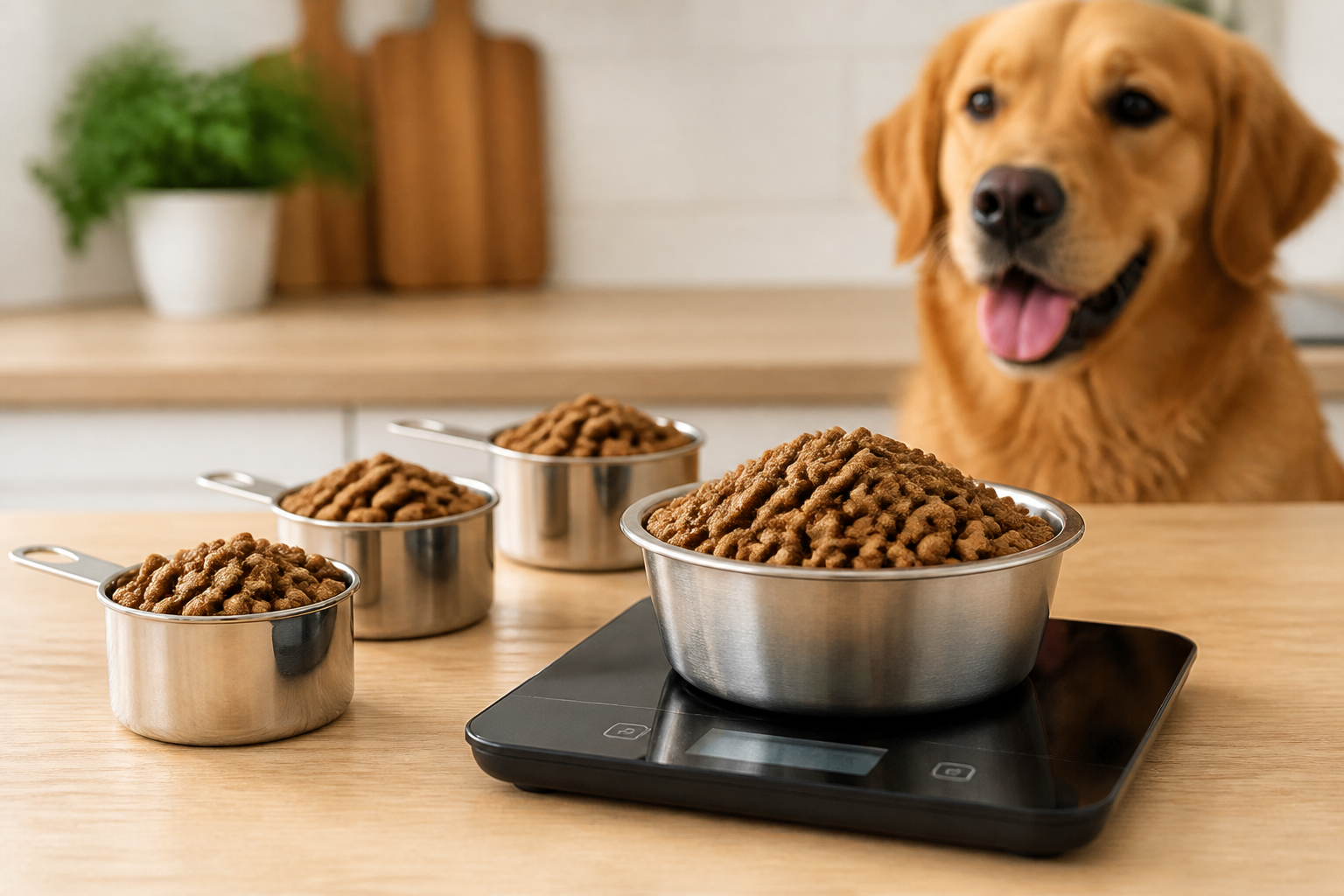
You stand over the dog bowl with a plastic scoop in hand. The bag of kibble says to feed three cups per day. You might wonder if your "cup" matches the manufacturer's version. This is a common moment of doubt for many pet owners. At BaxterBoo, we talk to customers every day who want to get nutrition exactly right. Knowing how much three cups of dry dog food weighs is more than just a math problem. It is about ensuring your dog gets the right amount of energy without accidental overfeeding. The weight of three cups changes based on kibble size, shape, and density. If you want to compare options while you read, our dry dog food category is a good place to start. This article explores why weight is a better measurement than volume and how to get it right every time.
The Short Answer: Weight Varies by Brand
There is no single weight for three cups of dry dog food. This is because different brands use different ingredients and cooking methods. On average, one standard level cup of dry kibble weighs between 3.5 and 5 ounces. This means three cups will usually weigh between 10.5 and 15 ounces. In grams, one cup is often around 100 to 140 grams. Therefore, three cups usually weigh between 300 and 420 grams.
These numbers are only estimates. Some specialty foods are much heavier or lighter. For example, air-dried foods like Ziwi Peak are very dense. If you want a broader conversion reference, our guide to how many grams are in a cup of dry dog food covers the same idea in more detail. A single cup of air-dried food weighs significantly more than a cup of puffed, extruded kibble. If you switch brands but keep using the same scoop, you might be feeding 20 percent more or less than you realize.
Quick Answer: Three cups of standard dry dog food typically weigh between 10.5 and 15 ounces (300 to 420 grams). The exact weight depends on the brand, kibble size, and density of the ingredients.
Why Volume Is a Guessing Game
Measuring by volume is convenient, but it is rarely precise. Think about a container filled with golf balls versus one filled with sand. Both might fill a one-cup container, but the sand is much heavier. Kibble works the same way. Large, heart-shaped kibble has more air gaps in the cup. Small, round pellets pack tightly together.
Another issue is the "heaping" scoop. A scoop that is slightly rounded at the top can add 10 to 15 percent more food to the bowl. Over a month, those extra kibbles add up to thousands of calories. This is why many veterinarians prefer measurements in grams or ounces. If you want a related read, our post on how much dry dog food to feed a dog for daily health explains why the same cup can lead to very different feeding totals.
We see this variation across the 500+ brands we carry. A cup of a high-fat performance food is often heavier than a cup of a "lite" or weight management formula. The ingredients themselves have different weights. Meat meals are dense, while grains and fibers can be lighter and more porous.
Typical Weight Ranges for Dry Kibble
To give you a better idea of what to expect, we can look at common categories of dog food. Most adult maintenance diets fall into a predictable range. Performance diets or puppy formulas are often denser because they pack more calories into a smaller space.
- Standard Adult Kibble: 3.5 to 4.0 ounces per cup. Three cups weigh 10.5 to 12 ounces.
- High-Protein / Grain-Free: 4.0 to 4.5 ounces per cup. Three cups weigh 12 to 13.5 ounces.
- Air-Dried or Dehydrated: 5.0+ ounces per cup. Three cups can weigh 15 ounces or more.
- Weight Management: 3.0 to 3.5 ounces per cup. Three cups weigh 9 to 10.5 ounces.
As you can see, the difference between a light weight management food and a dense air-dried food is huge. If you assume all food weighs the same, your dog's caloric intake will be inconsistent. For readers comparing lighter and denser formats, our freeze-dried food collection is a useful place to browse.
Key Takeaway: Using volume alone can lead to a 20 percent margin of error in daily calories. Weighing food is the only way to ensure your dog receives the exact amount listed on the feeding guide.
Factors That Influence Kibble Density
Several manufacturing factors change how much a cup of food weighs. It is not just about the flavor. The way the food is shaped and dried plays a massive role.
The Extrusion Process
Most dry dog food is made through extrusion. The ingredients are mixed into a dough and cooked under pressure. Then they are pushed through a die to create shapes. If the manufacturer uses more steam, the kibble might "puff" more. This makes it lighter. If the kibble is cooked longer at a lower temperature, it might be more compact and heavy. For shoppers comparing brand styles, our selection of Orijen products is a helpful example.
Fat and Moisture Content
Fat is heavier than fiber. Foods with a high percentage of animal fat or oils usually weigh more per cup. Moisture levels also matter. Even "dry" food contains about 10 percent water. If a bag sits open in a humid garage, the kibble can absorb moisture and become heavier.
Kibble Size and Shape
Small breed kibble is designed for tiny mouths. These small pieces leave very little room for air in a measuring cup. Large breed kibble consists of big chunks. These chunks create large air pockets. You might find that three cups of small breed kibble weigh significantly more than three cups of the large breed version from the same brand. If you like to keep feeding on schedule, our Autoship programme can help you stay consistent.
The Difference Between Standard Cups and Kitchen Mugs
One of the biggest mistakes pet owners make is using a "cup" from their kitchen cabinet. A coffee mug is not a standard measuring cup. Most mugs hold 10 to 12 ounces of liquid, but a standard measuring cup is exactly 8 fluid ounces.
Using a random mug to scoop food is a recipe for weight gain. Even if you use a "real" measuring cup, you must use one designed for dry goods. Liquid measuring cups have a pour spout and extra room at the top. This makes it hard to level off the food. Dry measuring cups allow you to scrape a flat edge across the top for a "level" cup. If you prefer a brand you already trust, our selection of Farmina products is easy to compare while you shop.
We recommend using a dedicated pet food scoop with clear measurement lines. Many of the brands we stock, like Kong or RC Pets, offer durable measuring tools. However, even the best scoop cannot account for changes in kibble density.
Why You Should Switch to a Digital Scale
If you want to be precise, a digital kitchen scale is your best friend. It removes all the guesswork. You no longer have to worry about whether the scoop is heaping or level. You simply put the bowl on the scale, hit "tare" to zero it out, and pour until you hit the target weight.
Most high-quality brands like Farmina, Orijen, or Royal Canin list the calorie count in kilocalories per kilogram (kcal/kg). This makes it easy to calculate how many grams your dog needs. If the bag says one cup is 120 grams, you know three cups should weigh 360 grams. If you want more help matching food to your dog's needs, our dog health category is a natural next step.
Step 1: Find the weight-per-cup information. Check the back of your dog food bag for a gram or ounce measurement per cup. Step 2: Place your dog's bowl on a digital scale. Turn the scale on and ensure it is set to the correct unit. Step 3: Zero the scale. Use the "tare" button so the scale does not include the weight of the bowl. Step 4: Pour the food. Stop when the scale reaches the weight equivalent of three cups.
Vet Tip: If your dog is overweight, weighing their food is the most effective way to control their calorie intake. Small errors in volume can stall weight loss progress even on a high-quality diet.
Calculating Calories Based on Weight
Understanding the weight of your dog's food allows you to calculate their actual calorie intake. This is vital for dogs with specific health needs. For example, a senior dog might need fewer calories to avoid putting stress on their joints.
To find the calories in three cups, you first need the weight. Let's say your food has 3,500 kcal/kg.
- One kilogram is 1,000 grams.
- Divide 3,500 by 1,000 to get 3.5 calories per gram.
- If three cups of your food weigh 360 grams, multiply 360 by 3.5.
- Your dog is eating 1,260 calories per day.
This level of detail helps you adjust feeding based on activity. If you go on a long hike, you might add 20 grams. If it is a rainy day and your dog sleeps more, you might take 10 grams away. If you are also trying to stretch your pet budget, our MVP Rewards programme is worth checking out.
Health Risks of Measuring Errors
Inaccurate feeding is one of the leading causes of pet obesity in the United States. It only takes a few extra kibbles a day to cause a dog to gain weight over a year. Obesity leads to serious health complications.
- Joint Issues: Extra weight puts pressure on the hips and knees. This is especially dangerous for breeds prone to hip dysplasia.
- Diabetes: Overweight dogs are at a higher risk for insulin resistance.
- Heart Disease: The heart has to work harder to pump blood through a larger body.
- Reduced Lifespan: Studies show that lean dogs live significantly longer than overweight dogs.
We carry many mobility aids and supplements in our Medical and Mobility section to help dogs struggling with these issues. However, prevention starts at the food bowl. Measuring by weight ensures your dog stays at an ideal body condition score. If you want another practical nutrition read, our guide to how long dry dog food stays fresh once opened is a useful companion piece.
Bottom line: Weighing three cups of food instead of scooping them by eye can prevent the gradual weight gain that leads to chronic health problems.
Managing Weight Through Nutrition and Care
If you find that your dog has already gained weight, measuring accurately is the first step toward health. You may also need to look at the type of food you are feeding. Some dogs do better on a prescription diet or a calorie-restricted formula.
Our pet pharmacy offers prescription pet foods and medication options. Brands like Farmina Vet Life offer specialized weight management diets that are formulated to keep dogs feeling full while consuming fewer calories. These diets often require a prescription from your veterinarian.
If you are managing a chronic condition like diabetes or severe joint pain alongside weight issues, our pharmacy can help with ongoing medication needs. This hybrid model allows you to get your premium kibble and your vet-prescribed items in one place.
Tips for Long-Term Feeding Success
Consistency is the key to a healthy dog. It is not just about what is in the bowl, but how it gets there. We recommend a few simple habits to keep your feeding routine accurate.
- Use the Same Scale: Different scales can have slight calibrations. Stick to one for consistency.
- Assign One "Feeder": If multiple people feed the dog, they might scoop differently. Having one person manage the scale reduces errors.
- Check the Label Often: Manufacturers sometimes change their formulas. This can change the density and weight of the kibble.
- Store Food Properly: Keep food in its original bag inside an airtight container. This prevents moisture from changing the weight and keeps the food fresh.
Our selection of Stella & Chewy's products is a good place to look if you are comparing premium options for your dog. You can set your food to arrive right as you are running out. This ensures you never have to guess with a different brand from the grocery store because you ran out of your dog's regular diet.
Key Takeaway: Accurate measuring works best when combined with high-quality ingredients and a consistent feeding schedule.
Transitioning to Weighing Your Food
If you have always used a scoop, switching to a scale might feel like an extra chore. However, it only takes a few extra seconds. Most owners find it becomes second nature within a week.
- Find the "Gold Standard": For one week, weigh the food while you scoop. See how much your "cup" actually weighs on average.
- Compare to the Bag: Look at the weight the manufacturer recommends. You might be surprised to see you have been overfeeding by half a cup or more.
- Adjust Gradually: If you realize you have been feeding too much, do not cut the portion in half overnight. Reduce the weight by 5 to 10 percent each week until you reach the target.
- Monitor Your Dog: Watch your dog's energy levels and body shape. You should be able to feel their ribs easily without a thick layer of fat over them.
At BaxterBoo, we want to help you make these transitions easier. Whether you need a new digital scale, a better storage container, or a high-protein food like Stella and Chewy's, we have the gear to support your goals. We have been operating since 2006 and carry over 500 trusted brands to ensure you find exactly what your dog needs. If you want to keep learning, our freshness guide for dry dog food is a helpful next read.
FAQ
Why does the same brand of dog food sometimes weigh different amounts per cup?
Dry dog food density can change based on the batch or the age of the food. If the kibble is exposed to humidity, it may absorb moisture and become heavier. Small changes in the manufacturing temperature can also make the kibble more or less "puffed," which changes how many pieces fit into a one-cup measure.
Can I just use a regular 8-ounce measuring cup for my dog's food?
While a standard dry measuring cup is much better than a coffee mug, it is still not as accurate as a scale. Kibble size and air pockets make it difficult to get a consistent weight every time you scoop. A scale measures the mass of the food, which is the only way to be 100 percent sure about the calorie count.
How do I find out how many grams are in a cup of my dog's food?
Most premium dog food bags list the weight per cup in grams or ounces near the feeding chart or the calorie statement. If it is not on the bag, you can check the manufacturer's website or contact them directly. You can also weigh a level cup on your own scale three or four times and take the average.
Does the weight of the food change if I add water or toppers?
Yes, adding water or wet food toppers will significantly increase the weight on the scale but will not necessarily add a lot of calories unless the topper is very dense. If you use toppers, you should weigh the dry kibble first, zero the scale, and then add your topper. This ensures you are still tracking the base calories of the meal accurately.






