
 Save 15% on your 1st Autoship learn more

 Email us
 Live Chat
 FAQs
FAQs





Introduction
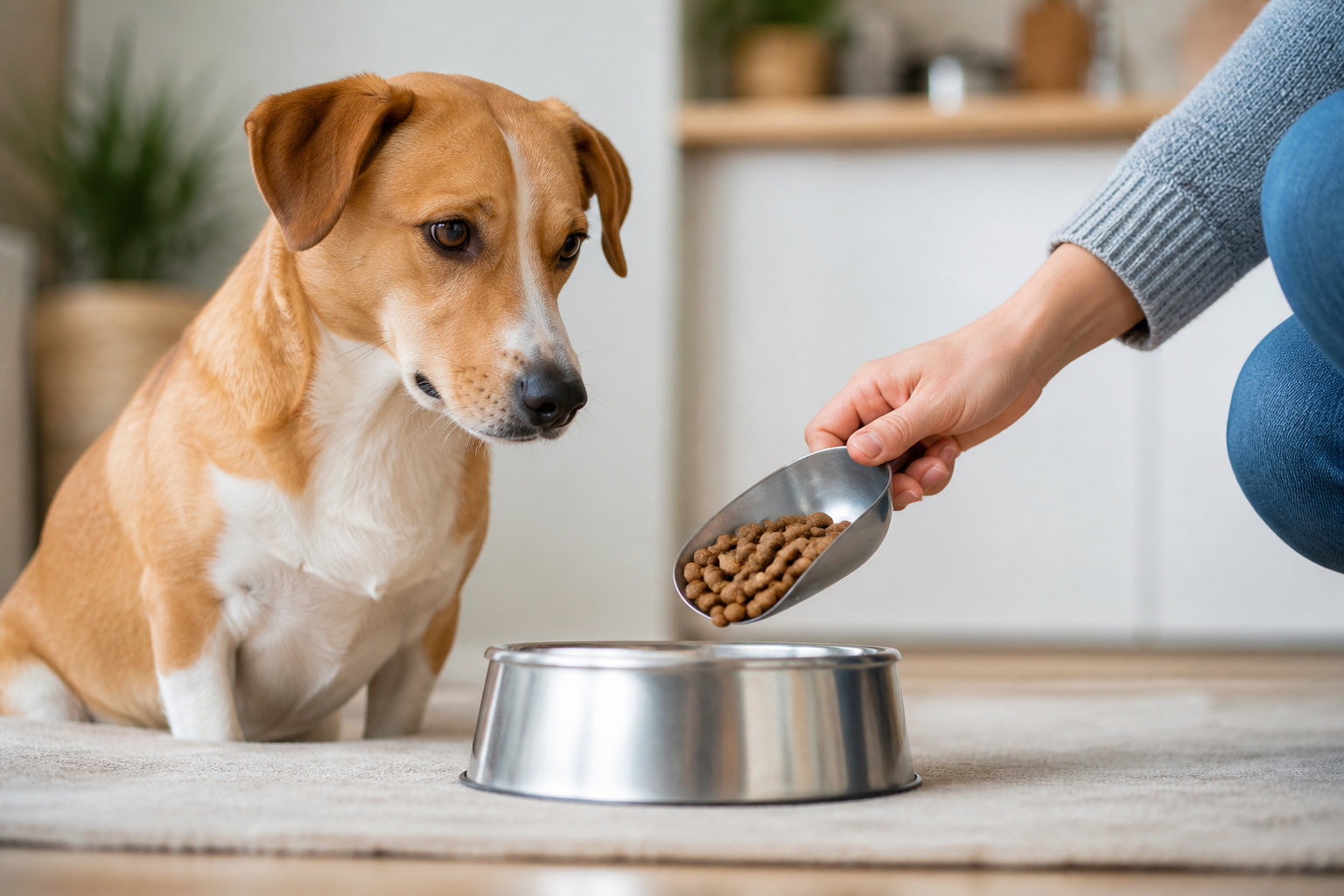
You stand in the kitchen with a measuring scoop in one hand and your 20 pound dog watching every move. You want to make sure the bowl is full enough to keep them healthy but not so full that they start putting on unnecessary weight. At BaxterBoo, we talk to owners every day who are trying to find that perfect balance for their small to medium sized companions. A dog at this weight often falls into a tricky category. They are larger than a tiny toy breed but smaller than a standard medium dog. This article covers caloric needs, how to read feeding charts, and the factors that might change your dog’s daily portion. We will help you understand exactly what goes into a healthy meal plan for your 20 pound dog.
Quick Answer: A typical 20 pound adult dog requires between 1 and 1.33 cups of dry food per day. This estimate assumes a standard kibble density of about 350 to 400 calories per cup.
Factors That Influence Your Dog's Daily Portion
No two dogs are exactly alike, even if they both weigh 20 pounds. When we look at the bags of food in our warehouse, the charts provided by the manufacturers are just starting points. They are based on a "typical" adult dog with average activity. You must adjust these numbers based on several personal factors.
Age and Life Stage
Puppies are in a rapid growth phase. Their bodies require significantly more energy, protein, and minerals to build bone and muscle. A 20 pound puppy may need nearly double the food of a 20 pound senior dog. Conversely, senior dogs often have slower metabolisms. They may also be less active due to joint stiffness. We often suggest senior-specific formulas that have fewer calories but higher levels of joint support.
Activity Level and Lifestyle
A 20 pound dog that spends all day hiking or playing fetch burns calories much faster than a dog that prefers napping on the sofa. If your dog is a working dog or an athlete, their caloric needs will be on the high end of the scale. If they are mostly indoors and only take short walks, you will need to scale back to prevent weight gain.
Spay and Neuter Status
It is a common observation in the veterinary community that spaying or neutering can slightly slow a dog’s metabolism. Hormonal changes mean your pet might not need as many calories as they did before the procedure. If your dog was recently fixed, keep a close eye on their waistline. You might need to reduce their portion by 10 percent to maintain their current weight.
Vet Tip: Always consult your veterinarian before making significant changes to your dog's diet, especially if they have underlying health conditions. They can provide a specific calorie target tailored to your dog’s Body Condition Score.
Understanding Caloric Density
Not all dry dog foods are created equal. One cup of a high-protein, grain-free kibble might contain 450 calories. A weight management formula might only have 300 calories per cup. This is why the question of how many cups to feed can be confusing.
At BaxterBoo, we carry brands like NutriSource, Farmina, and Open Farm. Each of these has a different nutritional profile. When you look at the back of the bag, look for the "kcal/kg" or "kcal/cup" measurement. This tells you the energy density of the food. If you switch from a calorie-dense food to a lighter one, you will likely need to increase the volume of food to keep your dog satisfied. You can compare formulas in our dog food category while checking the calorie information on each label.
Reading the Feeding Chart
Feeding charts on dog food bags are usually organized by the dog's weight. For a 20 pound dog, you will often see a range, such as 1 to 1.5 cups.
- If your dog is slightly overweight, use the lower end of the range.
- If your dog is very active, use the higher end of the range.
- If your dog is at their ideal weight, start in the middle.
Key Takeaway: The feeding guide on the bag is a recommendation for the total amount per day, not per meal. If you feed your dog twice a day, you must divide that number in half.
Monitoring Your Dog's Weight
Weight management is critical for a 20 pound dog. Because they are relatively small, even a single pound of weight gain is significant. It is equivalent to a 150 pound human gaining nearly 8 pounds. Carrying extra weight puts stress on their joints, heart, and lungs. For more portion-planning guidance, read how many cups of dry dog food to feed per day.
The Body Condition Score
Veterinarians use a 9 point scale to assess a dog’s physical shape. You can do a simple version of this at home.
- The Rib Test: You should be able to feel your dog's ribs easily under a thin layer of fat. If you have to press hard to find them, your dog is likely overweight.
- The Waist View: Look down at your dog from above. They should have a visible waistline that tucks in behind the ribs.
- The Profile View: Look at your dog from the side. Their abdomen should tuck up toward the hind legs rather than hanging low.
Adjusting the Bowl
If you notice your dog losing that tuck or if their ribs are becoming harder to feel, it is time to adjust. Start by reducing the daily portion by 10 percent. Wait two weeks and check again. Weight loss should be slow and steady. If you need a more structured plan, our pharmacy for dogs carries prescription weight management diets through our partnership with Pet's Choice. These diets are specifically formulated to help dogs feel full while consuming fewer calories.
The Role of Treats in Daily Nutrition
It is easy to forget that treats have calories too. If you are training a new dog or just like to spoil your pet, those extra bites add up quickly. We generally recommend the 10 percent rule. No more than 10 percent of your dog’s daily calories should come from treats.
If you give your dog a large dental chew or a high-calorie biscuit, you should reduce their dinner portion accordingly. For 20 pound dogs, we often recommend small training treats or pieces of fresh vegetables like green beans or carrots. These provide the crunch dogs love without the heavy caloric load. Explore our dog treats category for additional reward options.
- Check the calorie count on your treat bag.
- Use small treats for repetitive training.
- Subtract treat calories from the daily kibble total.
- Avoid high-fat table scraps.
Measuring Accuracy Matters
Many owners use a coffee mug or a generic plastic scoop to measure food. These are rarely accurate. A "cup" in a recipe or on a dog food bag refers to a standard 8 ounce measuring cup. If your scoop is larger than a standard cup, you could be overfeeding your dog by 20 percent or more every single day. For additional measuring guidance, see how much a cup of dry dog food weighs.
To be truly precise, many experts recommend using a kitchen scale. Most dog food bags list the weight of a cup in grams. Weighing the food ensures that your dog gets the exact same amount of nutrition every time, regardless of how the kibble settles in the scoop.
Step-by-Step Transition
If you find that you need to change your dog’s food or significantly adjust the amount, do it slowly.
Step 1: Mix 25% of the new amount or new food with 75% of the old. / Do this for two to three days.
Step 2: Move to a 50/50 split. / Observe your dog for any signs of digestive upset or changes in energy.
Step 3: Mix 75% of the new amount with 25% of the old. / Ensure their stool remains firm and they are eating eagerly.
Step 4: Transition to 100% of the new portion or food. / This slow process helps the digestive system adjust to new nutrient levels.
Managing Special Health Needs
Some 20 pound dogs have health conditions that change how they process food. Chronic issues like diabetes, kidney disease, or food allergies require a very specific feeding plan. In these cases, the general guidelines for a 20 pound dog no longer apply.
For example, a dog with kidney issues may need a diet lower in phosphorus and protein. A dog with severe allergies might require a hydrolyzed protein diet. BaxterBoo provides access to these specialized prescription foods through our pharmacy partnership with Pet's Choice. These products are FDA-approved and require a prescription from your veterinarian to ensure your dog is getting exactly what their body needs.
Vet Tip: If your dog suddenly loses interest in food or shows a drastic change in weight without a change in diet, schedule a vet visit immediately. This can be a sign of an underlying medical issue.
Specific Brand Guidelines
Because we carry over 500 brands, we see a wide variety of feeding recommendations. A 20 pound dog eating a premium, high-density food like Ziwipeak or Stella and Chewy's will eat much less by volume than a dog eating a standard grocery store brand.
High-quality brands often use more meat and fewer fillers. This means the nutrients are more bioavailable. Your dog absorbs more of what they eat, which often results in smaller, firmer stools and the need for smaller portions. Brands like Royal Canin also offer size-specific formulas. Their "Mini" or "Medium" ranges are often perfect for the 20 pound dog, as the kibble size is designed for their jaw structure.
Standard Feeding Estimates for a 20 Pound Adult Dog
| Food Calorie Density | Estimated Cups Per Day |
|---|---|
| Low (300 kcal/cup) | 1.5 - 1.75 cups |
| Standard (375 kcal/cup) | 1.25 - 1.5 cups |
| High (450 kcal/cup) | 0.75 - 1 cup |
Bottom line: The better the quality of the food, the less you generally need to feed.
Hydration and Dry Food
Dry kibble only contains about 10 percent moisture. When a dog eats dry food, they need to drink plenty of water to help with digestion. Always ensure your dog has access to fresh, clean water. Some owners like to add a splash of warm water or low-sodium broth to the kibble. This can make the food more aromatic for picky eaters and provides a little extra hydration. For more ideas, read what you can add to dry dog food.
If your dog has urinary issues or tends to get dehydrated, you might even consider a "mixed feeding" approach. This involves replacing a portion of the dry food with wet food. Just remember to balance the calories. One 13 ounce can of wet food is often equivalent to about one cup of dry food, but you must check the specific labels to be sure. You can learn more from this guide to mixing wet and dry dog food.
Seasonal Adjustments
Believe it or not, the weather can affect how much your 20 pound dog should eat. In the winter, dogs that spend time outside may burn more calories just to keep their body temperature stable. In the summer, heat often leads to lower activity levels. You might find that your dog is less hungry when it is hot outside.
Pay attention to these natural fluctuations. You do not have to stick to the exact same measurement every day of the year. If your dog is less active during a rainy week, it is okay to trim their portion slightly. Being a proactive owner means observing these small changes and reacting before they lead to weight gain or loss.
Using Technology for Precision
If you have a busy schedule, an automatic feeder can be a great way to ensure your dog gets fed the right amount at the right time. Many of these devices allow you to program specific portion sizes down to the fraction of a cup. This removes the human error of "over-scooping" and helps maintain a consistent routine.
Routine is very important for dogs. It helps regulate their digestive system and can even reduce anxiety. If your dog knows exactly when dinner is coming, they are less likely to beg for scraps throughout the day. If you use an automatic feeder, still make sure to check the hopper regularly to ensure the food is fresh and the mechanism is clean.
The BaxterBoo Approach to Nutrition
Since 2006, we have focused on providing expertly curated products. We do not just stock whatever is popular. We pick brands that we would feed to our own pets. Whether you are visiting our warehouse in Vernon Hills or ordering online for home delivery, you are getting products handpicked by people who care.
We also know that managing a pet’s health can be expensive. That is why we offer programs like MVP Rewards, where you can earn up to 5% back on your purchases. Our Autoship programme is another great way to save. It ensures you never run out of your dog’s favorite kibble while giving you savings on every recurring order. When you combine these savings with the expertise of our pharmacy, you have a complete support system for your pet's nutritional journey.
Key Takeaway: Proper feeding is a combination of high-quality ingredients, accurate measurements, and consistent monitoring of your dog's physical condition.
Conclusion
Feeding your 20 pound dog the right amount is one of the most effective ways to ensure they live a long, healthy life. By starting with the guidelines on the bag and adjusting for age, activity, and health, you can find the perfect daily portion. Remember to keep treats to a minimum and use a standard measuring cup or scale for accuracy. If your dog has specific medical needs, our pet pharmacy is here to help with prescription diets and medications. Keep a close eye on their body condition, and do not be afraid to make small adjustments as they age.
- Start with a standard measurement of 1 to 1.33 cups daily.
- Adjust for activity level and life stage.
- Use the Body Condition Score to monitor fat levels.
- Factor treats into the total daily calorie count.
- Consult your vet for personalized caloric targets.
Bottom line: A healthy 20 pound dog should have a visible waist and ribs that are easy to feel, supported by a consistent and measured diet of high-quality dry food.
FAQ
How many calories does a 20 lb dog need daily?
On average, a healthy adult dog weighing 20 pounds needs between 400 and 600 calories per day. This number can vary significantly based on whether the dog is intact, neutered, highly active, or sedentary. Senior dogs and those with slower metabolisms will likely fall on the lower end of this range, while active young adults will need more.
Is 1 cup of dry food enough for a 20 lb dog?
For many 20 pound dogs, 1 cup of high-quality, calorie-dense dry food is sufficient for the entire day. However, if the food is lower in calories or if the dog is very active, they may require up to 1.5 cups. Always check the caloric density (kcal/cup) on your specific bag of food to determine if 1 cup meets your dog's energy requirements.
Should I feed my 20 lb dog once or twice a day?
Most veterinarians recommend feeding adult dogs twice a day, typically once in the morning and once in the evening. This helps maintain steady blood sugar levels and prevents the dog from becoming overly hungry, which can lead to begging or digestive upset. If you have a puppy, they may require three or four smaller meals to support their rapid growth.
Does my 20 lb dog need a specific "small breed" food?
While not strictly necessary, small breed formulas are often beneficial for 20 pound dogs because the kibble size is smaller and easier to chew. These formulas are also typically designed with the higher metabolic rates of smaller dogs in mind. Many premium brands we carry, like Royal Canin or Farmina, offer excellent small-breed options that provide balanced nutrition tailored to their specific needs.






