
 Save 15% on your 1st Autoship learn more

 Email us
 Live Chat
 FAQs
FAQs





Introduction
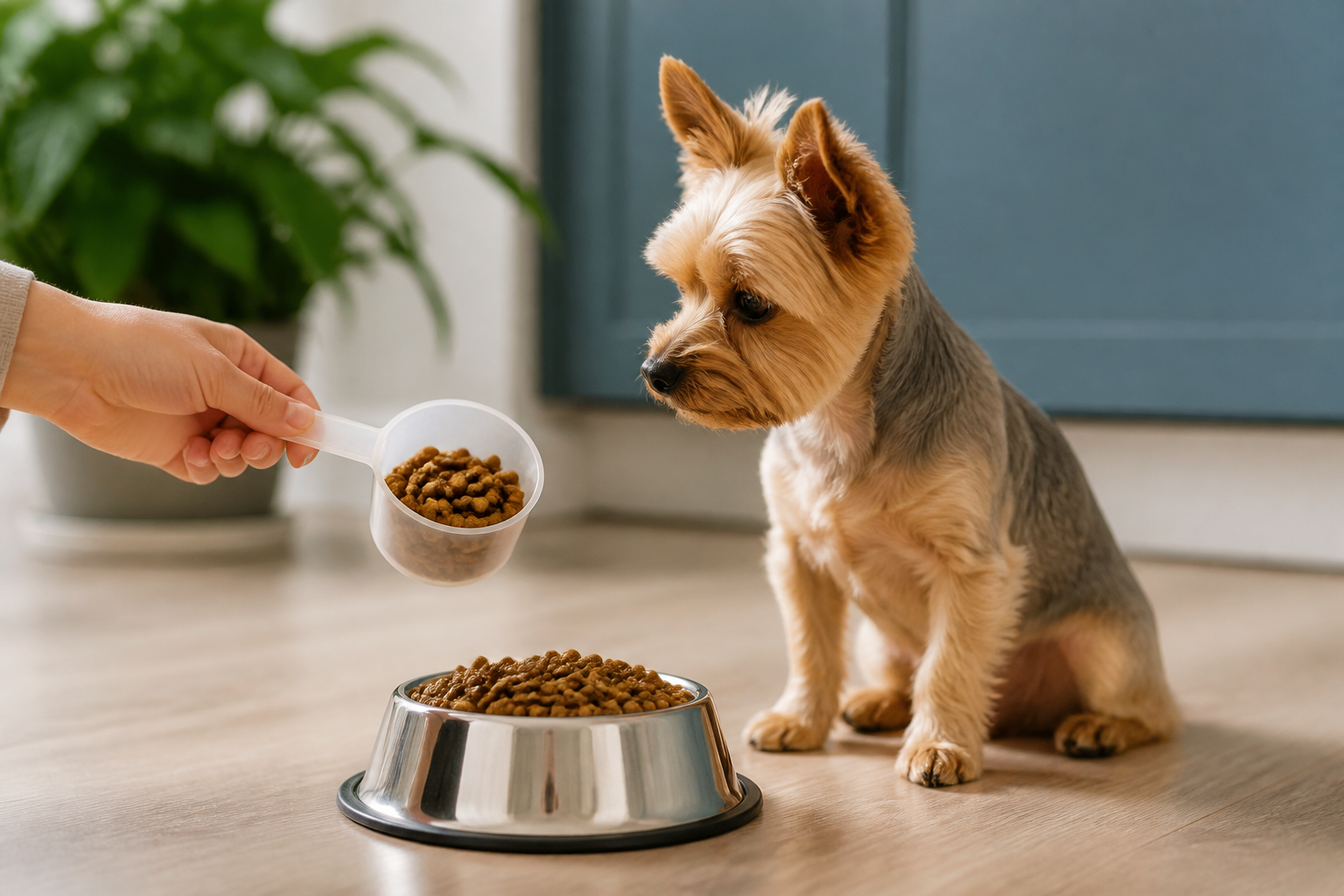
You are standing in the kitchen with a standard measuring cup in one hand and a bag of kibble in the other. Your 10 pound dog is looking up with expectant, hungry eyes. It is very easy to feel unsure about the exact amount to pour into the bowl. Small dogs have unique metabolic needs that differ significantly from their larger cousins. At BaxterBoo, we know that even a few extra kibbles can make a big difference for a petite pup. This post covers the specific calorie needs, life stage adjustments, and activity levels that determine the right portion for your dog. Finding the perfect balance ensures your companion stays energetic and maintains a healthy weight for years to come.
Quick Answer: A typical 10 pound adult dog needs roughly 3/4 cup of dry dog food per day. This amount varies based on the calorie density of your specific brand and your dog's daily activity level.
Understanding the Baseline for a 10 Pound Dog
The amount of food your dog needs is not just about weight. It is actually about energy. Calories are the measure of that energy. Most 10 pound dogs require between 300 and 400 calories per day to maintain their current weight. However, the volume of food that provides those calories changes from one bag to the next.
If you look at a bag of premium food like Open Farm or Royal Canin, you will see a wide range of calorie counts. One brand might have 350 calories per cup while another has 450 calories. This is why using a standard measuring cup is essential. A common mistake is using a random coffee mug or a plastic scoop from the garden. These often hold much more than eight ounces.
Small dogs have a higher metabolic rate per pound than large dogs. This means they burn through fuel faster. A 10 pound dog needs more calories per pound of body weight than an 80 pound dog. If you underfeed a small dog, they can experience drops in blood sugar. If you overfeed them, the extra weight puts immense pressure on their tiny joints.
Key Factors That Change the Serving Size
Every dog is an individual. The 10 pound weight is just a starting point. Several lifestyle factors will require you to adjust the scoop.
Activity Level
A 10 pound dog that goes for three walks a day needs more fuel than one that spends the afternoon on the sofa. Working dogs or those that participate in agility training have much higher energy demands. If your dog is mostly sedentary, you should aim for the lower end of the feeding guidelines.
Metabolism and Genetics
Some breeds are known for being high energy. A 10 pound Terrier might have a much faster metabolism than a 10 pound Pug. Genetics play a role in how efficiently a dog processes their food. You may find that two dogs of the same weight and breed need slightly different amounts to stay lean.
Spay and Neuter Status
When a dog is spayed or neutered, their hormonal balance shifts. This often results in a slightly slower metabolism. Many veterinarians recommend reducing the daily food portion by about 10 percent after these procedures. Monitoring their body shape during the months following surgery is helpful.
Key Takeaway: Calories are more important than volume. Always check the kcal/cup measurement on your specific bag of food before deciding on a portion size.
Life Stage Adjustments for 10 Pound Dogs
A 10 pound puppy has very different nutritional needs than a 10 pound senior dog. Even though the weight is the same, the internal processes are not.
Feeding a 10 Pound Puppy
Puppies are in a rapid growth phase. They need calorie dense food to support bone and muscle development. If your puppy currently weighs 10 pounds but is expected to grow larger, they will need significantly more food than an adult dog of the same weight. Puppies often need three to four small meals a day to keep their energy levels stable. For more guidance, read our article on how much dry dog food to feed a puppy.
Feeding a 10 Pound Adult
Adult dogs are in a maintenance phase. The goal is to keep them at their ideal weight. Most adult dogs do well with two meals per day. At this stage, you should stick closely to the feeding chart on the bag. Adjust only if you notice a change in their waistline or energy.
Feeding a 10 Pound Senior
As dogs age, they usually become less active. Their metabolism slows down. Senior dogs may benefit from formulas that are lower in calories but higher in joint supports. Brands like NutriSource or Stella and Chewy's offer options specifically for older dogs. You can compare formulas in our dry dog food category.
Vet Tip: If your senior dog is losing weight despite eating the normal amount, consult your veterinarian. Weight loss in older dogs can sometimes indicate underlying health issues that require a professional diagnosis or a specific prescription diet.
How to Read a Dog Food Label Correctly
The feeding chart on the back of the bag is a recommendation, not a rule. These charts are usually based on an average, active adult dog. For additional portion guidance, see our guide to how many cups of dry dog food to feed your dog.
Locate the kcal/kg or kcal/cup
This number tells you how much energy is in the food. If the food is high in fat and protein, it will be more calorie dense. You will feed less of it. If the food has more fillers, it will be less dense. You will have to feed more to reach the same calorie goal.
Check the Weight Bracket
Most charts use ranges like 3 to 12 pounds. For a 10 pound dog, you should look at the top end of that bracket. If the chart says 1/2 to 1 1/4 cups, start right in the middle with 3/4 or 7/8 of a cup.
Divide the Daily Total
The amount listed on the bag is almost always the total for 24 hours. If the bag suggests one cup, and you feed twice a day, give 1/2 cup in the morning and 1/2 cup in the evening.
Small Dog Feeding Checklist
- Use a standard 8 ounce measuring cup.
- Measure the scoop level rather than rounded.
- Note the calorie count (kcal) on the bag.
- Divide the daily total into at least two meals.
- Adjust for daily treats or toppers.
The Role of Treats and Toppers
It is easy to forget that treats have calories too. For a 10 pound dog, one large biscuit can represent 10 percent of their daily intake. This is like a human eating a full size candy bar on top of their meals.
If you use training treats or dental chews, you must reduce the amount of dry food in the bowl. We suggest following the 10 percent rule. Treats should never make up more than 10 percent of your dog's daily calories. If you add wet food or fresh toppers, calculate those calories as well. Even a small piece of cheese or a spoonful of peanut butter can quickly lead to weight gain in a small breed. For more ideas, explore our dog treats collection.
Bottom line: Treat calories count. Deduct the caloric value of snacks from the main meal to prevent gradual weight gain.
Monitoring Your Dog's Weight at Home
The scale is one tool, but the rib test is often better. You should be able to feel your dog's ribs easily without pressing hard. However, you should not be able to see them through the fur. Our guide to practical pet weight management offers another perspective on maintaining a healthy body condition.
The Waistline Check
Look at your dog from above. They should have a visible tuck behind the ribs. If they look like a solid rectangle, they may be carrying extra weight. From the side, the belly should slope upward toward the hind legs.
The Energy Level Test
A well fed dog should be alert and ready to play. If your dog seems lethargic, they might not be getting enough calories. Conversely, if they are gaining weight and slowing down, it might be time to trim the portion.
Transitioning to a New Food
Step 1: Mix 25 percent of the new food with 75 percent of the old food. / Do this for two days to let the stomach adjust.
Step 2: Move to a 50/50 split. / Continue this for another two to three days.
Step 3: Feed 75 percent new food and 25 percent old food. / This helps prevent digestive upset or refusal to eat.
Step 4: Transition to 100 percent of the new food. / Watch for changes in stool or energy during this final phase.
For another approach to changing food textures and routines, read how to switch from dry to wet dog food.
When to Consider Prescription Diets
Sometimes, standard kibble is not enough to manage a specific health concern. If your dog is struggling with chronic obesity, allergies, or kidney issues, a specialized diet might be necessary. At BaxterBoo, we understand that health management is a lifelong commitment.
Our pharmacy carries FDA approved prescription diets for dogs with specific medical needs. Through our partnership with Pet's Choice, we offer a range of therapeutic foods that can help manage weight or support organ function. These diets require a prescription from your veterinarian. If your 10 pound dog has a recurring health condition, talk to your vet about whether a prescription diet from our pharmacy for dogs is the right move.
For broader background on therapeutic nutrition, see our guide to veterinary diet food.
Key Takeaway: Prescription diets are formulated with precise nutrient ratios that are often impossible to find in over the counter foods. They are a vital tool for managing chronic health conditions in small dogs.
Common Myths About Feeding Small Dogs
Many owners believe that small dogs should have food left out all day. This is called free feeding. For a 10 pound dog, this often leads to overeating and boredom eating. Scheduled mealtimes are much better for tracking exactly how much your dog consumes.
Another myth is that small dogs do not need as much protein as large dogs. In reality, high quality protein is essential for maintaining lean muscle in small breeds. Look for foods where a whole meat is the first ingredient. Brands like Farmina or Orijen are excellent choices for protein rich small breed diets.
Finally, some people think that all dry dog food is the same. The quality of ingredients affects how much your dog's body can actually use. Low quality fillers pass through the system as waste. High quality ingredients are absorbed, meaning you can often feed smaller portions of premium food.
Seasonal and Environmental Changes
Did you know that the weather can change how much your dog needs to eat? In the winter, dogs may burn more calories just to stay warm. Even a 10 pound dog that spends most of its time indoors might feel the chill. Conversely, in the heat of summer, many dogs become less active and may need slightly less food.
If your dog spends a lot of time in a climate controlled warehouse or an air conditioned home, their needs stay consistent. However, if you take your 10 pound companion on long summer hikes, you should increase their intake for that day. Always keep fresh water available, as hydration is just as important as calories for metabolic health.
Vet Tip: Sudden changes in appetite can be a sign of dental pain or internal illness. If your 10 pound dog stops eating their dry food or begins acting picky, schedule a veterinary checkup to rule out medical issues before trying to force a new diet.
Conclusion
Feeding a 10 pound dog requires a balance of logic and observation. While 3/4 cup of dry food is a standard starting point, you must adjust for the specific calorie count of the brand you choose. Pay close attention to life stages, activity levels, and the hidden calories in treats. By using a consistent measuring cup and performing regular rib tests, you can keep your dog at their ideal weight. Our pharmacy is available through our partnership with Pet's Choice for any specialized nutritional needs your vet might recommend.
- Check the kcal/cup on your bag today.
- Use a level, standard measuring cup.
- Limit treats to 10 percent of daily intake.
- Monitor body condition monthly.
If you are looking for high quality small breed food, visit our dog food category to find the perfect match for your pup. You can also use our Autoship programme for recurring food orders.
FAQ
How many calories does a 10 lb dog need daily?
Most healthy, adult 10 pound dogs need between 300 and 400 calories per day to maintain their weight. This number can vary based on whether the dog is intact, neutered, highly active, or a senior. It is always best to start in the middle of this range and adjust based on your dog's body condition.
Is one cup of dry food too much for a 10 pound dog?
For many high quality, calorie dense brands, one full cup may be too much for a sedentary 10 pound dog. However, if the food is lower in calories (around 300 kcal per cup), then one cup might be exactly right. Always check the specific calorie density listed on your dog's food packaging.
How many times a day should I feed my small dog?
Most veterinarians recommend feeding adult small dogs two times per day, once in the morning and once in the evening. Puppies under six months old usually need three to four small meals to prevent drops in blood sugar. Consistent meal times also help with house training and monitoring appetite changes.
Can I just use a regular scoop from the bag?
It is much better to use a standard 8 ounce measuring cup rather than a random scoop or a coffee mug. Random scoops can vary significantly in size, leading to overfeeding by as much as 20 or 30 percent. Precise measurement is the easiest way to prevent obesity in small breed dogs.






