
 Save 15% on your 1st Autoship learn more

 Email us
 Live Chat
 FAQs
FAQs





Introduction
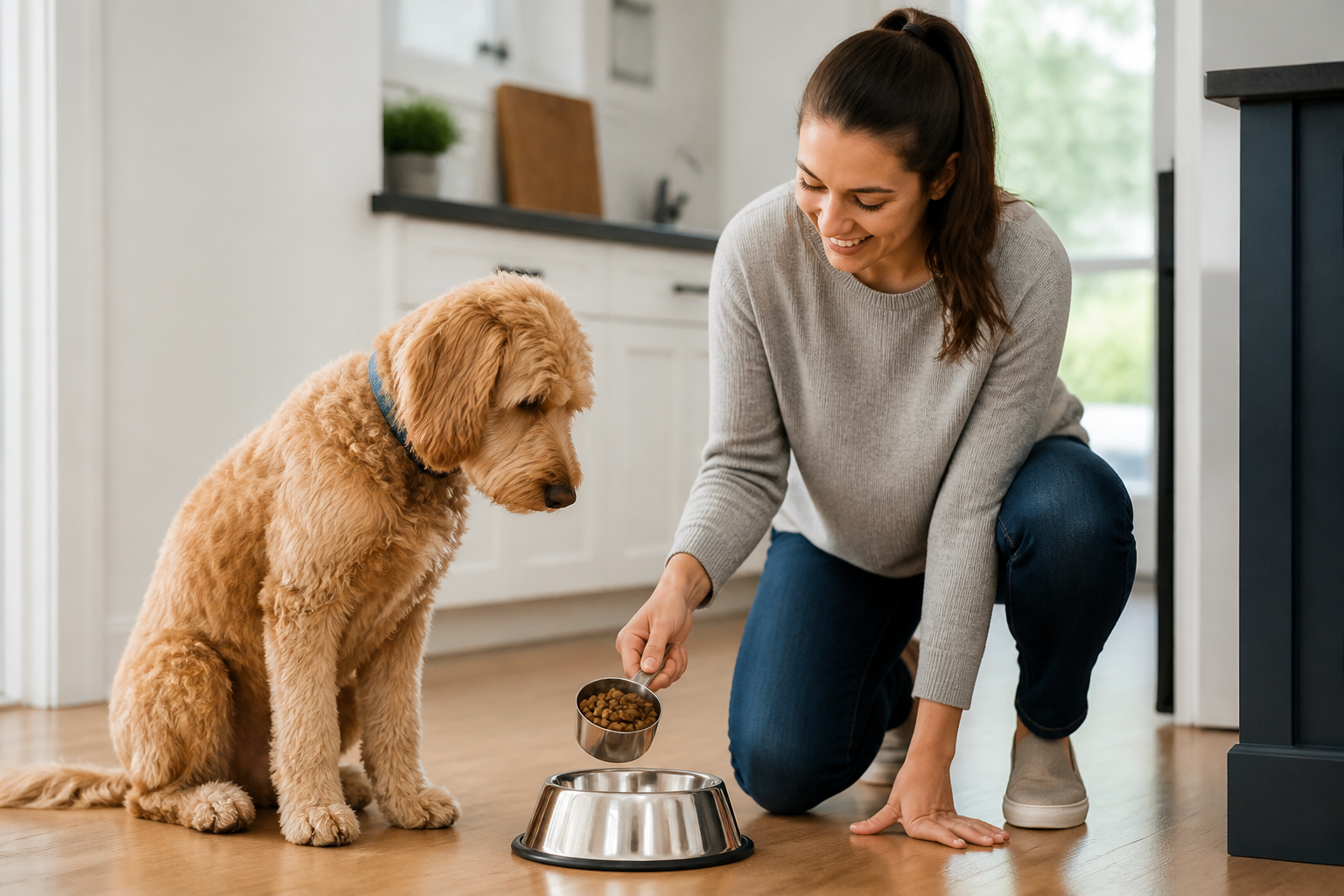
Standing in your kitchen with a measuring scoop in hand can feel like a high-stakes guessing game. Your 15-pound dog is likely sitting at your feet with an expectant look. You want to provide enough energy for their daily adventures without risking the health issues that come with extra weight. At BaxterBoo, we know that a 15-pound dog is in a unique category. They have faster metabolisms than large breeds but can quickly become overweight if their portions are even slightly off. This article covers how to calculate the perfect daily amount of dry food based on activity levels, age, and caloric density. We will also look at how to adjust the bowl for your dog's specific health needs. Finding the right balance is the best way to ensure your companion stays active and healthy for years to come.
Quick Answer: Most 15-pound adult dogs need between 3/4 and 1 cup of dry dog food per day. This total should be split into two meals. The exact amount depends on your dog's activity level and the specific calorie count of the kibble you choose.
The General Rule for a 15 Pound Dog
When you look at a standard feeding chart, the baseline for a 15-pound dog is usually around one cup of food per day. This is a helpful starting point for an average adult dog with moderate activity. However, a "cup" is not a standard unit of energy across different brands. One brand might have 350 calories per cup, while a premium nutrient-dense brand like Acana or Orijen might have over 450 calories per cup. You can compare formulas in our dog food category.
Because 15-pound dogs are small, their margin for error is tiny. An extra two tablespoons of food at every meal can lead to significant weight gain over a few months. For a dog of this size, those small additions are the caloric equivalent of a human eating an extra hamburger every day. We always recommend using a standard measuring cup rather than a random coffee mug or a scoop that came with a container.
Key Takeaway: Start with the recommendation on the bag for a 15-pound dog, but adjust based on your dog's specific body condition and energy output.
Why Calorie Density Changes the Equation
Not all kibble is created equal. The ingredients and the way the food is processed change how many calories are packed into each bite. This is why you cannot simply use the same measuring scoop when you switch brands.
Understanding kcal per Cup
Every bag of dog food lists the "Metabolizable Energy" or kcal/cup. If you are feeding a high-protein, grain-free diet like Stella and Chewy's, the kibble is often very dense. You might find that your dog only needs 3/4 of a cup to stay at a healthy weight. If you are using a weight management formula from Royal Canin, the calorie count per cup will be lower. This allows your dog to eat a larger volume of food while consuming fewer calories. For additional options, browse our freeze-dried food collection.
Comparing Activity Levels
A dog's lifestyle is the biggest factor in how many calories they burn. A 15-pound Terrier that spends all day patrolling the yard needs more fuel than a 15-pound Spaniel that prefers the sofa.
| Activity Level | Estimated Daily Calories | Estimated Cups Per Day |
|---|---|---|
| Low Activity (Seniors/Couch Potatoes) | 300 - 350 kcal | 2/3 to 3/4 cup |
| Moderate Activity (Daily Walks/Play) | 400 - 475 kcal | 3/4 to 1 cup |
| High Activity (Working/Hiking Dogs) | 550+ kcal | 1 1/4 cups or more |
For a broader look at portion sizes, read our guide to how many cups of dry dog food dogs need per day.
Life Stages and Feeding Requirements
Your dog's age changes how their body processes nutrients. A 15-pound puppy has very different needs than a 15-pound senior.
Puppyhood Growth
If your 15-pound dog is still a puppy, they are likely a breed that will be much larger as an adult. Or they may be a small breed puppy nearing their full size. Puppies require more protein and healthy fats to support bone and muscle development. They often need to eat three to four times a day to keep their blood sugar stable. Brands like NutriSource or Open Farm offer specific puppy formulas that provide this extra energy.
Senior Dog Metabolism
As dogs enter their senior years, their metabolism naturally slows down. They might also become less active due to joint stiffness. Many owners find success switching to a senior-specific formula that is lower in calories but higher in joint support. If your senior dog is struggling with mobility, our pharmacy offers FDA-approved medications and joint supplements like Cosequin through our partnership with Pet's Choice. You can also review our senior dog nutrition guide.
Vet Tip: If your dog is gaining weight despite eating the recommended amount, consult your veterinarian. Sudden weight changes can sometimes indicate underlying health issues like thyroid disease or diabetes.
The Impact of Spaying and Neutering
Many pet owners are surprised to learn that spaying or neutering can change a dog's nutritional needs. After these procedures, a dog's metabolic rate can decrease by 10% to 20%. This means they require fewer calories to maintain the same weight. If your dog was recently fixed, watch their waistline closely. You may need to slightly reduce their daily kibble or increase their daily exercise to prevent unhealthy weight gain.
How to Assess Your Dog's Weight at Home
The scale is one way to track weight, but the "rib test" is often more accurate for determining if you are feeding the right amount. Your 15-pound dog should have a visible waist when you look at them from above.
Step 1: Place your hands on your dog's ribcage with your thumbs on their spine.
Step 2: Run your fingers along their sides. You should be able to feel each rib under a thin layer of fat without having to press down hard.
Step 3: Look at your dog from the side. Their belly should tuck up slightly toward their hind legs rather than hanging low or appearing straight.
If you can see the ribs clearly, your dog may be underweight and need a bit more food. If you cannot feel the ribs at all, it is time to cut back on the portions or the treats.
For more guidance on selecting formulas, read our dry dog food nutrition guide.
Treats and the 10 Percent Rule
Treats are a great way to bond with your dog, but they are often the secret culprit behind weight gain. For a 15-pound dog, one large biscuit could be 15% of their daily calories. We suggest following the 10 percent rule. This means that treats and toppers should never make up more than 10% of your dog's total daily caloric intake.
If you want to give more treats during training, use small pieces of freeze-dried liver or broken-up bits of their regular kibble. Many owners love using Greenies for dental health. Just remember to account for that chew when you fill the dinner bowl. If they get a dental treat, take a tablespoon or two of kibble out of their evening meal. See more ideas for healthy additions to dry food.
Bottom line: Every calorie counts for a small dog, so keep treats tiny and consistent.
Establishing a Successful Feeding Routine
Dogs thrive on a schedule. Feeding your 15-pound dog at the same times every day helps regulate their digestion and can even help with potty training. Most owners find that a twice-a-day schedule works best. Split the total daily amount into a morning and evening meal.
Using Autoship for Consistency
One of the easiest ways to keep your dog on a healthy routine is to ensure you never run out of their specific food. Our Autoship programme allows you to set a recurring delivery schedule so your preferred brand arrives right when you need it. This prevents the need for sudden diet changes, which can cause upset stomachs. Plus, Autoship customers receive a free MVP Gold membership for extra savings.
Freshness Matters
Dry food starts to lose its nutritional value and flavor once the bag is opened. Try to buy a bag size that your 15-pound dog can finish within four to six weeks. Store the kibble in its original bag inside an airtight container. This keeps the fats in the food from going rancid and ensures your dog actually wants to eat what you put in the bowl.
If your dog refuses a familiar recipe, our picky-eater feeding guide offers additional mealtime ideas.
When to Consider Prescription Diets
Sometimes, a standard over-the-counter kibble isn't enough to manage a dog's health. If your dog has chronic issues like kidney disease, severe allergies, or urinary stones, your vet might recommend a prescription diet. Our pet pharmacy carries prescription pet foods from brands like Royal Canin and Farmina Vet Life. These diets are specifically formulated to manage medical conditions and require a prescription from your veterinarian. Through our partnership with Pet's Choice, we make it simple to have these specialized foods delivered to your door.
Managing Picky Eaters
If your 15-pound dog is turning their nose up at the bowl, it might not be the food. Small dogs can be notoriously picky, but sometimes they are just holding out for something better, like table scraps.
Try these steps for a picky eater:
- Limit treats to only after they have eaten their meal.
- Add a small splash of warm water or low-sodium broth to the kibble to release the aroma.
- Pick up the bowl after 20 minutes if they haven't eaten. This teaches them that food is only available at specific times.
- Check for dental issues. If their teeth or gums are sore, they may find hard kibble difficult to chew.
Key Takeaway: Consistency in your feeding routine prevents "begging" behaviors and helps you monitor exactly how much your dog is consuming.
Conclusion
Feeding a 15-pound dog requires a balance of science and observation. While 3/4 to 1 cup is a standard daily amount, your dog's individual metabolism and activity level will dictate the final portion. Use the feeding chart on your kibble bag as a starting line and adjust based on your dog's body condition. Always prioritize high-quality ingredients from brands we trust and keep an eye on those extra treats. If you have concerns about your dog's weight or nutritional needs, your veterinarian is your best resource for a tailored plan. For all your feeding needs, from premium kibble to prescription diets, we are here to help. You can explore our full range of dog food and medical supplies to keep your pup in peak condition.
FAQ
Is 1 cup of food too much for a 15 lb dog?
For many 15-pound dogs, 1 cup is a perfect daily total. However, if your dog is very sedentary or if your kibble is extremely high in calories, 1 cup might lead to weight gain. Always check the calorie count on the bag and monitor your dog's waistline to see if you need to adjust down to 3/4 cup.
How many calories does a 15 lb dog need daily?
An average, moderately active 15-pound adult dog typically needs between 400 and 475 calories per day. This number can drop toward 300 calories for seniors or inactive dogs. Puppies and very active working dogs may need significantly more, sometimes exceeding 550 calories.
Should I feed my 15 lb dog once or twice a day?
We recommend feeding your dog twice a day, usually once in the morning and once in the evening. Splitting the daily portion into two meals helps keep their energy levels stable and prevents them from getting too hungry between feedings. For puppies, you may need to split the amount into three or four smaller meals.
What should I do if my 15 lb dog is always hungry?
If your dog is acting hungry despite eating the correct amount of calories, try using a slow feeder bowl to make mealtime last longer. You can also add low-calorie "fillers" like plain canned pumpkin or green beans to their bowl. If the hunger is sudden and accompanied by weight loss, visit your vet to rule out medical issues like parasites or malabsorption.






