
 Save 15% on your 1st Autoship learn more

 Email us
 Live Chat
 FAQs
FAQs





Introduction
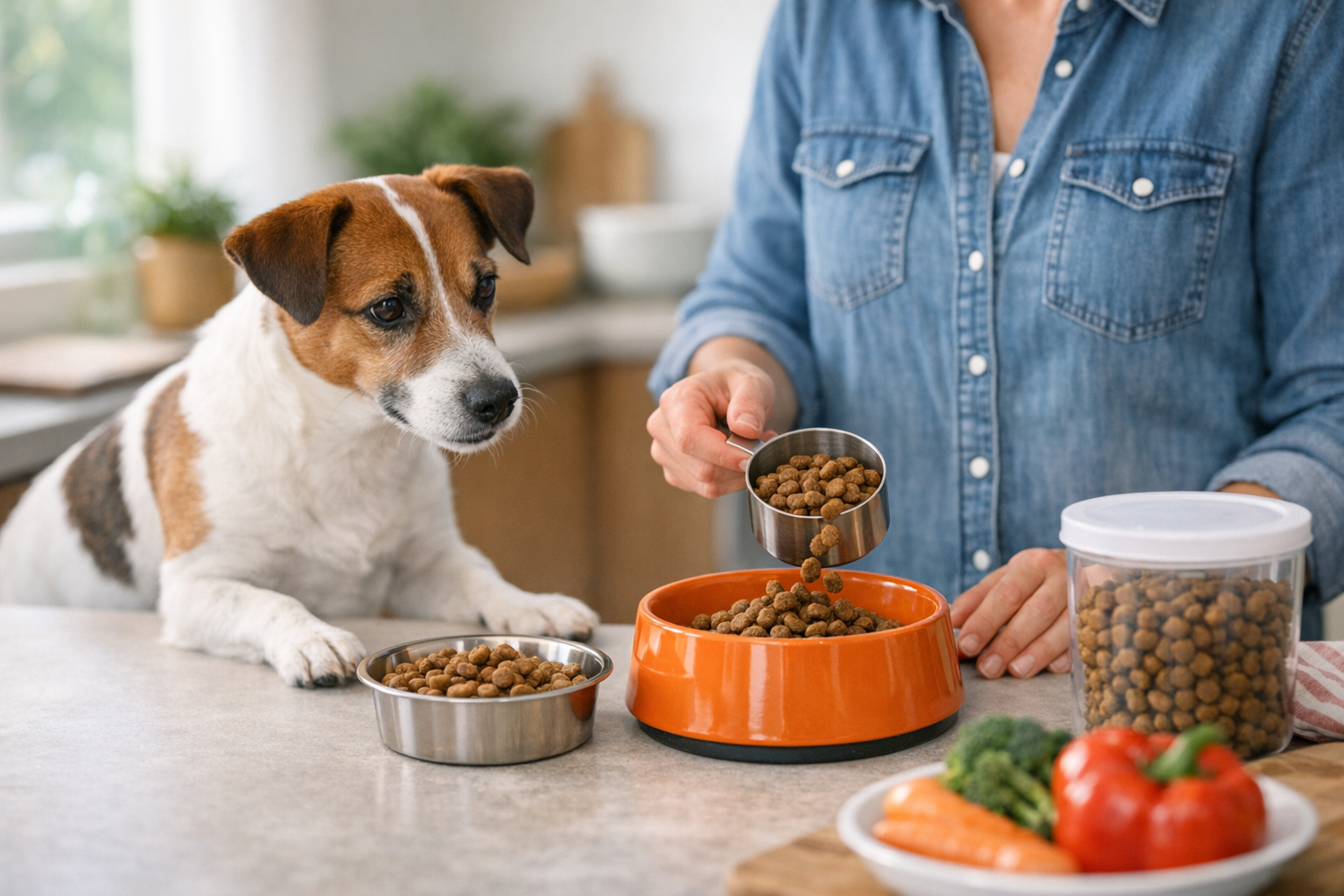
You are standing in the kitchen with a measuring cup in one hand and a bag of kibble in the other. Your 25 lb dog is sitting at your feet, watching every move with intense focus. You want to make sure they are getting enough energy to fuel their daily adventures, but you also want to protect their joints and heart by preventing weight gain. At BaxterBoo, we hear from pet parents every day who are trying to strike this exact balance. It is one of the most common questions in our Vernon Hills warehouse because every dog is a little different. While the feeding chart on the bag is a helpful starting point, it does not account for every variable in your dog's life. This guide will help you determine the precise amount of dry food your dog needs based on their age, activity level, and the specific nutrition in their bowl. If you are comparing options, start with our dog food category.
The Basic Math for a 25 lb Dog
If you look at most premium dog food brands, the general recommendation for a 25 lb dog falls between 1 and 1.5 cups per day. However, this is a broad estimate that assumes your dog is a healthy adult with moderate activity. The actual number of calories a 25 lb dog requires can range from 500 to 900 calories per day.
The reason the cup measurement varies so much is calorie density. Some brands use more fillers, which means your dog needs to eat a larger volume to get the same nutrients. Higher quality brands like Farmina or Orijen are often more nutrient dense. With these foods, you might find that your dog needs less than a cup to stay at a healthy weight.
Quick Answer: Most 25 lb adult dogs require between 1 and 1.5 cups of dry food daily. This amount should be split into two meals to support steady digestion and energy levels.
Factors That Change the Serving Size
Weight is only the first piece of the puzzle. If you have two dogs that both weigh 25 lbs, they might have very different nutritional needs. One might be a young, energetic Beagle that runs miles every day, while the other might be a senior Cocker Spaniel who prefers the couch. For more on long-term portion planning, see our blog post on pet weight management.
Age and Life Stage
Puppies are in a rapid growth phase. They require more protein and more calories per pound of body weight than adults. If your 25 lb dog is actually a 6 month old puppy of a larger breed, they might need twice as much food as an adult dog of the same weight.
Senior dogs usually have a slower metabolism. They are often less active, which means they burn fewer calories. If you continue to feed a senior dog the same amount they ate as a young adult, they will likely gain weight. Obesity in senior dogs is particularly dangerous because it puts extra stress on aging joints.
Activity Levels
Think about your dog’s daily routine. Does your dog spend the afternoon at a dog park, or do they wait patiently for a short walk around the block? Working dogs or those that participate in agility training need a higher caloric intake. Sedentary dogs, or "couch potatoes," need significantly less. Even a 10 percent difference in daily activity can change the amount of food they need. If your dog is still growing, our guide to feeding dry food to a puppy is a helpful next step.
Spay and Neuter Status
It is a documented fact that spaying or neutering a dog can lower their metabolic rate. Once a dog has been fixed, they often require about 20 percent fewer calories than they did before the procedure. If you do not adjust their food intake after surgery, you might notice the scale creeping up within just a few months.
Understanding Calorie Density
Not all kibble is created equal. This is why we always tell our customers to look at the "kcal/cup" measurement on the back of the bag. This stands for kilocalories per cup.
If Brand A has 300 kcal/cup and Brand B has 450 kcal/cup, the difference is massive. If you switch from Brand A to Brand B but keep using the same measuring cup, you are overfeeding your dog by 50 percent. This is the fastest way to cause accidental weight gain.
When you shop for food from trusted brands like NutriSource or other premium formulas, check the nutritional label first. High protein, high fat foods are usually more calorie dense. Foods marketed for weight management are typically lower in calories and higher in fiber to help your dog feel full.
Key Takeaway: Always check the calorie count per cup when switching brands. A smaller volume of high quality food often provides better nutrition than a large bowl of food with low calorie density.
The Importance of Accurate Measuring
Many pet owners use a random plastic cup or a coffee mug to scoop their dog's food. This is a common mistake that leads to inconsistent feeding. A "cup" in a recipe or on a dog food bag refers to a standard 8 ounce measuring cup.
Using an actual measuring tool ensures that your 25 lb dog gets exactly what they need every single day. Even a quarter cup of extra food daily can lead to several pounds of weight gain over a year. For a 25 lb dog, gaining 2 lbs is like a human gaining 15 lbs. It is a significant change for their small frame. If you want a simple scoop that helps with portion control, our dog food scoop is a practical option.
Proper Measuring Steps
Step 1: Get a standard 8 ounce measuring cup.
Step 2: Level off the scoop so it is not a "heaping" cup.
Step 3: Divide the total daily amount into two or three level servings.
Body Condition Scoring
Since the numbers on a chart are just guidelines, you need a way to tell if your dog is actually at their ideal weight. Veterinarians use a system called Body Condition Scoring. You can do a version of this at home using your hands.
The Rib Test
Run your hands along your dog's sides. You should be able to feel their ribs under a thin layer of fat without having to press down hard. If the ribs are poking out and visible, your dog may be underweight. If you cannot feel the ribs at all, your dog is likely overweight.
The Waistline View
Look at your dog from above. They should have a visible "waist" that narrows behind the ribcage. From the side, their abdomen should "tuck up" toward the hind legs rather than hanging low or straight across.
Vet Tip: If you are unsure about your dog's weight, ask your vet to show you how to perform a body condition score. They can help you determine if your dog is at a 4 or 5 on the 9 point scale, which is considered ideal.
Health Conditions and Special Diets
Sometimes, a standard dry food is not enough. If your dog has a chronic health condition, their diet becomes a tool for management. Conditions like kidney disease, diabetes, or severe food allergies require very specific nutrient balances.
Our pet pharmacy offers access to prescription diets and medications for dogs with specific medical needs. These diets are formulated by veterinary nutritionists to address those requirements. For example, a prescription weight loss diet might be much lower in calories while maintaining high levels of essential vitamins.
If your vet has prescribed a specific diet, it is vital to follow their feeding instructions exactly. These foods are often more expensive and more concentrated than over the counter options. Accuracy is key to seeing the health benefits.
The Role of Treats in the Daily Total
It is easy to forget that treats have calories too. If you are training a new puppy or rewarding your adult dog for being a "good boy," those calories add up.
The general rule is that treats should never make up more than 10 percent of your dog's daily caloric intake. If your 25 lb dog needs 600 calories a day, only 60 of those should come from treats. This might only be two or three medium sized biscuits. If treats are part of your routine, browse our dog treats category for options that fit your feeding plan.
Healthy Treat Alternatives
- Green beans (fresh or frozen)
- Carrot slices
- Small pieces of plain, cooked chicken
- Blueberries
If you plan on a heavy training session with lots of rewards, reduce their dinner portion slightly to compensate. This keeps their total daily intake consistent.
Managing Weight Gain or Loss
If you notice your dog has put on a few extra pounds, do not panic. Small adjustments make a big difference. Start by reducing their daily kibble by 10 percent. Monitor their weight and body condition for two to three weeks.
On the other hand, if your dog is losing weight and seems lethargic, they may need more calories. However, sudden weight loss can also be a sign of a health problem. If you see an unexpected change in weight, it is always best to consult your veterinarian before making major dietary changes. For a broader view of portion logistics, this dry food cups guide can help you plan more accurately.
Bottom line: A 25 lb dog has a small margin for error when it comes to overfeeding, so consistency is your best tool.
Transitioning to a New Food
When you decide to switch brands or move from puppy to adult food, do not do it all at once. A sudden change can cause an upset stomach or diarrhea. This is especially true for dogs with sensitive digestion.
We recommend a 7 day transition period:
- Days 1 and 2: 75 percent old food, 25 percent new food.
- Days 3 and 4: 50 percent old food, 50 percent new food.
- Days 5 and 6: 25 percent old food, 75 percent new food.
- Day 7: 100 percent new food.
During this week, watch your dog's stool and energy levels. If you see signs of distress, slow down the transition. If you are moving between formats, our guide on switching from dry to wet dog food is a useful companion read.
The Benefits of a Consistent Schedule
Dogs thrive on routine. Feeding your 25 lb dog at the same time every morning and evening helps regulate their digestion. It also makes it easier to notice if their appetite changes. A dog that usually dives into their bowl but suddenly ignores it might be telling you they don't feel well.
A consistent schedule also helps with house training. Most dogs will need to go outside about 15 to 30 minutes after eating. If you know when they ate, you know when they need a walk.
Choosing the Right Gear
The bowl you use can actually impact how your dog eats. If your 25 lb dog inhales their food in seconds, they might be at risk for bloating or indigestion. A slow feeder bowl can help. These bowls have ridges and mazes that force your dog to take smaller bites.
For older dogs, an elevated feeder might be more comfortable. It reduces the strain on their neck and shoulders as they eat. We carry a variety of options to suit different sizes and needs at our Vernon Hills location and online, and our dog healthcare category is a useful place to explore supportive gear and care items.
Why Quality Ingredients Matter
You might notice that cheaper dog foods have "corn" or "wheat" as the first ingredient. These are often used as fillers. While they provide some energy, they are not as easy for your dog to digest as animal proteins.
When you choose a premium food, your dog’s body can use more of the ingredients. This often results in smaller, firmer stools and a shinier coat. Brands like Stella & Chewy's or The Honest Kitchen focus on whole food ingredients that provide high biological value.
Because these foods are more efficient, you often end up feeding a smaller volume. Over time, the cost of a "more expensive" bag of food can be similar to a cheap bag because the bag lasts longer.
Summary of Feeding a 25 lb Dog
Finding the right amount of food is a journey, not a one time calculation. You will likely need to adjust the amount as your dog ages or as the seasons change. Many dogs are less active in the winter and might need slightly less food during those months.
- Start with the label guidelines for a 25 lb dog.
- Adjust for activity level and age.
- Use a real measuring cup for every meal.
- Limit treats to 10 percent of the daily total.
- Monitor body condition regularly using the rib test.
Key Takeaway: Proper nutrition is the foundation of a long and healthy life. By measuring carefully and choosing high quality food, you are investing in your dog's future.
Conclusion
Feeding your 25 lb dog the right amount of dry food is one of the most impactful ways you can support their health. While 1 to 1.5 cups is a standard starting point, your dog's unique metabolism and lifestyle are the ultimate guides. At BaxterBoo, we are committed to helping you find the perfect products and medications to keep your pet thriving. Whether you are browsing our brands hub or setting up our Autoship programme to save on your favorite kibble, we are here to support your journey as a pet parent. You can also explore the MVP Rewards programme for another way to save on repeat purchases. For dogs with specific medical needs, remember that our pharmacy helps you access the prescription diets and medications your vet recommends. Keeping your dog at an ideal weight is a gift that leads to more walks, more play, and more years together.
FAQ
How many calories does a 25 lb dog need every day?
Most 25 lb adult dogs need between 550 and 750 calories per day to maintain their weight. Highly active dogs may need up to 900 calories, while senior or sedentary dogs might only need 500. Always check the calorie count on your specific bag of food to translate these numbers into cups.
Can I just follow the feeding chart on the back of the bag?
The feeding chart is a great starting point, but it is based on averages. Most charts provide a range, such as 1.25 to 1.75 cups for a certain weight class. You should start in the middle of that range and adjust based on whether your dog is gaining or losing weight over the next few weeks.
What should I do if my dog always seems hungry?
If your dog is at a healthy weight but constantly begs for food, try adding low calorie fiber to their meal. A spoonful of plain canned pumpkin or some steamed green beans can help them feel full without adding many calories. You can also use a slow feeder bowl to make mealtime last longer and feel more satisfying.
How many times a day should I feed my 25 lb dog?
Feeding twice a day is the most common and recommended schedule for adult dogs. This keeps their blood sugar stable and prevents them from getting too hungry between meals. Small puppies or dogs with specific medical conditions like hypoglycemia may need three or even four smaller meals instead.






