
 Save 15% on your 1st Autoship learn more

 Email us
 Live Chat
 FAQs
FAQs





Introduction
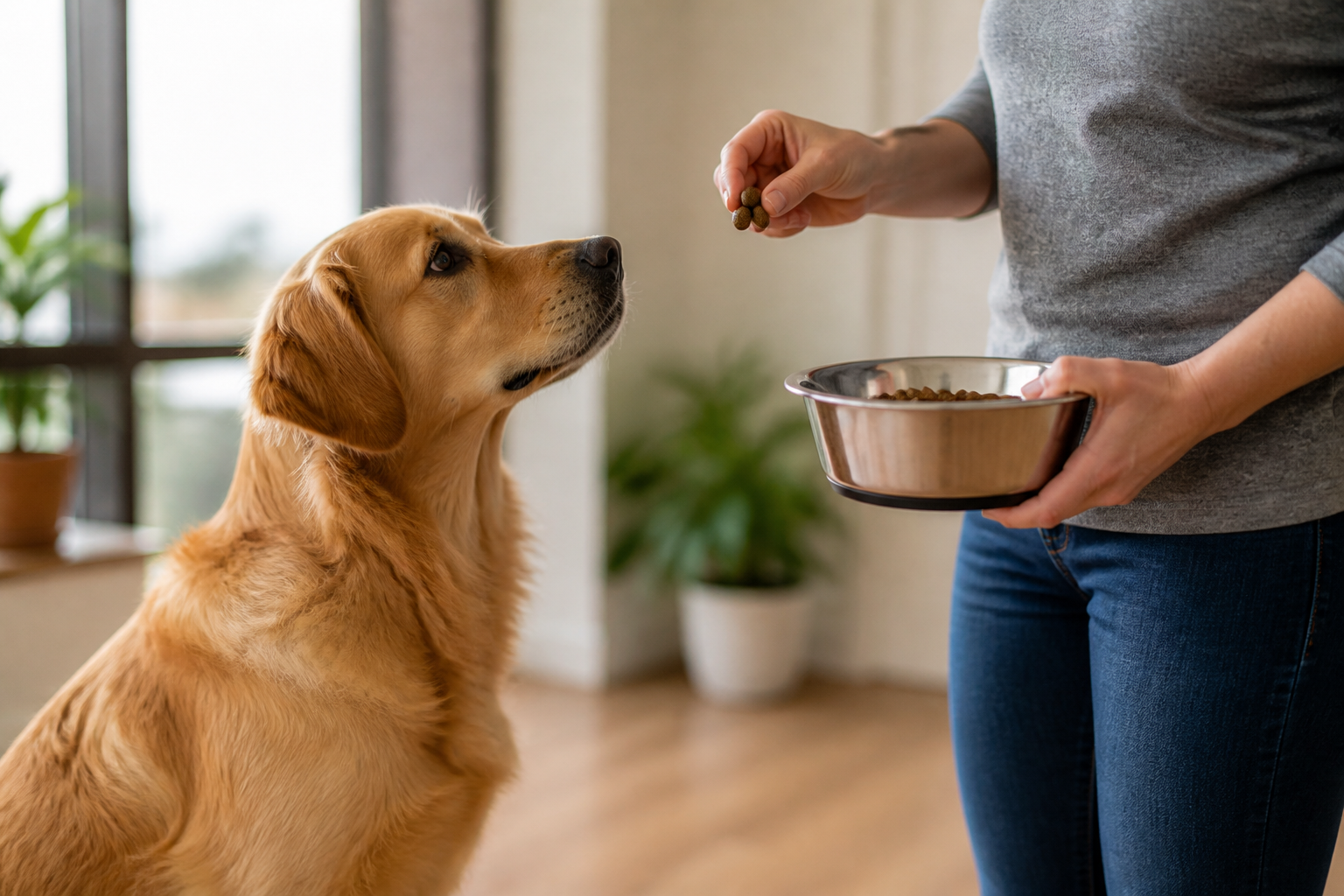
You stand in your kitchen with a measuring cup in one hand and a bag of kibble in the other. Your dog is staring up at you with those classic "I am starving" eyes, even though they just had a treat ten minutes ago. It is one of the most common dilemmas we hear about at BaxterBoo. Since 2006, we have helped thousands of pet parents navigate the confusing world of pet nutrition. Determining the right amount of dry food is not just about following a chart on the back of a bag. It involves understanding your dog's age, weight, activity level, and specific health needs. This guide will walk you through how to calculate the perfect portion to keep your pup healthy and energetic. Finding the right balance is the key to a long and happy life together.
Why Getting the Portion Right Matters
Feeding your dog the correct amount of dry food is about more than just satisfying their hunger. It is a fundamental part of their long term wellness. If you feed too little, your dog might face nutritional deficiencies, low energy, or a weakened immune system. On the other hand, overfeeding is a much more common problem that leads to obesity.
Pet obesity is a serious concern in the United States. It puts unnecessary strain on joints, makes breathing difficult, and can lead to chronic conditions like heart disease or diabetes. A dog at a healthy weight generally lives longer and has a much higher quality of life.
Quick Answer: Start with the feeding guidelines on your dog food bag based on their target weight. Adjust this amount based on their activity level and life stage, then monitor their body condition every two weeks.
Understanding the Feeding Chart
Every bag of dry food sold in the US must include a feeding guideline. This chart is a helpful starting point, but it is not a set of absolute rules. Most manufacturers create these charts based on the needs of an average, active adult dog.
The amounts listed are usually given in "cups per day." This means if the chart says two cups, and you feed your dog twice a day, you should give them one cup in the morning and one cup in the evening. It is also important to use a standard eight ounce measuring cup. Using a random coffee mug or a large plastic scoop can lead to significant overfeeding.
Calorie Density
Not all dry foods are created equal. A cup of one brand might contain 300 calories, while a cup of another might have 500 calories. This is why you must re-evaluate the portion size every time you switch brands or formulas. Brands we carry like NutriSource or Acana have different nutrient profiles and calorie counts. Always check the "kcal/kg" or "kcal/cup" section on the label to understand how much energy is in each serving.
The 10 Percent Rule for Treats
If you give your dog treats, dental chews, or table scraps, those calories count too. Most experts recommend that treats make up no more than 10 percent of a dog's total daily caloric intake. If you are training heavily and using lots of treats, you need to reduce the amount of dry food in their bowl to compensate.
Key Takeaway: Feeding charts are estimates for average dogs. Always use a standard measuring cup and account for treats to avoid accidental overfeeding.
Factors That Influence Feeding Amounts
Your dog's individual needs can vary by as much as 50 percent from the average listed on the bag. Several factors play a role in how much energy their body actually requires.
Activity Level
A dog that spends most of its day on the couch does not need nearly as much food as a dog that goes for three mile runs or works on a farm. High energy breeds often have a faster metabolism as well. If your dog is highly active, you may need to increase their portion. If they are a "weekend warrior" who only gets major exercise on Saturdays, keep their daily portions consistent and lean.
Metabolism and Breed
Just like humans, some dogs naturally burn calories faster than others. Small breeds often have higher metabolic rates and may need more calories per pound of body weight than large breeds. Conversely, certain breeds like Labradors or Poodles are known for being highly food motivated and can put on weight very easily if their portions are not strictly managed.
Environment
Believe it or not, the weather matters. Dogs that spend a lot of time outdoors in very cold weather burn more calories just to stay warm. In the hot summer months, many dogs become less active and may require slightly less food to maintain their weight.
Neutering Status
Spaying or neutering a dog can slightly slow down their metabolism. Studies show that intact dogs often require more calories than those that have been fixed. If your dog was recently neutered, keep a close eye on their waistline over the following months, as you might need to trim back their daily kibble amount.
Feeding Puppies for Growth
Puppies have very different nutritional requirements than adult dogs. They are growing rapidly, which means they need more protein, fat, and minerals like calcium and phosphorus. Because they are so active and building new tissue, they require more calories per pound than adults.
Step 1: Choose a puppy-specific formula. / Formulas like those from Royal Canin or Farmina are designed specifically for different breed sizes.
Step 2: Check the chart for their "expected adult weight." / Many puppy food charts ask how much your dog will weigh as an adult, not just what they weigh now.
Step 3: Split the daily total into three or four meals. / Puppies have small stomachs and benefit from frequent, small feedings to keep their energy levels stable.
For more guidance, read how much dry dog food to feed a puppy.
Large Breed Puppies
If you have a breed that will grow to be over 50 pounds, you must be extra careful. Feeding too many calories can cause them to grow too fast. This puts immense pressure on their developing bones and joints, leading to lifelong issues. Always use a large breed puppy formula and stick to the recommended amounts unless your vet suggests otherwise.
Vet Tip: Puppies need frequent meals to prevent drops in blood sugar, especially toy breeds. Consult your veterinarian about the best time to transition your specific breed from puppy food to adult maintenance food.
Feeding Adult and Senior Dogs
Once a dog reaches maturity, their caloric needs stabilize. For most small and medium breeds, this happens around 12 months. For giant breeds, it might not be until 18 or 24 months.
Adult dogs generally do well with two meals per day. This helps with digestion and keeps them from feeling too hungry between meals. As dogs enter their senior years, their activity levels often drop. They may also start to lose muscle mass.
Adjusting for Seniors
Senior dogs often benefit from foods that are lower in calories but higher in high quality protein to maintain muscle. Many senior formulas also include supplements like Cosequin to support joint health. If your senior dog is starting to slow down, it is usually time to reduce their portion size slightly to prevent weight gain. Excess weight is particularly hard on senior joints that may be dealing with arthritis.
For additional ideas, explore how to choose the right dog food for senior pets.
Key Takeaway: Transition to adult food once growth stops and monitor senior dogs closely for weight gain as their activity levels decrease.
The Rib Test: How to Tell if You are Feeding the Right Amount
The best way to know if you are feeding the right amount of dry food is to look at your dog. You do not need a professional scale to get a good idea of their body condition.
The Hands-On Evaluation
You should be able to feel your dog's ribs easily under a thin layer of fat. If you have to press hard to find them, your dog is likely overweight. If the ribs are visible and poking out, your dog is likely underweight.
When you look at your dog from above, they should have a noticeable waistline behind the ribs. From the side, their abdomen should tuck up toward the hind legs rather than hanging low or appearing flat.
Consistency is Key
Check your dog’s body condition every two weeks. Weight changes can happen slowly. By checking regularly, you can make small adjustments to their food before a minor gain becomes a major problem. If you notice a sudden, unexplained change in weight, it is time to schedule a vet visit to rule out underlying health issues.
Choosing the Right Dry Food Brand
At BaxterBoo, we carry over 500 trusted brands because we know that every dog has different needs. The quality of the ingredients in the dry food can affect how much you need to feed. High quality foods often have better digestibility, meaning your dog can absorb more nutrients from a smaller amount of food. Browse our dog food category to compare available formulas.
Brands like Stella and Chewy's or Open Farm focus on high protein and transparent sourcing. If you are feeding a nutrient dense food, the serving size will usually be smaller than a budget brand filled with more fiber and fillers.
Bottom line: High quality, nutrient dense dry foods often require smaller portions than lower quality alternatives.
When to Consider a Prescription Diet
Sometimes, standard dry food is not enough to manage a dog's health. If your dog is struggling with significant obesity, severe allergies, or chronic conditions like kidney or heart disease, a prescription diet may be necessary. These foods are formulated with precise nutrient levels to manage specific medical issues.
Through our partnership with Pet's Choice, our pharmacy offers access to FDA-approved medications and prescription pet foods. This includes specialized lines like Farmina Vet Life, which covers needs ranging from weight management to cardiac support.
Vet Tip: If your dog has a chronic health condition or is failing to lose weight on standard "light" diets, talk to your veterinarian about a prescription food. Our pharmacy can fulfill these orders quickly with a valid prescription from your vet.
Managing Picky Eaters and Hunger
Some dogs are naturally picky, while others act like they have never seen a bowl of food in their lives. If your dog is picky, make sure you are not overfeeding treats, which can ruin their appetite for balanced meals. You can also try adding a small amount of warm water to their dry food to release the aromas.
For dogs that eat too fast or always seem hungry, try using a slow feeder bowl or a puzzle toy. This makes mealtime last longer and provides mental stimulation. It also prevents them from gulping air, which can lead to digestive upset. Fiber rich vegetables like green beans can also be used as a low calorie "filler" if your vet agrees it is appropriate for your dog.
For more ideas, read what dry dog food is best for picky eaters.
The Importance of Hydration
Dry food only contains about 10 percent moisture. This means dogs on a dry food diet need to drink plenty of fresh water to stay hydrated and help their bodies process the nutrients in the kibble.
Always keep a clean bowl of fresh water available. If your dog is a poor drinker, you might consider adding a little water directly to their dry food. Proper hydration is essential for kidney function and healthy digestion.
For additional feeding ideas, see how to wet dry dog food for better digestion and hydration.
Transitioning to a New Food
If you decide to change brands or move from puppy to adult food, never do it all at once. A sudden change can cause significant stomach upset, diarrhea, and vomiting.
Step 1: Days 1 and 2: Mix 25 percent new food with 75 percent old food. / This allows the gut bacteria to begin adjusting.
Step 2: Days 3 and 4: Mix 50 percent new food with 50 percent old food. / Monitor your dog's stool consistency during this stage.
Step 3: Days 5 and 6: Mix 75 percent new food with 25 percent old food. / If everything looks good, you are almost there.
Step 4: Day 7: Feed 100 percent new food. / Your dog is now fully transitioned.
If at any point your dog develops loose stools or refuses to eat, slow the process down. Some sensitive dogs may need two weeks instead of one to make the switch comfortably.
For a broader comparison, read how to switch from dry to wet dog food.
Summary of Feeding Success
Finding the perfect amount of dry food takes a little bit of observation and patience. By using the feeding chart as a starting point and adjusting for your dog's unique lifestyle, you can ensure they stay at a healthy weight.
- Use a standard measuring cup for every meal.
- Monitor body condition every two weeks using the rib test.
- Account for all treats and snacks in the daily calorie count.
- Adjust portions as your dog ages or their activity level changes.
- Consult your vet for personalized advice, especially for health conditions.
We are here to support your journey in pet parenthood. Whether you need a high protein kibble or a specialized diet from our pharmacy, we have the expertise and the selection to help your dog thrive. Consider signing up for our Autoship program to save on your favorite dry food brands and ensure you never run out of the nutrition your dog depends on.
Bottom line: Your dog's food requirements will change throughout their life, so stay observant and adjust portions to keep them in peak condition.
FAQ
Can I just leave dry food out all day for my dog?
Free feeding, or leaving food out 24/7, is generally not recommended for most dogs because it makes it very difficult to monitor how much they are actually eating. This often leads to obesity as many dogs will eat out of boredom rather than hunger. Scheduled mealtimes also help you notice immediately if your dog loses their appetite, which is often the first sign of illness.
My dog is always acting hungry even though I feed the recommended amount. What should I do?
First, perform the rib test to ensure they are at a healthy weight. If they are at a good weight, they might just be food motivated or eating too fast. You can use puzzle feeders to slow them down or add low calorie, dog safe vegetables like plain canned pumpkin or green beans to their bowl to help them feel fuller without adding many calories.
Is it okay to mix wet food with dry food?
Yes, many people mix wet and dry food to make meals more appealing or to increase hydration. However, you must reduce the amount of dry food to account for the calories in the wet food. Check the labels of both products to calculate the total caloric intake and ensure you are not accidentally overfeeding.
How often should I weigh my dog?
For adult dogs, a monthly weigh in is usually sufficient to track trends. For puppies, you may want to weigh them every two weeks since they are growing so fast. You can weigh your dog at home by weighing yourself first, then weighing yourself while holding the dog and subtracting the difference. If your dog is too large to hold, most veterinary clinics will let you stop in just to use their walk on scale for free.






