
 Save 15% on your 1st Autoship learn more

 Email us
 Live Chat
 FAQs
FAQs





Introduction
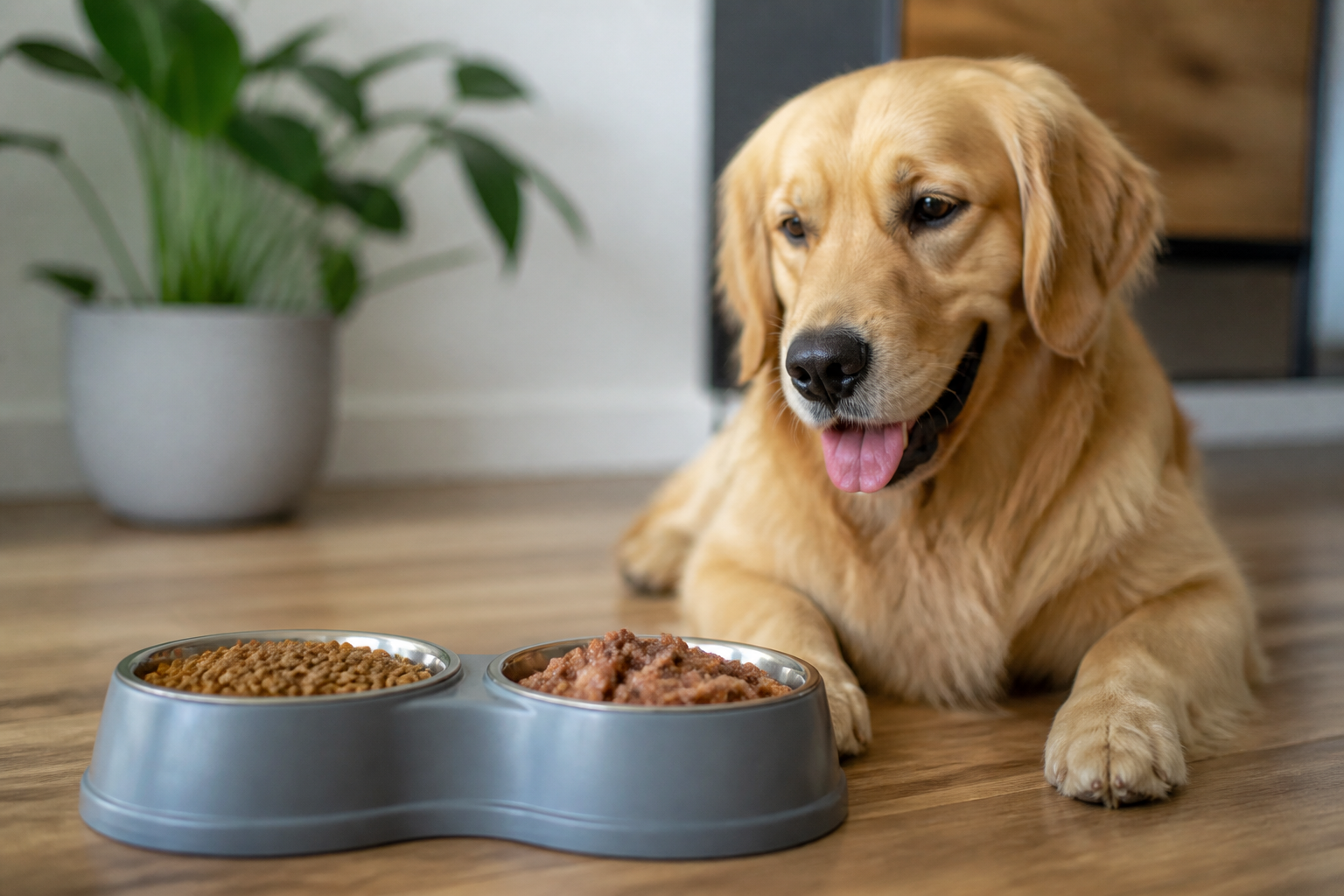
You fill the bowl with the same high-quality kibble every morning, but lately, your dog seems less than enthusiastic. They might take a few bites and walk away, or wait around hoping for a bit of what you are eating instead. This is a common moment for many pet owners. You want to provide the best nutrition possible, but you also want your dog to actually enjoy their meal. Mixing wet and dry dog food is an excellent way to bridge that gap.
At BaxterBoo, we see many pet parents moving toward this hybrid feeding model to boost hydration and excitement at mealtime. This post covers the benefits of mixed feeding, how to calculate the correct portions, and safety tips for transitioning your dog to a new routine. By finding the right balance, you can support your dog’s health while making every meal feel like a special occasion.
The Benefits of a Mixed Feeding Routine
Mixing wet and dry food is more than just a culinary upgrade for your dog. It combines the structural benefits of kibble with the nutritional and hydration advantages of canned food. Each type of food brings something different to the bowl.
Dry food is convenient and cost-effective. It is calorie-dense, meaning your dog does not need to eat a massive volume to get the energy they need. The crunchy texture of kibble also provides a mechanical cleaning action. As your dog chews, the friction helps scrape away a small amount of plaque from the teeth.
Wet food provides a significant boost in moisture. Most dry foods contain only about 10 percent to 12 percent water. Canned foods can contain up to 80 percent water. This extra hydration is helpful for dogs that do not drink enough from their water bowls. It also makes the food much more aromatic. Since a dog’s sense of taste is heavily linked to their sense of smell, the rich scent of wet food can entice even the pickiest eaters.
Quick Answer: A common starting point for mixing is a 75/25 ratio, where 75 percent of the calories come from dry food and 25 percent come from wet food. However, the exact amount depends on your dog’s specific caloric needs, age, and weight goals.
For another look at the benefits and considerations of this feeding approach, read our guide to mixing dry dog food with wet food.
Calculating the Correct Portions
The most common mistake pet owners make when mixing food is feeding "one scoop of this and one scoop of that." Dry and wet foods have vastly different caloric densities. A cup of kibble usually contains significantly more calories than a cup of wet food because the wet food is mostly water.
To avoid unwanted weight gain, you must look at the calories (kcal) rather than the volume. Check the packaging of both your dry and wet food. Most brands will list the calories per cup or per can.
If you decide on a 50/50 caloric split, you will need to determine your dog's total daily calorie requirement first. If your dog needs 800 calories a day, you would provide 400 calories of dry food and 400 calories of wet food. Because wet food is less calorie-dense, the 400-calorie portion of wet food will look much larger in the bowl than the 400-calorie portion of dry food.
You can compare formulas and feeding options in our dog food category.
Understanding the 75/25 Rule
Many veterinarians recommend starting with a ratio that favors dry food. This keeps the cost manageable while still providing the benefits of wet food.
- 75% Dry Food: This provides the bulk of the minerals, vitamins, and energy.
- 25% Wet Food: This acts as a topper or "mix-in" to add flavor and moisture.
If you are using this ratio, simply take your dog's total daily calorie needs and multiply by 0.75 for the kibble and 0.25 for the wet food. Always use a standard measuring cup or a kitchen scale for accuracy. Guessing usually leads to overfeeding, which can put a strain on your dog's joints and heart over time.
For additional portion guidance, see our wet-to-dry dog food conversion guide.
Safety and AAFCO Standards
When you choose foods to mix, both must be "complete and balanced." Look for the Association of American Feed Control Officials (AAFCO) statement on the label. This statement confirms that the food contains all the essential nutrients your dog needs for their specific life stage.
If you mix a "complete and balanced" kibble with a "supplemental" topper or broth, the topper should not exceed 10 percent of the total daily calories. Using a supplemental product as a major portion of the meal can dilute the essential nutrients your dog receives. This can lead to deficiencies over time.
Matching Life Stages
It is important to mix foods designed for the same life stage. Puppy food is formulated with higher protein and specific minerals like calcium and phosphorus for bone growth. Senior dog food may have fewer calories and added joint support.
- Puppies: Only mix puppy-specific wet food with puppy-specific dry food.
- Adults: Standard adult formulas work well for most healthy dogs.
- Seniors: Look for senior-specific canned options that are easier to chew and digest.
Key Takeaway: Never mix a puppy food with an adult food unless directed by your veterinarian. The nutrient profiles are designed for very different physiological needs and mixing them can cause growth issues in young dogs.
Transitioning Your Dog to Mixed Feeding
If your dog is used to only eating dry kibble, introducing wet food too quickly can cause an upset stomach. The digestive system needs time to adjust to the higher moisture and fat content found in many wet foods.
Step 1: Start small. Replace only about 10 percent of their daily dry food calories with wet food for the first two days.
Step 2: Monitor their stool. If you notice any looseness or gas, stay at the 10 percent level for a few more days until their system stabilizes.
Step 3: Increase the wet food portion gradually. Move to 25 percent over the course of a week.
Step 4: Maintain the final ratio. Once you find a balance that works for your dog’s digestion and energy levels, keep it consistent.
For more transition guidance, read our article on switching from dry to wet dog food.
Vet Tip: If your dog has a history of food sensitivities or chronic digestive issues, consult your veterinarian before changing their diet. They can help you select specific protein sources that are less likely to trigger a reaction.
Mixed Feeding for Health Conditions
Sometimes, mixing food is a medical necessity rather than a preference. Dogs with certain health conditions often benefit from the increased water intake that wet food provides.
For dogs with urinary tract issues or kidney concerns, hydration is critical. Wet food helps flush the system and keeps the urine diluted. However, if your dog is on a therapeutic or prescription diet, you must be very careful. Mixing a prescription kibble with a standard grocery store canned food can negate the benefits of the medical diet.
Many brands we carry, such as Farmina Vet Life or Royal Canin, offer both wet and dry versions of their therapeutic formulas. Our pet pharmacy provides access to prescription diets through our partnership with Pet's Choice. If your vet prescribes a specific diet for a condition like kidney disease, skin allergies, or weight management, we can help you coordinate those orders so you have both the wet and dry versions ready for mixing.
Bottom line: Always match therapeutic dry food with its corresponding therapeutic wet food to ensure the medical treatment remains effective.
Practical Tips for Success
Mixing food requires a bit more management than just pouring kibble into a bowl. Wet food is perishable and requires different handling.
Storage and Safety
Once a can of dog food is opened, it must be refrigerated. Most wet food will stay fresh in the fridge for three to five days if covered with a tight-fitting lid. If your dog does not like cold food, you can let the wet portion sit at room temperature for a few minutes before mixing it with the kibble. Never microwave the food in the can, and avoid overheating it, as this can destroy certain vitamins.
For more ideas about handling and freshness, see our guide to switching from dry to wet dog food.
The 30-Minute Rule
Unlike dry food, which can sit out for hours, mixed food should be picked up if not eaten quickly. The moisture in the wet food will cause the kibble to get soggy, and at room temperature, bacteria can begin to grow. If your dog has not finished their meal within 30 minutes, discard the leftovers and wash the bowl thoroughly.
Managing Picky Eaters
If you have a very picky dog, try stirring the wet food into the kibble so every piece is coated. This prevents the dog from simply "mining" for the wet food and leaving the dry pieces behind. You can also add a small amount of warm water to the mix to create a more savory gravy.
- Check the ingredients: Avoid wet foods with excessive fillers or artificial dyes.
- Texture variety: Some dogs prefer smooth pates, while others like chunky stews with gravy.
- Rotation: You can stick to the same brand of dry food but rotate the flavors of the wet food to keep interest high.
For more ideas about adding moisture to meals, read our guide to wetting dry dog food for better digestion and hydration.
Addressing Dental Health and Weight
One concern pet owners often have is that adding wet food will hurt their dog's teeth. While kibble does provide some mechanical cleaning, it is not a substitute for regular dental care. Mixing in wet food will not "rot" the teeth as long as you maintain a good dental routine. This includes regular brushing and professional cleanings from your veterinarian.
For weight management, mixed feeding can actually be a secret weapon. Because wet food is mostly water, it has fewer calories by volume. This allows a dog on a diet to feel more full because they are eating a larger physical amount of food without the extra calories of dry kibble.
Key Takeaway: Using wet food as a "filler" can help overweight dogs feel satisfied on fewer calories, but you must still track the total kcal count to ensure they are in a calorie deficit for weight loss.
Choosing the Right Brands
At our warehouse, we stock over 500 trusted brands to ensure you find exactly what your dog needs. Brands like Stella and Chewy's or The Honest Kitchen offer excellent mixers and toppers that are designed specifically to be added to kibble. If you prefer a more traditional approach, NutriSource and PureVita offer high-quality canned options that pair perfectly with their dry formulas.
Using a brand's own "pairing" suggestions is often the easiest way to start. Many manufacturers design their wet and dry recipes to be nutritionally compatible. This ensures that the balance of vitamins and minerals remains optimal even when you are mixing different textures.
You can explore our selection of wet and dry dog food when comparing textures, formulas, and brands.
Conclusion
Mixing wet and dry dog food is a practical way to enhance your dog's nutrition and enjoyment of their meals. By focusing on caloric balance rather than volume, you can prevent weight gain while providing the hydration and flavor benefits of wet food. Remember to transition slowly, keep both foods within the same life stage, and prioritize AAFCO-approved "complete and balanced" formulas.
- Start with a 75 percent dry to 25 percent wet caloric ratio.
- Always refrigerate opened cans and discard uneaten mixed food after 30 minutes.
- Match therapeutic diets for dogs with specific health needs.
- Consult your vet if you are unsure about your dog's daily calorie requirements.
If you are ready to start mixed feeding, our Autoship programme is a great way to ensure you never run out of your dog's favorite combinations. You can save on your first order and earn rewards through the MVP Rewards programme on every purchase of food and treats.
FAQ
Can I mix different brands of wet and dry dog food?
Yes, you can mix different brands as long as both are labeled as "complete and balanced" for your dog's life stage. However, some dogs with sensitive stomachs do better when the wet and dry foods share similar protein sources. If you notice any digestive upset when mixing brands, try sticking to a single brand for both types of food.
How do I know if I am overfeeding my dog with mixed food?
The best way to tell is by monitoring your dog's body condition and weight. You should be able to feel their ribs easily without a thick layer of fat, and they should have a visible waistline when viewed from above. If you are unsure, your veterinarian can provide a precise daily calorie target based on your dog's activity level and metabolism.
Is it okay to leave mixed food out all day?
No, you should not leave mixed food out for "free feeding" throughout the day. The moisture in wet food creates a breeding ground for bacteria once it reaches room temperature. It also makes the kibble soft and unappealing. For safety, remove any uneaten mixed food after 30 minutes and wash the bowl.
Should I add water if I am already mixing wet and dry food?
You can certainly add water if your dog needs even more hydration or if you want to create a thinner gravy. Many pet owners add a splash of warm water to help release the aromas of the wet food. This is particularly helpful for senior dogs or dogs that have trouble swallowing dry kibble.






