
 Save 15% on your 1st Autoship learn more

 Email us
 Live Chat
 FAQs
FAQs





Introduction
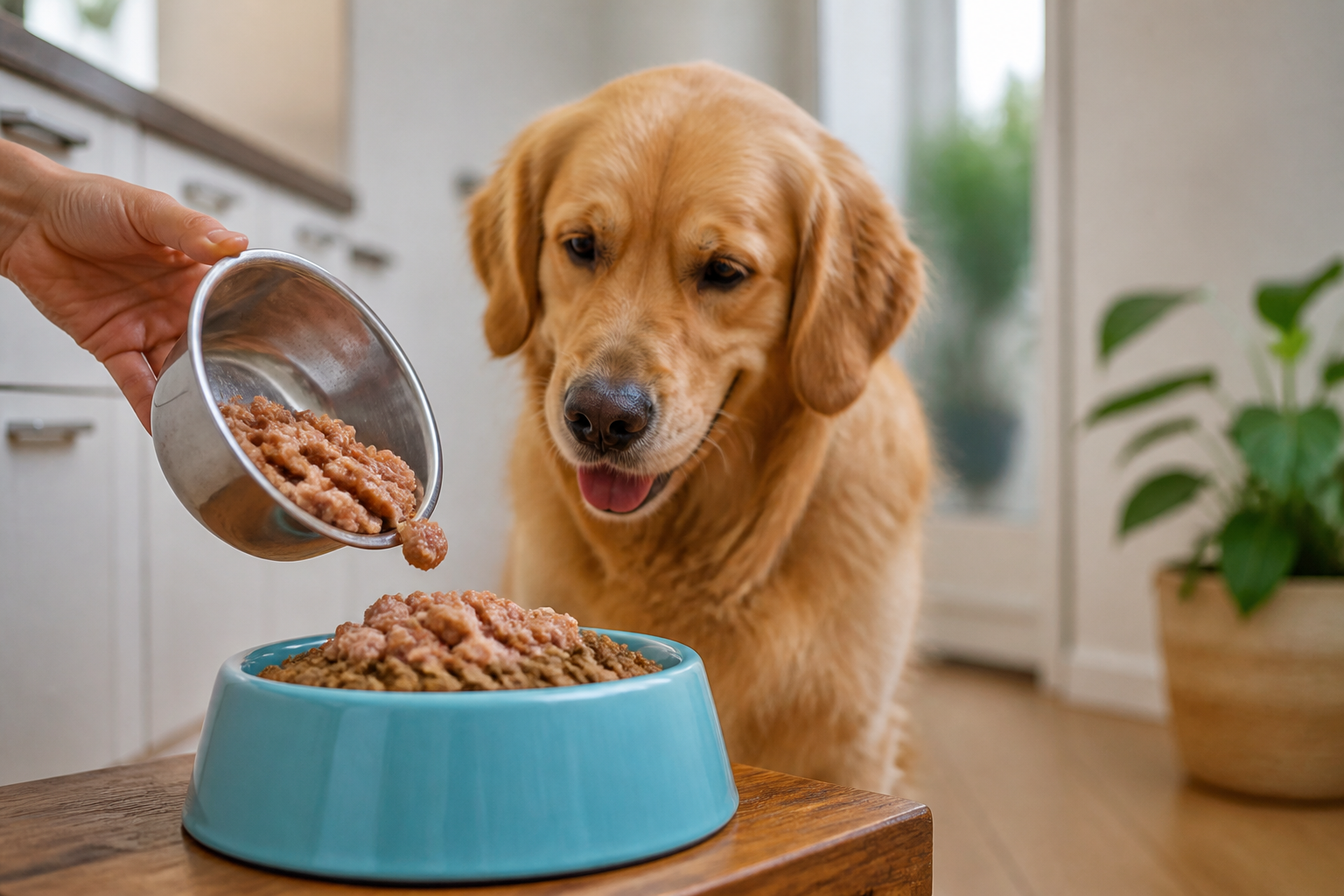
You are standing in your kitchen with a measuring scoop in one hand and a can opener in the other. Your dog is watching your every move with a wagging tail. You want to give them something special, but you also want to make sure they stay at a healthy weight. This is the moment many pet owners face when deciding to try mixed feeding. At BaxterBoo, we know that finding the right balance between kibble and canned food can feel like a math project.
This guide will explain the exact ratios you need to keep your dog healthy. We will cover the caloric differences between food types and how to transition safely. We will also look at how to use mixed feeding for specific health goals like hydration or weight management. By the end, you will feel confident building a bowl that provides the best of both worlds.
Why Mix Wet and Dry Dog Food?
Mixing food is more than just a culinary treat for your dog. It serves several practical purposes that can improve their daily quality of life. For many owners, it is the perfect middle ground between the convenience of dry food and the high palatability of wet food. If you are comparing formulas, our dog food category is a helpful place to start.
Better Hydration
Wet food typically contains between 75% and 80% water. Dry kibble usually sits around 10% moisture. If your dog does not drink enough water from their bowl, adding wet food is a simple way to increase their fluid intake. This is particularly helpful for dogs prone to urinary tract issues or kidney concerns.
Enticing Picky Eaters
The aroma of wet food is much stronger than dry kibble. This scent comes from the higher fat and moisture content. If you have a senior dog with a fading sense of smell, or a dog recovering from an illness, a small amount of wet food can jumpstart their appetite. For more ideas, read our guide to switching from dry to wet dog food.
Dental and Digestive Variety
Dry kibble provides a crunch that can help scrape away some plaque. Wet food is easier to chew and swallow. Combining them allows your dog to benefit from both textures. This variety also keeps mealtime interesting, which can prevent your dog from becoming bored with their diet.
Key Takeaway: Mixed feeding combines the dental benefits of dry kibble with the hydration and flavor of wet food to create a more appealing, healthy meal.
The Science of Calories vs. Volume
The biggest mistake owners make is swapping a cup of dry food for a cup of wet food. This does not work because of caloric density. Because wet food is mostly water, it has fewer calories by volume than dry food. For another look at portion conversions, see our guide to how much wet food equals one cup of dry food.
Understanding Caloric Density
Think of dry kibble as a concentrated energy pellet. Most of the water has been removed, leaving behind protein, fat, and carbohydrates. In contrast, a can of wet food is heavy because of the water. If you look at the labels, you might see that a cup of kibble has 400 calories, while a cup of wet food might only have 150 calories.
The 3-to-1 Rule
As a general starting point, it takes about three parts of wet food to equal the calories in one part of dry food. This can vary significantly by brand. You must check the "kcal" (kilocalories) per cup or per can on the back of the packaging. If you are using a prescription diet from our pet pharmacy, the caloric counts might be even more specific.
Vet Tip: Always calculate your dog's portions based on calories rather than volume. Swapping one cup of dry for one cup of wet will result in a significant calorie deficit for your dog.
Finding the Right Ratio for Your Dog
Most experts recommend a 75/25 split or a 50/50 split. The right choice depends on your budget, your dog's preferences, and their health needs.
The 75/25 Standard
This is the most common approach. You feed 75% of your dog's daily calories in dry kibble and 25% in wet food. This keeps the cost manageable while still providing the benefits of wet food. It also ensures the bowl remains mostly crunchy, which is better for many dogs' teeth.
The 50/50 Split
A 50/50 split is often used for senior dogs or those who need significantly more hydration. It makes the meal much softer and more aromatic. However, this method requires more careful storage of open cans and a larger budget for wet food.
Mixing Math Table
Use this table as a general guideline. Always verify with the specific calorie counts on your food labels.
| Dry Food to Remove | Wet Food to Add (Approximate) |
|---|---|
| 1/4 Cup Kibble | 3 oz to 4 oz Wet Food |
| 1/2 Cup Kibble | 6 oz to 8 oz Wet Food |
| 1 Cup Kibble | One 13.2 oz Can |
Bottom line: To keep your dog's weight stable, you must remove a specific amount of dry food for every spoonful of wet food you add.
How to Start a Mixed Feeding Routine
You should never change your dog's diet overnight. Their digestive systems are sensitive to new textures and ingredients. A sudden shift can cause gas, bloating, or diarrhea. Our guide to mixing dry dog food with wet food offers another gradual-transition approach.
The Seven-Day Transition
Step 1: Start small. / On the first day, add just a tablespoon of wet food to their regular kibble. Remove a small amount of kibble to compensate.
Step 2: Monitor the stool. / Watch your dog's bowel movements for the first 48 hours. If they stay firm, you can proceed.
Step 3: Increase the ratio. / Over the next five days, slowly increase the amount of wet food and decrease the dry food until you hit your target ratio.
Step 4: Maintain consistency. / Once you find a ratio that works, try to stick to it. Frequent changes to the ratio can lead to a picky dog who "holds out" for more wet food.
Mixing Techniques
Some dogs will pick the wet food out and leave the kibble behind. To prevent this, stir the wet food into the kibble thoroughly. This coats the dry bits in gravy or pate, making the whole meal taste the same. You can also add a splash of warm water to create a consistent texture. For more ways to add moisture, read our guide to wetting dry dog food.
Managing Health Conditions with Mixed Feeding
Many health issues can be supported through a mixed diet. If your dog has a chronic condition, we recommend consulting your veterinarian about specific prescription foods. Our pharmacy at BaxterBoo offers a wide range of prescription medications and prescription diets.
Weight Management
If your dog needs to lose weight, wet food can be a secret weapon. Because it is high in water, it fills the stomach more quickly. Your dog may feel "fuller" on fewer calories. Look for specialized weight management formulas like Farmina Vet Life, which are designed to support satiety. You can explore our selection of Farmina products when comparing options.
Food Sensitivities and Allergies
Dogs with skin or digestive allergies often do best on a limited ingredient diet. Many brands like Zesty Paws or The Honest Kitchen offer both dry and wet versions of the same recipe. Mixing these ensures your dog gets variety without being exposed to new allergens. Our selection of The Honest Kitchen products includes food options and toppers for different mealtime preferences.
Senior Dog Support
Older dogs often struggle with joint stiffness and dental issues. Wet food provides extra moisture for their joints and a softer texture for their teeth. If your senior dog is on medication for mobility, mixing it into a small amount of wet food is often easier than hiding a pill in a dry bowl.
Vet Tip: If your dog is on a therapeutic or prescription diet, only mix it with the canned version of the same prescription formula. Mixing a prescription kibble with a standard over the counter wet food can cancel out the benefits of the specialized diet.
Storage and Safety Guidelines
Wet food requires much more care than dry food. Once a can is opened, the clock starts ticking.
The 30-Minute Rule
Never leave a bowl of mixed food out for more than 30 to 60 minutes. Because of the high moisture content, wet food can grow bacteria quickly at room temperature. If your dog does not finish their meal within this window, pick up the bowl and discard the leftovers.
Refrigeration
Open cans must be covered with a plastic lid or silicone wrap and stored in the refrigerator. Use the remaining food within two to three days. If you find you are not using a full can in that time, you can freeze small portions of wet food in an ice cube tray for later use.
Cleaning the Bowl
It is vital to wash your dog's bowl with hot, soapy water after every mixed meal. Dried wet food can become a breeding ground for germs. Stainless steel or ceramic bowls are preferred over plastic, as they do not develop small scratches where bacteria can hide.
- Wash bowls after every meal.
- Cover open cans immediately.
- Discard food left out for over an hour.
- Check expiration dates on cans regularly.
Choosing Quality Brands for Mixing
At BaxterBoo, we handpick every brand we carry to ensure your pet gets the best nutrition. When choosing a wet food to mix with dry, look for the AAFCO (Association of American Feed Control Officials) statement. It should say the food is "complete and balanced."
Recommended Brands for Mixed Feeding
We carry a variety of trusted names that offer both wet and dry options:
- Stella & Chewy's: Known for high-quality proteins and freeze-dried options that act like a wet food when rehydrated.
- Farmina: Offers excellent nutritional density and specific life-stage formulas.
- NutriSource: A great choice for dogs with sensitive stomachs.
- The Honest Kitchen: Their dehydrated foods can be mixed to the exact consistency your dog prefers.
If you are looking for specific health support, our pharmacy also carries prescription options that can be delivered right to your door. You can also browse our selection of Stella & Chewy's products for food and meal mixers.
Key Takeaway: Always ensure both the wet and dry foods are labeled as complete and balanced to prevent nutritional deficiencies.
The Role of Toppers and Mix-Ins
Not everything you add to a bowl is "wet food" in the traditional sense. There is a difference between a complete meal in a can and a meal topper.
Complete and Balanced Canned Food
These are designed to be a full meal on their own. They contain all the vitamins and minerals your dog needs. When you mix these with kibble, you are simply combining two complete meals.
Toppers and Broths
Products like bone broths, pouches, or freeze-dried mixers are often intended for supplemental feeding only. They add flavor and moisture but may lack essential nutrients like calcium or phosphorus. These should never make up more than 10% of your dog's daily calorie intake. Browse our dog food toppers and supplements for additional options.
Avoiding "The Picky Trap"
If you only add wet food when your dog refuses to eat, you are training them to hold out for the "good stuff." Instead, make the mix a consistent part of their routine. This prevents behavioral pickiness and ensures they always get a balanced meal.
Monitoring Your Dog's Progress
Once you have started the new routine, keep a close eye on your dog for the first month. Their body will tell you if the ratio is correct.
Energy Levels
Your dog should remain active and alert. If they seem lethargic, they might not be getting enough calories. This often happens if an owner replaces too much dry food with a low-calorie wet food without checking the labels.
Coat and Skin Health
A shiny coat is a sign of good nutrition. The healthy fats in wet food often lead to a softer, glossier coat. If you notice increased shedding or dullness, the balance of nutrients might be off.
Weight Checks
The most important metric is the scale. Use your hands to feel your dog's ribs. You should be able to feel the ribs easily without a thick layer of fat, but they should not be sticking out. If your dog is gaining weight, reduce the total amount of food while keeping the same ratio.
Bottom line: A successful mixed feeding routine results in a dog with a healthy weight, a shiny coat, and high energy levels.
Conclusion
Mixing wet and dry dog food is an excellent way to provide variety, hydration, and improved flavor for your pet. The key is to focus on calories rather than volume. By following the 75/25 or 50/50 ratio and transitioning slowly, you can avoid digestive upset and keep your dog's weight in check. Whether you are helping a senior dog eat more easily or just want to treat your puppy, BaxterBoo is here to help with 500+ trusted brands.
If your dog has specific health needs that require a prescription diet, remember that our pharmacy makes it easy to get prescription foods and medications delivered to your home. To make things even easier, consider signing up for our Autoship programme to save on your favorite wet and dry food combinations.
Key Takeaway: Proper mixed feeding requires caloric balance, safe storage, and high-quality ingredients to truly benefit your dog's health.
FAQ
Can I mix different brands of wet and dry dog food?
Yes, you can mix different brands as long as both are labeled as "complete and balanced" for your dog's life stage. However, if your dog has a sensitive stomach, it is often safer to stick to the same brand or protein source for both food types. This reduces the number of new ingredients your dog's digestive system has to process at once.
How long can I leave mixed wet and dry food in the bowl?
You should never leave mixed food out for more than 30 to 60 minutes. The moisture in the wet food creates an environment where bacteria can grow rapidly at room temperature. If your dog is a "grazer" who likes to snack throughout the day, mixed feeding might not be the best choice unless you can pick the bowl up after they finish their initial portion.
Is it okay to mix wet and dry food for a puppy?
Puppies can definitely eat a mix of wet and dry food once they are fully weaned onto solid food. It is vital to ensure that both the wet and dry portions are specifically formulated for puppies, as they need higher levels of protein and minerals for growth. Always follow a strict transition schedule to avoid the diarrhea that is common in puppies when their diet changes.
Do I need to add water if I am already mixing in wet food?
While wet food provides significant moisture, it does not replace the need for a fresh bowl of water. You can add extra warm water to the mix if you want to create more of a "stew" consistency, which many dogs enjoy. Always ensure your dog has 24/7 access to clean, fresh drinking water regardless of their diet.






