
 Save 15% on your 1st Autoship learn more

 Email us
 Live Chat
 FAQs
FAQs





Introduction
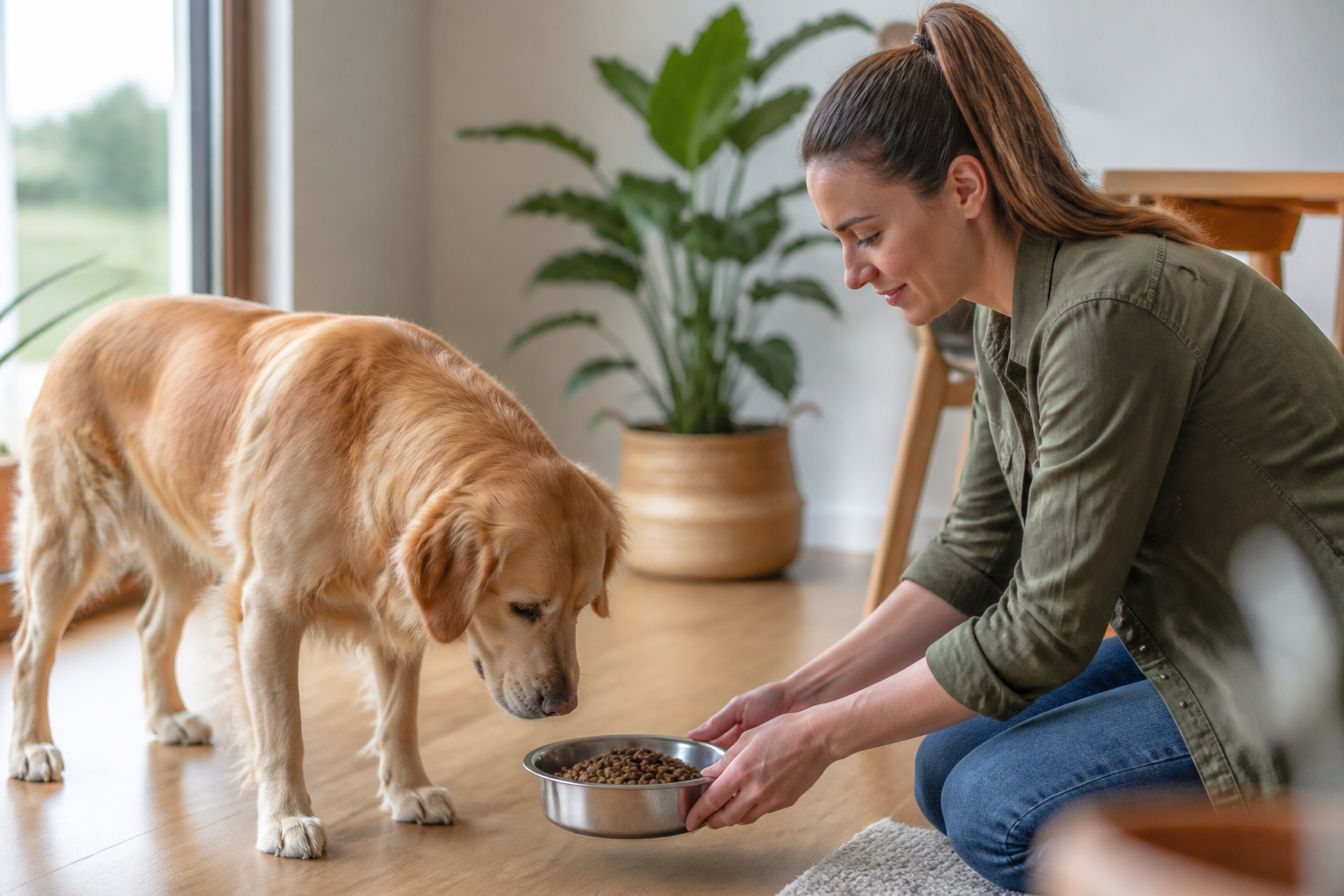
It is a common and frustrating scene for many pet owners. You scoop out the usual serving of high-quality kibble, but your dog simply sniffs the bowl and walks away. This sudden refusal to eat dry food can feel like a standoff, especially if you know they are hungry. At BaxterBoo, we have helped countless pet parents navigate the challenges of picky eating and dietary shifts since 2006. This post covers the most effective ways to troubleshoot why your dog has stopped eating their kibble and how to reignite their interest in mealtime. Whether the issue is behavioral, environmental, or related to the food itself, we provide practical steps to get your dog back on a consistent eating schedule. Understanding the root cause of the refusal is the first step toward a happy, healthy pup with a full belly.
Quick Answer: To get a dog to eat dry food again, first rule out medical issues like dental pain. Then, try enhancing the food’s aroma with warm water or healthy toppers and ensure the kibble is fresh and stored properly.
Rule Out Medical and Health Concerns First
Before assuming your dog is just being stubborn, you must ensure they are not in pain or feeling unwell. A sudden change in appetite is often the first sign of a physical problem. If a dog who previously loved their dry food suddenly stops eating it, their body might be telling you something.
Dental Issues and Mouth Pain
The most common medical reason for refusing dry food is dental disease. If your dog has a cracked tooth, inflamed gums, or an abscess, crunching down on hard kibble can be incredibly painful. You might notice them pick up a piece of food and drop it, or only chew on one side of their mouth. Check for red gums, heavy tartar buildup, or a foul odor coming from their mouth.
Gastrointestinal Distress
Sometimes a dog stops eating because their stomach is upset. This could be due to a minor bug, a food sensitivity, or something more serious like pancreatitis. If your dog is also lethargic, vomiting, or has diarrhea, the refusal to eat is likely a symptom of a larger illness.
Age-Related Changes
Senior dogs often experience a decline in their sense of smell and taste. If the dry food does not smell strong enough, they may lose interest. Additionally, cognitive decline in very old dogs can sometimes lead to changes in eating habits or forgetting mealtimes.
Vet Tip: If your dog refuses to eat for more than 24 hours or shows signs of pain, schedule a visit with your veterinarian. For chronic conditions or prescription dietary needs, our pet pharmacy carries prescription medications and specialized foods.
Check the Freshness of the Food
We often forget that dry dog food is a perishable product. Once a bag of kibble is opened, it begins a process called oxidation. This is when the fats in the food are exposed to oxygen and start to break down.
The Smell Test
Dogs have a sense of smell that is thousands of times more sensitive than ours. If the oils in the kibble have gone rancid, your dog will smell it long before you do. Rancid fat does not just taste bad. It can also cause minor digestive upset. If the bag has been open for more than six weeks, it may simply be stale.
Proper Storage Techniques
Many people pour the kibble directly into a plastic bin. This is actually not the best way to keep food fresh. Plastic bins can develop microscopic scratches that harbor bacteria and old fats. Instead, keep the food inside its original bag and place the entire bag inside a sealed container. This provides a double barrier against oxygen and pests.
Expiration Dates
Always check the "best by" date on the packaging. While kibble is shelf-stable, it does not last forever. If you are buying large bags to save money, make sure your dog can actually finish the bag within a month or two. Our Autoship programme is a great way to ensure you always have a fresh bag arriving exactly when you need it so you never have to worry about the bottom of a stale bag.
Enhance the Sensory Experience
If the food is fresh and your dog is healthy, the problem might be that the dry food is simply boring. You can make the meal much more appealing by changing its texture, temperature, or scent. For additional ideas, see our guide to choosing dry food for picky eaters.
Just Add Water
This is the simplest trick in the book. Adding a small amount of warm water to the kibble creates a few positive changes. It softens the texture for dogs with sensitive mouths. More importantly, the heat releases the aromas of the fats and proteins in the food. Let the water sit for a few minutes to create a light gravy before serving.
Use Healthy Toppers
A little bit of variety goes a long way. You do not need to change the entire diet to make it interesting. A tablespoon of plain canned pumpkin, unsweetened Greek yogurt, or a splash of low-sodium bone broth can make a world of difference. These additions provide moisture and new flavors without significantly unbalancing the nutritional profile of the meal.
Salmon Oil and Omega Fatty Acids
Salmon oil is a fantastic addition for picky eaters. It has a very strong scent that most dogs find irresistible. It also provides essential fatty acids that support skin, coat, and joint health. Brands like Zesty Paws or Honest Paws offer high-quality oils that are easy to pump directly onto the food.
The Power of Wet Food
If your dog is truly on a "kibble strike," try mixing in a small amount of high-quality wet food. Brands like Tiki Cat or Weruva make incredibly fragrant wet options. Use a ratio of 75% dry to 25% wet. Stir it thoroughly so the dog cannot just pick out the wet chunks and leave the dry pieces behind. You can also compare the differences between wet and dry dog food.
Key Takeaway: Enhancing the smell and texture of dry food through warming or healthy toppers is often enough to convince a picky dog to start eating their kibble again.
Behavioral Strategies and Routine
Sometimes the issue is not the food at all. It is the behavior of the dog or the owner. Dogs are very smart and can quickly learn how to hold out for something better.
The "Something Better" Trap
If you give your dog a lot of table scraps or high-value treats throughout the day, they may realize that if they skip their boring kibble, you will eventually give them a piece of chicken or a piece of cheese. By refusing their meal, they are training you to give them better food.
Implement a Strict Feeding Schedule
Stop leaving the food bowl out all day. This is called "free feeding," and it often leads to picky habits because the food loses its value. Instead, follow these steps:
- Put the food bowl down at a set time.
- Give the dog 15 to 20 minutes to eat.
- If they have not eaten, pick the bowl up and put it away.
- Do not give any treats or scraps until the next scheduled mealtime.
- Repeat the process at the next meal.
A healthy dog will not starve themselves. Once they realize that the kibble is the only option and it is only available for a limited time, their survival instinct will usually kick in.
Cut Back on Treats
If you are working on training and using many treats, your dog might simply be full. During the period where you are trying to get them back on dry food, reduce treats significantly. You can even use the kibble from their daily allowance as "treats" for training to ensure they are getting their nutrition without the extra fillers.
Bottom line: A consistent feeding routine and a temporary "no treats" policy can help reset a dog's expectations and encourage them to value their daily meals.
Evaluate the Quality of the Kibble
Not all dry foods are created equal. If your dog is consistently refusing a specific brand, it might be because the ingredients are low-quality or the flavor profile is bland. Explore our dog food category to compare formulas, textures, and protein options.
Ingredient Integrity
Some budget-friendly foods use high levels of fillers like corn, wheat, and soy. These do not have the same olfactory appeal as real meat. Look for foods where a named meat, like chicken, beef, or lamb, is the first ingredient. Brands like Farmina, NutriSource, and Open Farm prioritize high-quality animal proteins that naturally smell better to dogs.
Rotational Feeding
Some dogs get "food fatigue" from eating the exact same protein for years. If you have been feeding a chicken-based diet forever, your dog might perk up if you switch to a fish or beef formula within the same brand. This provides a new scent and amino acid profile without being a total shock to their digestive system.
Transitioning Properly
If you decide to switch brands to something more palatable, do it slowly. A sudden switch can cause diarrhea, which will make your dog even less likely to want to eat.
- Days 1-3: 25% new food, 75% old food.
- Days 4-6: 50% new food, 50% old food.
- Days 7-9: 75% new food, 25% old food.
- Day 10: 100% new food.
Environmental Factors and Stress
The environment where your dog eats can have a huge impact on their appetite. Stress and distractions are common reasons for a dog to walk away from their bowl.
Find a Quiet Spot
If your dog's bowl is in a high-traffic area like a busy kitchen or near a loud appliance, they may feel too distracted or anxious to eat. Move the bowl to a quiet corner where they can eat in peace without being bumped or startled.
Competition with Other Pets
If you have multiple pets, there may be an underlying power dynamic. Even if they do not fight, one dog might feel intimidated by another dog watching them eat. Try feeding your pets in separate rooms to see if the lack of "audience" helps the picky eater feel more comfortable.
The Right Bowl
Believe it or not, the bowl itself can be the problem. Some dogs dislike the sound of their collar tags clinking against a stainless steel bowl. Others might find a deep bowl uncomfortable for their whiskers or snout. Try a shallow ceramic dish or a silicone mat to see if a change in hardware makes a difference.
| Strategy Category | Action to Take | Expected Result |
|---|---|---|
| Physical Health | Check teeth and gums for pain. | Ensures eating is not physically painful. |
| Freshness | Use airtight containers; check dates. | Improves taste and prevents rancid oils. |
| Aroma | Add warm water or bone broth. | Releases scents that trigger the appetite. |
| Behavior | Remove bowl after 20 minutes. | Teaches the dog that mealtimes are limited. |
| Diet Quality | Switch to meat-first ingredients. | Provides better nutrition and better flavor. |
Utilizing Enrichment and Training
Sometimes, a dog refuses to eat from a bowl because they find it boring. In the wild, canines are foragers and hunters. Working for food is part of their natural DNA.
Puzzle Feeders and Snuffle Mats
Instead of a standard bowl, try putting the dry food into a puzzle toy like a Kong or onto a snuffle mat. These tools require the dog to use its nose and paws to find the kibble. The mental stimulation can turn mealtime into a game, making the food seem much more rewarding. For more ideas, explore dog puzzles and enrichment activities.
Interactive Play
You can also use kibble as a reward for simple commands or a game of "hide and seek." Scatter the kibble in the grass in your backyard or hide small piles around the living room. This taps into their natural scavenging instincts and can make them much more excited about eating dry food.
The Importance of Exercise
A dog who has been lying on the couch all day might not be particularly hungry. Increased physical activity can naturally stimulate the appetite. A long walk or a vigorous game of fetch about 30 minutes before mealtime can help ensure your dog is actually ready to eat when the bowl hits the floor.
Key Takeaway: Turning mealtime into an interactive game using puzzle toys or nose work can bypass boredom and encourage a dog to eat their dry food.
Transitioning from Wet Back to Dry
If your dog has been eating wet food due to a recent illness or a bout of pickiness, getting them back to 100% dry food requires patience. You cannot usually do it overnight without a protest. For additional transition guidance, read how to switch between dry and wet dog food.
The Incremental Method
Start by adding just a small amount of kibble to the wet food. The kibble should be well-coated in the wet food so the dog gets used to the crunch again. Every few days, increase the amount of dry food and decrease the wet food.
The Texture Bridge
If the transition is difficult, try soaking the kibble in warm water until it is very soft before mixing it with the wet food. This mimics the texture of the wet food while providing the nutrition of the dry diet. Over time, you can soak the kibble for less and less time until it is back to its original crunchy state.
Consistency is Key
During this transition, it is vital to stay consistent. If you give in and provide a full bowl of wet food because the dog looks sad, you will reset the entire process. Stay firm and keep the ratios moving toward the dry food goal.
When a Change in Diet is Necessary
There are times when no amount of toppers or behavioral training will work because the food itself is truly a poor fit for the dog.
Allergies and Sensitivities
If your dog has itchy skin, chronic ear infections, or frequent gas, they might have an allergy to an ingredient in their dry food. Common culprits include specific proteins or grains. In these cases, the dog might associate the food with feeling poorly.
Specialized Formulas
Our warehouse carries over 500 trusted brands, including limited-ingredient diets and grain-free options like Carna4 or Stella and Chewy's. These are formulated for dogs with high sensitivities. If your veterinarian recommends a prescription diet for a condition like kidney disease or urinary crystals, remember that our dog pharmacy can help you find prescription options.
High-Palatability Options
Some brands are specifically designed to be more "tasty" for difficult eaters. Royal Canin and Bil-Jac often focus on the specific shape and aroma of the kibble to encourage eating. If you have tried everything else, a high-palatability formula might be the answer.
Conclusion
Getting a dog to eat dry food again is usually a matter of ruling out pain, ensuring freshness, and being more patient than your pet. Start by checking their teeth and the expiration date on your bag. If those are clear, focus on making the food smell irresistible with warm water or a high-quality topper like salmon oil. Stick to a firm feeding schedule and limit treats to ensure they are hungry at mealtime. At BaxterBoo, we want to make sure you have the tools and the expert-curated products to keep your dog thriving. Whether you need to try a new protein from NutriSource or set up an Autoship for a fresh monthly bag, we are here to support your journey.
Key Takeaway: Success comes from a combination of high-quality ingredients, proper storage, and a consistent feeding routine that doesn't allow for "holding out" for treats.
FAQ
Why did my dog suddenly stop eating dry food but will still eat treats?
This is a classic sign of a "picky eater" who is holding out for higher-value rewards. Since treats like cheese or chicken are more flavorful and aromatic than kibble, your dog has learned that refusing a meal might result in a better snack. To fix this, cut out all treats and table scraps for several days and stick to a strict 20-minute feeding window for their dry food.
Can I mix human food into the kibble to get my dog to eat?
You can use small amounts of dog-safe human food as a topper, but be careful not to unbalance their nutrition. Plain boiled chicken, unsalted green beans, or plain pumpkin are good choices. However, avoid anything with onions, garlic, or excessive salt, as these are toxic to dogs. Always make sure the "extras" account for less than 10% of their daily calorie intake.
How do I know if my dog's dry food has gone bad?
Rancid dry food often has a sour or "paint-like" chemical smell. You might also notice the kibble feels excessively oily or has visible mold, though mold is often hard to see with the naked eye. If your dog, who usually has a good appetite, suddenly treats the food like it is repulsive, trust their nose and try opening a fresh, smaller bag to see if their interest returns.
Is it okay if my dog only eats wet food forever?
While dogs can live healthy lives on a high-quality wet food diet, dry kibble offers benefits like convenience, cost-effectiveness, and some mechanical cleaning for the teeth. If you must use wet food, consider mixing it with kibble or using it as a topper to maintain the benefits of dry food. If your dog has a medical condition requiring wet food, consult your vet and check our pharmacy for prescription options.






