
 Save 15% on your 1st Autoship learn more

 Email us
 Live Chat
 FAQs
FAQs





Introduction
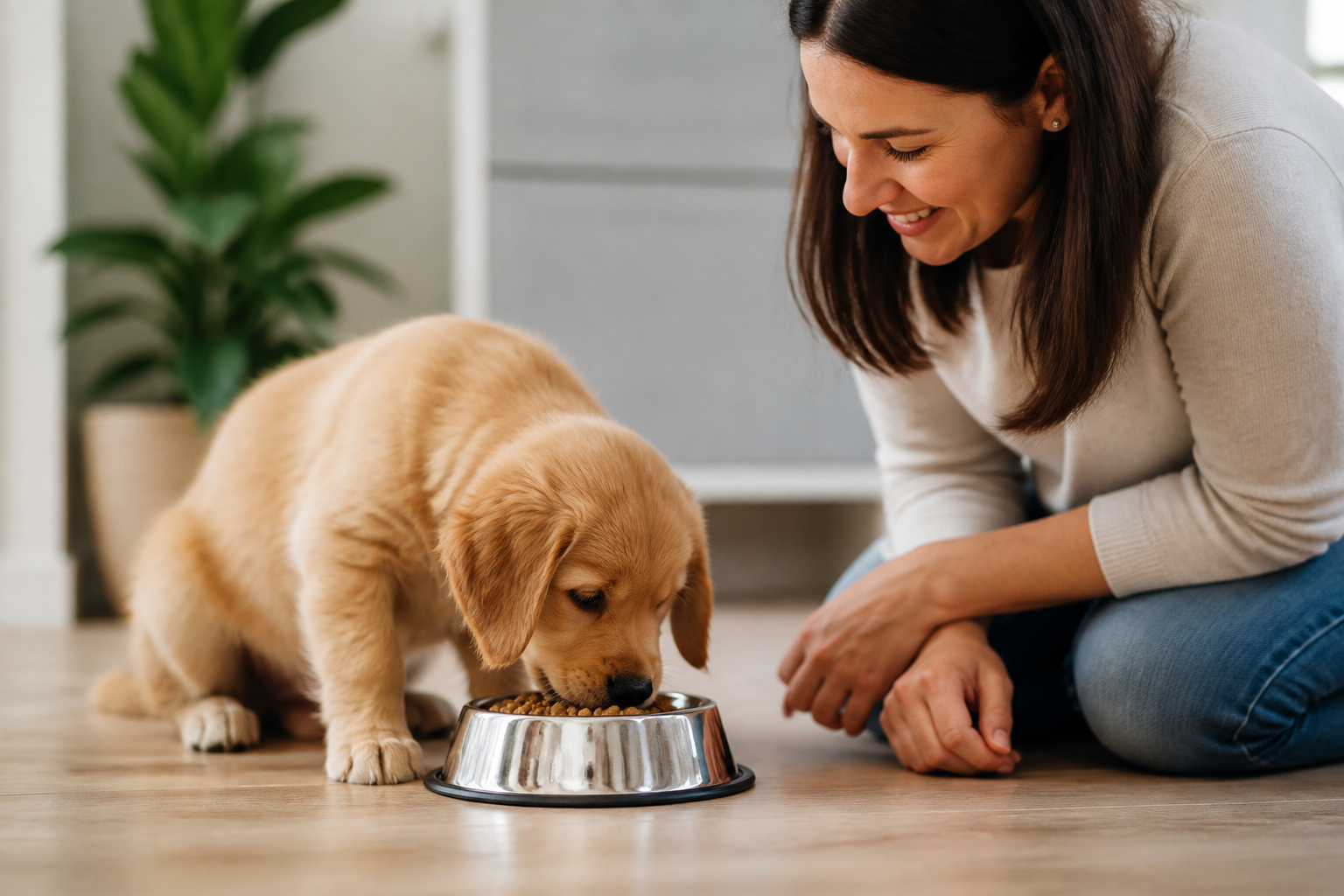
You set the bowl down and your puppy takes one sniff before walking away. It is a frustrating moment for any new pet owner. You chose the best nutrition and followed the breeder’s advice but the kibble remains untouched. This situation is common for many young dogs as they adjust to a new home or deal with the discomfort of teething. At BaxterBoo, we understand that mealtime should be a bonding experience rather than a battle of wills. This post covers why puppies refuse kibble and provides practical steps to encourage healthy eating habits. Our goal is to help you transition your puppy to a consistent dry food diet that supports their growth and development.
Rule Out Health Concerns First
Before you try new feeding tricks, you must ensure your puppy is physically well. A sudden loss of appetite can sometimes signal an underlying medical issue. Puppies are prone to various conditions that might make them turn away from their food bowl.
Common medical reasons for a lack of appetite include:
- Intestinal parasites or upset stomachs.
- Viral infections like parvovirus.
- Dental issues or mouth injuries.
- Respiratory infections that dull their sense of smell.
If your puppy is acting lethargic, vomiting, or has diarrhea, contact your veterinarian immediately. Puppies have very little body fat and can become dehydrated or weak much faster than adult dogs. If your vet determines that a medical condition is the cause, they may prescribe specific treatments.
Our pet pharmacy offers a wide selection of FDA approved medications and prescription pet foods through our partnership with Pet's Choice. If your veterinarian recommends a prescription diet for sensitive stomachs or allergies, we can help you manage those ongoing health needs. Once a professional gives your puppy a clean bill of health, you can focus on behavioral and environmental solutions.
Vet Tip: Always consult your veterinarian if your puppy refuses to eat for more than 24 hours. They can rule out serious infections or developmental issues that require immediate medical intervention.
Understanding Why Your Puppy Won’t Eat Dry Food
There are several non medical reasons why a puppy might ignore their dry food. Identifying the specific cause helps you choose the right solution.
The Transition from Weaning
Most puppies are fully weaned by eight weeks of age. However, some puppies are moved to solid food too quickly. If a puppy was recently transitioned from mother's milk or a very soft gruel, hard kibble might feel foreign and difficult to process. They may still be looking for the warmth and texture of liquid nutrition.
For more guidance on this stage, read our guide to when puppies can eat dry dog food.
The Teething Phase
Teething usually happens between three and six months of age. During this time, your puppy’s gums are swollen and tender. Crunching down on hard kibble can be genuinely painful. If you notice your puppy trying to eat but dropping the food or whining, teething is likely the culprit. You might see a small amount of blood on their chew toys or notice them pawing at their mouth.
Picky Eating Habits
Puppies are smart. They quickly learn that if they refuse the "boring" brown nuggets, their owner might offer something better. If you frequently give your puppy table scraps or high value treats, they may be holding out for the "good stuff." This creates a cycle where the puppy waits for human food instead of eating their balanced puppy kibble.
Environmental Stress
A new home is a lot for a small puppy to process. New smells, different noises, and a lack of their siblings can cause anxiety. Stress often manifests as a lack of appetite. If the food bowl is in a high traffic area like a busy kitchen, your puppy might feel too distracted or nervous to focus on eating.
Quick Answer: Puppies often refuse dry food due to teething pain, environmental stress, or being spoiled by too many treats. You can encourage them to eat by moistening the kibble with warm water or using a consistent feeding schedule.
Practical Steps to Encourage Eating
Once you know why your puppy is hesitant, you can use these strategies to make dry food more appealing.
Step 1: Moisten the Kibble
This is the most effective way to help a teething puppy or one that is transitioning from soft food. Add a small amount of warm water to the dry food. Let it sit for about ten minutes until the kibble softens and expands. This creates a texture similar to wet food but maintains the nutritional balance of the dry formula.
For another perspective on this method, see our guide to adding water to dry dog food.
Warm water also enhances the aroma of the food. Since a dog’s sense of smell is closely linked to their appetite, the stronger scent can entice them to take the first bite. You can also use low sodium dog safe bone broth for added flavor. Brands like Caru offer specialty broths that are formulated specifically for pets without harmful onions or excessive salt.
Step 2: Establish a Strict Feeding Schedule
Free feeding is when you leave a bowl of food out all day. This often makes puppies less interested in their meals because the food is always available. Instead, use a scheduled approach.
Place the bowl down for exactly twenty minutes. If the puppy does not eat, pick the bowl up and do not offer food again until the next scheduled mealtime. This teaches the puppy that food is a limited resource. Most puppies should eat three small meals a day until they are six months old. After that, you can move to two meals per day.
Our dry dog food category can help you compare formulas while keeping your puppy’s meals consistent.
Step 3: Use Food Toppers
Sometimes a puppy just needs a little extra incentive. Adding a topper can bridge the gap between "boring" kibble and a delicious meal. At BaxterBoo, we carry a variety of healthy toppers from trusted brands like Stella and Chewy’s or Open Farm.
Healthy topper options include:
- A spoonful of plain, unsweetened Greek yogurt.
- Freeze dried raw morsels crumbled over the top.
- A small amount of canned pumpkin (not pie filling).
- High quality wet food mixed thoroughly with the kibble.
Be careful not to overdo the toppers. You want the puppy to eventually eat the kibble on its own. Gradually reduce the amount of topper as their appetite for the dry food improves.
Key Takeaway: Moistening kibble with warm water or broth is the best first step for teething puppies. It reduces pain and increases the aroma of the meal.
Choosing the Right Kibble for Your Puppy
Not all dry food is created equal. The size, shape, and ingredients of the kibble play a huge role in whether a puppy will eat it.
Kibble Size and Texture
Small breed puppies like Chihuahuas or Yorkies have tiny mouths. If the kibble pieces are too large, they may struggle to chew them. Look for formulas specifically labeled for small breeds. These will have smaller, "life size" bits that are easier for little jaws to manage. Conversely, large breed puppies need kibble that encourages them to chew rather than bolt their food. Brands like Royal Canin and Farmina offer breed specific or size specific formulas that account for these differences.
Ingredient Quality and Palatability
Some budget dog foods use a lot of fillers like corn and soy. These may not smell or taste very appealing to a puppy. Switching to a high quality, protein forward brand can make a significant difference. Orijen and Acana use high percentages of fresh animal ingredients that naturally smell better to dogs. If your puppy has a sensitive stomach, look for limited ingredient diets from brands like NutriSource or PureVita.
For additional help comparing puppy formulas, explore what to look for in dry dog food for puppies.
Freshness Matters
Dry food can go stale or rancid if it is not stored properly. If the bag has been open for more than a month, the fats in the food can begin to oxidize. This creates a sour smell that humans might miss but puppies will definitely notice. Always keep kibble in its original bag and seal it tightly inside an airtight container. Check the expiration date on every bag you buy to ensure you are providing the freshest nutrition possible.
Our article on keeping dry dog food fresh offers more storage guidance.
Behavioral Training and Enrichment
Sometimes the issue is not the food but the way it is presented. You can use your puppy’s natural instincts to make mealtime more exciting.
Make a Game of It
In the wild, dogs are scavengers and hunters. Eating from a static bowl can be boring for a high energy puppy. Try using a puzzle toy like a Kong or a West Paw Toppl. Stuffing the dry food into a toy and perhaps sealing it with a little wet food or peanut butter makes the puppy "work" for their meal. This mental stimulation can increase their interest in the food.
The Training Reward Method
If your puppy loves treats but hates their bowl, use the kibble as training rewards. During your daily obedience sessions, use the dry food nuggets instead of high calorie treats. Most puppies will happily eat their dinner piece by piece if they feel they are earning it through play and interaction with you.
When extra rewards are appropriate, browse our dog treats category.
Change the Feeding Location
If your puppy feels anxious in the kitchen, try moving their bowl to a quieter area. A laundry room or a corner of the living room might feel safer. Avoid areas with loud appliances or high foot traffic. If you have other pets, feed the puppy in a separate room. Competition for food can sometimes cause a submissive puppy to back away from the bowl rather than fight for their share.
Bottom line: Making mealtime an interactive experience through puzzle toys or training sessions can help a puppy overcome boredom or anxiety related to their food bowl.
When to Seek Professional Help
While most cases of picky eating can be solved at home, there are times when you need a professional. If your puppy is losing weight or failing to gain weight as they grow, this is a serious concern.
Check for these "Red Flags":
- Whining or yelping when they try to bite down.
- Eating on only one side of their mouth.
- Extreme lethargy or lack of interest in play.
- Persistent bad breath (can indicate dental infection).
If you suspect dental pain beyond normal teething, your vet can examine their mouth for retained baby teeth or gum infections. Our pharmacy partnership with Pet's Choice is a great resource if your vet prescribes dental gels or specialized oral health diets. We focus on providing the medical supplies you need to keep your puppy on a healthy growth track.
You should also consider the role of your puppy's routine. If you are a member of our Autoship program, you know how important consistency is. Having the same high quality food arrive on a regular schedule helps prevent the "emergency" trips to the grocery store for a different brand, which can upset a puppy's stomach and lead to more picky behavior.
Transitions and Rotational Feeding
Once your puppy is eating dry food consistently, you might want to introduce variety. Rotational feeding involves switching protein sources—like moving from chicken to lamb—within the same brand. This can prevent food boredom and help develop a more robust digestive system.
However, never switch foods abruptly. This is a common mistake that leads to diarrhea and a puppy who associates their food with feeling sick.
Step 1: Mix 25% of the new food with 75% of the old food for three days.
Step 2: Move to a 50/50 mix for the next three days.
Step 3: Increase to 75% new food and 25% old food for the final three days.
Step 4: Transition to 100% of the new food once the puppy’s stools remain firm.
By taking it slow, you ensure the puppy’s gut bacteria have time to adjust to the new ingredients. Brands like Zesty Paws or Honest Paws offer probiotics that can be added to the food during these transitions to support digestive health.
Maintaining Long Term Success
Getting your puppy to eat dry food is just the first step in a lifetime of good nutrition. At BaxterBoo, we have been helping pet owners navigate these challenges since 2006. We have seen thousands of puppies grow into healthy adults by following these simple, consistent patterns.
Remember to keep human food away from the puppy. It is tempting to share a piece of cheese or a bit of bacon, but this only reinforces the idea that their kibble is second best. Stick to high quality treats from our curated selection and save them for training or special rewards.
If you are looking for ways to save on your puppy’s ongoing needs, our MVP Rewards program allows you to earn points on every bag of food or bottle of supplement you buy. These points add up quickly, especially during the first year when puppies go through a lot of gear and nutrition. Whether you are visiting our warehouse in Vernon Hills or ordering online for home delivery, our goal is to provide value without compromising on the quality your puppy deserves.
Key Takeaway: Consistency is the enemy of picky eating. Keep a regular schedule, limit human scraps, and use high quality puppy specific kibble to ensure long term health.
Summary of Feeding Tips
Transitioning to dry food takes patience. Every puppy is different, and what works for a Golden Retriever might not work for a French Bulldog. Use the following checklist to troubleshoot your puppy's progress:
- Check for teething pain or mouth sores.
- Warm up the food with water or broth.
- Stop all table scraps and limit treats.
- Ensure the kibble size is appropriate for their breed.
- Use a quiet, distraction-free feeding area.
- Try a puzzle toy to make eating a fun activity.
By staying calm and consistent, you will help your puppy develop a healthy relationship with their food. If you ever have questions about which brand of food or which puzzle toy is right for your specific breed, our team is always here to help. We handpick every product we carry because we want only the best for your pets.
FAQ
How long can a puppy go without eating?
A puppy should not go more than 24 hours without eating. Because they have very small energy reserves, they are at risk for hypoglycemia (low blood sugar), especially in toy breeds. If your puppy skips more than two meals, contact your veterinarian to rule out illness or dehydration.
Can I mix wet food with dry food permanently?
Yes, many pet owners choose to feed a "mixed" diet. This provides the hydration and palatability of wet food along with the dental benefits and convenience of dry kibble. Just be sure to calculate the total calories to prevent overfeeding, as puppies need specific amounts of energy to grow at a healthy rate.
Why does my puppy eat kibble out of my hand but not the bowl?
This is often a sign of anxiety or "bowl aversion." Some puppies find the sound of their tags hitting a metal bowl scary, or they may dislike the reflection in a stainless steel dish. Try using a flat ceramic plate or a shallow silicone mat to see if a change in the feeding surface makes them more comfortable.
Is it okay to use human chicken broth for puppy food?
You must be very careful with store-bought human broths. Many contain onions, garlic, and high levels of sodium, all of which are toxic or unhealthy for dogs. It is much safer to use a broth specifically made for pets, like those from The Honest Kitchen or Caru, which are guaranteed to be free of harmful additives.






