
 Save 15% on your 1st Autoship learn more

 Email us
 Live Chat
 FAQs
FAQs





Introduction
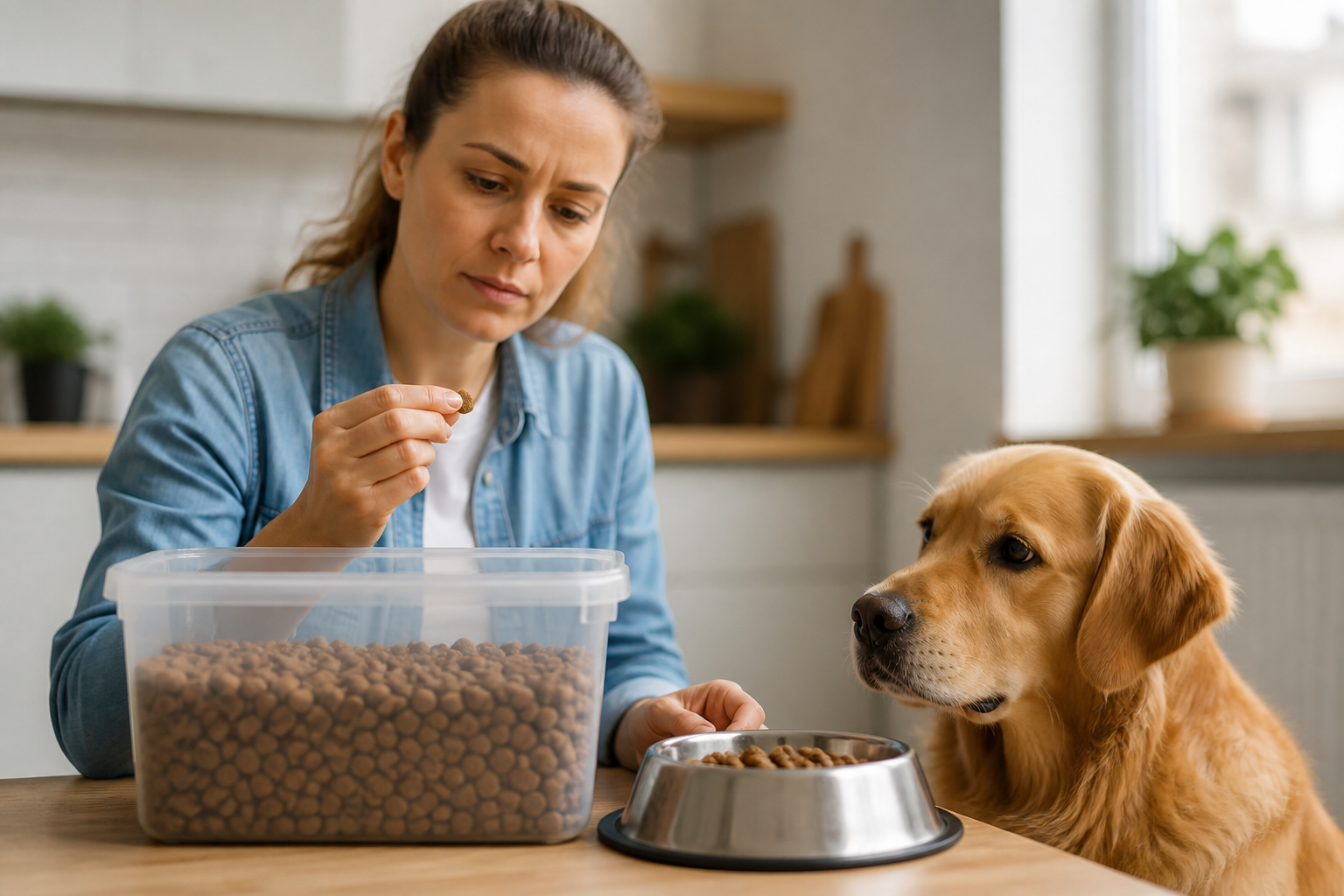
You reach for the bag of kibble to fill your dog's bowl. Usually, your pup is dancing at your feet in anticipation. Today, they sniff the bowl and walk away. This moment often leaves owners wondering if their pet is suddenly being picky or if there is a problem with the food itself. At BaxterBoo, we know how important it is to feel confident about the quality of every meal you serve. Identifying spoiled dry dog food involves more than just checking a date on the bag. It requires a keen eye for changes in texture and a sharp nose for the chemical shifts that happen when fats go bad. This guide will help you spot the signs of spoilage and teach you the best ways to keep your dog's food fresh and nutritious.
Quick Answer: You can tell if dry dog food is spoiled by checking for a sour or metallic smell, visible mold, or a soft, crumbly texture. If your dog suddenly refuses to eat their usual kibble, it is often a sign they have detected spoilage that you cannot yet see or smell.
Use Your Senses to Detect Spoilage
The first line of defense in pet food safety is your own observation. While dry food is processed to be shelf stable, it is not invincible. It can go bad well before the expiration date if it is not handled correctly.
The Smell Test
Fresh kibble usually has a mild, grainy, or meaty aroma. When fats in the food begin to break down, they undergo a process called lipid oxidation. This creates a distinct smell that many people describe as sour, rancid, or similar to old paint or varnish.
Some owners notice a metallic scent. This is often the result of fish oils or other unsaturated fats becoming oxidized. Dogs have millions more scent receptors than humans do. If you can smell that the food is off, your dog has likely been smelling it for days. Trust your nose. If the bag smells significantly different than when you first opened it, it is time to replace it.
Visible Signs of Mold and Moisture
Dry dog food is designed to have very low moisture content. This prevents the growth of bacteria and fungus. However, if the bag is stored in a humid environment or if water gets inside, mold can grow quickly.
Check the kibble for any fuzzy white, green, or black spots. Sometimes mold is not fuzzy. It might appear as a dark discoloration on the surface of the bits. If you see mold on even a few pieces of kibble, the entire bag must be discarded. Spores can spread throughout the bag even if they are not visible to the naked eye.
Changes in Texture and Feel
Fresh kibble should be hard and have a satisfying crunch. Spoiled food often loses this texture. If the kibble feels soft, rubbery, or crumbles easily between your fingers, it has likely absorbed too much moisture.
You should also look for an oily or "slimy" film on the surface of the pieces. While some high fat foods naturally feel slightly oily, an increase in greasiness can indicate that the fats are migrating to the surface and spoiling.
Key Takeaway: Spoilage is most often identified through a sour or metallic smell, visible mold growth, or a change from a crunchy to a soft, crumbly texture.
Why Dry Dog Food Goes Bad
Understanding why food spoils can help you prevent it. There are four main enemies of pet food freshness: air, light, heat, and moisture. When comparing replacement options, browse our dry dog food category for a variety of formulas.
Oxidation and Oxygen Exposure
Oxygen is the primary cause of rancidity. When oxygen interacts with the fats in the kibble, it breaks them down into smaller, foul smelling molecules. This does more than just ruin the taste. It also destroys essential fatty acids like Omega-3 and Omega-6. This means the food loses its nutritional value even before it becomes dangerous to eat.
Heat and Temperature Fluctuations
Heat acts as a catalyst for chemical reactions. Storing food in a garage or near a heater speeds up the oxidation process. It also creates a breeding ground for bacteria if any moisture is present. We recommend keeping food in a climate controlled area of your home.
The Role of Humidity
High humidity can cause the kibble to absorb water from the air. This raises the "water activity" levels in the food. When these levels get too high, mold and yeast can begin to grow. This is why bathrooms and laundry rooms are often poor choices for food storage.
Pest Infestations
Insects like grain weevils and storage mites are attracted to the proteins and grains in dog food. These pests can hitch a ride from the warehouse or find their way into an unsealed bag at home. Check the bottom of the bag for "dust" or small webbing, which are signs of insect activity. If you find bugs, the food is contaminated and unsafe.
Vet Tip: If you notice signs of pests or mold in your dog's food, do not try to "pick out" the bad parts. Contamination often affects the entire bag. Serving contaminated food can lead to serious gastrointestinal distress or allergic reactions.
How Your Dog’s Behavior Can Tip You Off
Your dog is the ultimate expert on their food. Because their sense of smell is so much more advanced than ours, they can detect chemical changes long before we can.
If your dog is usually an enthusiastic eater but suddenly hesitates, pay attention. They might sniff the bowl, look at you, and then walk away. They might also try to "bury" the food by nudging the bowl or moving their head as if they are covering it with dirt. This is an instinctive behavior to hide something that smells bad or "dead."
Do not force your dog to eat if they are refusing. While some dogs are naturally picky, a sudden change in appetite is often a signal that something is wrong with the food or their health. For additional ideas, read about getting dogs to eat dry food.
The Dangers of Feeding Spoiled Food
Feeding rancid or moldy food is not just a matter of poor taste. it can lead to health problems ranging from mild to severe.
Gastrointestinal Upset
Rancid fats can irritate the lining of the stomach and intestines. This often results in:
- Vomiting
- Diarrhea
- Excessive gas
- Abdominal pain
These symptoms usually appear shortly after the dog eats the spoiled meal. If the symptoms are severe or persist for more than 24 hours, you should contact your veterinarian. Our pharmacy at BaxterBoo offers a variety of FDA-approved medications through our partnership with Pet's Choice that can help manage these symptoms once your vet provides a prescription.
Nutritional Deficiencies
As food spoils, the vitamins and minerals inside begin to degrade. Vitamin E and Vitamin A are particularly sensitive to oxidation. If a dog eats stale food over a long period, they may not be getting the nutrients they need to maintain a healthy coat, skin, and immune system.
Mycotoxins and Bacterial Growth
In severe cases of spoilage involving mold, dangerous substances called mycotoxins can be produced. Some molds, like Aspergillus, produce aflatoxins which are toxic to the liver. Bacterial growth, such as Salmonella or E. coli, can also occur in food that has been exposed to moisture and heat. These can be life threatening for pets and can even pose a risk to the humans handling the food.
Bottom line: Spoiled food is a health hazard that can cause anything from simple stomach upset to serious toxicosis and long-term nutritional gaps.
Proper Storage Strategies for Peak Freshness
The way you store your food at home determines how long it stays fresh. Many owners make the mistake of moving food into different containers, but this can actually backfire. For more storage guidance, see our dry dog food freshness tips.
Keep It in the Original Bag
The bags used by brands like Royal Canin, Farmina, and NutriSource are highly engineered. They are designed with specialized liners to prevent fat migration and keep oxygen out.
When you pour the kibble directly into a plastic bin, the plastic can actually absorb fats from the food. Over time, these trapped fats go rancid. When you add a new bag of food to the bin, the rancid residue contaminates the fresh batch.
Use an Airtight Secondary Container
If you want the extra protection of a storage bin, place the entire bag inside the bin. This gives you two layers of protection. It keeps the food in its original, protective environment while the bin provides an airtight seal against pests and humidity.
Folding and Sealing
Every time you open the bag, squeeze out as much air as possible before sealing it. If the bag does not have a built-in zipper, fold the top over several times and use a heavy duty bag clip. The less "headspace" or air inside the bag, the slower the oxidation process will be.
Location Matters
Store the food off the floor and in a dark, cool place. A kitchen pantry is usually the best option. Avoid areas like:
- Under the kitchen sink (too much moisture)
- The garage (extreme temperature swings)
- Next to the oven or dishwasher (excessive heat)
Key Takeaway: For the best results, keep dry dog food in its original bag and place that bag inside an airtight container in a cool, dry pantry.
Managing Your Food Supply
Buying in bulk can save money, but it is only a good deal if the food stays fresh until the bottom of the bag. If you are unsure how much to purchase, this guide to how much dry food to feed a dog can help with portion planning.
The 6-Week Rule
Most experts recommend using a bag of dry dog food within four to six weeks of opening it. After six weeks, even well stored food begins to lose its nutritional potency and its flavor profile starts to decline.
If you have a small dog, it is often better to buy smaller bags more frequently. We offer a wide selection of bag sizes at BaxterBoo so you can find the perfect amount for your household. Using our Autoship program is a great way to ensure fresh food arrives exactly when you need it without having to store massive quantities.
Checking Dates
Always check the "Best By" or expiration date before purchasing or serving food.
- Best By Date: This is the manufacturer's estimate of how long the food will maintain its peak quality and nutritional value.
- Expiration Date: This is the point after which the food may no longer be safe to consume.
Keep in mind that these dates apply to unopened bags. Once the seal is broken, the clock starts ticking much faster.
Handling Recalls
Sometimes food is spoiled or contaminated before it ever reaches your home. Stay informed about pet food recalls. You can check the FDA website or sign up for alerts from reputable pet safety organizations. If a brand you use is recalled, stop feeding it immediately, even if your dog seems fine.
Steps to Take if Your Dog Eats Spoiled Food
If you realize your dog has consumed spoiled or moldy kibble, do not panic, but act quickly.
Step 1: Remove the food.
Immediately take the bowl away and secure the bag so the dog cannot get back into it.
Step 2: Monitor for symptoms.
Watch for vomiting, diarrhea, lethargy, or any unusual behavior. Note the time the food was eaten and how much was consumed.
Step 3: Keep the packaging.
If your dog gets sick, your vet may want to see the bag. The lot numbers and expiration dates are vital for identifying the specific batch of food and checking for known issues.
Step 4: Contact your veterinarian.
If your dog shows signs of distress, call your vet. They can provide guidance on whether you should induce vomiting or bring the pet in for observation and fluids.
Vet Tip: For dogs with sensitive stomachs or those recovering from food-related illness, your vet might recommend a prescription diet. Our pharmacy and Pet's Choice partnership make it easy to get these specialized foods delivered right to your door.
Transitioning to a Fresh Bag
When you replace spoiled food with a fresh bag, don't forget that a sudden change in diet can also cause stomach upset. For more guidance on feeding portions and routines, read how much dry dog food to feed your dog.
- Start with a small portion of the fresh food.
- If the previous food was spoiled, do not mix the old and new.
- Monitor your dog’s stool and energy levels over the next 48 hours.
- If your dog is hesitant to eat the new food, they might still be feeling nauseous from the spoiled batch. Contact your vet if their appetite does not return within a day.
Conclusion
Keeping your dog's food fresh is a fundamental part of pet ownership. By using your senses to check for off odors, mold, and texture changes, you can catch spoilage before it causes a problem. Remember that the original packaging is your best friend for storage, and keeping food in a cool, dry place is essential. At BaxterBoo, we are committed to providing the highest quality products and the information you need to keep your pets thriving. Whether you are browsing our premium dog food selection or utilizing our pharmacy for health needs, we are here to support your journey as a pet parent.
Bottom line: Trust your nose and your dog's instincts; if the food seems off, it probably is.
FAQ
How long does dry dog food stay fresh after the bag is opened?
Once you open a bag of dry dog food, it generally stays fresh for about four to six weeks. To maintain quality for this long, the bag must be tightly sealed and stored in a cool, dry place. After the six week mark, the nutritional value begins to decline significantly and the risk of rancidity increases.
Can I store my dog's food in the garage?
It is not recommended to store dog food in a garage. Garages experience extreme temperature fluctuations and high humidity, which can speed up the spoilage of fats and encourage mold growth. It is much safer to store the food in a climate controlled area like a kitchen pantry or a closet.
Is it safe to feed my dog food that is just past its expiration date?
It is generally best to discard food that has passed its expiration or "Best By" date. While the food might not be immediately toxic, the vitamins have likely degraded, and the fats may have started the process of oxidation. Manufacturers cannot guarantee the nutritional completeness or safety of the product once that date has passed.
Why shouldn't I pour kibble directly into a plastic storage bin?
Plastic bins are often porous and can trap fats and oils from the food. Over time, these oils go rancid and can contaminate every new bag of food you pour into the bin. It is much better to keep the food in its original bag and place the entire bag inside the plastic container for an extra layer of protection.






