
 Save 15% on your 1st Autoship learn more

 Email us
 Live Chat
 FAQs
FAQs





Introduction
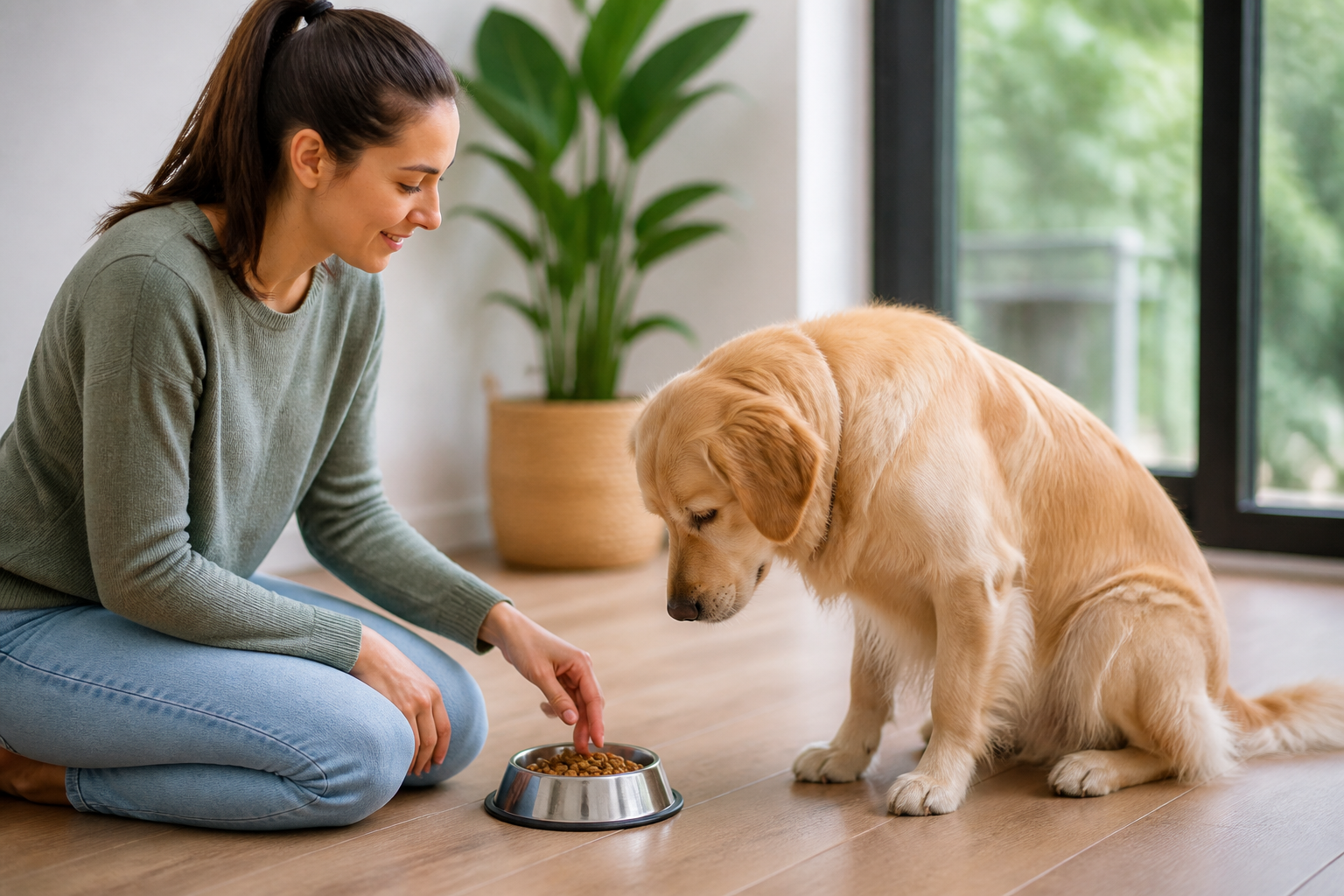
It is a familiar scene for many dog owners. You scoop out a serving of high quality kibble, set the bowl down with a smile, and your dog takes one sniff before walking away. Maybe they are holding out for the wet food they had yesterday. Perhaps they have decided that dry food is simply too boring to bother with. This refusal can be frustrating and even a little worrying for a pet parent. At BaxterBoo, we have helped countless owners navigate the world of picky eaters since 2006. We know that getting a dog to embrace dry food is often about a mix of patience, strategy, and understanding their unique preferences. This guide covers the best ways to entice your dog to eat kibble and how to build better mealtime habits.
Quick Answer: To train a dog to eat dry food, use a gradual transition by mixing kibble with wet food or warm water. Establish a strict feeding schedule by removing the bowl after 30 minutes to encourage hunger and focus during mealtimes.
Rule Out Medical and Health Concerns First
Before you assume your dog is just being stubborn, you must ensure they are not in pain. A dog that suddenly stops eating dry food might have a physical reason for the change. Dry kibble is hard and requires significant crunching power. If your dog has a cracked tooth, inflamed gums, or an abscess, the act of chewing can be painful. This is especially common in senior dogs or small breeds prone to dental issues.
Digestive problems can also play a role. If a specific brand of dry food makes your dog feel nauseated or bloated, they will quickly learn to avoid the bowl. You might notice other signs like lethargy, gas, or changes in their stool. If the refusal is sudden or accompanied by weight loss, a trip to the veterinarian is the most important first step.
If your vet discovers a health condition like kidney disease or severe allergies, they may prescribe a specific therapeutic food. Our pet pharmacy carries prescription diets in both wet and dry versions, and our team can help you fulfill valid orders from your veterinarian.
Vet Tip: If your dog paws at their mouth or drops pieces of kibble after biting them, they may have dental disease. Consult your veterinarian for a full oral exam to rule out pain as the cause of their picky eating.
Making Dry Food More Appetizing
If your dog is healthy but disinterested, you need to boost the sensory appeal of the kibble. Dogs rely heavily on their sense of smell to determine if something is worth eating. Dry food that has been sitting in a bag for weeks loses its aroma. You can "reactivate" the scent and improve the texture with a few simple pantry staples.
The Power of Warm Water
Adding a splash of warm water to the bowl is one of the easiest tricks in the book. The warmth helps release the fats and aromas within the kibble. It also creates a light gravy that coats each piece. Let the food soak for about five to ten minutes until it softens slightly. This texture is often much more familiar to dogs that are used to eating wet food.
Use Low Sodium Broths
If water does not do the trick, try a dog safe bone broth. Ensure the broth does not contain onions, garlic, or excessive salt, as these can be toxic or irritating. A small amount of chicken or beef bone broth adds a punch of savory flavor that most dogs find impossible to resist. We carry several pour over options that are specifically formulated for this purpose.
Temperature Adjustments
Sometimes, simply warming the food in the microwave for five to ten seconds can make a difference. Be very careful to stir the food and check for hot spots before serving. You want the food to be warm to the touch, not hot. A warm meal mimics the temperature of fresh prey, which can trigger a dog's natural scavenging instincts.
Using Toppers and Mix-Ins Effectively
Toppers are a great bridge for dogs transitioning to a dry diet. However, you must use them strategically so your dog does not just pick out the "good stuff" and leave the kibble behind. The goal is to make the topper inseparable from the dry food.
- Stella and Chewy's Meal Mixers: These freeze dried raw nuggets can be crumbled into a fine powder and tossed with the kibble. This ensures every bite of dry food tastes like high quality meat.
- Plain Yogurt or Kefir: A spoonful of unsweetened plain yogurt can provide probiotics and a creamy texture that sticks to the kibble.
- Canned Wet Food: Mixing a small amount of wet food into the dry food is a classic technique. Ensure you stir it thoroughly so the dry pieces are fully coated.
Key Takeaway: Toppers should be used to enhance the dry food, not replace it. Always stir mix-ins thoroughly to prevent your dog from picking out only the treats.
The 30 Minute Feeding Rule
One of the biggest mistakes owners make is "free feeding," which means leaving the bowl out all day. When food is always available, it becomes less valuable to your dog. They have no incentive to eat when you serve the meal because they know they can just snack later. To train your dog to eat on your terms, you must implement a strict schedule.
Set the bowl down and give your dog exactly 30 minutes to eat. If they have not finished by the time the timer goes off, pick the bowl up and put it away. Do not offer treats or table scraps until the next scheduled mealtime. At the next meal, offer the same dry food again.
This method relies on healthy hunger to do the work for you. Most healthy dogs will not starve themselves. After one or two missed meals, they will realize that the food is only available for a limited time. This builds a "strike while the iron is hot" mentality that makes them much more likely to finish their kibble immediately.
Step-by-Step Transition from Wet to Dry
If your dog is currently eating a 100 percent wet food diet, you cannot switch them to dry food overnight. This can cause upset stomachs and lead to a total refusal of the new food. A slow transition over seven to ten days is the best approach.
- Days 1 to 2: Serve 75 percent of their usual wet food mixed with 25 percent dry kibble.
- Days 3 to 4: Move to a 50/50 split. Ensure you are stirring the food well so the kibble soaks up the moisture from the wet food.
- Days 5 to 6: Serve 75 percent dry kibble and 25 percent wet food.
- Day 7: Offer 100 percent dry kibble.
If your dog has a very sensitive stomach, you can stretch this process out over 14 days. During this time, watch for any signs of vomiting or diarrhea. If you notice digestive upset, go back to the previous ratio for a few more days before trying to increase the dry food again.
For a deeper look at the process, our guide on How to Switch From Dry to Wet Dog Food is a helpful companion read.
Environmental Factors and Stress
Where and how you feed your dog matters just as much as what is in the bowl. If your dog is anxious or distracted, they may not feel comfortable enough to eat. A busy kitchen with children running around or other pets hovering nearby can create a stressful environment.
Try moving the food bowl to a quiet corner or a separate room. Some dogs prefer eating in their crate where they feel safe and enclosed. If you have multiple pets, feed them in separate areas so there is no competition for resources. Sometimes, a dog refuses dry food simply because they are too worried about the cat stealing their dinner or the toddler dropping a toy nearby.
Making Kibble Fun with Enrichment
Sometimes the problem isn't the taste of the food, but the delivery method. Many dogs find eating from a standard stainless steel bowl boring. They are natural foragers and hunters, and making them "work" for their food can actually increase their interest in it.
Puzzle Feeders and Slow Bowls
Brands like KONG offer various toys that you can stuff with kibble. As your dog bats the toy around, a few pieces of dry food fall out. This turns mealtime into a game. The physical and mental stimulation involved in getting the food out can make the kibble seem like a reward rather than a chore.
Snuffle Mats
A snuffle mat is a fabric mat with many felt strips that hide the dry food. Your dog has to use their nose to find every piece of kibble. This engages their olfactory senses and can make dry food much more exciting. Many owners find that a dog who ignores a bowl will happily spend twenty minutes "hunting" for that same kibble in a snuffle mat.
Choosing the Right Kibble for Your Dog
Not all dry food is created equal. The size, shape, and freshness of the kibble can all impact whether your dog wants to eat it. If you have a small breed like a Yorkie, they may struggle with large, hard chunks of kibble. Conversely, a large breed might find tiny pellets unappealing.
Check for Freshness
Dry food contains fats that can go rancid over time. Once a bag of dog food is opened, it stays fresh for about two to four weeks. If you buy a massive bag for a small dog, the food at the bottom of the bag may taste stale or "off" by the time you reach it. Always store your kibble in its original bag inside an airtight container to preserve the flavor and aroma.
If you want a more detailed breakdown, our post on How Long Does Dry Dog Food Stay Fresh Once Opened? covers storage and freshness in more detail.
High Quality Ingredients
Dogs are often more attracted to foods with high meat content. Look for brands that list a specific animal protein, like chicken, beef, or salmon, as the first ingredient. Brands like Royal Canin or Farmina offer specific formulas tailored to different sizes and sensitivities. A higher quality food usually has a stronger natural scent and better palatability than budget options filled with corn and soy.
Bottom line: Selecting a kibble size appropriate for your dog's mouth and ensuring the food is fresh are simple ways to improve mealtime success.
Using Mealtime as a Training Opportunity
If your dog is highly motivated by attention and praise, try using their dry food as training treats. Instead of putting the bowl down, put the kibble in a treat pouch. Spend ten minutes practicing basic commands like sit, stay, or come.
When your dog performs a command correctly, give them a few pieces of kibble. By the end of the session, they have eaten their entire meal. This changes the context of the food. It is no longer just "dinner" sitting in a bowl; it is a hard earned reward for a job well done. This technique is especially useful for high energy puppies who need mental stimulation.
Cutting Back on Scraps and Treats
You might be unintentionally sabotaging your dog's appetite for dry food. If your dog receives frequent table scraps or high calorie treats throughout the day, they are never truly hungry. A dog that just had a piece of cheese and a biscuit is going to be much more selective about their kibble.
Audit how many treats your dog is getting. Treats should never make up more than 10 percent of a dog's daily caloric intake. If you are struggling with a picky eater, cut out all extras for at least a week. When their only option for calories is the dry food in their bowl, they will be much more likely to eat it.
For more feeding ideas, our article on What Dry Dog Food Is Best for Picky Eaters: A Practical Guide is a useful next step.
Conclusion
Training your dog to eat dry food requires a combination of ruling out health issues and being more stubborn than your pet. By using toppers wisely, establishing a strict 30 minute feeding schedule, and ensuring the food is fresh and appetizing, you can help your dog enjoy their kibble. Remember to transition slowly if you are moving away from wet food and consult your vet if the lack of appetite persists.
We are here to support you with a massive selection of over 500 brands and a dedicated pharmacy for any specialized needs. To make life easier, consider signing up for our Autoship programme. You will save on your first order and never have to worry about running out of fresh kibble again.
FAQ
How long can a dog go without eating if they refuse dry food?
Most healthy adult dogs can go for 24 to 48 hours without a meal without any long term harm. However, you should never force a dog to go without food if they have underlying health issues or if they are a puppy. If your dog refuses all food for more than two days, you should contact your veterinarian immediately to rule out illness.
Can I mix wet and dry food forever?
Yes, many owners choose to feed a "mixed" diet indefinitely. Mixing wet and dry food provides the dental benefits of crunching on kibble while offering the hydration and aroma of wet food. Just be sure to calculate the total calories from both sources to ensure you are not overfeeding your dog.
If you are weighing the pros and cons, Can You Mix Dry Dog Food With Wet? is a helpful read.
Why does my dog eat dry food when I hand feed it but not from the bowl?
Hand feeding adds a social and rewarding element to the meal. Your dog may be seeking your attention or may find the bowl itself off-putting. Some dogs dislike the sound of their tags hitting a metal bowl or find the reflection in a stainless steel dish frightening. Try a ceramic or plastic bowl, or a flat plate, to see if it changes their behavior.
Is it okay to add human food like chicken to the kibble?
You can add small amounts of plain, boiled chicken or vegetables like carrots to the kibble as a topper. However, you must be careful not to create a "spoiled" eater who will only eat if there is human food included. Always chop the additions very small and mix them in thoroughly so your dog cannot separate the chicken from the dry food.
For ongoing value on repeat purchases, our MVP Rewards programme is another smart way to keep essentials in the budget.






