
 Save 15% on your 1st Autoship learn more

 Email us
 Live Chat
 FAQs
FAQs





Introduction
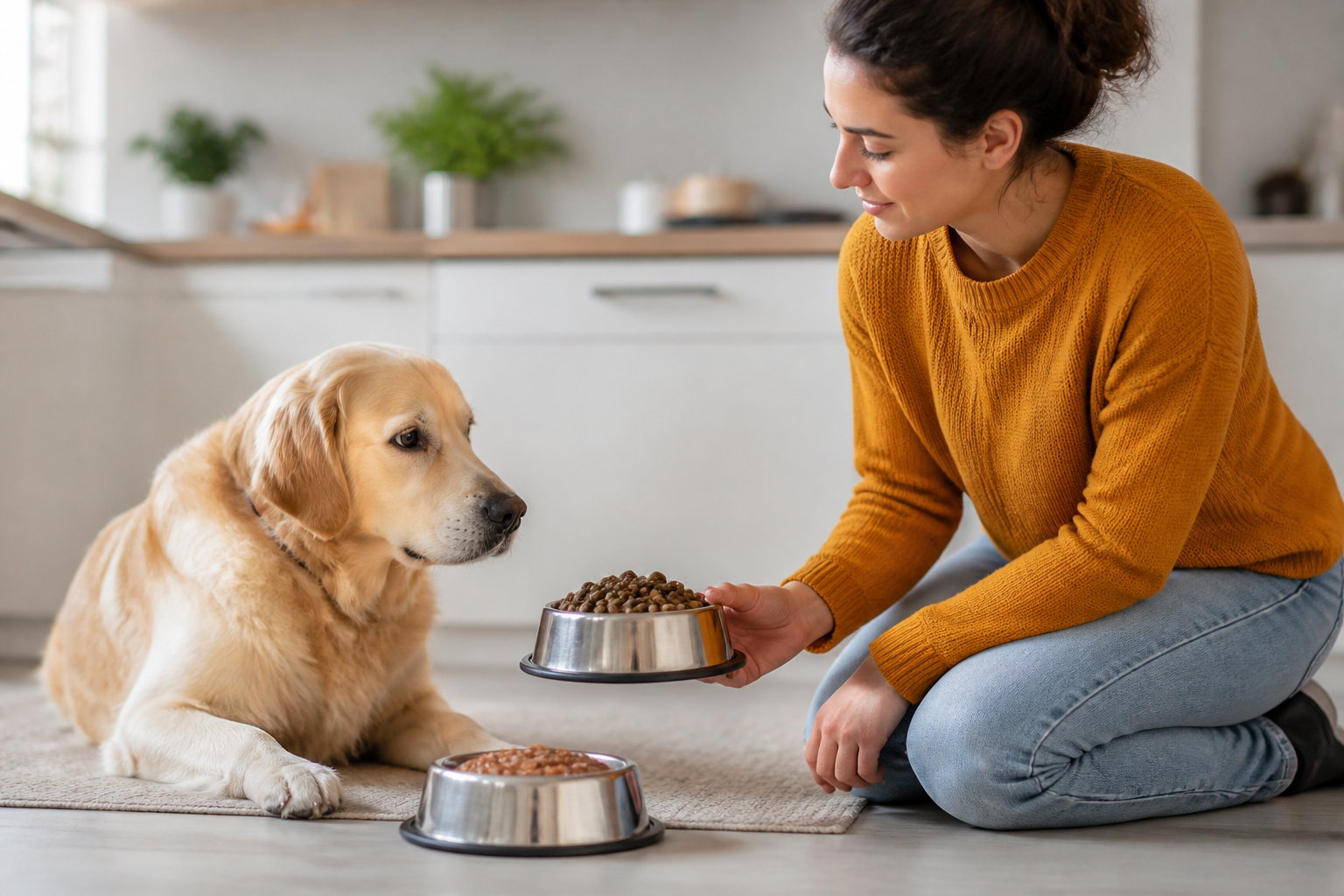
You might be looking at a stack of empty cans and wondering if there is a more convenient way to feed your dog. Many pet owners decide to move from wet food to dry kibble to help with dental health, manage a budget, or simplify storage. At BaxterBoo, we know that any change to a dog's routine requires a gentle touch and a lot of patience. Making the switch too quickly can lead to a rumbling stomach or a dog that simply refuses to eat. This guide explains why the transition matters and how to manage the process without causing digestive stress. By following a steady schedule and using a few clever tricks, you can help your dog learn to love the crunch of high quality kibble.
Quick Answer: Transitioning a dog from wet to dry food should take about seven to ten days. Start by mixing a small amount of kibble into the wet food and slowly increase the ratio of dry food every two days.
The Benefits of Moving to Dry Food
Dry food is a popular choice for many reasons that go beyond simple convenience. One of the primary advantages is the shelf life. Unlike wet food, which must be refrigerated after opening and used quickly, a bag of kibble stays fresh for weeks when stored properly. This makes it much easier to manage for busy families or those who travel with their pets. You can compare different formulas in our dog food category.
Cost is another significant factor. High quality dry foods from brands like NutriSource or Acana often provide more servings per dollar than canned options. Because kibble is more calorie-dense and contains less water, you typically need to feed smaller volumes to meet your dog's nutritional needs. This value allows you to invest in premium ingredients without overextending your monthly pet budget.
Dental health is a secondary benefit that many owners appreciate. While kibble is not a replacement for regular brushing, the mechanical action of chewing dry pieces can help scrape away some plaque and tartar. Dogs that eat only soft, wet food may be more prone to dental issues if their teeth are not cleaned frequently. Moving to a dry diet can be a helpful part of a broader oral hygiene plan.
Why Dogs Often Prefer Wet Food
It is helpful to understand why your dog might be hesitant to give up their canned meals. Wet food is highly aromatic. The moisture in the food carries scents more effectively than dry kibble. Since a dog's sense of smell is their primary way of experiencing the world, a fragrant bowl of wet food is often more enticing than a bowl of dry pellets.
Texture also plays a huge role in palatability. Wet food is soft, easy to chew, and mimics the texture of fresh meat. If a dog has been eating canned food for years, the hard, crunchy texture of kibble might feel strange or even unappealing at first. This is especially true for senior dogs or those with minor dental sensitivities who find soft food much easier to manage.
Hydration is the final piece of the puzzle. Canned food is often 70 to 80 percent water. When you remove that source of moisture, your dog has to make up for it by drinking more from their water bowl. If they are not used to drinking much water, they might feel less satisfied after a meal. Understanding these factors helps you stay patient when your dog turns their nose up at a new bag of food.
The Importance of a Slow Transition
The most common mistake pet owners make is switching foods overnight. A dog's digestive system is sensitive. The bacteria in their gut adapt to the specific proteins, fats, and fibers they eat every day. A sudden change can cause gas, bloating, or diarrhea. This is why we always recommend a transition period of at least a week.
Vet Tip: If your dog has a history of a sensitive stomach or chronic digestive issues, extend the transition to 14 days. Consult your veterinarian before changing diets if your dog is managing a medical condition like diabetes or kidney disease.
A slow transition also helps with behavioral acceptance. If you suddenly replace a favorite wet meal with dry kibble, your dog may feel frustrated or confused. By mixing the two, you allow them to get used to the new smell and texture while still enjoying the familiar taste of their old food. This reduces the risk of your dog going on a "hunger strike" and makes the entire process less stressful for everyone in the house.
A Reliable Seven Day Schedule
Following a specific schedule takes the guesswork out of the transition. You can use a measuring cup to ensure the ratios are accurate. This prevents accidental overfeeding or underfeeding during the switch.
- Days 1 and 2: Serve 75 percent wet food mixed with 25 percent dry kibble.
- Days 3 and 4: Serve a 50/50 mix of wet and dry food.
- Days 5 and 6: Serve 25 percent wet food mixed with 75 percent dry kibble.
- Day 7: Serve 100 percent dry kibble.
Watch your dog's stool consistency during this week. If the stools become soft or if your dog seems gassy, stay at the current ratio for an extra two days before increasing the amount of dry food. There is no prize for finishing the transition quickly. The goal is a comfortable dog with a settled stomach.
Key Takeaway: A gradual 7 to 10 day transition protects your dog's gut health and prevents them from rejecting the new food.
Tips for the Transition Process
If your dog is struggling to accept the new texture, you can use several techniques to make the kibble more inviting. One of the most effective methods is adding warm water or low sodium broth to the dry food. This softens the kibble and releases the fats and aromas that make the food smell delicious. Let the water soak in for about five minutes before serving. For more ideas, read how to wet dry dog food for better digestion and hydration.
You can also use meal toppers to bridge the gap. Brands like The Honest Kitchen or Stella and Chewy’s offer freeze dried mixers that add a burst of flavor and a soft texture to a bowl of dry food. This can convince a picky dog that the new food is a high value treat. It also allows you to keep some of the benefits of a fresh or wet diet while using kibble as the primary base.
Hand feeding can be a powerful tool during the first few days. Use the new kibble as training treats throughout the day. This creates a positive association with the new food. If your dog learns that the crunchy pieces result in praise and attention, they will be much more excited to see them in their dinner bowl.
Managing Hydration Needs
When you move a dog from a wet diet to a dry one, their water intake must increase. Since they are no longer getting 80 percent of their moisture from their food, they will naturally be thirstier. Ensure that your dog has access to clean, fresh water at all times.
You might notice your dog visiting the water bowl more frequently. This is normal and expected. However, some dogs are lazy drinkers. If you are concerned they are not drinking enough, consider a pet water fountain. The sound of running water often encourages dogs to drink more. You can also continue to add a splash of water to their kibble even after the transition is complete to ensure they stay hydrated. See can I wet dry dog food for additional mealtime ideas.
Proper hydration is essential for kidney health and digestion. It helps the body process the higher fiber content often found in dry foods. If your dog seems lethargic or if their skin loses elasticity, they may be dehydrated. In these cases, it is important to contact your veterinarian to ensure they are adjusting well to the new diet.
Special Considerations for Senior Dogs
Older dogs often have specific needs that make a food transition more complex. If a senior dog has missing teeth or gum disease, dry kibble may be physically difficult to eat. Before you start the transition, check your dog's mouth for signs of redness or discomfort. If they seem to be struggling with the crunch, you may need to stick with a softened diet or a specialized senior formula.
Weight management is another concern for older pets. Some dry foods are higher in carbohydrates than wet foods. If your senior dog is less active, you must monitor their calorie intake carefully to prevent weight gain. We carry several weight management formulas, such as those from Farmina Vet Life, that are designed to keep dogs satisfied while controlling calories. For a broader comparison, read should senior dogs eat wet or dry food.
If your senior dog is on a prescription diet for a health condition, the transition is even more critical. Our pet pharmacy offers a wide range of FDA approved prescription foods through our partnership with Pet's Choice. Whether your dog needs support for their joints, kidneys, or heart, we can help you get the right food delivered to your door. Always work closely with your vet when changing the diet of a senior pet with health issues.
Handling Food Refusal
It is common for a dog to pick out the wet food and leave the dry kibble at the bottom of the bowl. If this happens, try mashing the wet food into a paste and stirring the kibble into it. This coats every piece of dry food in the flavor and scent of the wet food, making it nearly impossible for the dog to separate them.
If your dog refuses to eat the mix entirely, do not leave the food out all day. This is known as free feeding, and it can make picky behavior worse. Instead, put the bowl down for 20 minutes. If they do not eat, pick it up and try again at the next scheduled mealtime. Most healthy dogs will not starve themselves and will eventually accept the new food once they realize no other options are coming.
However, be careful with small breeds or puppies. They can suffer from low blood sugar if they skip too many meals. If a small dog refuses food for more than 24 hours, or a large dog for more than 48 hours, consult your vet. There may be an underlying reason for the refusal that is not related to pickiness, such as a dental abscess or a digestive blockage.
Monitoring Your Dog's Health
During and after the transition, keep a close eye on your dog's overall condition. Their coat should remain shiny and their energy levels should stay consistent. A change in diet can sometimes reveal hidden allergies. If you notice your dog scratching more often, or if they develop red patches on their skin, they might be sensitive to an ingredient in the new dry food, such as chicken or grain.
Weight changes can happen slowly. Use a measuring cup to ensure you are feeding the correct amount based on the bag's guidelines. Remember that those guidelines are just a starting point. You may need to adjust the portion size up or down based on your dog's activity level and metabolism. Checking their body condition every two weeks will help you catch any weight gain before it becomes a problem.
Bottom line: Success depends on monitoring your dog's digestion and being willing to slow down the process if they show signs of discomfort.
Choosing the Right Dry Food
The market is full of options, which can feel overwhelming. Look for foods that list a specific meat source as the first ingredient. Avoid generic terms like "meat meal" or "animal fat." Instead, look for "deboned chicken" or "lamb meal." Brands like Orijen and Ziwipeak provide high protein options that often appeal to dogs used to the rich taste of wet food. For additional guidance, explore what can I add to my dog's dry food for better nutrition.
Consider the life stage of your dog as well. Puppies need more fat and minerals for growth, while seniors may benefit from added glucosamine and chondroitin for joint support. If your dog has a sensitive stomach, a limited ingredient diet might be the best choice. These recipes use a single protein and a single carbohydrate source to minimize the risk of a reaction.
At BaxterBoo, we handpick every brand we carry to ensure it meets high standards for quality and safety. We have been operating since 2006 and have seen many trends come and go. We stick with brands that prioritize animal health over marketing gimmicks. If you need help choosing, our team can guide you toward a formula that fits your dog's specific needs and your household budget.
Using the BaxterBoo Pharmacy
Sometimes a dietary change is not a choice but a medical necessity. If your veterinarian has diagnosed your dog with a condition like urinary stones, food allergies, or inflammatory bowel disease, they may prescribe a specific therapeutic diet. These foods are formulated with precise levels of nutrients to manage those conditions.
Our pharmacy partnership with Pet's Choice allows you to order these prescription diets easily. Since these are FDA approved medical products, we cannot run traditional ads for them. However, they are a core part of how we support pet health. You can find many of the brands your vet recommends, such as Royal Canin Veterinary Diet or Farmina Vet Life, right in our online store.
Using our pharmacy means you can get your pet's medication and their specialized food in one place. This is especially helpful for chronic conditions that require ongoing management. We make it simple to upload your prescription and set up recurring deliveries so you never run out of the food your dog needs to stay healthy.
Making the Final Switch
Once you reach Day 7 and your dog is eating 100 percent dry food, the transition is officially complete. However, you should still watch them for another week. Some digestive issues take a few days of consistent feeding to appear. If your dog continues to have firm stools and high energy, you have successfully navigated the change.
You do not have to give up wet food entirely if you do not want to. Many owners choose to use wet food as a special topper once or twice a week. This provides variety and extra hydration without the cost and mess of an all-wet diet. As long as you keep the total calorie count in mind, a little bit of variety can be a great way to keep mealtime exciting for your dog.
Our Autoship programme is a great way to ensure you always have your new dry food on hand. You can save on your first order and earn MVP Gold membership, which provides extra rewards on every purchase. This takes the stress out of remembering to buy food and ensures your dog stays on their new, healthy routine without interruption.
Transition Checklist
- Check with your vet to ensure the new food meets your dog's health needs.
- Purchase a measuring cup to keep portions consistent.
- Clear a space for the new bag of food in a cool, dry place.
- Start the 7 to 10 day mixing schedule.
- Monitor water intake and stool quality daily.
- Add warm water or toppers if the dog is hesitant.
- Set up an Autoship schedule for convenience and savings.
Summary
Transitioning your dog from wet to dry food is a practical move that can benefit your dog's teeth and your wallet. By moving slowly over a week or more, you prevent the digestive upset that often follows a sudden change. Using warm water or high quality mixers can help your dog adjust to the new texture and aroma. Remember that hydration is key when feeding a dry diet, so keep that water bowl full. Whether you are switching for convenience or following a vet's prescription, a thoughtful approach ensures your dog stays happy and healthy throughout the process.
FAQ
Can I just switch my dog to dry food overnight?
It is not recommended to switch your dog's food overnight because it often leads to digestive upset like vomiting or diarrhea. A dog's gut bacteria need time to adjust to new ingredients and different levels of fiber and protein. A gradual transition over seven to ten days is the safest way to ensure your dog remains comfortable and healthy during the change.
What if my dog refuses to eat the dry kibble?
If your dog refuses the dry food, try mixing in a little warm water or low sodium chicken broth to soften the texture and enhance the smell. You can also use a small amount of their old wet food as a topper to encourage them to take the first bite. If the refusal lasts longer than 24 hours for a small dog or 48 hours for a large dog, consult your veterinarian to rule out any dental or medical issues.
Does dry food really help clean a dog's teeth?
While dry food is not a substitute for brushing, the crunchy texture can help reduce the buildup of plaque and tartar on the surface of the teeth. Some specialized dental diets are specifically designed with a larger kibble size and a texture that scrubs the tooth as the dog bites down. For the best oral health, combine dry food with regular dental treats and at home brushing.
Why is my dog drinking so much more water after switching to dry food?
Dry food contains very little moisture, usually around 10 percent, whereas wet food is often 75 to 80 percent water. When your dog stops getting hydration from their food, their body naturally signals them to drink more from their water bowl to stay hydrated. This is a normal and healthy response to a dry diet, but you should always ensure they have constant access to fresh water.






