Save 15% on your 1st Autoship learn more

 Email us
 Live Chat
 FAQs
FAQs





Introduction
Your puppy just finished a thirty minute walk. You expect a nap. Instead, they are sprinting across the rug and nipping at your socks. This common "witching hour" often means your puppy is physically tired but mentally understimulated. At BaxterBoo, we have helped pet parents find the right tools for these moments since 2006. One of the most effective solutions for a restless young dog is a snuffle mat. These fabric puzzles tap into a dog's natural foraging instincts to provide deep mental satisfaction. This post covers how these mats work and why they are essential for puppy development. You will learn how to choose the right mat and use it to encourage a calmer household.
Quick Answer: A snuffle mat is a fabric enrichment toy with many folds and strips where you hide dry food or treats. It encourages your puppy to use their nose to find rewards, which provides mental exercise and slows down fast eaters.
Understanding the Snuffle Mat Puppy Connection
A puppy explores the world primarily through their nose. While humans rely on sight, a dog's brain is wired for scent. Their olfactory bulb is roughly forty times larger than ours. When a puppy sniffs, they are gathering data about their environment. This process is rewarding and naturally tiring for them.
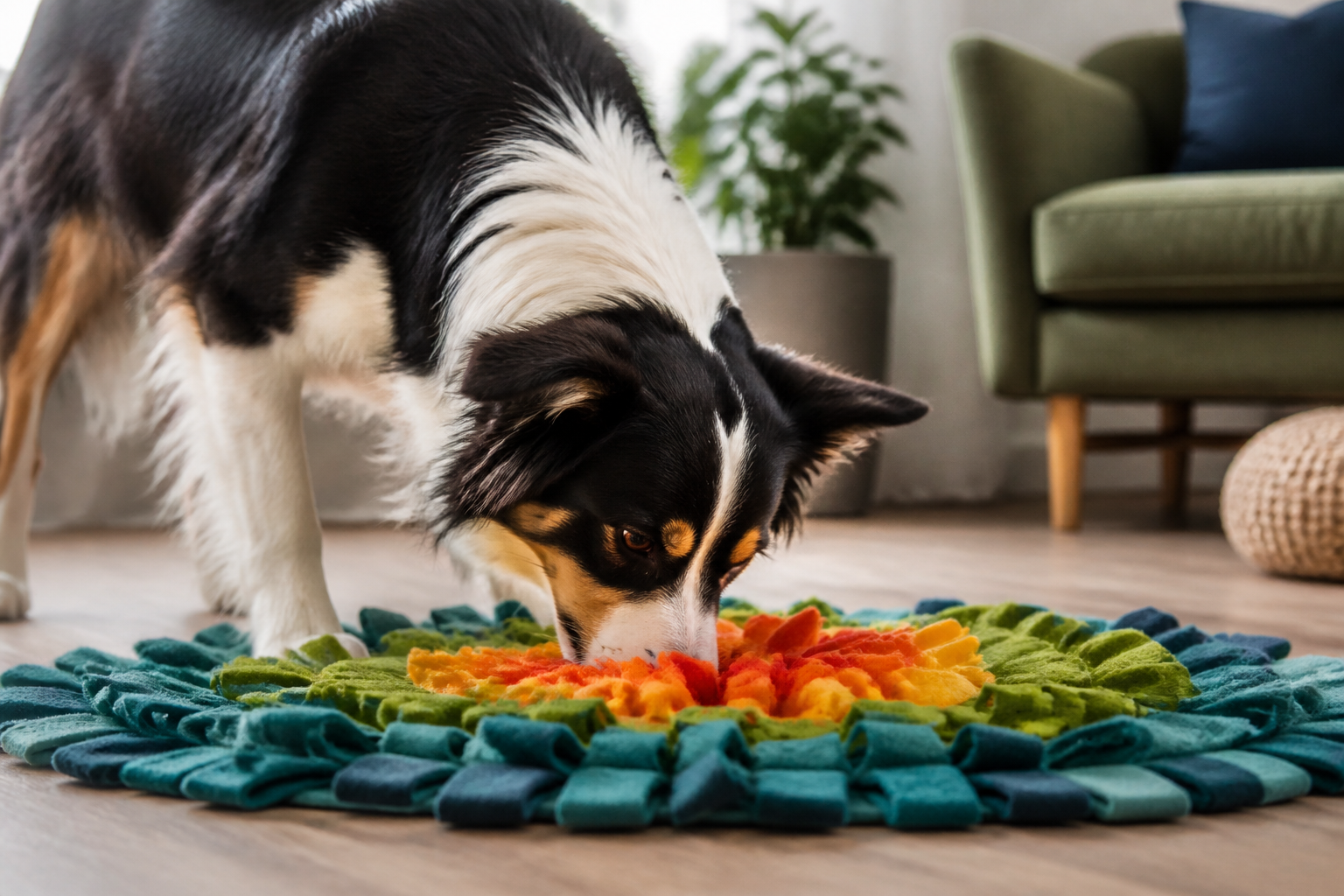
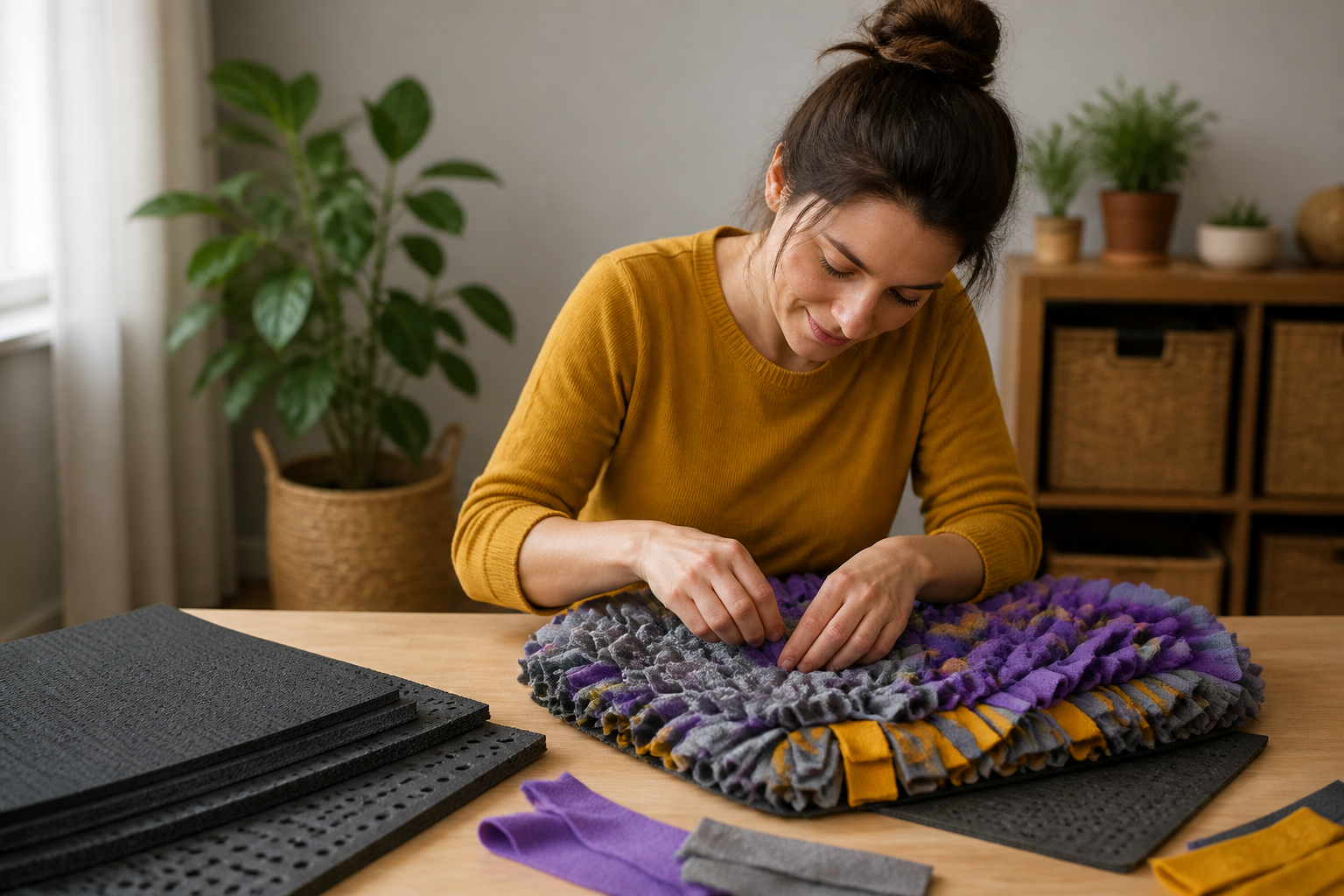
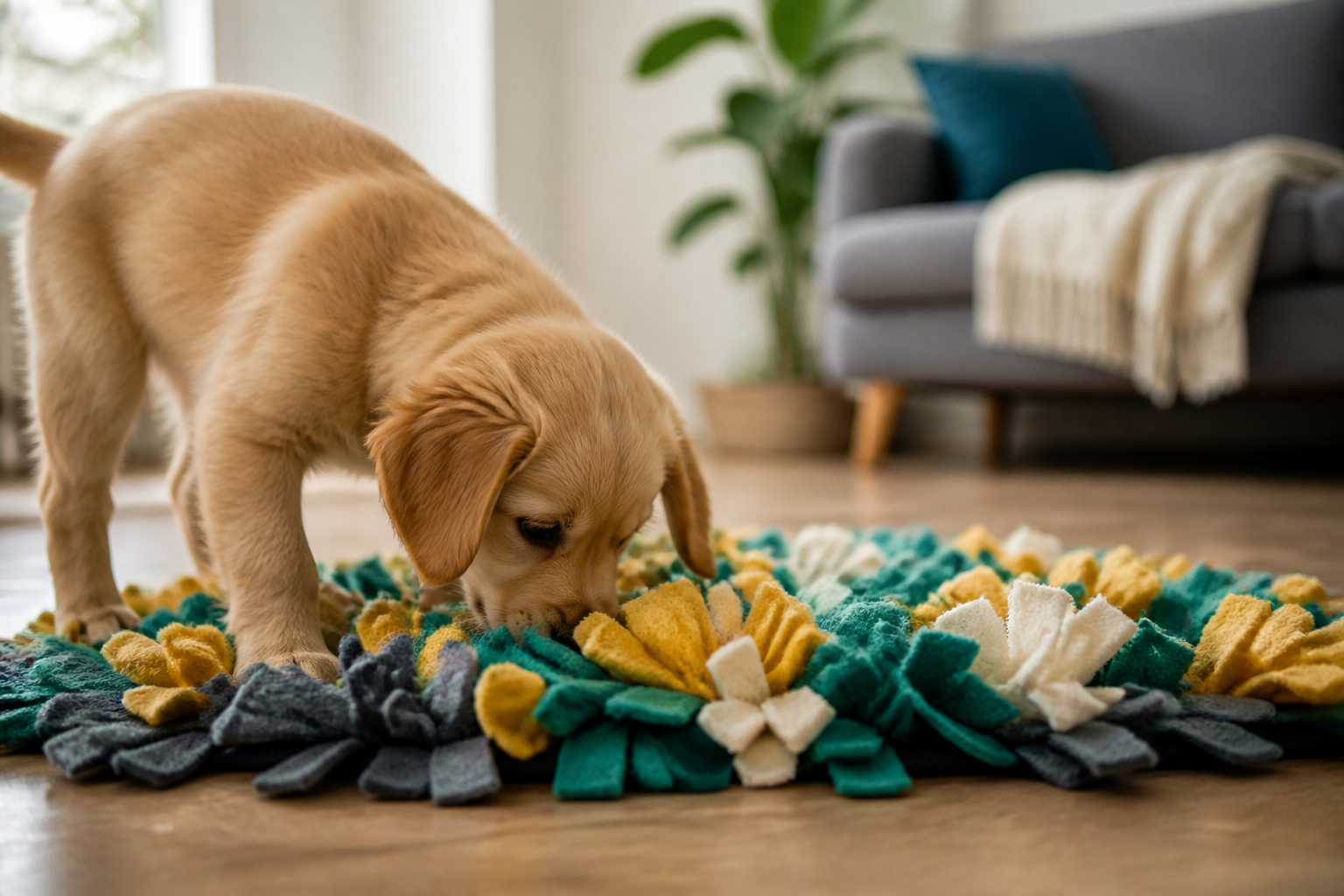
A snuffle mat provides a safe outlet for this behavior. It usually consists of a sturdy base with strips of felt or fleece sewn into it. These strips create layers, pockets, and ruffles. When you hide kibble inside, your puppy must navigate the fabric to find each piece. This activity mimics how their ancestors would forage for food in the wild.
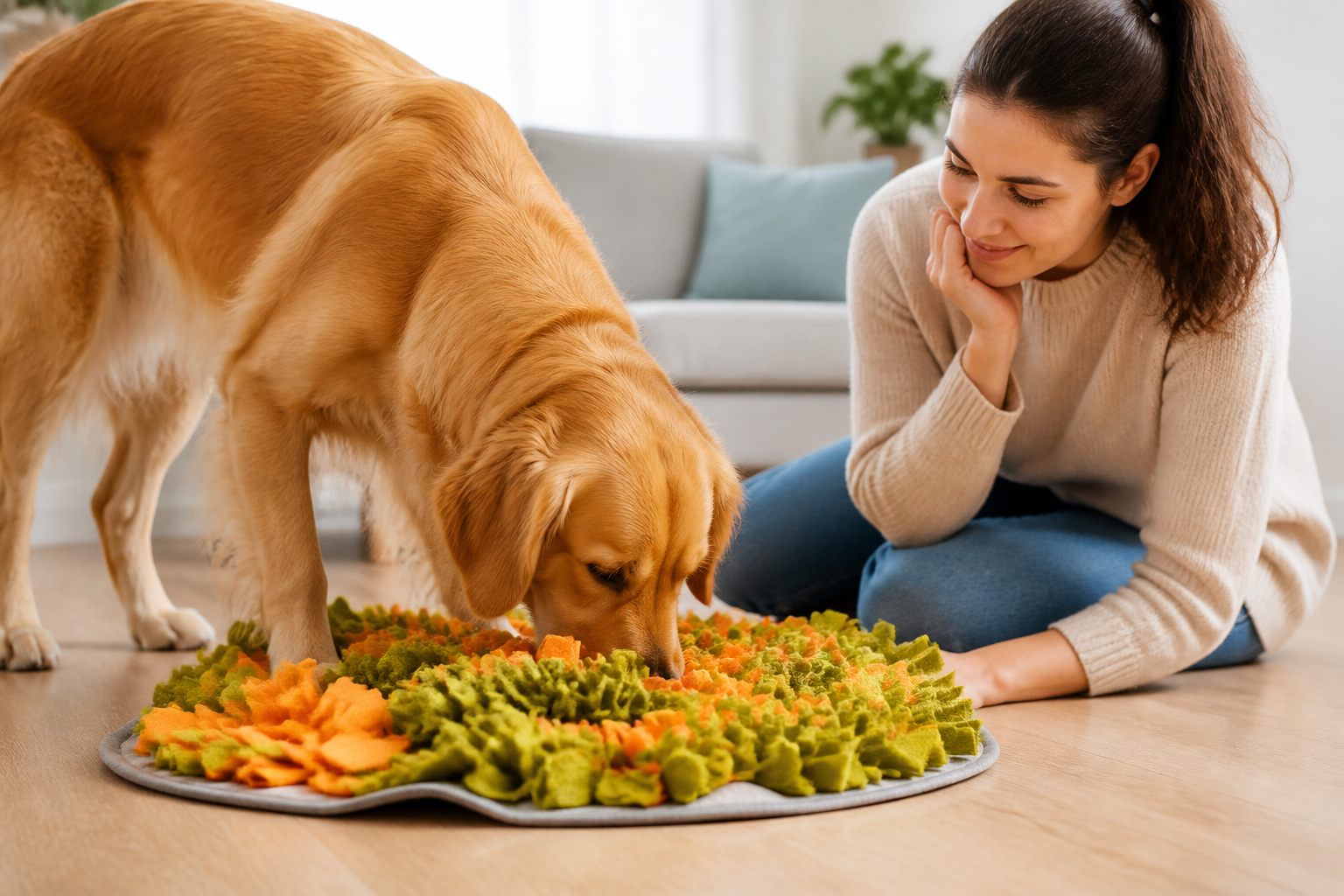
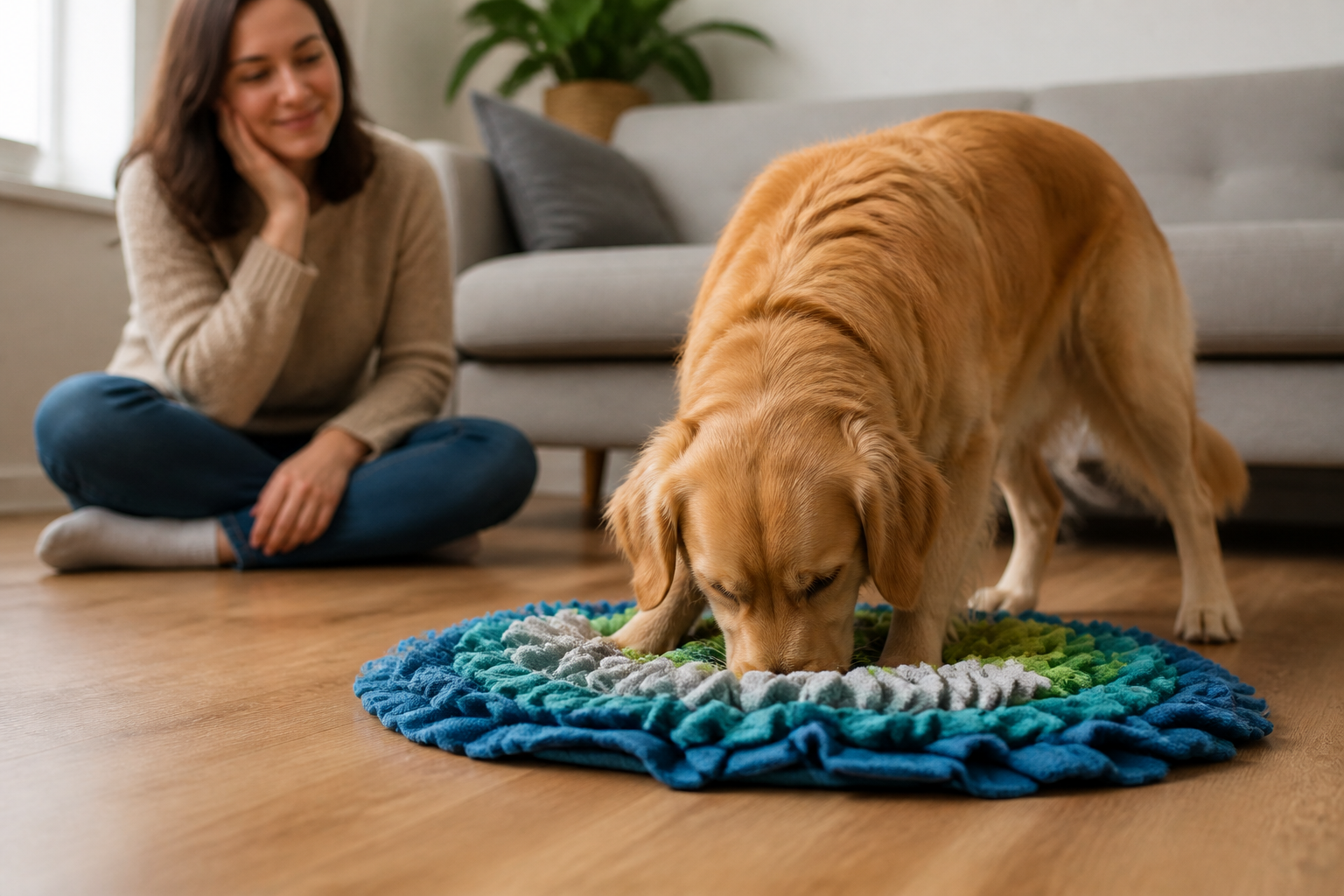
Using a snuffle mat early in life helps build confidence. It teaches a puppy that solving a puzzle leads to a reward. It also keeps their mouth busy on something other than your furniture. For a young dog, ten minutes of intense sniffing can be as exhausting as a long walk. This makes it a perfect tool for rainy days or busy mornings. Explore our dog toys collection for more enrichment options.
The Science of Mental Enrichment
Many owners focus entirely on physical exercise. They play fetch until the puppy is panting. However, physical exercise alone can sometimes build an "athlete" puppy who never learns to settle. Mental enrichment focuses on the brain.
Sniffing lowers a dog's heart rate. It is a self-soothing activity that helps them regulate their emotions. When a puppy is overstimulated, the act of foraging can help them transition into a calmer state. This is why many trainers recommend scent work for anxious or high-energy dogs. For more ideas, read our guide to dog brain games.
Key Takeaway: Mental stimulation is just as important as physical exercise for a developing puppy. Foraging activities like snuffle mats help reduce stress and burn energy through brain power.
Why Scent Work Works
- It engages the largest part of the canine brain.
- It encourages independent problem-solving.
- It provides a low-impact way to exercise senior dogs or puppies on rest.
- It releases dopamine, the "feel-good" hormone, in the dog's brain.
Slowing Down Fast Eaters
Many puppies eat like they are in a race. Scarfing down food too quickly is more than just a messy habit. It can lead to digestive upset, gagging, or a dangerous condition called bloat. Traditional bowls make it too easy for a puppy to vacuum up their entire meal in seconds.
A snuffle mat acts as a natural slow feeder. Because the food is hidden deep within the fabric, the puppy can only find one or two pieces at a time. This forces them to chew and swallow properly. It also turns a thirty-second meal into a ten-minute activity. See how interactive dog toys can support slower, more engaging mealtimes.
Vet Tip: If your puppy consistently vomits after eating or has a very distended belly, consult your veterinarian to rule out medical issues like bloat or parasites. Our pharmacy at BaxterBoo offers prescription diets for puppies with chronic digestive sensitivities.
Training Your Puppy to Use the Mat
Most puppies figure out a snuffle mat quickly. However, some might try to pick the mat up and shake it to get the treats out. Others might try to chew on the fabric. Proper introduction is the key to longevity for the toy.
Step 1: Start easy. Place a few high-value treats on the very top of the fabric strips. Let your puppy see you put them there.
Step 2: Use a release command. Tell your puppy to "wait" while you set the mat down. Use a cue like "find it" to tell them they can start.
Step 3: Increase difficulty. Once your puppy understands the game, begin tucking the treats deeper into the folds. You can even fold the edges of the mat over.
Step 4: Supervise the session. Watch for signs of frustration or destructive chewing. If they start biting the fabric, gently redirect them and show them where a hidden treat is.
Success Checklist
- Use dry, smelly treats for maximum engagement.
- Pick the mat up once the food is gone to prevent chewing.
- Introduce the mat when the puppy is slightly hungry.
- Wash the mat regularly to keep it fresh and hygienic.
Choosing the Best Snuffle Mat for Your Puppy
Not all mats are created equal. When shopping for a puppy, you need to consider their size, chewing habits, and the difficulty level of the mat. At our warehouse in Vernon Hills, we see a wide variety of designs that cater to different needs. Browse our puppy dog toys when comparing enrichment options for young dogs.
Material Matters
Most mats use polar fleece because it is soft on a puppy's sensitive nose. It is also durable enough to withstand some rooting. Avoid mats with loose strings or small plastic parts that a puppy could swallow. Look for a non-slip bottom. This prevents the mat from sliding across hardwood floors while your puppy works.
Size and Portability
A small puppy does not need a massive mat, but a larger breed will benefit from a bigger surface area. Some mats come with drawstrings that turn the mat into a bowl. This is excellent for travel or for keeping the mess contained.
Difficulty Levels
- Level 1: Basic Shag. Simple felt strips. Great for beginners.
- Level 2: Hidden Pockets. Features cups or flaps. For puppies who have mastered the basics.
- Level 3: Interactive Shapes. Mats that include squeakers or different textures.
Bottom line: Choose a machine-washable mat with a non-slip base that matches your puppy's size and current problem-solving skills.
Safety and Supervision
While snuffle mats are generally safe, puppies are notorious for eating things they should not. Felt and fleece are not digestible. If your puppy is a "power chewer," they might try to rip the strips off and swallow them.
Always monitor your puppy while they use the mat. If you notice any pieces of fabric are missing, stop using the mat immediately. Check their stool for fabric and watch for any signs of lethargy or loss of appetite. These could indicate an intestinal blockage. Our guide to the best dog toys also emphasizes choosing toys that match your dog's chewing style.
Vet Tip: If you suspect your puppy has swallowed fabric or a foreign object, contact your vet immediately. Early intervention is vital for preventing serious complications from a blockage.
Cleaning and Maintenance
Snuffle mats can get dirty quickly. Puppies drool as they search. Crumbs and moisture can lead to bacteria growth or mold if the mat is not cleaned. Most high-quality mats are machine washable.
Before washing, shake the mat out thoroughly over a trash can. This removes any leftover crumbs. Use a pet-safe, unscented detergent. Avoid fabric softeners as the strong scent can be overwhelming for a puppy's sensitive nose. Air drying is usually better than using a dryer. High heat can sometimes melt the rubber backing or shrink the felt strips.
Transitioning Beyond the Snuffle Mat
As your puppy grows, they will get faster at solving the mat. You might find they finish a full meal in just a few minutes. This is a sign they are ready for more complex puzzles. You can layer their enrichment by using a snuffle mat alongside other toys.
Consider brands like Kong for durable rubber puzzles. You can also look into interactive plastic puzzles from companies like Zesty Paws or Honest Paws for variety. Rotating your puppy's toys every few days keeps them interested. If they see the same mat every single meal, it might lose its novelty. Our Zesty Paws selection offers additional options for variety.
Key Takeaway: Rotate enrichment toys to prevent boredom. Once a puppy masters a snuffle mat, introduce harder puzzles to continue their cognitive development.
Using Snuffle Mats for Stressful Situations
Puppies often struggle with being left alone or during loud events like thunderstorms. A snuffle mat is a fantastic distraction tool. Because sniffing is naturally calming, it can help lower their anxiety levels. For additional ideas, explore calming dog toys and enrichment activities.
If you are crate training, a snuffle mat can help create a positive association with the crate. Give them the mat inside the crate with the door open. They will learn that the crate is a place where good things happen. You can also use it during grooming sessions. If your puppy hates being brushed, have someone hold the mat while you work. Learn more about creating positive crate-training experiences.
When to Use a Snuffle Mat
- During a thunderstorm or fireworks.
- While you are eating dinner to prevent begging.
- When guests arrive to keep the puppy from jumping.
- Before bedtime to help them settle down.
Common Mistakes to Avoid
The most frequent mistake is leaving the mat on the floor 24/7. When the mat is always available, it stops being a special activity. It also becomes a target for chewing or even a place to pee. Treat the mat like a tool, not a permanent rug.
Another mistake is using treats that are too big. Large biscuits sit on top of the fabric and do not require any "snuffling." Use small, pea-sized treats or the puppy's regular kibble. This makes them work harder and keeps the calorie count in check.
Finally, do not get frustrated if your puppy does not get it right away. Some puppies are more visual than others. If they seem confused, help them out. Point to a treat or move a piece of fabric. The goal is to build their confidence, not test their patience to the breaking point.
Summary of Puppy Enrichment
Building a routine around mental enrichment sets your puppy up for a lifetime of good behavior. A snuffle mat is one of the easiest ways to start. It requires zero training from you and provides immediate benefits for the puppy. By slowing down their eating and engaging their brain, you are addressing the root causes of many common puppy problems.
- Sniffing for 15 minutes burns significant mental energy.
- Snuffle mats prevent bloat by slowing down fast eaters.
- Always supervise your puppy to ensure they do not chew the fabric.
- Wash the mat weekly to maintain hygiene.
Bottom line: A snuffle mat is a versatile, low-cost tool that improves puppy behavior by satisfying their natural urge to forage and sniff.
Whether you visit us at our warehouse or order through our website, we want to help your puppy thrive. Our MVP Rewards program is a great way to earn points on every toy and treat purchase. For those regular kibble deliveries, our Autoship program ensures you never run out of food for your puppy's favorite snuffling activities.
FAQ
Can I use a snuffle mat for a puppy every day?
Yes, you can use a snuffle mat for every meal if you like. It is an excellent way to slow down their eating and provide consistent mental stimulation. Just ensure you are supervising them and picking the mat up once they finish so they do not start chewing on the fabric.
What are the best treats to hide in a puppy snuffle mat?
Dry, crunchy treats with a strong scent work best. Small training treats or your puppy's regular daily kibble are ideal. Avoid using wet food or sticky treats, as these will make the fabric messy and are much harder to clean out of the folds.
Is a snuffle mat safe for a puppy that chews everything?
If your puppy is a heavy chewer, you must be extra cautious. Only allow them to use the mat under direct supervision and remove it as soon as the food is gone. If they start to rip or swallow the fabric, a snuffle mat might not be the right choice for them until they are a bit older.
How often should I wash my puppy's snuffle mat?
You should wash the mat at least once a week if it is being used daily. Saliva and food particles can build up quickly, leading to odors and bacteria. Most mats are machine washable on a gentle cycle with pet-safe detergent, but always check the manufacturer's care instructions first.