
 Save 15% on your 1st Autoship learn more

 Email us
 Live Chat
 FAQs
FAQs





Introduction
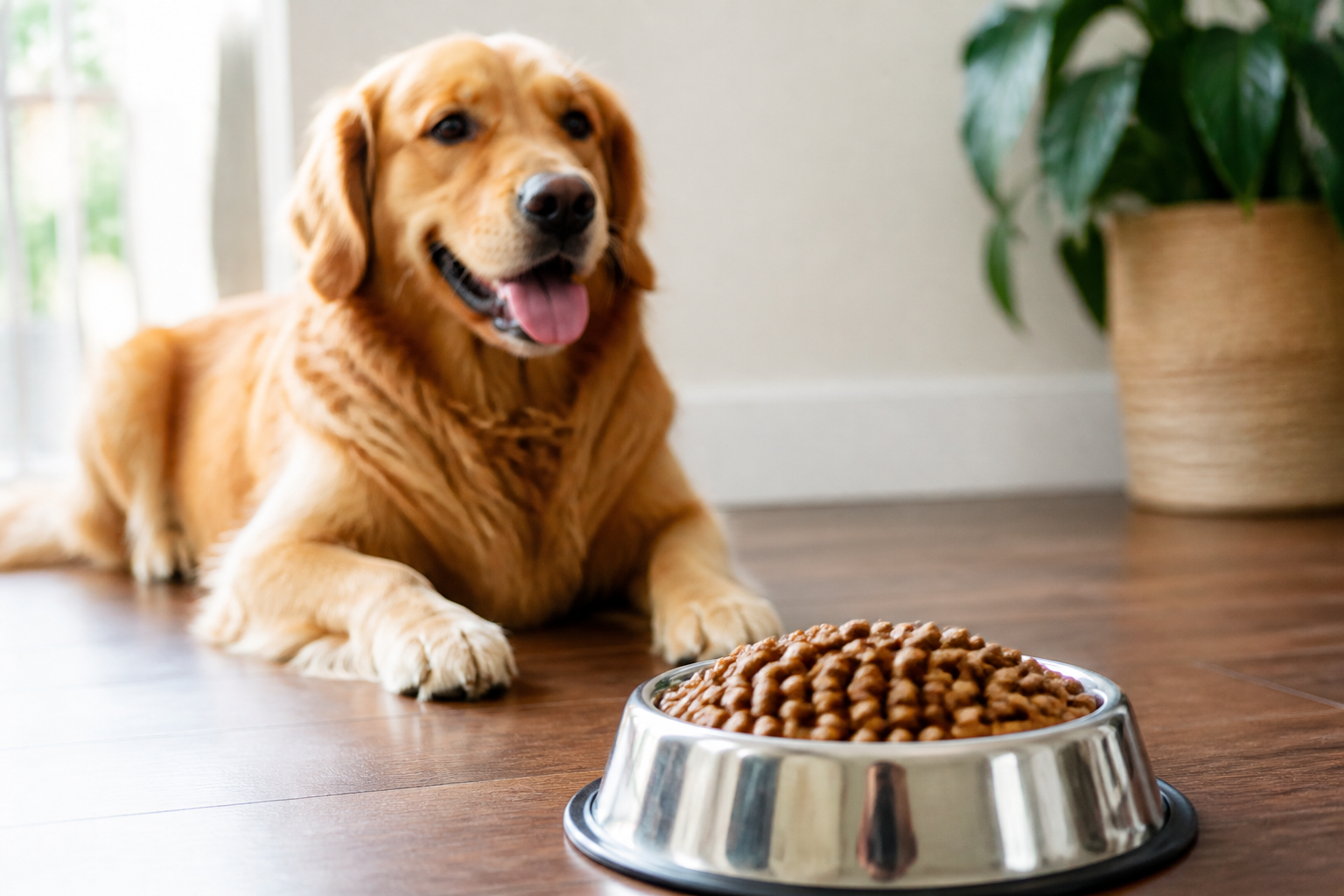
You are standing in front of a massive wall of colorful bags at the store. You might be wondering if those crunchy brown nuggets actually provide everything your companion needs for a long life. It is a common moment for many pet parents. At BaxterBoo, we hear this question often from owners who want to ensure their dogs are thriving rather than just surviving. This post covers how dry food is made, its nutritional value, and how to decide if it is the right fit for your household. While every dog has unique needs, understanding the science behind the bag helps you make a confident choice for your pet's bowl. High-quality dry dog food is a healthy, complete, and convenient option for the vast majority of healthy dogs.
Quick Answer: Yes, high-quality dry dog food is a healthy and complete nutritional choice for most dogs. It provides essential proteins, fats, and vitamins in a shelf-stable format that also supports dental health through mechanical chewing.
The Science of Kibble Processing
Dry dog food is often called kibble. The process of making it is quite scientific and ensures that every bite contains a balanced ratio of nutrients. It starts with a recipe of protein sources like beef or chicken, grains or starches, and essential vitamins and minerals. These ingredients are pulverized and mixed into a consistent dough.
The dough then goes through a process called extrusion. It is cooked under pressure and pushed through specifically shaped holes to form the pieces we recognize. After extrusion, the kibble is dried to remove moisture. This drying process is what makes the food shelf-stable. Finally, the pieces are often sprayed with fats, oils, and sometimes probiotics to improve flavor and health benefits.
Nutritional Density in Dry Food
Because the moisture is removed, dry food is very nutritionally dense. You do not have to feed as much volume as you would with wet food to meet your dog's caloric needs. Brands like Royal Canin and NutriSource formulate their recipes to meet AAFCO standards. This means the food is tested to ensure it provides a complete and balanced diet for the specific life stage listed on the bag. You can compare formulas in our dog food category.
Bottom line: Dry dog food is a highly processed but nutritionally concentrated form of feeding that meets strict safety and balance standards.
Key Benefits of Dry Dog Food
Many veterinarians and pet owners prefer dry food for its practical advantages. It is not just about convenience for the human. There are several ways kibble supports the daily wellness of a dog.
Better Dental Health
One of the most cited benefits of dry food is its impact on teeth. As a dog crunches through the hard kibble, the mechanical action helps scrape away plaque. While it does not replace a toothbrush, it can slow down the buildup of tartar. This is especially helpful for breeds prone to dental issues. For additional at-home support, explore our dog dental care supplies.
Convenience and Safety
Dry food does not spoil quickly. You can leave it in a bowl for a dog that prefers to graze throughout the day. This is a major advantage over wet food, which must be picked up after about 30 minutes to prevent bacterial growth. It is also easier to store in airtight containers, keeping your pantry organized and smell-free.
Cost and Value
For many households, budget is a real factor. Dry food is generally more cost-effective per serving than canned or fresh options. Since it is concentrated, a large bag can last several weeks for a medium-sized dog. This allows owners to invest in higher-quality ingredients without breaking the bank.
Cognitive Enrichment
You can use kibble for more than just a meal in a bowl. Because the pieces are small and dry, they work perfectly in puzzle toys like those made by Kong. Hiding kibble in a snuffle mat or a dispensing toy provides mental stimulation. This helps reduce boredom and anxiety in high-energy dogs.
- Dry Food Checklist:
- Look for a named animal protein as the first ingredient.
- Check for an AAFCO adequacy statement on the label.
- Ensure the bag is sturdy and can be resealed.
- Choose a kibble size appropriate for your dog's mouth.
Understanding the Hydration Gap
The biggest difference between wet and dry food is the moisture content. Dry food typically contains only about 10 percent water. In contrast, canned food can be up to 78 percent water. This means dogs on a dry-only diet must drink significantly more water to stay hydrated. For more detail, read our guide to mixing dry dog food with water.
Proper hydration is vital for kidney function and digestion. If your dog is a "lazy" drinker, they might not take in enough fluids to compensate for the dry diet. This is something to watch closely as your dog ages or if they have a history of urinary tract issues.
Vet Tip: Always provide multiple sources of clean, fresh water if you feed a dry diet. If your dog has a history of kidney disease or crystals, consult your veterinarian. They may suggest a prescription dry diet or transitioning to a higher-moisture food. Our pet pharmacy carries prescription products through our pharmacy partnership with Pet's Choice.
Comparing Dry and Wet Dog Food
Choosing between the two formats depends on your dog's health, age, and personal preference. Some dogs are driven by scent and may find dry food boring. Others love the crunch and the feeling of chewing. Our guide to switching from dry to wet dog food offers more information about making a gradual change.
| Feature | Dry Dog Food (Kibble) | Wet Dog Food (Canned) |
|---|---|---|
| Moisture Content | Typically around 10% | Typically 75% to 78% |
| Shelf Life | Weeks after opening | 2 to 3 days (refrigerated) |
| Texture | Crunchy and hard | Soft and meaty |
| Dental Benefit | Helps reduce tartar | Minimal benefit |
| Convenience | Easy to portion and store | Requires refrigeration |
| Palatability | Moderate | Very High |
Protein and Fat Levels
When you read a label, the protein percentage on a dry bag will look much higher than on a wet can. This is because the wet food percentage includes all that water weight. When you compare them on a "dry matter basis," the protein and fat levels are often quite similar. Dry food does tend to have more carbohydrates because starches are needed to bind the kibble together during the cooking process.
Key Takeaway: Neither food is inherently "better." Dry food offers convenience and dental support, while wet food offers hydration and high palatability.
Mixing Wet and Dry Food
You do not always have to choose just one. Many pet parents find that a "hybrid" diet works best. Mixing a little bit of canned food or a topper into dry kibble can entice a picky eater. It also adds a boost of hydration without losing the dental benefits of the crunch. For another perspective, see how to mix dry dog food with wet food.
If you decide to mix, it is important to watch the calories. It is easy to overfeed when adding toppers. You should reduce the amount of dry kibble slightly to make room for the extra calories in the wet food. We recommend using a standard measuring cup to keep portions consistent.
Bottom line: Mixing formats can solve appetite issues and improve hydration while keeping the diet affordable.
Is It Healthy to Eat Only Dry Food?
The short answer is yes. Millions of dogs live long, healthy lives eating only dry food. Modern kibble is a marvel of animal nutrition. It contains all the vitamins, minerals, and amino acids a dog needs to thrive.
However, the quality of the specific brand matters. A budget bag filled with generic "meat by-products" and heavy fillers like corn or soy is not the same as a premium formula. Brands like Farmina and Orijen use high-quality, whole-food ingredients that provide superior nutrition.
- Tips for Success with a Dry Diet:
- Store food in a cool, dry place to prevent fats from going rancid.
- Wash the food bowl daily to prevent oil buildup.
- Keep the bag inside an airtight bin rather than pouring the food out.
- Monitor your dog's weight and adjust portions as needed.
Choosing Food for Different Life Stages
A dog's nutritional needs change as they grow. A puppy needs more calories and specific minerals for bone growth. A senior dog might need fewer calories but more joint support. For puppy-specific guidance, read our puppy dry food weaning guide.
Puppy Dry Food
Puppies have small stomachs but huge energy needs. Puppy-specific dry foods are usually higher in protein and fat. They also contain DHA, which is an omega-3 fatty acid that supports brain and eye development. Small-breed puppies often need smaller kibble sizes to avoid choking hazards.
Senior Dry Food
As dogs age, their metabolism slows down. Senior formulas often have fewer calories to prevent obesity, which is hard on aging joints. Many premium senior foods also include supplements like glucosamine or Cosequin. If a senior dog begins to lose teeth, you might need to soften the dry food with a bit of warm water or broth.
Health and Sensitivity
Some dogs develop sensitivities to common ingredients like chicken or grain. In these cases, limited-ingredient dry foods can be a lifesaver. Brands like Stella and Chewy’s offer freeze-dried raw coated kibble that provides the benefits of raw nutrition with the convenience of dry food. For dogs with diagnosed medical conditions, we offer prescription diets through our pet pharmacy.
Key Takeaway: Always match the dry food formula to your dog's current life stage and activity level to ensure they get the right balance of nutrients.
How to Transition to a New Dry Food
If you are switching from wet food to dry, or just changing brands, you must go slowly. A sudden change in diet is the fastest way to cause an upset stomach or diarrhea. A slow transition allows the beneficial bacteria in your dog's gut to adjust to the new ingredients.
Step 1: Start with a small mix. Use 25 percent new food and 75 percent old food for the first two days.
Step 2: Move to a half-and-half blend. Mix 50 percent new food with 50 percent old food for days three and four.
Step 3: Increase the new food. Use 75 percent new food and 25 percent old food for days five through seven.
Step 4: Complete the switch. Serve 100 percent of the new dry food once your dog shows no signs of digestive upset.
Vet Tip: If your dog experiences vomiting or persistent diarrhea during a transition, stop the new food and consult your vet. Some dogs have very sensitive systems and may require a slower 14-day transition or a specific "sensitive stomach" formula.
Storing Your Dry Dog Food
Proper storage is the only way to keep dry food "good." Once you open a bag, the fats in the food are exposed to oxygen. This starts a process called oxidation, which eventually makes the food go rancid. Rancid fat doesn't just taste bad; it can actually be harmful to your dog's health over time.
We recommend keeping the food in its original bag. These bags are often designed with barriers to keep oxygen and light out. Place the entire bag inside a plastic or metal airtight container. This provides a double layer of protection against air, moisture, and pests like ants or mice.
Bottom line: Freshness matters for nutrition and safety. Always check the "best by" date on the bag before purchasing.
When Dry Food Might Not Be the Best Choice
While dry food is great for most, there are specific situations where it might not be the ideal primary source of nutrition.
- Severe Dental Pain: If a dog has broken teeth or advanced gum disease, the hard crunch of kibble can be painful.
- Chronic Dehydration: Dogs with recurring urinary crystals or kidney issues often need the high moisture found in wet or prescription diets.
- Extreme Pickiness: Some dogs, especially seniors with a fading sense of smell, may refuse dry food entirely.
- Weight Issues: While dry food is great for weight management if measured correctly, it is very easy to overfeed. A small handful of calorie-dense kibble can be a lot more than it looks.
If your dog falls into these categories, a conversation with your veterinarian is the best next step. They can help you determine if a specialized diet from our pet pharmacy is necessary.
Conclusion
Dry dog food is a reliable, nutritionally complete way to feed your pet. It offers distinct benefits for dental health, is easy to store, and fits into most budgets. By choosing a high-quality brand and ensuring your dog stays well-hydrated, you are providing a solid foundation for their health. Whether you feed it exclusively or use it as a base for tasty toppers, kibble is a practical tool for any pet owner.
- High-quality dry food provides complete and balanced nutrition.
- The crunchy texture helps support dental hygiene.
- Proper storage is essential to keep the food safe and nutritious.
- Always provide plenty of fresh water to compensate for low moisture.
To make sure you never run out of your favorite brand, consider signing up for our Autoship programme. You can save on your first order and earn rewards through the MVP Rewards programme while keeping your pantry stocked.
FAQ
Can dogs live on dry food alone?
Yes, dogs can live long and healthy lives eating only dry food, provided the food is high-quality and "complete and balanced." These formulas are specifically designed to include every vitamin and mineral a dog needs. As long as they have constant access to fresh water, a dry diet is perfectly sufficient.
Is kibble bad for a dog's kidneys?
Kibble is not inherently bad for the kidneys, but because it is low in moisture, it requires the dog to drink more water. If a dog does not drink enough, they can become chronically dehydrated, which puts stress on the kidneys over time. For dogs with existing kidney disease, veterinarians often recommend wet food or prescription diets to ensure high fluid intake.
Should I add water to my dog's dry food?
Adding water to dry food can be very beneficial, especially for dogs that do not drink enough on their own. It softens the texture for older dogs and releases the aroma of the food, making it more appealing. However, once you add water, you should treat the food like wet food and pick it up after 30 minutes to avoid spoilage.
How do I know if a dry dog food is high quality?
Check the ingredient list for a specific animal protein, like "chicken" or "lamb," as the very first item. Avoid foods that list generic "meat meal" or use heavy amounts of artificial colors and preservatives. You should also look for a statement on the bag that says the food meets AAFCO nutritional standards for your dog's specific life stage.






