
 Save 15% on your 1st Autoship learn more

 Email us
 Live Chat
 FAQs
FAQs





Introduction
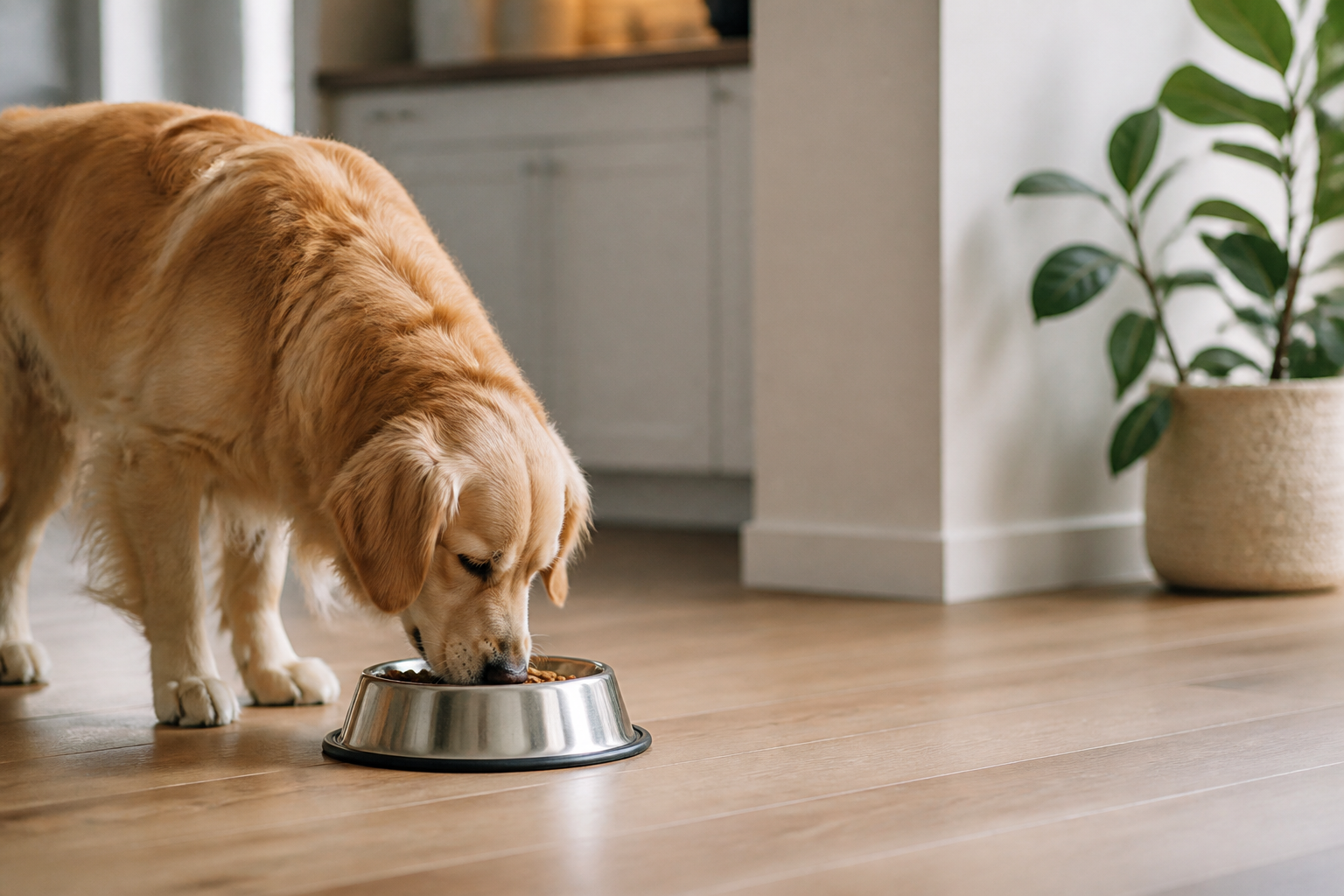
You are standing in the pet food aisle and looking at rows of colorful bags and stacks of cans. You might wonder if your dog really needs that expensive wet food or if a bag of high quality kibble is enough to keep them healthy. It is a common question for many pet owners who want to balance nutrition with a budget. At BaxterBoo, we hear this question often from neighbors who visit our warehouse or shop with us online. This post will look at the nutritional science behind dry food and help you decide if a dry-only diet is right for your specific pet. We will cover the benefits of kibble, the potential downsides of low moisture, and when a vet might recommend adding wet food.
Quick Answer: Yes, it is perfectly fine to feed most dogs only dry food as long as it is nutritionally complete and balanced for their life stage. High-quality dry food provides all the essential proteins, fats, and vitamins a dog needs to thrive.
The Basics of Dry Dog Food Nutrition
Most commercial dry dog foods are designed to be a complete diet. This means the food contains every nutrient a dog needs in the correct ratios. Manufacturers achieve this by following guidelines set by nutritional experts. They blend proteins, grains or vegetables, and essential fats into a dough. This dough is then cooked and extruded through small holes to create the kibble shapes we see in the bag.
After the cooking process, the kibble is dried. Many brands then spray the outside with vitamins, minerals, and oils. This ensures the dog gets the necessary nutrients even after the high-heat cooking process. Some premium brands like Farmina or Open Farm also add probiotics to the surface to support gut health.
Key Takeaway: Quality dry food is formulated to be a stand-alone meal that meets all of a dog's daily nutritional requirements without the need for supplements.
Why Many Owners Prefer a Dry-Only Diet
Convenience is one of the biggest reasons people choose dry food. You can leave kibble in a bowl for several hours without it spoiling. This is helpful for dogs that prefer to graze throughout the day rather than eating a whole meal at once. It is also much easier to travel with a bag of dry food than it is to manage heavy cans and can openers.
Cost is another major factor. Dry food is generally more affordable per serving than wet food. Since it contains very little water, you are paying for actual nutrients rather than moisture. When you buy large bags, the savings add up over time. We also offer a Frequent Buyer Program on many participating brands to help families keep their pets fed on a budget.
Storage and Shelf Life
Dry food has a much longer shelf life than opened cans. An unopened bag can stay fresh for months if stored in a cool and dry place. Once opened, you should try to use the bag within six weeks. Keeping the food in its original bag inside a sealed container helps prevent the fats from going rancid. This keeps the food tasting good and preserves the nutritional value of the ingredients.
Feeding for Mental Enrichment
Kibble is very versatile when it comes to training and play. You can use individual pieces of dry food as low-calorie training rewards. It also works perfectly in food puzzles and slow feeders. Brands like Kong make toys that you can stuff with kibble to keep a dog's mind busy. This provides mental stimulation that wet food simply cannot offer in the same way.
Bottom line: Dry food offers unmatched convenience and value while serving as a great tool for training and mental exercise.
Dental Health and the Role of Kibble
One of the most cited benefits of dry food is its effect on dental health. As a dog bites down on a hard piece of kibble, the mechanical action can help scrape away some plaque. This is not a replacement for regular brushing, but it can provide a daily assist in keeping teeth cleaner.
However, not all kibble is created equal for dental care. Some pieces shatter too quickly to provide much scrubbing. Specific dental diets are formulated with a larger kibble size and a fibrous texture. This forces the dog to chew more thoroughly. If you are concerned about your dog's breath or tartar buildup, look for foods specifically designed for oral health.
Vet Tip: Even if you feed a dry-only diet, your dog still needs regular dental checkups and professional cleanings. Check your dog's gums for redness or bad breath often and consult your vet if you notice changes.
When Dry Food Might Not Be Enough
While dry food is nutritionally complete, it does have one major missing component: water. Most kibble contains only about 10 percent moisture. In contrast, wet food can be up to 80 percent water. Dogs on a dry-only diet must drink a significant amount of water to stay hydrated.
Some dogs are naturally poor drinkers. If a dog does not drink enough water, they can develop urinary tract issues or crystals. In these cases, a vet might recommend switching to wet food or mixing the two. Adding moisture to the diet helps flush the kidneys and bladder. For additional ideas, read how to add water to dry dog food.
Issues for Senior Dogs
As dogs age, they may develop dental problems or lose some of their sense of smell. A senior dog with missing teeth or painful gums may find hard kibble difficult to chew. Wet food is much softer and easier for them to manage.
Additionally, the aroma of wet food is much stronger than dry food. Older dogs with a fading appetite are often more interested in a meal that smells pungent. If your senior dog is losing weight or ignoring their bowl, adding a topper or switching to canned food can help. For more guidance, see whether senior dogs should eat wet or dry food.
High-Energy and Working Dogs
Very active dogs or working breeds sometimes struggle to get enough calories from dry food alone. Wet food is often more calorie-dense by volume. Mixing a high-quality canned food with kibble can help these dogs maintain a healthy weight during periods of intense activity.
Managing Specific Health Conditions
There are times when a dry-only diet might not be the best choice due to a medical diagnosis. Dogs with kidney disease or chronic urinary issues often require a high-moisture diet. This helps reduce the workload on the kidneys and prevents the formation of stones.
If your vet prescribes a specific diet for a medical condition, we can help. Our pharmacy offers FDA-approved prescription pet foods and medications for chronic health needs. Through our partnership with Pet's Choice, you can have these specialized diets delivered right to your door. This includes brands like Royal Canin and Farmina Vet Life that are formulated for weight management, skin sensitivities, or organ support.
Key Takeaway: While healthy dogs do great on kibble, those with urinary or kidney issues often benefit from the extra hydration found in wet or prescription diets.
How to Choose a High-Quality Dry Food
Not all dry foods are made with the same care. To ensure your dog is getting the best nutrition, you need to know how to read the label. The first few ingredients should be identifiable protein sources like "chicken" or "lamb." Avoid foods that list generic "meat meal" or "animal by-products" as the primary ingredient.
Check the guaranteed analysis on the back of the bag. This tells you the minimum percentage of protein and fat in the food. It also lists the maximum amount of fiber and moisture. A high-quality kibble will have a healthy balance that matches your dog's activity level.
- Look for a named protein as the first ingredient.
- Ensure the food is appropriate for your dog's life stage (puppy, adult, or senior).
- Check for essential fatty acids like Omega-3 and Omega-6 for skin health.
- Avoid foods with excessive artificial colors or chemical preservatives.
The Benefits of Mixing Wet and Dry Food
Many owners choose a "best of both worlds" approach by mixing the two types of food. This is often called topper feeding or mixed feeding. It allows your dog to enjoy the crunch and dental benefits of kibble while getting the hydration and aroma of wet food. Our dog food collection makes it easy to compare dry and wet options.
When you mix food, you must be careful about calories. It is easy to accidentally overfeed your dog when adding canned food to a full portion of kibble. You should reduce the amount of dry food to account for the extra calories in the wet food. A common rule is to replace one-quarter of the dry food with a corresponding amount of wet food.
Better Satiety for Weight Loss
If your dog is always hungry, wet food can help them feel full. The high water content adds volume to the meal without adding a lot of extra calories. This can prevent your dog from begging between meals. For dogs on a strict weight loss plan, a vet may recommend a specific ratio of wet to dry food to keep them satisfied while they drop pounds.
For more guidance on combining textures, read how to mix dry dog food with wet food.
How to Transition Your Dog to a New Diet
Whether you are switching brands or moving from a wet-dry mix to dry-only, you must do it slowly. A sudden change in diet can cause upset stomachs, gas, or diarrhea. The process should take about a week.
Step 1: Mix 25 percent of the new food with 75 percent of the old food. / Do this for the first two days while watching for any digestive changes.
Step 2: Move to a 50/50 split of the new and old food. / Continue this for days three and four if your dog's stools remain firm.
Step 3: Feed 75 percent of the new food and 25 percent of the old food. / Use this ratio for days five and six.
Step 4: Switch to 100 percent of the new food. / By day seven, your dog's system should be fully adjusted.
Bottom line: A slow transition over seven days is the best way to prevent digestive upset when changing your dog's food.
For another approach to meal transitions, see how to switch from dry to wet dog food.
Using Autoship for Consistent Nutrition
One of the risks of a dry-only diet is running out of food unexpectedly. This often leads to a quick trip to a local store for whatever brand is available, which can upset your dog's stomach. Our Autoship program ensures you never run out of your preferred brand.
By setting up a recurring delivery, you can save on your first order and receive a free MVP Gold membership. This helps you stay consistent with your dog's nutrition. Consistency is key for dogs with sensitive stomachs or those who are picky about their kibble. We carry over 500 trusted brands like Acana, Orijen, and Stella and Chewy's to ensure you can find the exact formula your dog loves.
Common Myths About Dry Dog Food
There are many misconceptions about feeding only kibble. Some people believe that dry food is "junk food" for dogs. While low-quality brands exist, many premium dry foods use human-grade ingredients and scientific formulations that are far from junk.
Another myth is that dry food causes bloat. While the exact cause of bloat is not fully understood, simply eating dry food is not a direct cause for most dogs. However, eating too quickly can be a risk factor. If your dog gulps their dry food, using a slow feeder bowl can help reduce the amount of air they swallow.
Finally, some think that dogs get bored of eating the same thing every day. While humans crave variety, most dogs are content with a consistent diet. If your dog is healthy and eating their kibble with enthusiasm, there is no medical need to change their flavor or brand constantly.
Final Thoughts on Dry-Only Diets
For the vast majority of healthy adult dogs, eating only dry food is a safe and healthy choice. It provides balanced nutrition, supports dental health, and is easy on your wallet. At BaxterBoo, we take pride in offering a curated selection of foods that meet high standards for quality and safety.
If your dog is a senior, has a history of urinary issues, or is extremely picky, you might consider adding some wet food to their routine. Always keep an eye on your dog's weight and energy levels. If you notice any sudden changes in appetite or bathroom habits, it is time to schedule a visit with your veterinarian to rule out underlying health issues.
Key Takeaway: Dry food is a practical and nutritious choice for most dogs, but individual health needs should always dictate the final decision.
If you are ready to stock up on your dog's favorite kibble, consider joining our MVP Rewards program. You can earn up to 5 percent back on your purchases. It is a simple way to get more value while providing your pet with the high-quality nutrition they deserve. For those managing long-term health needs, remember to check our pharmacy for prescription options that keep your dog feeling their best.
FAQ
Can my dog survive on dry food alone?
Yes, dogs can live long and healthy lives eating only dry food. Modern kibble is formulated to be a complete and balanced diet that provides all necessary nutrients. As long as the food is high quality and appropriate for their life stage, they do not need other types of food.
Is wet food better than dry food for older dogs?
Wet food is often better for senior dogs who have dental pain or missing teeth because it is softer. It also has a stronger scent which can help stimulate the appetite of an older dog who has lost some of their sense of smell. However, a healthy senior dog can still eat dry food if they enjoy it and can chew it comfortably.
Should I add water to my dog's dry food?
Adding water to dry food can be a great way to increase your dog's hydration. It also creates a bit of gravy which can make the meal more appealing to picky eaters. Just be sure to wash the bowl thoroughly after each meal since moistened kibble can grow bacteria more quickly than dry kibble.
Does dry food really clean a dog's teeth?
Dry food provides some mechanical scraping that can help reduce plaque buildup compared to eating only soft food. However, it is not a cure for dental disease and does not reach the gum line where most problems start. You should still brush your dog's teeth and provide dental treats or toys to maintain their oral health.






