
 Save 15% on your 1st Autoship learn more

 Email us
 Live Chat
 FAQs
FAQs





Introduction
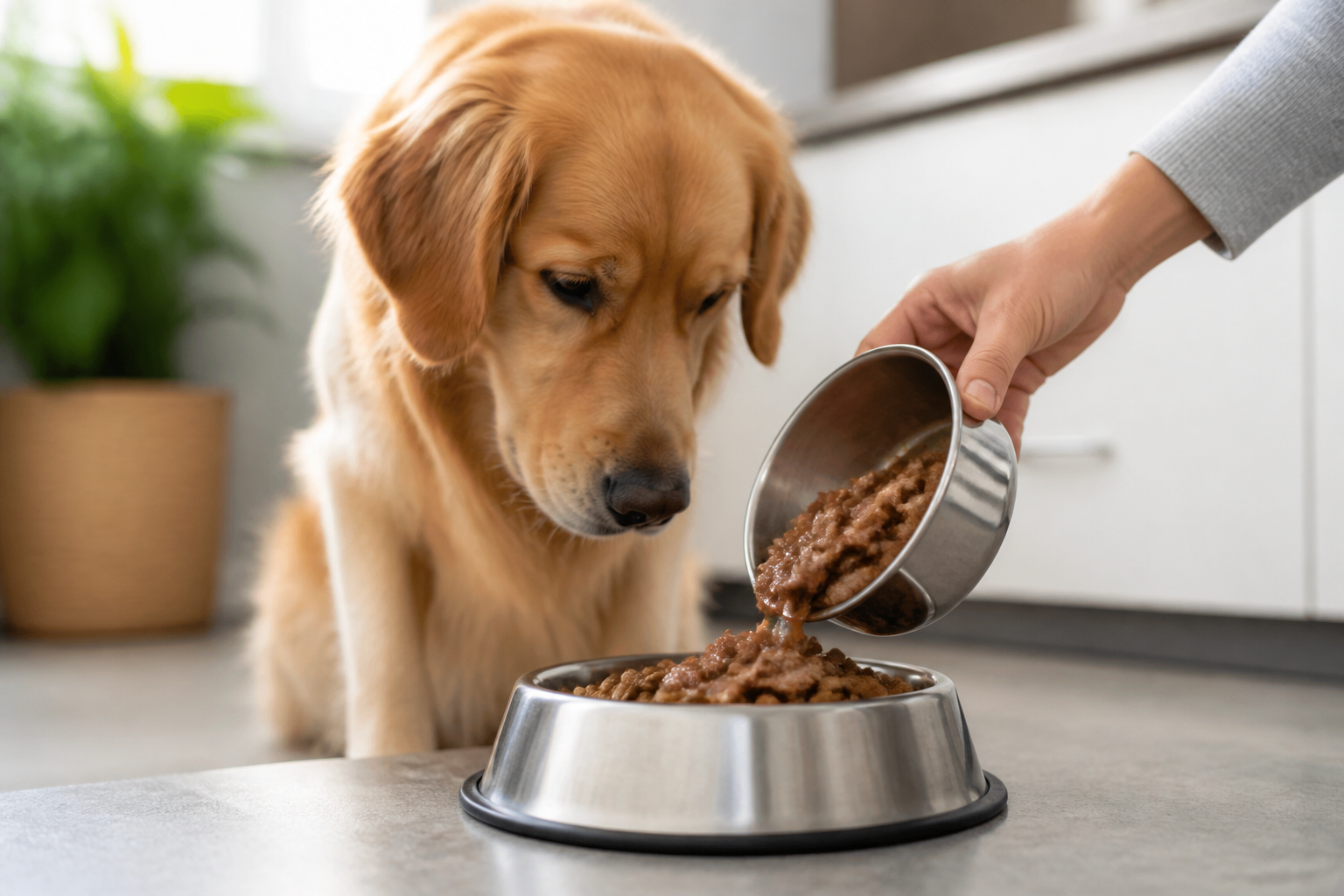
You fill the bowl with the same crunchy kibble your dog has eaten for months. Your dog walks over, sniffs it once, and looks up at you with a sigh. It is a common moment for many pet owners. You want your dog to be excited about dinner, but you also want to keep their diet balanced and affordable. Mixing wet and dry dog food is a popular way to solve this problem. It adds variety and moisture while keeping the convenience of kibble.
At BaxterBoo, we talk to owners every day who want to know if this "mixed feeding" approach is safe. This post covers the benefits of combining textures, how to calculate the right portions, and when you should be careful with mixing. We will also look at how to handle special diets and senior needs. Learning the right way to mix food ensures your dog stays healthy and satisfied at every meal.
Quick Answer: Yes, it is perfectly safe to mix wet and dry dog food as long as both are high-quality, complete, and balanced. This method improves hydration and palatability while remaining more cost-effective than a diet of only wet food.
The Main Benefits of Mixed Feeding
Mixing wet and dry food is not just about making a meal look fancy. There are several nutritional and practical reasons to consider it. When you combine these two formats, you give your dog a more complex sensory experience. Dogs rely heavily on scent. Wet food has a much stronger aroma than dry kibble, which can jumpstart a flagging appetite.
Hydration is another major factor. Most dry kibble contains only about 10 percent moisture. In contrast, wet canned food is often 75 percent water or more. This extra liquid helps support kidney function and urinary tract health. It is a simple way to get more water into a dog that does not drink enough from their bowl.
Texture and Variety
Kibble provides a satisfying crunch that some dogs enjoy. It also offers a minor mechanical scraping action that can help reduce tartar buildup. Wet food provides a soft, meaty texture. Mixing them gives your dog the best of both worlds. It prevents mealtime boredom, which is especially helpful for dogs that might otherwise stop eating their regular food.
Managing Your Budget
Feeding a large dog a diet consisting entirely of premium wet food can be very expensive. Canned food often costs significantly more per calorie than dry food. By using wet food as a topper or a partial replacement, you can provide a high-quality meal without breaking your monthly budget. It allows you to stretch the more expensive canned options while still giving your dog a nutritional boost. Browse our dog food category to compare wet and dry options.
Key Takeaway: Mixing wet and dry food provides essential hydration and makes meals more appealing to scent-driven dogs without the high cost of a 100 percent wet food diet.
Who Benefits Most from a Mixed Diet?
While most healthy dogs can enjoy a mix of wet and dry food, certain groups see the most improvement. If your dog falls into one of these categories, changing their meal structure might make a big difference in their daily life.
Picky Eaters
Some dogs are naturally finicky. They might eat one brand of kibble for a week and then refuse it. Adding a spoonful of wet food, like Stella and Chewy's stews or NutriSource canned recipes, can make the kibble more interesting. The gravy coats the dry pieces, making it impossible for the dog to pick out just the "good parts." You can explore our selection of Stella & Chewy's products for toppers and food options.
Senior Dogs
As dogs age, their sense of smell often declines. If they cannot smell their food well, they may lose interest in eating. Wet food has a much stronger scent profile that can entice an older dog back to the bowl. Seniors also frequently deal with dental issues or missing teeth. Softening their dry food with a wet mixer makes it much easier to chew and swallow. For more ideas, read our guide to senior dogs and wet or dry food.
Small Breeds
Small dogs often have high metabolisms but tiny stomachs. They can be prone to low blood sugar if they do not eat regularly. Because small breeds can also be quite selective, a mixed diet ensures they actually finish their required calories. The high palatability of wet food helps ensure they get the energy they need in a small serving size.
Vet Tip: If your senior dog suddenly loses interest in food, consult your veterinarian before simply changing their diet. A loss of appetite can sometimes signal underlying dental pain or other health issues that need professional attention.
Getting the Math Right: Portion Control
The biggest mistake owners make when mixing food is guessing the amounts. You cannot simply add a can of wet food on top of a full serving of kibble. This will lead to rapid weight gain. Every calorie counts, especially for smaller dogs.
Calorie Density
Dry food is much more calorie-dense than wet food. A cup of kibble might contain 400 calories, while a similar volume of wet food might only have 150 calories. You must look at the labels on both products to find the calorie count per cup or per can.
The 75/25 Rule
A common starting point for many owners is the 75/25 rule. This means 75 percent of the calories come from dry food and 25 percent come from wet food. To do this correctly:
- Determine your dog's total daily calorie needs.
- Calculate 75 percent of that number for dry food.
- Calculate 25 percent of that number for wet food.
- Measure both precisely using a standard measuring cup or a kitchen scale.
Checking AAFCO Statements
Ensure both the wet and dry foods are labeled as "complete and balanced" according to AAFCO (Association of American Feed Control Officials) standards. If you use a "topper" or "mixer" that is labeled for supplemental feeding only, it should not make up more than 10 percent of the total daily calories. This prevents nutritional imbalances. Our dog food topper collection can help you find suitable mixer options.
Bottom line: Always calculate portions based on calories rather than volume to prevent accidental overfeeding and weight gain.
How to Transition to Mixed Feeding
If your dog currently eats only dry food, do not switch to a 50/50 mix overnight. A sudden change in protein or fat content can cause an upset stomach. This usually leads to gas, bloating, or diarrhea. A slow transition is the safest way to introduce new textures.
A Step-by-Step Transition
- Step 1: Start with a very small amount. / Add just one tablespoon of wet food to the regular serving of dry kibble for two or three days.
- Step 2: Watch for digestive changes. / Monitor your dog's stool consistency and energy levels. If everything looks normal, proceed to the next step.
- Step 3: Adjust the ratio. / Reduce the amount of dry kibble slightly and increase the wet food. Do this over the course of a full week.
- Step 4: Reach your target balance. / By day seven to ten, you should be at your desired mix of wet and dry food without any tummy trouble.
For additional transition guidance, see our step-by-step guide to switching from dry to wet dog food.
If your dog has a sensitive stomach, you might consider brands like Farmina or PureVita. These are often formulated to be gentle on digestion. Using the same brand for both the wet and dry components can also make the transition easier. Many manufacturers design their wet and dry lines to complement each other.
Safety and Storage Tips
Mixing food introduces new safety concerns that do not exist with dry kibble alone. Dry food can sit out in a bowl for several hours without spoiling. Wet food cannot. Once you open a can and mix it with kibble, the clock starts ticking.
The 30-Minute Rule
Once you set the bowl down, your dog should eat it within 30 minutes. If they leave food behind, you must pick it up. Wet food contains meat and moisture, which are breeding grounds for bacteria when left at room temperature. Leaving mixed food out all day can lead to food poisoning or attract pests.
Proper Storage
Opened cans of wet food must be refrigerated immediately. Use a silicone can cover or an airtight container to keep the food fresh and prevent it from drying out. Most wet foods should be used within three to five days of opening. If you notice a change in smell or color, throw it away.
Clean the Bowl
It is tempting to just "top off" a bowl that still has a few crumbs in it. When mixing wet food, you must wash the bowl with hot, soapy water after every single meal. Dried-on wet food is difficult to remove and can harbor harmful microbes. Stainless steel or ceramic bowls are usually the best choices because they are non-porous and easy to sanitize. For related handling advice, read our guide to keeping dry dog food fresh.
Therapeutic and Prescription Diets
If your dog is on a therapeutic diet for a specific health condition, you must be extra careful. These diets are precisely formulated to manage issues like kidney disease, urinary crystals, or food allergies. Mixing in a random wet food from the grocery store can ruin the effectiveness of the prescription.
Sticking to the Program
If your vet has prescribed a specific food, such as Royal Canin Veterinary Diet or Farmina Vet Life, you should only mix it with the corresponding wet version of that same prescription. This ensures the nutrient levels stay within the therapeutic range. For example, if a dog needs low phosphorus for kidney health, adding a standard high-protein wet topper could be dangerous.
Our pet pharmacy offers a wide range of FDA-approved medications and prescription pet foods. Through our partnership with Pet's Choice, we can help you manage your dog's chronic health needs conveniently. If your vet recommends a specific diet, we can fulfill those orders to ensure your dog gets the exact nutrition they require.
Vet Tip: Never mix a prescription diet with over-the-counter food without asking your veterinarian first. Even a small amount of the wrong ingredient can interfere with a therapeutic treatment plan.
Choosing the Right Ingredients
When you shop for wet food to mix with your kibble, the ingredient list is your best guide. Look for real meat as the first ingredient. High-quality brands like Acana, Orijen, or Open Farm prioritize whole-food ingredients and transparent sourcing.
What to Avoid
Try to avoid wet foods that list "meat by-products" or "animal derivatives" without specifying the animal. You should also watch out for excessive fillers like corn, wheat, or soy if your dog has sensitivities. Some wet foods use carrageenan as a thickener, which some owners prefer to avoid due to digestive concerns.
Broths and Toppers
If you do not want to use a traditional canned pâté, you can look at broths or freeze-dried mixers. Brands like The Honest Kitchen offer pour-overs that add moisture and flavor without the heavy texture of canned food. Vital Essentials or Stella and Chewy's offer freeze-dried raw pieces that you can crumble over kibble. Our freeze-dried pet food collection offers another format for adding variety to meals.
Maintaining Dental Health
A common concern about mixing wet food is that it might hurt a dog's teeth. There is a long-standing belief that dry kibble "cleans" teeth while wet food "rots" them. The truth is more nuanced. While crunchy kibble can provide some mechanical cleaning, most dogs swallow kibble whole or break it into only a few pieces. This is not a substitute for real dental care.
Balancing Oral Hygiene
If you move to a mixed diet, you might notice your dog's breath changes slightly. To keep their mouth healthy, you should still maintain a regular dental routine. This includes:
- Brushing your dog's teeth with pet-safe toothpaste.
- Providing dental chews like Greenies.
- Scheduling regular professional cleanings with your vet.
Mixing wet food does not automatically cause dental decay, but it does mean you should be more diligent about oral hygiene. Food particles from wet food can stick to the gum line more easily than dry crumbs. A quick brush or a dental treat after a mixed meal can help manage this.
Tracking Results and Adjusting
After you have successfully moved to a mixed diet, keep an eye on your dog's "body condition score." You should be able to feel their ribs easily but not see them. If your dog starts to look a bit round, reduce the portions. For more guidance on feeding amounts, read our dog food portion guide.
Signs of Success
A good diet shows in your dog's outward appearance. You should look for:
- A shiny, soft coat with minimal dander.
- Steady energy levels throughout the day.
- Consistent, firm stools.
- Enthusiasm at mealtime.
If you notice your dog becoming lethargic or having chronic diarrhea after the transition period, the specific mix might not be right for them. Every dog's microbiome is different. What works for one dog might not work for another. Be prepared to try a few different protein sources or brands before you find the perfect match.
Rewarding Progress
At BaxterBoo, we want to help you make these transitions affordable. Our MVP Rewards programme allows you to earn points on every purchase of food and treats. If you find a brand your dog loves, our Autoship programme can save you money on recurring deliveries. This ensures you never run out of the wet food your dog relies on for their mixed meals.
Conclusion
Mixing wet dog food with dry is a practical way to enhance your pet's nutrition and enjoyment. It provides necessary hydration, appeals to picky eaters, and makes meals easier for senior dogs to consume. By following the 75/25 calorie rule and transitioning slowly, you can avoid weight gain and digestive upset. Always remember to store opened wet food properly and wash bowls after every use to maintain safety.
If your dog has specific health concerns, consult your veterinarian to ensure your mixed feeding plan supports their needs. Our pharmacy is available for prescription diet orders, and our wide selection of premium brands ensures you can find the perfect topper for any kibble. Whether you are looking to entice a senior dog or just want to add some variety to the bowl, mixed feeding is a great choice for many households.
Key Takeaway: Mixed feeding is an excellent way to balance cost, palatability, and hydration. As long as you manage calories and hygiene, it can be a healthy long-term strategy for your dog.
FAQ
Can I mix different brands of wet and dry dog food?
Yes, you can mix different brands as long as both are high-quality and "complete and balanced." However, if your dog has a sensitive stomach, sticking to the same brand for both can be easier on their digestion. Some owners prefer to mix brands to provide a wider variety of protein sources and nutrients.
How long can I leave mixed wet and dry food in the bowl?
Mixed food should be picked up after 30 minutes. The moisture in wet food allows bacteria to grow quickly at room temperature, which can make your dog sick. If your dog does not finish their meal within that time, discard the leftovers and wash the bowl thoroughly before the next feeding.
Is mixing wet food into kibble better for senior dogs?
It is often very beneficial for seniors who may have lost some of their sense of smell or have dental pain. The strong aroma of wet food encourages them to eat, and the moisture can help soften hard kibble. This makes the meal easier to chew and ensures they get the calories needed to maintain muscle mass.
Does mixing wet food with dry cause weight gain?
It will only cause weight gain if you do not adjust the total amount of food. You must reduce the portion of dry kibble to account for the calories added by the wet food. Always check the caloric density on the labels of both foods to ensure you are meeting, but not exceeding, your dog's daily requirements.






