
 Save 15% on your 1st Autoship learn more

 Email us
 Live Chat
 FAQs
FAQs





Introduction
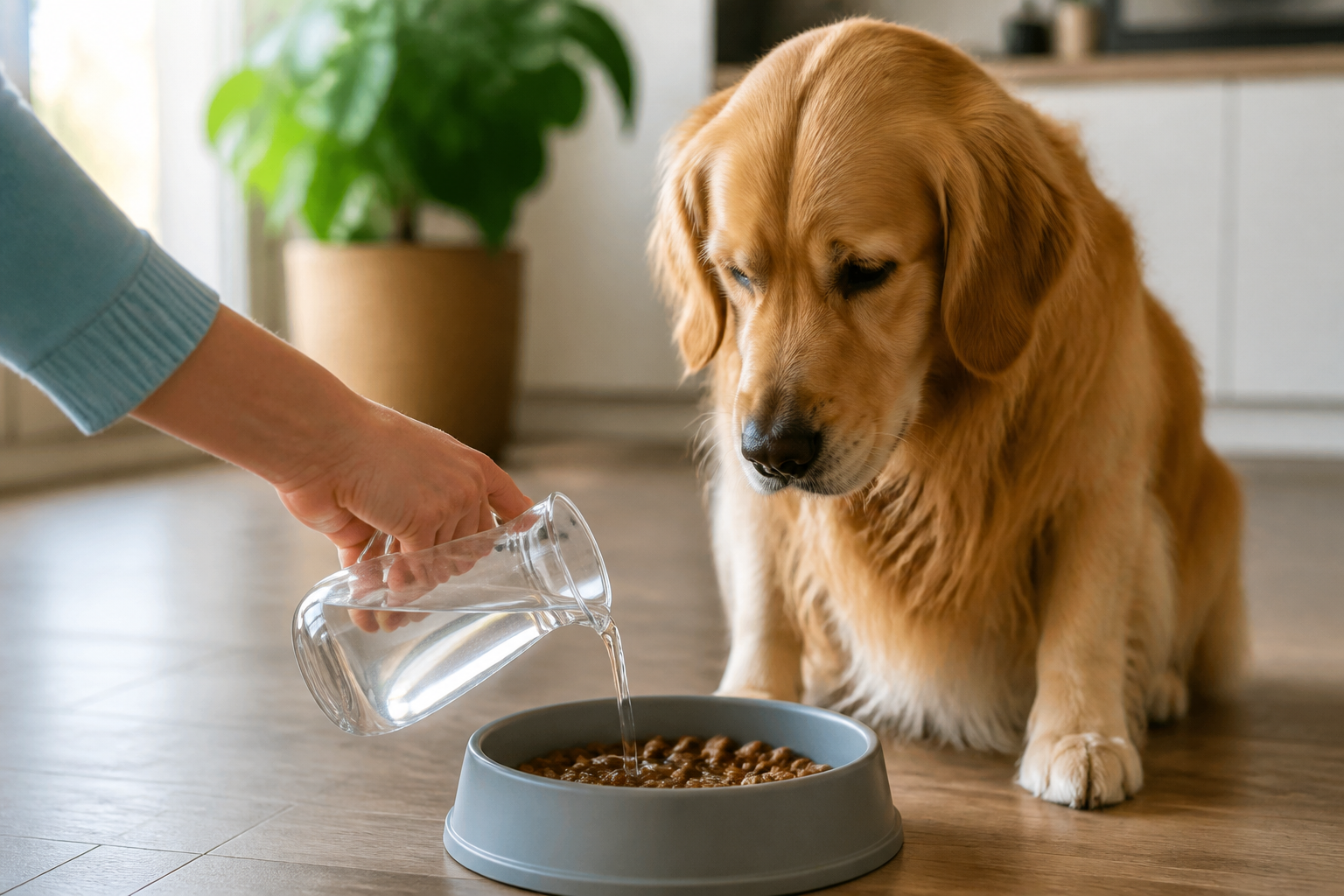
You are standing in your kitchen at mealtime. You look down at your dog's bowl of hard, dry kibble. Perhaps your dog seems a bit bored with the same texture every day. Maybe you have a senior dog who is starting to struggle with those crunchy bits. You might simply wonder if adding a little water could help them stay hydrated during a hot Illinois summer. At BaxterBoo, we hear these questions from pet parents every single day. The short answer is yes. It is perfectly fine to moisten dry dog food. In fact, adding liquid to kibble can provide significant health benefits for many dogs. This post will cover why you might want to soak your dog's food, how to do it safely, and what risks you should keep in mind. Understanding the "how" and "why" behind this simple habit can help you better support your dog's nutrition and comfort.
The Immediate Benefits of Moistening Kibble
Adding water to dry food changes more than just the texture. It fundamentally alters the eating experience and the way the body processes the meal. While dry kibble is convenient and shelf-stable, it typically only contains about 10 percent moisture. Adding liquid helps bridge the gap between dry food and the high-moisture diets that many dogs find more satisfying. Explore our dog food selection to compare dry and wet meal options.
Better Hydration for Picky Drinkers
Many dogs do not drink enough water from their bowls. This is especially true for dogs that are less active or those living in climate-controlled environments. By adding water directly to the food, you ensure your dog takes in moisture with every bite. Proper hydration is vital for kidney function. It also helps with temperature regulation and joint lubrication.
Enhanced Aroma and Palatability
If your dog has recently lost interest in their food, the problem might be the smell. Dry kibble locks in aromas. When you add warm water, it releases the fats and scents within the pellets. This creates a natural gravy that smells much more appealing to a canine nose. This simple trick can be a lifesaver for dogs recovering from an illness or those who are naturally picky eaters. For more ideas, read how to add water to your dog's dry food.
Managing Satiety and Weight
Dry food is extremely nutrient-dense. This means a small volume of food contains a lot of calories. For a dog on a weight management plan, a small scoop of dry food can look quite lonely in a large bowl. When you soak kibble, it expands. It often doubles in size as it absorbs the liquid. This helps your dog feel physically full after a meal without adding extra calories.
Quick Answer: Yes, it is safe and often beneficial to moisten dry dog food. Adding water improves hydration, enhances flavor, and makes the food easier to chew for senior dogs or puppies.
Supporting Dogs at Different Life Stages
The decision to moisten food often depends on your dog's age. Different life stages come with unique dental and nutritional requirements.
Helping Puppies Transition to Solids
Puppies have small, sensitive teeth and gums. During the weaning process, moving straight from mother's milk to hard kibble can be a shock. We often recommend creating a "mash" by soaking kibble in warm water or a puppy-safe replacement milk. This allows them to lap up the food while they learn how to chew. It also makes the transition gentler on their developing digestive systems. If you are preparing for a new puppy, browse our puppy supplies for age-appropriate essentials.
Comfort for Senior Dogs
As dogs age, they often face dental challenges. Missing teeth, gum sensitivity, or even minor jaw pain can make crunching dry food a chore. Softening the food removes this barrier. It ensures your senior dog continues to get the calories they need to maintain their weight. Additionally, many older dogs experience a decreased sense of smell. The extra aroma from moistened food can encourage them to keep eating. You can also read whether senior dogs should eat wet or dry food.
Care for Dental Issues
If your dog has recently had a dental cleaning or tooth extraction, your vet likely recommended a soft diet. You do not always have to buy a different brand of canned food for this period. Moistening their existing dry food allows them to stay on the diet they are used to while their mouth heals.
Vet Tip: If your dog suddenly stops wanting to eat hard kibble, please schedule a dental checkup. While moistening food helps with the symptoms, a veterinarian needs to address underlying issues like broken teeth or infected gums.
Health Considerations and Digestive Support
Moistening food can play a role in managing certain health conditions. It is not just about making the food softer. It is about how the food interacts with the digestive tract. For another perspective on dry-food nutrition, see is dry food enough for dogs.
Preventing Bloat and Fast Eating
Bloat, or Gastric Dilatation-Volatvulus, is a serious and life-threatening condition. It often affects deep-chested breeds. Some theories suggest that dogs who eat dry food quickly and then drink large amounts of water immediately after are at higher risk. The kibble expands rapidly in the stomach. By pre-soaking the food, you allow that expansion to happen in the bowl instead of the stomach. Moistened food is also harder to "inhale" quickly, which can slow down dogs that tend to gulp their meals.
Sensitive Stomachs and Digestion
Dry food requires the body to provide moisture for digestion. If a dog is already slightly dehydrated, dry kibble can pull even more water from the gut wall. This can lead to constipation or general discomfort. Pre-moistening the food lightens the workload for digestive enzymes. It can be particularly helpful for dogs prone to acid reflux or those with generally sensitive stomachs.
Managing Chronic Conditions
For dogs with kidney issues or urinary tract stones, hydration is the top priority. Our pharmacy offers prescription diets designed for these specific needs through our partnership with Pet's Choice. Many of these therapeutic diets come in dry versions. Moistening these prescription kibbles can help your dog get the maximum benefit from their specialized nutrition while supporting their hydration goals.
Bottom line: Moistening food is a proactive way to support hydration and digestion, especially for dogs at risk of bloat or those managing chronic health issues.
Potential Risks and Safety Guidelines
While there are many benefits, you must handle moistened food differently than dry kibble. Adding water changes the stability of the food. For additional guidance on keeping kibble fresh, read how long dry dog food lasts.
The Risk of Bacterial Growth
Dry dog food is processed to be shelf-stable. Once you add water, you create a perfect environment for bacteria to grow. Salmonella and Listeria thrive in moist environments. You should never leave moistened food sitting out at room temperature for an extended period.
Spoilage and "Free Feeding"
If your dog is a "grazer" who likes to take a few bites and come back later, moistening food might not be for them. You cannot leave wet kibble in a bowl all day. If your dog does not finish their meal within 30 to 60 minutes, you must throw the leftovers away. Leaving it out longer invites mold and harmful bacteria.
Impact on Dental Health
There is a long-standing belief that dry kibble cleans teeth through abrasion. While some specialized dental diets do help scrape away plaque, most standard kibble crumbles too quickly to provide much benefit. However, soaking kibble completely removes any abrasive quality it might have had. If you choose to moisten your dog's food long-term, you should be extra diligent with their dental care routine.
Key Takeaway: Safety is paramount when moistening food. Always discard uneaten portions after an hour to prevent bacterial growth and maintain a strict dental cleaning schedule.
How to Properly Moisten Dog Food
If you decide to try this at home, follow a consistent process. This helps your dog's stomach adjust to the change.
Choose Your Liquid
Water is the most common and safest choice. Always use clean, filtered water if possible. Some owners prefer to use bone broth for added nutrients and flavor. If you use broth, ensure it is specifically made for pets. Many human-grade broths contain onions, garlic, or excessive sodium, which are toxic to dogs. You can explore our bone broth and food topper selection for pet-focused options.
Get the Temperature Right
Use warm water, not boiling water. Boiling water can destroy some of the vitamins and probiotics added to the kibble. Warm water is the most effective at releasing aromas and softening the core of the pellet. Always test the temperature with your finger before serving to ensure it will not burn your dog's mouth.
Finding the Right Ratio
The amount of water you add depends on your goal. If you just want a bit of flavor, a 1:4 ratio (one part water to four parts kibble) is enough to create a light coating. For a soft, mash-like consistency, a 1:1 ratio is usually best.
The Step-by-Step Process
Step 1: Measure the portion. / Place your dog's normal amount of dry food into a clean bowl.
Step 2: Add warm liquid. / Pour your chosen liquid over the kibble until you reach your desired ratio.
Step 3: Let it sit. / Allow the food to soak for 10 to 15 minutes. This ensures the moisture reaches the center of each piece.
Step 4: Stir and serve. / Give the mixture a quick stir to distribute any "gravy" and serve immediately to your dog.
Alternatives to Water
If your dog is not a fan of water-soaked kibble, there are other ways to add moisture and variety to their bowl. For more meal ideas, read what can be added to dry dog food.
Wet Food Toppers
Adding a spoonful of high-quality canned food can provide moisture and a huge boost in flavor. We carry many premium brands like Stella and Chewy's or Tiki Cat that offer excellent wet options. This is a great way to provide the benefits of a soft diet without completely soaking the dry kibble.
Goat Milk and Kefir
For dogs with healthy digestive systems, a splash of goat milk can provide probiotics and moisture. This is often very appealing to picky eaters. It adds a creamy texture that many dogs find irresistible.
Using Our Resources
At BaxterBoo, we believe in providing choices that fit your dog's specific needs. Whether you are looking for a bone broth topper or a specific bowl designed to slow down fast eaters, we have curated options for every situation. You can also explore our Autoship program to ensure you never run out of your dog's favorite dry food or hydrating toppers.
- Look for low-sodium, pet-safe bone broths.
- Consider using a slow-feeder bowl for moistened meals.
- Keep extra towels nearby, as wet meals can be messier.
- Wash the food bowl thoroughly after every single meal.
When to Consult Your Veterinarian
Before making a permanent change to your dog's feeding routine, it is a good idea to talk to a professional. This is especially true if you are changing their diet because of a health concern.
A veterinarian can help you determine if your dog's lack of interest in dry food is a behavioral quirk or a sign of an underlying issue. If your dog is struggling with weight, a vet can calculate the exact caloric needs for your dog. They can also provide a prescription for specialized food through our pharmacy if your dog has a condition that requires medical-grade nutrition. Our partnership with Pet's Choice ensures that your prescription orders are handled with care and delivered right to your door.
Vet Tip: If your dog has a history of gastrointestinal issues, introduce moistened food slowly. Start with a small amount of water and increase it over several days to avoid upsetting their stomach.
Maintaining Your Routine
Consistency is vital for canine health. Once you find a moisture level that your dog enjoys, try to stick with it. Sudden changes in texture can occasionally cause digestive upset.
Cleaning and Hygiene
Because moistened food is messier, you will need to be more proactive with cleaning. Droplets of wet food can dry on your dog's muzzle or the floor. This can attract pests or grow bacteria. Use a pet-safe mat under the bowl and wipe your dog's face after they finish eating if they are a particularly messy eater.
Monitoring Results
Watch your dog after you start moistening their food. Are they more energetic? Is their coat shinier? Are their stools consistent? These are all signs that the extra hydration is having a positive effect. If you notice any vomiting or diarrhea, stop adding water and consult your vet.
Bottom line: Moistening dry food is a simple, cost-effective way to improve your dog's daily life, provided you maintain high standards of hygiene and monitor their response closely.
Summary of Feeding Options
| Method | Best For | Main Benefit |
|---|---|---|
| Light Splash | Average adult dogs | Improved aroma and palatability |
| Full Soak (1:1) | Seniors and puppies | Ease of chewing and hydration |
| Bone Broth Mix | Picky eaters | Extra nutrients and high flavor |
| Wet Food Topper | Multi-pet households | Added variety and moisture |
Conclusion
Moistening dry dog food is an easy way to support your dog’s health and happiness. It provides essential hydration, makes meals more exciting for picky eaters, and offers comfort to senior dogs with dental issues. While you must be careful about bacterial growth and keep a close eye on dental hygiene, the benefits often far outweigh the risks. At BaxterBoo, we are committed to helping you find the right balance for your pet. From high-quality dry food to hydrating toppers and even prescription diets through our pharmacy, we have the tools you need to make every mealtime a success.
- Always use warm, not hot, water.
- Discard uneaten moistened food after one hour.
- Consider bone broth for an extra flavor boost.
- Clean bowls thoroughly after every use.
Key Takeaway: Adding liquid to kibble is a vet-approved way to enhance your dog's diet, provided you prioritize food safety and hygiene.
If you are ready to upgrade your dog's mealtime, check out our premium dog foods and hydrating toppers. You can even sign up for our MVP Rewards program to earn points on every purchase, helping you provide the best care for your furry friend while staying on budget.
FAQ
Does soaking kibble cause it to lose its nutritional value?
No, soaking kibble does not reduce the actual calories or minerals in the food. However, you should avoid using boiling water, as extreme heat can damage some heat-sensitive vitamins and probiotics. Using warm water or room-temperature water is the best way to preserve the nutritional integrity of the meal.
Can I moisten the food and store it in the fridge for later?
It is not recommended to store moistened kibble for more than a few hours, even in the refrigerator. The texture can become unappealingly mushy, and the risk of bacterial growth still exists once the food has been handled. It is always safest to prepare each meal fresh and discard anything your dog does not finish immediately.
Will adding water to dry food make my dog's breath smell worse?
Because moistened food can get stuck between teeth or around the gums more easily than dry food, it can contribute to plaque buildup if you do not brush your dog's teeth. This buildup is what usually causes bad breath. If you switch to a moistened diet, ensure you are using dental chews or brushing their teeth regularly to keep their mouth fresh.
Is it better to use chicken broth instead of water?
Plain water is the safest option because it contains zero calories and no additives. If you choose to use broth, it must be a pet-specific version that is free of salt, onions, and garlic. Many human broths contain high levels of sodium which can be dangerous for dogs, especially those with heart or kidney conditions.






