
 Save 15% on your 1st Autoship learn more

 Email us
 Live Chat
 FAQs
FAQs





Introduction
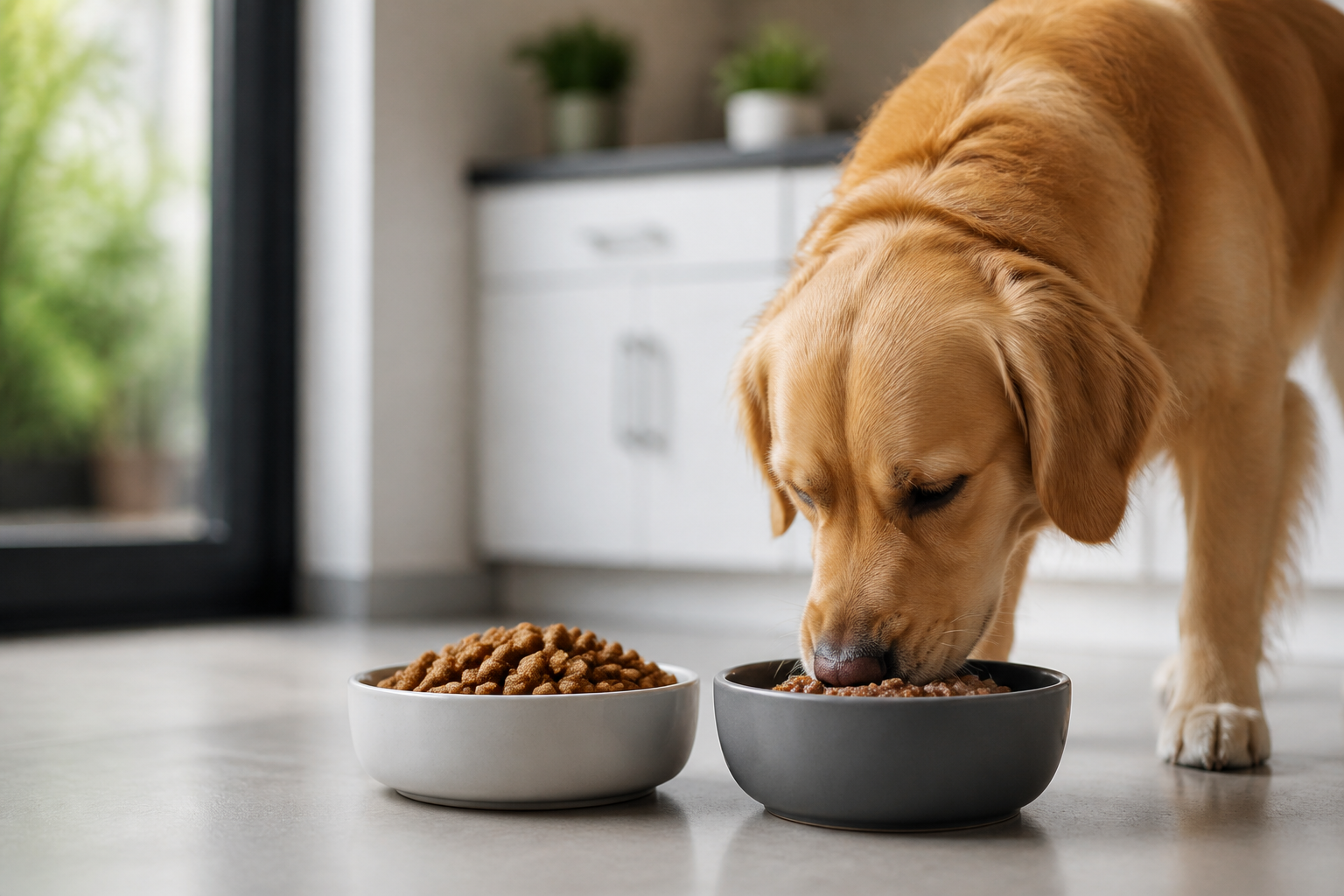
You might notice your dog hesitating at the bowl or hear a rumble in their stomach after they eat a meal of crunchy kibble. Perhaps you have a senior dog who seems to struggle with the effort of chewing, or a puppy with a sensitive tummy that reacts to every new snack. These moments make every pet owner wonder if they are providing the right fuel for their best friend. At BaxterBoo, we talk to owners every day who are trying to balance convenience with the digestive comfort of their pets. Understanding the mechanics of how dogs process different textures is the first step in making an informed choice. This post covers the differences in processing, the role of moisture in gut health, and when a softer diet might be the right move. While both formats can provide complete nutrition, wet food is often easier for many dogs to digest due to its high moisture content and simpler ingredient structure.
Quick Answer: Wet dog food is generally easier for dogs to digest because it contains significantly more moisture and typically has fewer complex carbohydrates or binders than dry kibble. The soft texture also requires less mechanical breakdown in the stomach, making it a gentle option for dogs with sensitive systems.
The Science of Canine Digestion
To understand why one food might be easier to process than another, we have to look at how a dog’s body works. Digestion starts the moment food enters the mouth. While humans have amylase in our saliva to start breaking down starches, dogs do not. Their digestion is primarily a mechanical and chemical process that happens in the stomach and small intestine.
Dry kibble is dense and hard. It requires the stomach to produce significant acid and use muscle contractions to break those hard pellets into a slurry. Wet food arrives in the stomach already soft and full of water. This means the body can get straight to the work of absorbing nutrients rather than working hard to hydrate the food first.
The speed of digestion also varies. Wet food moves through the digestive tract relatively smoothly. Dry food absorbs liquid from the dog's body as it sits in the stomach. This can sometimes lead to a feeling of heaviness or bloating if the dog does not drink enough water immediately after eating.
For another look at how the two textures compare, read our guide to whether wet or dry food is better for dogs.
Why Moisture Matters for the Gut
Water is the most critical nutrient for any living creature. In the context of digestion, moisture acts as a lubricant. It helps move food through the esophagus and into the stomach. Once there, it assists the enzymes that break down proteins and fats.
Hydration and Nutrient Absorption
Wet dog food typically consists of 75 percent to 80 percent water. Dry kibble usually hovers around 10 percent. When a dog eats wet food, they are hydrating while they eat. This high water content helps the kidneys flush out toxins and ensures that the lining of the digestive tract stays healthy.
Preventing Constipation
Low moisture diets can sometimes lead to harder stools and constipation. This is especially true for dogs that are not naturally big drinkers. The added hydration from canned or pouched food keeps the waste moving. It makes the elimination process much more comfortable for the dog.
The Role of Gastric Emptying
Studies on gastric emptying show that liquids and soft foods leave the stomach faster than solid chunks. For a dog with a slow digestive system, wet food can prevent food from sitting too long and fermenting. This reduces the likelihood of gas and discomfort.
Key Takeaway: High moisture content in wet food serves as a built-in digestive aid that helps transport nutrients and maintain a smooth flow through the intestinal tract.
If you are comparing formulas, browse our dog food category for wet, dry, and topper options.
Processing Differences: Extrusion vs. Canning
The way we make dog food at a factory level changes how a dog’s body reacts to it. Most dry foods are made through a process called extrusion. This involves mixing ingredients into a dough, cooking them under high pressure, and pushing them through a die to create shapes.
The Binders in Dry Food
To keep a piece of kibble from crumbling into dust, manufacturers must use binders. These are usually starches like corn, wheat, peas, or potatoes. While these ingredients provide energy, they are more complex to break down than animal proteins. Some dogs have a harder time processing these high starch levels, which can lead to larger stools or flatulence.
The Sterilization of Wet Food
Wet food is handled differently. The ingredients are mixed, put into a container, and then cooked inside the sealed can or pouch. This process sterilizes the food without the need for the same heavy starch binders used in kibble. Because it is cooked in its own juices, the proteins often remain more "bioavailable." This means the dog's body can use more of the protein and waste less.
Nutrient Density and Fillers
We carry over 500 trusted brands at BaxterBoo, and we see a wide variety of ingredient lists. Generally, high quality wet foods contain fewer fillers than budget dry foods. When there is less "junk" for the body to filter out, the digestive system does not have to work as hard.
For a closer look at available options, explore our selection of Merrick products.
When Wet Food is the Clear Winner
While many dogs do perfectly well on dry food, there are specific life stages and health conditions where wet food provides a massive advantage. These are situations where the ease of digestion is not just a preference but a necessity.
Senior Dogs and Digestive Efficiency
As dogs age, their digestive enzymes may become less efficient. Their sense of smell also fades, which can decrease their appetite. Wet food is highly aromatic. It smells like real meat, which jumpstarts the digestive juices before the first bite is even taken.
Senior dogs often deal with dental issues or missing teeth. Chewing hard kibble can be painful. If a dog swallows kibble whole because of dental pain, the stomach has to do double the work. Wet food removes the need for heavy chewing and is much easier on an aging gut.
Senior dogs and picky eaters may also benefit from the softer texture described in our article about switching from dry to wet dog food.
Puppies and Small Tummies
Puppies have small stomachs and high energy needs. They need food that is calorie dense but easy to break down. During the weaning process, wet food is the standard bridge between milk and solid food. It provides the necessary nutrients without taxing their developing systems.
Dogs with Sensitive Stomachs
If your dog frequently deals with "runny" stools or vomiting, a transition to a high quality wet food might help. Many wet foods are formulated with limited ingredients. This makes it easier to identify what might be bothering your pet.
Vet Tip: If your dog is experiencing chronic vomiting, diarrhea, or a sudden loss of appetite, please consult your veterinarian. These can be signs of underlying health issues like pancreatitis or food allergies that require a professional diagnosis and a specific treatment plan.
The Benefits of Dry Food for Digestion
It is not all one sided. Dry food has its own digestive perks. The main benefit is the inclusion of fiber. Many high quality kibbles use specific types of fiber that act as prebiotics.
- Firm Stools: The fiber in dry food helps bulk up the stool, which is important for anal gland health.
- Probiotic Carriers: Many dry foods are sprayed with live probiotics after the cooking process. These "good bacteria" are essential for a healthy microbiome.
- Dental Friction: The mechanical act of chewing kibble can help scrape away some tartar. While it does not replace brushing, it can contribute to overall oral hygiene, which is the start of the digestive path.
The Hybrid Approach: Mixing Wet and Dry
Many owners find that a combination of both textures is the best solution. This is often called "topped" feeding. By adding a spoonful of wet food to a bowl of kibble, you get the digestive benefits of moisture and the convenience of dry food.
For more guidance, see our article on mixing dry dog food with wet food.
Benefits of Mixing
- Increased Palatability: It makes the meal more exciting for picky eaters.
- Improved Hydration: You add water to the diet without switching entirely.
- Cost Management: Wet food is generally more expensive per calorie. Mixing allows you to stretch your budget while still providing a premium experience.
How to Mix Safely
If you decide to mix, you must be careful about calories. Wet food is less calorie dense than dry food by volume, but it is still easy to overfeed. You should reduce the amount of kibble you provide to account for the calories in the wet topper.
- Start Small: Add just a tablespoon of wet food to the regular kibble.
- Monitor the Gut: Watch for any signs of loose stools during the first few days.
- Check the Scale: Weigh your dog regularly to ensure they aren't gaining unnecessary weight.
Bottom line: Mixing wet and dry food offers a balanced middle ground that supports hydration while maintaining the dental and cost benefits of kibble.
Transitioning Your Dog’s Diet
If you decide to move from dry to wet food to help with digestion, you should never do it overnight. A sudden change in protein or fat levels can cause the exact digestive upset you are trying to avoid.
Step 1: Mix 25 percent of the new wet food with 75 percent of the old dry food for two days.
Step 2: Move to a 50/50 split for the next two to three days.
Step 3: Increase to 75 percent wet food and 25 percent dry food for another two days.
Step 4: Transition to 100 percent wet food if that is your final goal.
During this week, keep a close eye on your dog. If you notice any gas or lethargy, slow down the transition. Every dog's internal flora needs time to adjust to the new nutrient profile.
You can also read our guide to wetting dry dog food for better digestion and hydration before changing your dog’s meals.
Managing Health Conditions with Diet
Sometimes, the choice between wet and dry is taken out of your hands by a medical diagnosis. Conditions like kidney disease, urinary crystals, or diabetes often require specific nutritional interventions. For example, dogs with kidney issues almost always benefit from wet food because the extra hydration is vital for renal function.
Our pharmacy at BaxterBoo offers a variety of FDA-approved medications and prescription pet foods through our partnership with Pet's Choice. If your veterinarian has recommended a specific prescription diet for a digestive or chronic condition, we can help fulfill those needs. These specialized foods are formulated with highly hydrolyzed proteins or specific fiber blends that are designed for maximum digestibility.
For veterinarian-recommended medications, visit our pet pharmacy.
Common Myths About Wet Dog Food
There are several misconceptions that often stop owners from trying wet food. It is important to separate fact from fiction.
Myth: Wet Food Causes Weight Gain
Many people think wet food is "fattening" because dogs love it so much. In reality, wet food is often lower in carbohydrates than dry food. Because it is mostly water, a dog can actually eat a larger volume of wet food while consuming fewer calories. This can make it a great tool for weight management.
Myth: Wet Food Always Causes Diarrhea
While a sudden switch can cause loose stools, a high quality wet food should not cause diarrhea. If it does, it may be due to a specific ingredient allergy or a fat content that is too high for that specific dog.
Myth: It Is Bad for the Teeth
While wet food does not provide the scraping action of kibble, it is not "bad" for teeth. As long as you maintain a regular dental care routine, including brushing and dental treats, your dog's oral health will be fine.
Quality Indicators to Look For
Not all wet foods are created equal. When browsing our collection at BaxterBoo, you should look for specific markers of quality that indicate a food will be easy to digest.
- Named Proteins: Look for "Chicken" or "Beef" rather than "Meat By-Products."
- Whole Ingredients: You should see recognizable vegetables like carrots or peas in many stews.
- Minimal Thickening Agents: While some guar gum or carrageenan is common, the best brands keep these to a minimum.
- AAFCO Statement: Ensure the food is labeled as "complete and balanced" for your dog's life stage.
Practical Storage and Feeding Tips
Wet food requires more care than a bag of kibble. Because it lacks the preservatives found in dry food, it can spoil quickly once opened.
- Refrigerate Promptly: Any unused portion must be covered and put in the fridge immediately.
- The Three-Day Rule: Most wet food should be used within three days of opening.
- Warm It Up: If your dog is picky, try warming the food to room temperature. This releases the aromas and makes the fats more palatable.
- Clean the Bowl: Wet food residue can grow bacteria quickly. Wash your dog's bowl after every single meal.
For additional mealtime ideas, read how to wet dry dog food safely.
Conclusion
Deciding if wet dog food is easier to digest than dry comes down to the individual needs of your pet. For most dogs, the high moisture and lower starch content of wet food make it a gentler option for the stomach. It is an excellent choice for seniors, puppies, and those needing extra hydration. However, dry food remains a convenient and cost-effective staple that provides essential fiber. We recommend trying a slow transition or a mixed feeding approach to see how your dog responds. If you are managing a specific health condition, our pharmacy can help with prescription options tailored to your vet's recommendations. Whether you choose a premium canned brand like Merrick or a trusted kibble from Royal Canin, the most important factor is a high-quality ingredient list. You can earn points on every food purchase through the MVP Rewards programme to help make your dog's favorite meals more affordable.
FAQ
Is wet dog food better for a dog with an upset stomach?
If your dog has a temporary upset stomach, a bland wet food can be easier to process because it requires less mechanical digestion. However, you should always consult a vet if the upset lasts more than 24 hours. They may recommend a specific therapeutic diet or a temporary fast followed by a bland diet of boiled chicken and rice.
Can wet food cause my dog to have soft stools?
Yes, if the transition is too fast or if the wet food has a higher fat content than your dog is used to, it can cause soft stools. This is usually temporary as the gut bacteria adjust to the new food. If the soft stools persist, it might be a sign that the specific brand or protein source is not a good match for your dog.
Does wet dog food have more protein than dry food?
When looking at the label, wet food percentages look lower because of the water weight. However, when you calculate it on a dry matter basis, wet food often contains a higher percentage of animal-based protein. This is because dry kibble requires more starch and carbohydrates to maintain its structural shape.
Is it okay to leave wet food out all day?
No, you should not leave wet food in a bowl for more than 30 to 60 minutes. Because of the high moisture and lack of heavy preservatives, it can quickly become a breeding ground for bacteria. If your dog is a "grazer" who likes to eat small amounts throughout the day, dry kibble is a much safer option for free-feeding.






