
 Save 15% on your 1st Autoship learn more

 Email us
 Live Chat
 FAQs
FAQs





Introduction
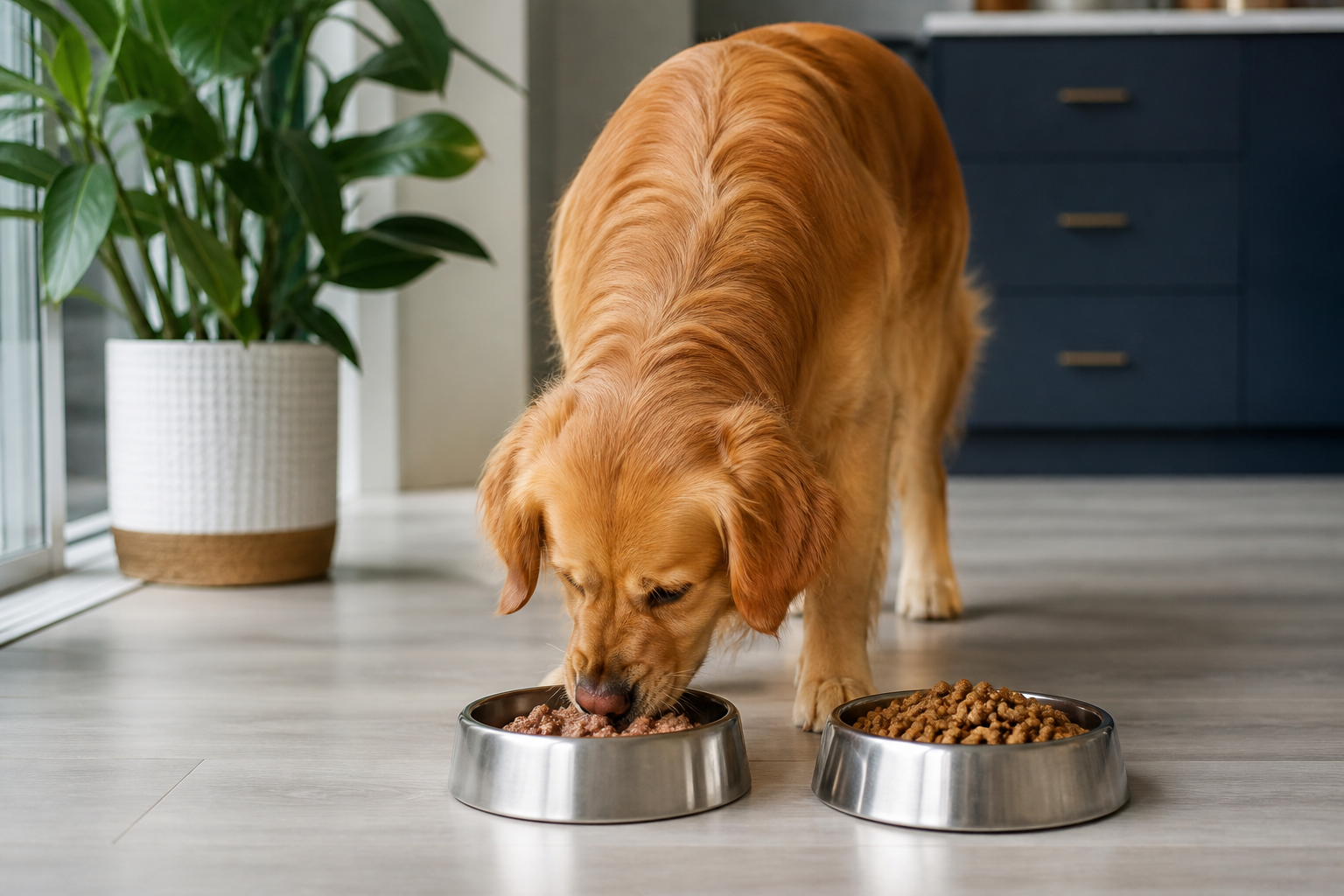
You are standing in the dog food aisle at BaxterBoo or scrolling through our online shop. You see rows of colorful kibble bags on one side and stacks of savory canned recipes on the other. It is a common moment of doubt for many pet parents. Choosing between wet and dry food is more than just a matter of price or convenience. It involves understanding hydration, dental health, and the specific life stage of your dog. We want to help you clear up the confusion and find the best fit for your home. This guide explains the nutritional differences, storage requirements, and health benefits of both options. Ultimately, the best choice depends on your dog's unique needs and your daily routine.
Understanding the Basics of Dog Food Processing
The primary difference between wet and dry dog food starts in the manufacturing plant. Dry dog food, or kibble, goes through a process called extrusion. Ingredients like meats, grains, and vitamins are mixed into a dough. This dough is cooked under high pressure and pushed through small holes to create specific shapes. After the kibble is dried, it is often sprayed with fats and oils to make it smell and taste better to your dog. This process results in a product with very low moisture, usually around 10 percent.
Wet dog food involves a different method. The proteins and ingredients are ground and mixed with a gravy or gel that contains essential minerals and vitamins. This mixture is put into cans or pouches, sealed, and then cooked and sterilized. Because the liquid stays inside the container, wet food maintains a high moisture content. Most canned foods are about 75 to 78 percent water. This difference in water content changes how you measure portions and how your dog stays hydrated.
Quick Answer: Neither wet nor dry food is universally better. Dry food is convenient, budget-friendly, and supports dental health. Wet food provides superior hydration and is often more appealing to picky eaters or senior dogs.
The Advantages of Dry Dog Food
Kibble remains the most popular choice for many US households for several practical reasons. One of the biggest benefits is convenience. You can easily measure it with a scoop and leave it in a bowl for dogs that prefer to graze throughout the day. It does not spoil quickly if left out for a few hours. This makes it a great fit for busy families who need a simple feeding routine.
Dry food is also generally more cost-effective. Because it is energy-dense, you do not need to feed as much volume to meet your dog's daily calorie requirements. A large bag can last for several weeks if stored correctly. Brands like NutriSource, Acana, and Orijen provide high-quality dry options that pack a lot of nutrition into every small crunch. You can compare formulas in our dog food category.
Dental Health Benefits
The crunchy texture of kibble can play a role in oral hygiene. When a dog chews a hard piece of food, the mechanical scraping action can help reduce the buildup of plaque and tartar. Some specialized dental diets are even specifically shaped to maximize this cleaning effect. While kibble is not a substitute for regular teeth brushing, it can be a helpful part of a broader dental care plan. For more routine ideas, read our dog dental care guide.
Cognitive and Physical Enrichment
Kibble is much easier to use with interactive toys and puzzle feeders. You can put dry pieces into a Kong or a snuffle mat to keep your dog mentally stimulated. This slows down fast eaters and provides a healthy outlet for their energy. Using food as a reward during training is also much cleaner and easier with dry kibble than with wet food.
Key Takeaway: Dry food is a shelf-stable, cost-effective option that supports dental health and works perfectly with enrichment toys.
The Benefits of Wet Dog Food
Wet food is often the go-to choice for dogs that are a bit more selective about their meals. The aroma of canned food is much stronger than dry food. This is because the moisture helps carry the scent of the meat and fats. If you have an older dog whose sense of smell is fading, a bowl of wet food can be much more enticing. For additional perspective on this life stage, see our guide to senior dogs and wet or dry food.
Superior Hydration
Hydration is where wet food truly shines. Many dogs do not drink enough water from their bowls alone. Feeding a diet that is nearly 80 percent water ensures they are getting a steady stream of moisture throughout the day. This is particularly helpful for dogs prone to urinary tract issues or kidney concerns.
Satiety and Weight Management
Because wet food has more volume for fewer calories, it can help dogs feel full longer. If your dog is on a weight management plan, they might feel deprived of a small portion of kibble. A larger portion of wet food can satisfy their hunger without exceeding their calorie limit. It is a useful tool for preventing obesity while still making mealtime feel substantial.
Ease of Eating
For puppies with small baby teeth or senior dogs with missing teeth, wet food is much easier to chew and swallow. It has a soft consistency that requires very little effort to process. It is also an excellent medium for hiding medications or supplements if your dog is reluctant to take pills.
Vet Tip: If your dog has a history of kidney disease or urinary stones, increasing moisture intake is a priority. Consult your veterinarian about using wet food or a prescription diet from our pet pharmacy to support their internal health.
Navigating Special Health Needs and the Pharmacy
Sometimes the choice between wet and dry food is dictated by a medical condition. For dogs with specific health challenges, a standard grocery store diet might not be enough. This is where specialized nutrition and medications become necessary.
Our pharmacy provides access to FDA-approved prescription pet foods and medications through our partnership with Pet's Choice. These diets are often available in both wet and dry formats to suit your dog's preference. For example, a dog with severe skin allergies might need a limited ingredient diet from a brand like Royal Canin or Farmina Vet Life.
Common Conditions Benefiting from Specific Textures:
- Urinary Health: Wet food is often preferred to help flush the bladder.
- Diabetes: Consistent portions and specific fiber content are easier to manage with high-quality kibble or measured cans.
- Senior Cognitive Care: Formulas like Senilife or specialized diets can support brain health in aging pets.
- Mobility Issues: Supplements like Cosequin can be mixed easily into wet food to ensure the dog gets the full dose.
If your veterinarian prescribes a specific diet for a chronic condition, you can easily manage those needs through our dog pharmacy. This ensures your pet gets the exact nutrition required to manage their symptoms.
Life Stage Considerations
The right food texture often changes as your dog grows. Puppies and seniors have different physical capabilities when it comes to eating.
Puppies and Weaning
When puppies transition from their mother's milk to solid food, their mouths are sensitive. Starting with wet food or kibble soaked in warm water makes the transition easier. It provides the high protein and fat content they need for growth in a format they can actually handle. As they get older, introducing them to both textures helps prevent them from becoming picky adults.
The Senior Years
As dogs age, they may develop dental disease or lose some of their appetite. Senior dogs often benefit from the extra moisture and strong aroma of wet food. It helps them stay hydrated, which is vital for organ function in old age. However, many seniors still enjoy the crunch of dry food. A mix of both can provide the perfect balance of nutrition and enjoyment. You can also explore more nutrition guidance for senior dogs.
The Best of Both Worlds: Mixing Wet and Dry Food
You do not have to choose just one. Many pet parents find that mixing wet and dry food provides the best balance of health and value. This is often called "mixed feeding" or "topping."
By adding a spoonful of wet food to a bowl of kibble, you enhance the flavor and add a boost of hydration. This can convince a picky eater to finish their meal while still giving them the dental benefits of chewing dry pieces. It also helps stretch your budget. You can buy high-quality kibble in bulk and use cans as a special treat or topper. For another way to soften or enhance kibble, read how to wet dry dog food for better digestion and hydration.
Tips for Successful Mixing:
- Watch the Calories: Do not just add wet food on top of a full portion of dry food. You must reduce the kibble amount to account for the extra calories in the wet food.
- Keep it Fresh: Once you mix the two, the food must be eaten within about 30 minutes. The moisture in the wet food will make the kibble soggy and prone to bacteria if left out.
- Stay Consistent: Try to stick to the same brands when mixing to avoid digestive upset. Brands like Stella and Chewy's or The Honest Kitchen offer great toppers that are designed to work with kibble.
Bottom line: Mixing wet and dry food is an excellent way to improve palatability and hydration without the high cost of an all-canned diet.
Storage and Safety Guidelines
Proper storage is essential to keep your dog's food safe and nutritious. The way you handle the food can affect its taste and its vitamin levels.
Storing Dry Food
Kibble should be kept in its original bag. The bags are designed with special liners to prevent the fats and oils from going rancid. Place the entire bag into an airtight plastic or metal container. Keep the container in a cool, dry place. Avoid storing dog food in a hot garage or a damp basement. Once a bag is opened, try to use it within four to six weeks for maximum freshness. For additional storage ideas, review how to keep dry dog food fresh.
Storing Wet Food
Unopened cans have a long shelf life, but once they are open, the clock starts ticking. Any unused portion must be covered and refrigerated immediately. Use a silicone can lid or transfer the food to an airtight container. Wet food should be used within three days of opening. If your dog does not finish their meal in the bowl within 30 to 60 minutes, you should throw the leftovers away to prevent bacterial growth.
Checklist for Food Safety:
- Check the "Best By" date before purchasing.
- Wash your dog's food bowl with soap and hot water daily.
- Seal bags tightly to keep out air and pests.
- Discard any wet food left at room temperature for more than an hour.
Transitioning Between Food Types
If you decide to switch from dry to wet, or vice versa, you must do it slowly. A sudden change in diet can lead to stomach upset, vomiting, or diarrhea. Most dogs need about seven to ten days to adjust to a new food type.
Step 1: Start with a small amount. / Replace about 25 percent of the old food with the new food for the first two days.
Step 2: Increase the ratio. / Move to a 50/50 mix on days three and four. Watch your dog's stool consistency during this time.
Step 3: Finish the transition. / By days five and six, use 75 percent of the new food. If everything looks good, you can move to 100 percent of the new food by day seven or eight.
If your dog has a sensitive stomach, you might want to extend this process to two weeks. Being patient ensures their digestive system has time to adapt to the new moisture and protein levels.
Making the Best Choice for Your Home
The debate over wet versus dry food usually comes down to your dog's health and your lifestyle. If you have a healthy adult dog who drinks plenty of water, high-quality kibble is a fantastic, convenient choice. If you have a senior dog with a poor appetite or a puppy who needs extra hydration, wet food might be the better path.
Many people find that variety is the key to a happy dog. We see many customers who use kibble as the daily foundation and add wet food during the evening meal for variety. This keeps the dog excited about their food while keeping costs manageable for the owner.
At BaxterBoo, we carry over 500 trusted brands to ensure you have access to the best nutrition possible. Whether you need a premium kibble from Acana or a specialized wet formula for a sensitive stomach, we have the selection to support your dog.
Final Steps for Success:
- Evaluate your dog's current hydration and dental health.
- Consult your vet about any specific medical needs or weight goals.
- Consider a mixed feeding approach for the best of both worlds.
- Sign up for our Autoship programme to ensure you never run out of your favorite formulas.
Bottom line: Choose the food that your dog thrives on and that fits comfortably into your daily routine and budget.
FAQ
Is it okay to feed my dog only dry food?
Yes, it is perfectly healthy to feed an all-dry diet as long as the food is nutritionally complete and balanced. Many dogs live long, healthy lives on high-quality kibble alone. Just ensure your dog always has access to fresh, clean water to stay hydrated, as kibble does not provide much moisture.
Does wet food cause more dental problems than dry food?
Wet food does not inherently cause dental disease, but it does not provide the mechanical cleaning action that crunchy kibble offers. Because wet food is soft and can stick to the teeth, it may contribute to plaque buildup if you do not brush your dog's teeth regularly. Regardless of the food you choose, a consistent dental care routine is necessary for all dogs.
Can I mix different brands of wet and dry food?
While you can mix brands, it is often better to stay within the same brand or product line to prevent digestive upset. Different brands use different protein sources and fiber levels. If you do mix brands, introduce the new one slowly and monitor your dog for any signs of a sensitive stomach.
Why is wet food more expensive than dry food?
Wet food costs more per serving because it contains a high percentage of water and requires more expensive packaging like cans or pouches. You have to buy and feed more volume of wet food to get the same number of calories found in a smaller amount of dry kibble. Many owners use wet food as a topper to keep costs down while still providing the benefits of a high-moisture diet.






