
 Save 15% on your 1st Autoship learn more

 Email us
 Live Chat
 FAQs
FAQs





Introduction
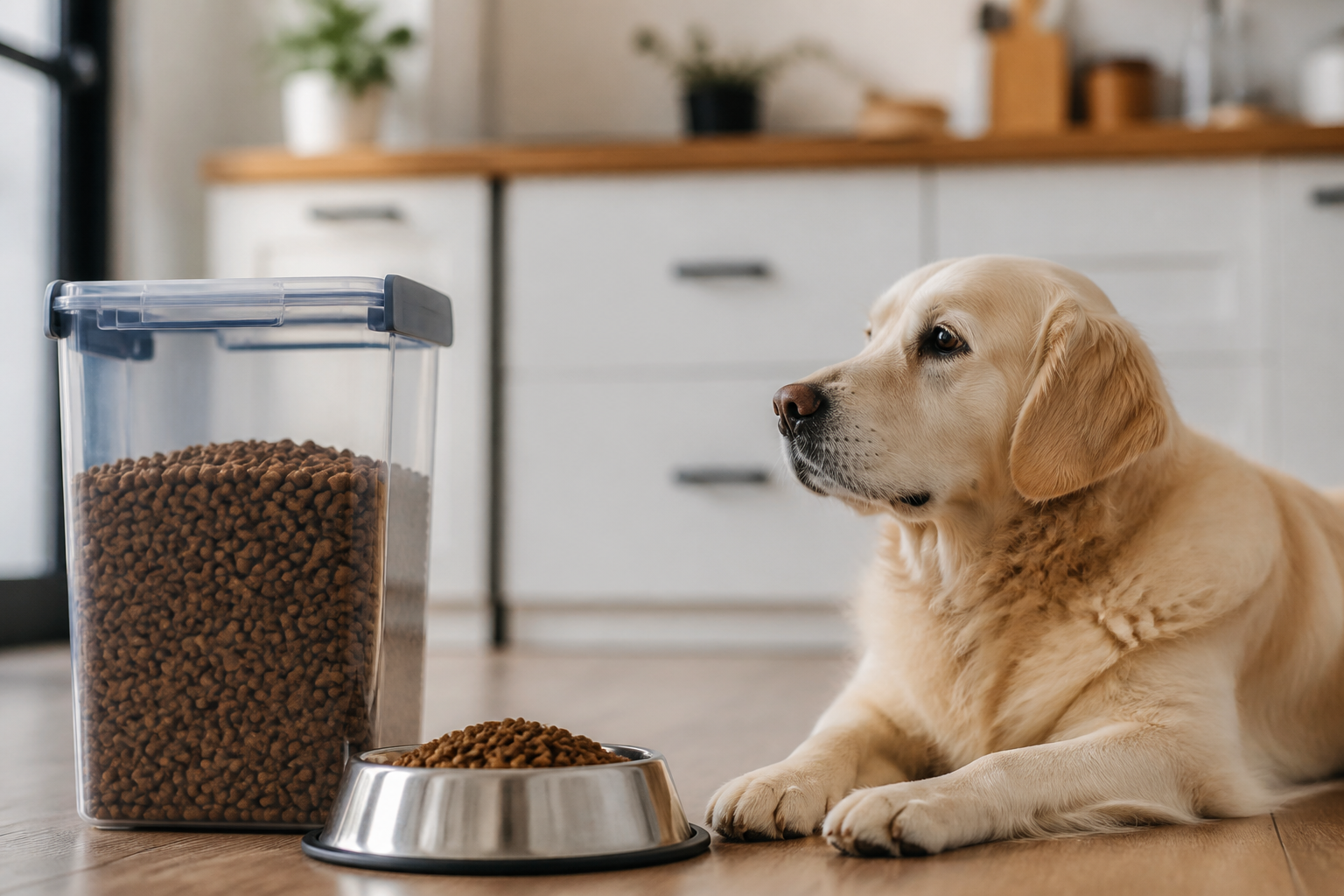
You stand in your pantry, hand on the clip of a half-finished bag of kibble, and wonder if that faint, metallic scent is normal. We have all been there. You want to save money by buying in bulk, but you also want to ensure every bowl you serve is as nutritious as the day you opened the bag. At BaxterBoo, we know that keeping your dog healthy starts with the quality of their daily meals. While dry food is often praised for its long shelf life, that clock starts ticking the moment you break the seal. This post covers exactly how long your dog's food stays safe, how to spot spoilage, and the best ways to preserve those essential vitamins. Understanding the limits of food stability is the best way to prevent digestive upset and nutrient deficiency in your companion. If you are comparing options, explore our dry dog food category.
The Difference Between Best By and Expired
Every bag of dog food comes with a date stamped on the side or bottom. This is usually a best by date rather than a strict expiration date. Manufacturers use this date to indicate how long the unopened bag will maintain its peak nutritional profile. Before the seal is broken, the food is protected by a controlled atmosphere inside the bag, often flushed with nitrogen to displace oxygen. This prevents the fats from breaking down.
Once you open that bag, the best by date essentially becomes irrelevant. The introduction of oxygen, moisture, and light begins a process called oxidation. Oxidation is the primary enemy of food freshness. It targets the fats and vitamins in the kibble, causing them to degrade at a molecular level. While a bag might say it is good for another year, that assumes it stays sealed. Once opened, you are looking at a much shorter window for safety and flavor. For another perspective on this timeline, read how long dry dog food stays fresh once opened.
Quick Answer: Most dry dog food stays fresh for 6 to 8 weeks after the bag is opened. While some foods may technically be safe for up to 3 months, the nutritional value and taste begin to decline significantly after 45 days.
The Six Week Rule for Optimal Freshness
The consensus among pet nutritionists is that you should aim to finish a bag of dry food within six weeks. This timeframe ensures that the fats have not become rancid and the vitamins remain potent. Many premium brands use natural preservatives like vitamin E (tocopherols) or rosemary extract. These are excellent for your dog’s health, but they do not last as long as the heavy chemical preservatives used in lower quality foods.
If you have a small dog but prefer buying large bags to save money, you might be accidentally feeding stale food for half the bag's life. A large bag that lasts three or four months is sitting in a state of slow decay for the final several weeks. This can lead to a dog suddenly becoming a picky eater. They are not necessarily being stubborn. They are likely smelling the rancidity that your nose might miss.
Why Oxygen is the Enemy of Kibble
When oxygen hits the surface of the kibble, it starts a chemical reaction with the fats. This is called lipid peroxidation. Most high quality dog foods are rich in Omega-3 and Omega-6 fatty acids. These are great for skin and coat health, but they are also very unstable. When they oxidize, they turn into compounds that can cause inflammation rather than reducing it.
Beyond the fats, oxygen also depletes the potency of vitamins. Vitamin C and the various B vitamins are particularly sensitive to air exposure. By the time a bag has been open for two months, the levels of these nutrients may be lower than what is listed on the guaranteed analysis label. Keeping the bag closed as tightly as possible is your first line of defense against this nutrient loss. You can also review tips for keeping dry dog food fresh.
Key Takeaway: Oxygen causes fats to go rancid and vitamins to lose their potency. Aiming to use a bag within 42 to 45 days ensures your dog gets the full nutritional benefit of the food.
Signs That Dry Dog Food Has Gone Bad
Your dog's nose is significantly more powerful than yours. If they suddenly walk away from a food they usually love, pay attention. They are the best early warning system for spoilage. However, you can also look for these physical signs:
- A Sour or Metallic Odor: Rancid fats often smell like old paint, wet cardboard, or something strangely sweet and fermented.
- Moisture or Softness: Kibble should be dry and crunchy. If it feels oily, damp, or crumbles too easily, it has likely absorbed too much humidity.
- Visible Mold: This is a major red flag. Mold can produce mycotoxins that are extremely dangerous to dogs.
- The Presence of Pests: If you see tiny moths, weevils, or ants in the food, the seal has been compromised.
- Dust and Debris: An unusual amount of fine powder at the bottom of the bag can sometimes indicate the food is breaking down or has a pest infestation.
Vet Tip: If your dog experiences sudden vomiting or diarrhea after starting a new bag or reaching the end of an old one, consult your veterinarian. Our pet pharmacy carries prescription diets and supportive care medications through our partnership with Pet's Choice if your vet determines a specialized food is needed for digestive recovery.
The Dangers of Feeding Spoiled Food
Feeding expired or rancid food is not just about a bad taste. It poses real health risks. Rancid fats can cause oxidative stress in your dog's body, which may lead to long term cellular damage. In the short term, it frequently causes gastrointestinal distress, including vomiting and loose stools.
There is also the risk of bacterial contamination. While dry food is processed at high heat to kill pathogens, once the bag is open, it can be contaminated by the environment. Salmonella and E. coli can grow on kibble if it is stored in a warm, damp place. Mold is perhaps the most dangerous risk. Certain molds produce aflatoxins, which can cause acute liver failure in dogs.
Why You Should Keep the Original Bag
It is a common habit to pour a fresh bag of dog food directly into a large plastic bin. While this looks neat, it is actually one of the worst things you can do for food freshness. There are two main reasons for this.
First, the original bags are high tech pieces of packaging. Most premium brands use multi layered bags designed specifically to keep fat from seeping out and oxygen from seeping in. Plastic bins, especially those not made from food grade materials, can actually leach chemicals into the food. The oils from the kibble can also soak into the plastic walls of the bin, where they go rancid and contaminate the next batch of fresh food you pour in.
Second, the bag contains vital information. If there is a product recall, you need the lot number and the best by date to know if your bag is affected. Without the bag, you have no way to verify if your food is part of a safety alert. For more storage guidance, see how to keep dog food dry and safe.
The Best Way to Use a Storage Bin
Step 1: Keep the food inside its original bag.
Step 2: Roll the top of the bag down tightly after every meal.
Step 3: Secure the bag with a heavy duty clip.
Step 4: Place the entire clipped bag into an airtight container.
Step 5: Store the container in a cool, dark place.
Bottom line: Use the bag for protection and the bin for an airtight secondary seal to maximize the life of the kibble.
Ideal Storage Conditions
Temperature and humidity are the two variables you can control to extend the life of your pet's food. Dry dog food should be stored in a cool, dry place where the temperature stays below 80 degrees Fahrenheit. Many owners store food in a garage or a shed, but this is a mistake. Heat and humidity fluctuations in a garage will accelerate the breakdown of the food.
Humidity is particularly dangerous because it encourages mold growth. A pantry or a kitchen cabinet away from the stove is usually the best spot. Ensure the food is off the floor to prevent condensation and to make it harder for rodents or insects to reach the bag. Our dog food storage and accessories collection can help you organize your feeding area.
The Problem with Topping Off the Bin
If you do use a bin without the bag, never pour a new bag of food on top of the old leftovers. The small amount of old food at the bottom is already heavily oxidized. It contains the highest concentration of rancid oils and potential bacteria. When you pour fresh food on top, you are essentially "seeding" the new food with spoilage.
Always wait until the bin is completely empty. Wash it with hot, soapy water and let it dry entirely before adding a new bag. Any moisture left in the bin will be absorbed by the new kibble, which can lead to mold growth within days.
- Wash the bin with mild dish soap.
- Rinse thoroughly to remove any soap residue.
- Air dry or towel dry until there is zero moisture left.
- Wipe down the lid and the seal area as well.
Managing Multiple Bags and Bulk Purchases
Buying in bulk is tempting for the price, but it only works if you can maintain freshness. At BaxterBoo, we recommend checking the weight of the bag against your dog's daily feeding requirements. If a 40 pound bag will take your dog four months to eat, it is better to buy two 20 pound bags or even several smaller bags.
Using a program like our Autoship programme can help you manage this without extra trips to the store. You can time your deliveries so a fresh bag arrives just as the old one is hitting that six week mark. This ensures your dog is always eating food that is nutritionally complete.
Special Considerations for Senior Dogs and Puppies
The age of your dog matters when it comes to food freshness. Puppies are growing rapidly and require the maximum amount of vitamins and minerals. Feeding a puppy food that has lost its nutritional punch through oxidation can actually impact their development.
Senior dogs often have more sensitive digestive systems and a diminished sense of smell. If their food starts to go even slightly rancid, they may stop eating entirely. This can be dangerous for a senior dog who needs to maintain their weight. For these life stages, being extra vigilant about the six week rule is crucial. For additional life-stage nutrition guidance, read how to choose the right dog food for senior pets.
Cleaning Bowls and Scoops
The container is not the only place where bacteria can hide. Your dog's bowl and the scoop you use every day also collect oils and saliva. These oils go rancid just like the food in the bag. A "slime" layer known as biofilm can develop in the bowl, which is a breeding ground for bacteria.
Wash your dog's food bowl daily with hot water and soap. Treat it the same way you would treat your own dinner plate. The scoop should also be washed at least once a week. Using a dirty scoop to dig into a fresh bag of food introduces contaminants every single time you feed your dog. For broader feeding guidance, explore whether dogs should eat dry or wet food.
How Natural Preservatives Affect Shelf Life
You might notice that some "budget" brands have best by dates that are two years in the future, while premium brands might only offer a year. This is because premium brands usually avoid synthetic preservatives like BHA, BHT, and ethoxyquin. While these chemicals are very effective at preventing spoilage, many owners prefer to avoid them due to health concerns.
Instead, quality brands use tocopherols (Vitamin E) and botanical extracts. These are effective but have a shorter lifespan. This is a trade off for better health. It simply means that as an owner, you have a slightly higher responsibility to store the food correctly and use it within a reasonable timeframe.
Summary of Best Practices
Maintaining the integrity of dry food does not have to be a chore. It just requires a few consistent habits. By focusing on air control and temperature, you can ensure your dog stays interested in their meals and receives the health benefits you are paying for.
- Check the date: Look for the best by date before you leave the store.
- The Six Week Goal: Finish the bag within a month and a half.
- Bag-in-Bin: Keep the original packaging inside an airtight container.
- Pantry Storage: Avoid the garage or areas near heat sources.
- No Topping Off: Clean your container between every single bag.
- Wash Daily: Keep bowls and scoops as clean as your own dishes.
Key Takeaway: Freshness is a pillar of pet health. Storing food correctly protects the investment you make in your dog's nutrition and prevents common digestive issues.
Conclusion
Feeding your dog is about more than just filling a bowl. It is about providing the building blocks for a long and healthy life. When dry food stays open too long or is stored in a warm, damp place, those building blocks begin to crumble. By sticking to the six week rule and keeping your kibble in its original bag, you protect your dog from rancid fats and harmful bacteria. We want every meal to be a highlight of your dog’s day. To make keeping fresh food in the house even easier, consider signing up for our Autoship programme. It saves you money on your first order and ensures you never have to worry about running out or feeding stale kibble again.
FAQ
Can I freeze dry dog food to keep it fresh longer?
Yes, you can freeze dry dog food to extend its life, but you must ensure it is in an airtight, moisture proof container. When you take it out, let it reach room temperature before opening the seal to prevent condensation from forming on the kibble. Most owners find it more practical to buy smaller bags, but freezing is a valid option for bulk purchases.
Is it safe to store dog food in the garage?
Storing dog food in a garage is generally not recommended because of temperature fluctuations and humidity. High heat can cause the fats in the food to go rancid much faster, while moisture can lead to mold growth. If you must store it there, use a heavy duty, airtight bin and keep it elevated off the floor.
Why does my dog stop eating when the bag is almost empty?
The food at the bottom of the bag has been exposed to the most oxygen and has the highest concentration of "fines" or food dust. These fines can have a stronger, more rancid smell that your dog may find unappealing. This is a common sign that the nutritional quality of the food has significantly declined.
What should I do if I find bugs in a brand new bag of food?
If you find pests in a newly opened bag, do not feed it to your dog and seal the bag immediately. Return it to the store where you purchased it or contact the manufacturer with the lot number and best by date. This usually indicates a storage issue at the warehouse or retail level rather than a problem with the food's formulation.






