Save 15% on your 1st Autoship learn more

 Email us
 Live Chat
 FAQs
FAQs





Introduction
You are likely standing in your kitchen, looking at a half-empty bag of kibble and wondering if there is a better way to give your dog the nutrition they deserve. Perhaps you have heard about the benefits of raw feeding but feel hesitant about the mess and the freezer space required for traditional raw diets. Freeze-dried food has emerged as a popular middle ground for many pet owners who want the quality of raw ingredients with the convenience of a shelf-stable product. At BaxterBoo, we talk to owners every day who are curious about whether this specialized format is worth the investment. This article explores the science behind the freeze-drying process, the health benefits for your dog, and the safety precautions you must take. Understanding these factors will help you decide if this nutrient-dense option fits your lifestyle and your pet's needs. If you are ready to explore options, start with our freeze-dried food collection.
Quick Answer: You should consider freeze-dried dog food if you want the nutritional benefits of raw meat without the hassle of refrigeration. It is a highly palatable, nutrient-dense option that works well as a full meal, a topper, or a high-value training treat.
What is Freeze-Dried Dog Food?
Freeze-dried dog food is a type of pet diet that uses raw ingredients preserved through a process called sublimation. Unlike traditional kibble, which is cooked at high temperatures, freeze-dried food starts as raw meat, organs, and bone. These ingredients are frozen to extremely low temperatures. Once frozen, the food is placed in a vacuum chamber. The pressure is lowered, and a small amount of heat is applied. This causes the ice crystals in the food to turn directly into water vapor without ever melting into liquid.
The result is a product that retains its original shape and size but loses about 98 percent of its moisture. This makes the food incredibly lightweight and shelf-stable. Because the food is never exposed to high heat, the proteins, vitamins, and minerals remain largely unchanged. This process preserves the natural enzymes that help dogs digest their food more efficiently. If you want to compare popular freeze-dried options, take a look at our selection of Stella & Chewy's products.
Most freeze-dried diets are based on high-quality animal proteins. Brands like Stella and Chewy's or Vital Essentials often include muscle meat, organ meat, and ground bone in their recipes. Some formulas also include fruits and vegetables like blueberries, spinach, or carrots to provide natural antioxidants. Because these ingredients are not cooked, the aroma and flavor remain intense. This makes freeze-dried food a favorite for picky eaters who might turn their noses up at standard dry kibble.
Key Takeaway: Freeze-drying removes moisture through sublimation rather than heat. This preserves the nutritional integrity and flavor of raw ingredients while making the food shelf-stable and easy to store.
The Health Benefits of Feeding Freeze-Dried Food
One of the primary reasons owners switch to freeze-dried food is the impact on digestion. Since the proteins are minimally processed, the body can often break them down more easily. Many owners report that their dogs have smaller, firmer stools after making the switch. This is usually a sign that the body is absorbing more nutrients and producing less waste.
The high protein content and lack of fillers can also support a healthy weight. Many traditional kibbles rely on starches like corn, wheat, or peas to hold the nuggets together. Freeze-dried food does not need these binders. This means your dog gets more of what they need and fewer empty calories. For dogs with skin sensitivities or allergies, the limited ingredient lists found in our selection of Open Farm products can be very helpful.
Better Dental Health and Coat Quality
While the food is soft when rehydrated, the high-quality fats found in raw ingredients can lead to a noticeable difference in coat quality. The natural oils and omega fatty acids support skin hydration. You may notice a shinier, softer coat within a few weeks of consistent feeding.
Some owners also notice improvements in dental health. While it is a myth that kibble cleans teeth, the lack of starchy residues in freeze-dried food may lead to less plaque buildup over time. However, regular brushing is still the gold standard for oral care.
Nutrient Retention
Cooking food at high heat can degrade certain vitamins, especially B vitamins and vitamin C. Because freeze-drying happens at low temperatures, these nutrients remain intact in their natural state. This reduces the need for synthetic vitamin packs that are often added back into kibble after the cooking process. When you feed a brand like Orijen or Acana in a freeze-dried format, you are giving your dog nutrients in a highly bioavailable form.
Bottom line: Freeze-dried food provides highly digestible protein and intact nutrients that support better skin, coat, and digestive health.
Potential Risks and Safety Concerns
While freeze-dried food offers many benefits, it is not without risks. The most significant concern is the presence of bacteria. Freeze-drying removes moisture, which stops bacteria from growing, but it does not necessarily kill pathogens like Salmonella or Listeria. These bacteria can survive the freeze-drying process and become active again once the food is rehydrated or enters the digestive tract.
To combat this, many reputable manufacturers use a process called High-Pressure Pasteurization (HPP). This process uses intense pressure to neutralize harmful bacteria without using heat. When shopping for freeze-dried food, look for brands that openly discuss their safety testing protocols. This is especially important if you have young children, elderly family members, or immunocompromised individuals in your home who might come into contact with the food or the dog's saliva.
Handling and Hygiene
Treating freeze-dried food with the same respect as raw meat is essential. You should wash your hands thoroughly after handling the food or your dog's bowls. Clean the feeding area daily. If you rehydrate the food and your dog does not finish it within thirty minutes, you should discard the leftovers. Bacteria can grow quickly in moist, room-temperature food. If your dog has a compromised immune system or a chronic health condition, our dog pharmacy is a helpful place to explore supportive options your veterinarian may recommend.
Vet Tip: If your dog has a compromised immune system or a chronic health condition, consult your veterinarian before switching to a raw or freeze-dried diet. Our pharmacy carries specialized prescription diets and medications if your vet recommends a more controlled nutritional path.
Serving Options: Meals, Toppers, and Treats
One of the best things about freeze-dried dog food is its versatility. You do not have to commit to a 100 percent freeze-dried diet to see the benefits. Many owners find that using it in different ways helps them manage their budget while still improving their dog's nutrition. For more feeding ideas, see How to Feed Freeze Dried Dog Food for Better Health.
Using it as a Full Meal
If you choose to feed freeze-dried food as a complete meal, ensure the package states it is "complete and balanced." This means it meets the AAFCO standards for a dog's life stage. You will typically need to rehydrate the food with warm water or broth. This helps with hydration, which is vital for kidney and bladder health.
Using it as a Topper
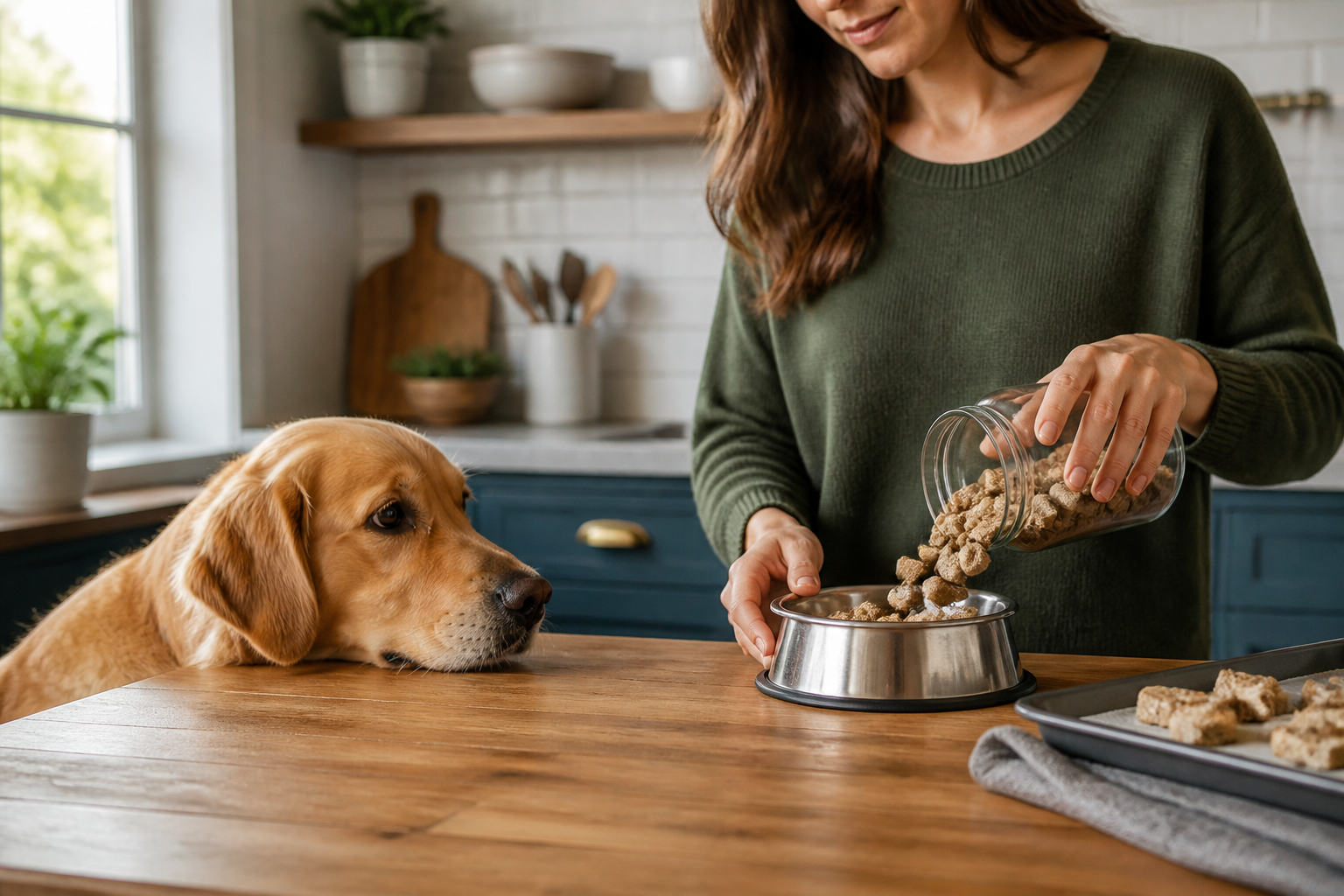
If a full freeze-dried diet is outside your budget, try using it as a meal mixer or topper. You can crumble a few nuggets over your dog's regular kibble. This adds a boost of flavor and nutrition without significantly increasing your daily costs. Brands like Stella and Chewy's offer specific "Meal Mixers" designed for this purpose.
High-Value Training Treats
Freeze-dried meat is an excellent training tool. Because it is lightweight and does not require refrigeration, you can keep it in a treat pouch during long walks or training sessions. Most dogs find the intense smell of freeze-dried liver or heart irresistible. This makes it easier to keep their focus in distracting environments.
Common Ways to Use Freeze-Dried Food:
- A complete, rehydrated meal for small breeds or picky eaters.
- A dry topper to encourage a dog to eat their kibble.
- A healthy alternative to processed, starchy treats.
- A lightweight option for camping or traveling with your pet.
Should You Freeze Dry Dog Food at Home?
With the rise of home freeze-dryers, some owners wonder if they should process their own dog food. While this can save money in the long run, it comes with significant challenges. A home freeze-dryer is a major investment. It also requires a deep understanding of canine nutrition to ensure you are creating a balanced meal.
If you simply freeze dry raw chicken breast at home, you are creating a treat, not a meal. Dogs require a specific balance of calcium, phosphorus, and other micronutrients that are difficult to calculate at home. Most commercial freeze-dried diets are formulated by veterinary nutritionists to ensure every bite contains the right ratios. For portion guidance, How Much Freeze Dried Dog Food to Feed Your Pet is a useful next read.
Furthermore, home machines may not reach the same safety standards as commercial facilities. Without HPP technology, the risk of bacterial contamination in homemade freeze-dried food is much higher. For most owners, purchasing trusted brands like NutriSource or Vital Essentials is a safer and more convenient choice.
Key Takeaway: Home freeze-drying is excellent for making one-ingredient treats, but creating complete and balanced meals at home is difficult and carries higher bacterial risks.
Transitioning Your Dog to a Freeze-Dried Diet
You should never switch your dog's food overnight. Their digestive systems need time to adjust to new protein levels and the presence of raw enzymes. A sudden change can lead to upset stomachs, vomiting, or diarrhea. If you are changing formats in general, How to Switch From Dry to Wet Dog Food covers the same slow-transition approach.
Steps for a Successful Transition:
- Days 1 to 3: Mix 25 percent freeze-dried food with 75 percent of their current food.
- Days 4 to 6: Mix 50 percent freeze-dried food with 50 percent of their current food.
- Days 7 to 9: Mix 75 percent freeze-dried food with 25 percent of their current food.
- Day 10: Feed 100 percent freeze-dried food.
Watch your dog's energy levels and stool quality during this time. If you notice any signs of distress, slow down the process. Some dogs may need two weeks or more to fully adjust. If your dog has a history of pancreatitis or other digestive issues, talk to your vet before starting this transition.
Bottom line: A slow, ten-day transition helps prevent digestive upset and allows your dog's gut microbiome to adapt to the new diet.
Storing and Rehydrating Freeze-Dried Food
Storage is where freeze-dried food truly shines. An unopened bag can often last for a year or more on the shelf. However, once you open the bag, the food is exposed to oxygen and moisture in the air. For the best results, keep the food in its original bag and seal it tightly. You can also place the bag inside an airtight container for extra protection. For more freshness tips, How Long Does Dry Dog Food Stay Fresh Once Opened? is a helpful comparison.
Most manufacturers recommend using an opened bag within thirty days. If you buy in bulk and cannot use it that quickly, you can store the sealed bag in the freezer to maintain freshness. Do not store freeze-dried food in a damp garage or basement, as moisture can cause the food to spoil or grow mold.
The Importance of Rehydration
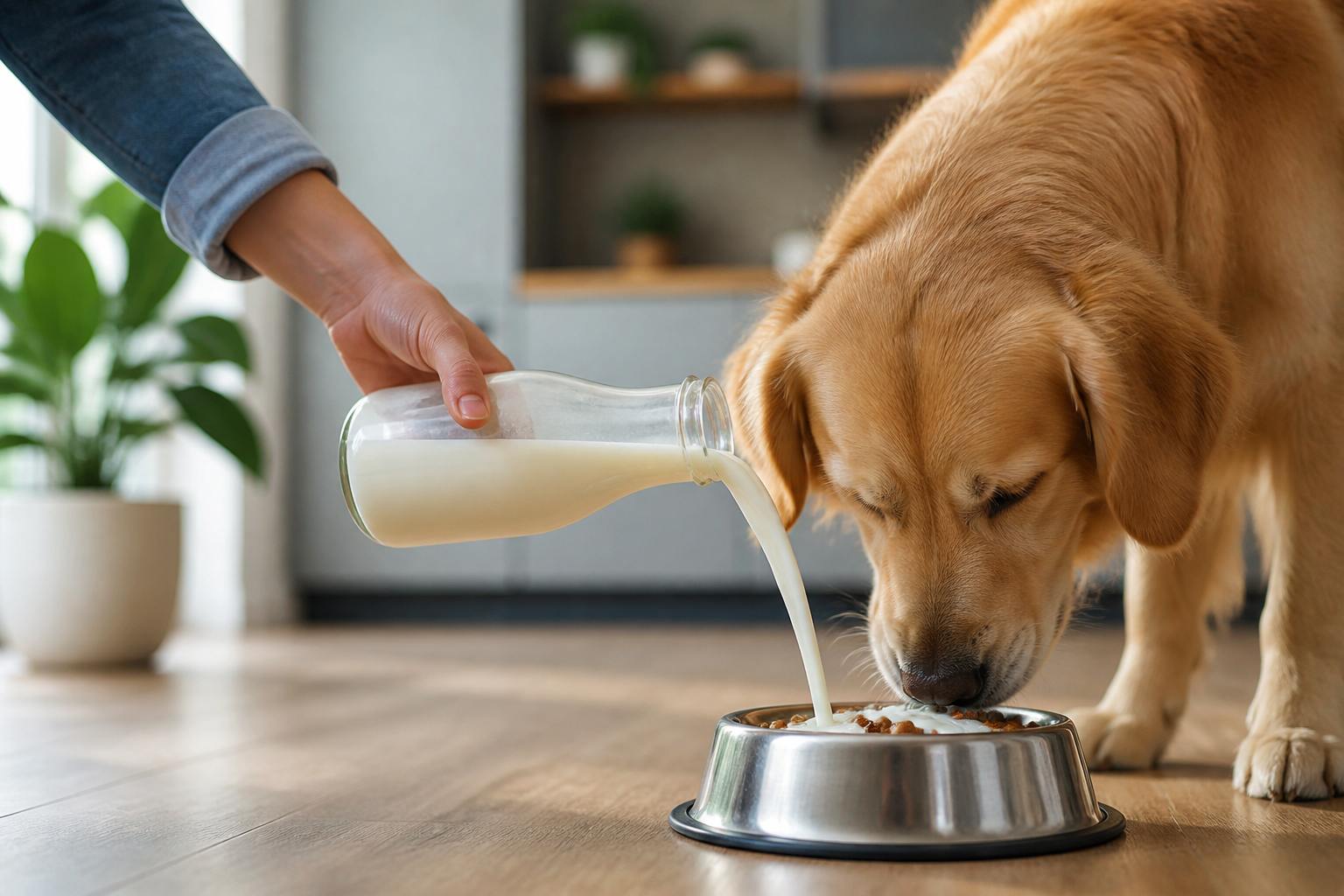
While some dogs enjoy the crunch of dry freeze-dried nuggets, rehydrating the food is usually better for their health. Dogs on a dry diet often live in a state of mild dehydration. By adding warm water, goat milk, or bone broth to the food, you ensure they are getting plenty of fluids.
To rehydrate, simply crumble the nuggets and add about two tablespoons of liquid for every cup of food. Let it sit for a few minutes until the moisture is absorbed. Using warm water helps release the aromas, making the meal even more enticing.
Cost Considerations and Value
There is no denying that freeze-dried dog food is more expensive than kibble. The freeze-drying process is energy-intensive and time-consuming. You are also paying for higher-quality ingredients with no fillers. However, many owners find value in the long-term health of their pets. Fewer vet visits for skin issues or digestive problems can offset the cost of the food.
To save money, consider our Autoship programme. This allows you to have your favorite brands like Stella and Chewy's or Open Farm delivered on a schedule that works for you. You will save on your orders and earn MVP Rewards points on every purchase. These points can be used for discounts on future bags of food or treats.
How to Choose the Best Brand
When selecting a freeze-dried food, start by reading the ingredient label. The first several ingredients should be specific animal proteins like "deboned chicken" or "beef heart." Avoid products that use vague terms like "meat by-products" or "animal fat."
Look for brands that prioritize sourcing transparency. For example, Open Farm allows you to track where every ingredient in your bag comes from. If your dog has specific health needs, look for recipes that include functional ingredients like glucosamine for joints or probiotics for gut health.
At BaxterBoo, we curate our selection to ensure we only carry brands that meet high safety and nutritional standards. Whether you choose a grain-free option like Nulo or a high-protein recipe from our selection of Vital Essentials products, you can feel confident that you are providing a quality meal.
Vet Tip: Check the bag for the AAFCO statement. It should confirm the food is nutritionally complete for your dog's specific life stage, whether they are a growing puppy or a senior dog.
Conclusion
Freeze-dried dog food offers a practical way to provide the benefits of a raw diet with the convenience of traditional pet food. It is packed with bioavailable nutrients, supports healthy digestion, and is highly palatable for even the pickiest eaters. While the cost is higher than standard kibble, the benefits to your dog's coat, energy levels, and long-term wellness are significant. Always remember to handle the food safely and transition slowly to avoid stomach upset.
- Freeze-dried food is minimally processed and nutrient-dense.
- It can be used as a full meal, a topper, or a training treat.
- Safety testing like HPP is vital for preventing bacterial issues.
- Rehydration supports kidney health and improves flavor.
If you are ready to try freeze-dried food, browse our full collection of premium dog food brands. You can earn up to 5 percent back on every purchase through the MVP Rewards programme. For those managing specific health conditions, our pharmacy partnership provides access to prescription diets and medications to keep your dog feeling their best.
FAQ
Is freeze-dried dog food better than kibble?
Freeze-dried food is generally considered more nutrient-dense and less processed than kibble because it is not cooked at high temperatures. It retains natural enzymes and vitamins that are often lost in the kibble manufacturing process. However, the best food is one that fits your budget and meets your dog's specific nutritional requirements.
Can I feed my dog freeze-dried food every day?
Yes, you can feed freeze-dried food as a daily meal as long as the packaging states it is complete and balanced for your dog's life stage. Many owners use it as a primary diet or as a daily topper to enhance the nutritional value of kibble. Always ensure your dog has access to fresh water, especially if you feed the food dry.
Do I have to add water to freeze-dried dog food?
While you can feed freeze-dried food dry, rehydrating it is highly recommended. Adding water or broth helps with your dog's hydration and makes the food easier to digest. It also brings out the natural aromas of the meat, which can be very helpful for dogs with a low appetite.
How long does an open bag of freeze-dried food last?
Once opened, most freeze-dried dog food should be consumed within thirty days for maximum freshness. While the lack of moisture prevents spoilage, exposure to air can cause the natural fats in the food to oxidize over time. Keep the bag tightly sealed in a cool, dry place to maintain its quality.