
 Save 15% on your 1st Autoship learn more

 Email us
 Live Chat
 FAQs
FAQs





Introduction
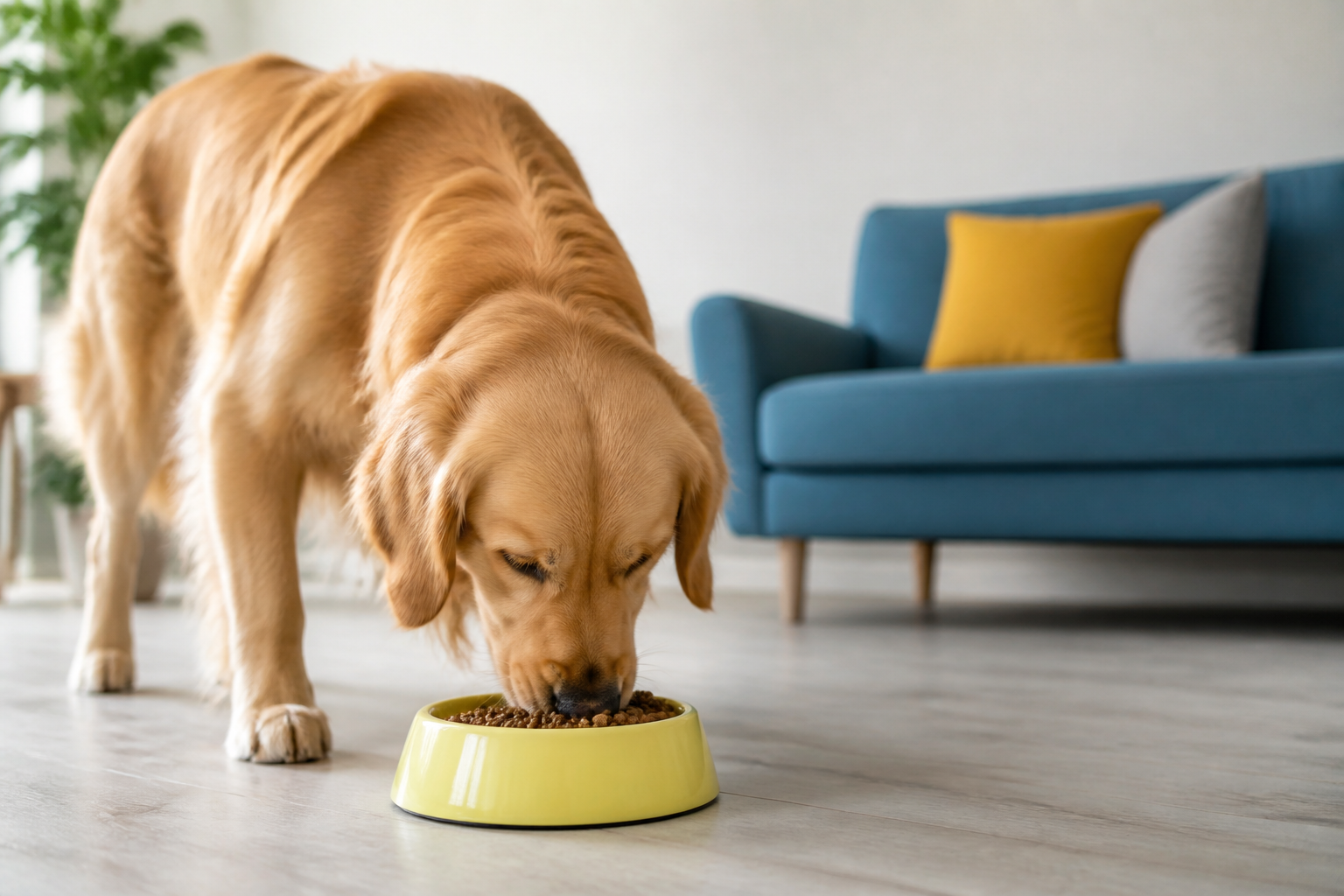
Finding out your dog needs a low fat diet often happens in a moment of worry. Perhaps your veterinarian just diagnosed a bout of pancreatitis. Maybe your senior dog is carrying extra weight that is taxing their aging joints. Or perhaps you have noticed your dog struggles to digest rich, fatty meals. Whatever the reason, standing in a pet food aisle or scrolling through endless online listings can feel overwhelming. At BaxterBoo, we know that choosing the right nutrition is one of the most important decisions you make as a pet owner. This guide explains what to look for in a reduced fat formula and how to identify high quality ingredients that support your dog's health without sacrificing flavor. We will cover top brand recommendations, the role of prescription diets, and how to transition your pet safely to a new lifestyle.
Understanding Low Fat Dog Food
The term low fat can be confusing because it is not always defined the same way by every manufacturer. In the world of pet nutrition, we generally look at the crude fat percentage listed on the guaranteed analysis on the back of the bag. For most standard adult maintenance dog foods, fat content sits between 12 percent and 18 percent. A diet is typically considered low fat when the fat content is 10 percent or lower on an as fed basis.
Some specialized formulas go even lower, reaching 6 percent or 8 percent fat. It is important to remember that fat is a concentrated source of calories. When a company reduces fat, they usually increase protein or carbohydrates to ensure the food still provides enough energy. The goal is to find a balance that meets your dog's specific biological needs while keeping the fat within the range recommended by your vet.
Quick Answer: The best low fat dry dog food typically contains less than 10 percent crude fat and uses lean animal proteins like turkey, chicken, or whitefish. High quality options also include L-carnitine to support fat metabolism and plenty of fiber to help your dog feel full.
Why Some Dogs Need Reduced Fat Diets
While fat is an essential nutrient that provides energy and supports skin health, some dogs simply cannot process it efficiently. There are several medical and lifestyle reasons why a lower fat intake is necessary.
Pancreatitis Management
Pancreatitis is perhaps the most common reason for a strict low fat diet. This condition involves inflammation of the pancreas, which is responsible for producing digestive enzymes. When a dog eats a high fat meal, the pancreas has to work harder. In dogs prone to this condition, fat can trigger a painful flare up. For these pets, staying on a consistent low fat dry food is often a lifelong requirement to prevent future episodes.
Weight Control and Obesity
Obesity is a growing concern for many household pets. Extra weight leads to secondary issues like diabetes, heart disease, and increased pressure on the hips and knees. Because fat has more than twice the calories per gram compared to protein or carbohydrates, reducing dietary fat is an effective way to lower total caloric intake. This allows you to feed a satisfying volume of food while helping your dog shed pounds safely.
For additional guidance, read this practical guide to pet weight management.
Digestive Sensitivities and IBD
Some dogs have sensitive gastrointestinal tracts that react poorly to rich foods. Conditions like Inflammatory Bowel Disease (IBD) or lymphangiectasia may require a highly digestible, low fat formula. When fat is easier to break down, the gut has less work to do, which can lead to firmer stools and less gas or bloating.
Dogs with ongoing digestive sensitivities may also benefit from this guide to dog food for sensitive stomachs.
Vet Tip: If your dog is experiencing vomiting, diarrhea, or lethargy after eating, consult your veterinarian for a diagnosis before switching foods. Conditions like pancreatitis require professional medical management alongside dietary changes.
Top Low Fat Dry Dog Food Options
We carry a variety of brands that offer specialized lean formulas. These products are handpicked because they prioritize real meat and avoid unnecessary fillers. You can also browse our dog food category to compare additional formulas.
Annamaet Lean Reduced Fat Formula
This is a standout option for dogs needing a significant fat reduction. It contains approximately 8 percent fat but maintains a high protein level of around 30 percent. This combination helps your dog maintain muscle mass while losing weight. It also includes L-carnitine, an amino acid that helps the body turn fat into energy.
Annamaet Grain-Free Lean Low Fat Formula Dry Dog Food is designed for dogs needing weight control or a reduced fat recipe.
Wellness CORE Healthy Weight
For owners who prefer a grain free approach, Wellness CORE Healthy Weight is a popular choice. It uses deboned turkey and chicken meal as primary protein sources. With a fat content of about 10 percent, it provides a moderate reduction suitable for weight maintenance or dogs with mild sensitivities. It also includes glucosamine and chondroitin, which are excellent for supporting joints in heavier dogs.
You can explore our selection of Wellness products to see available recipes and formats.
Nulo Challenger Alpine Ranch
Nulo offers high protein recipes that are often lower in fat than traditional boutique brands. Their Alpine Ranch recipe focuses on lean beef, lamb, and turkey. It is designed to provide high energy through protein rather than fat. This is often a good middle ground for active dogs that need to stay lean but still require plenty of fuel for daily walks and play.
The Role of Prescription Low Fat Diets
Sometimes, a standard over the counter low fat food is not enough. If your dog has chronic pancreatitis or severe malabsorption issues, your vet might recommend a prescription diet. These formulas are specifically engineered to be exceptionally low in fat, often as low as 5 percent or 6 percent.
Our pharmacy at BaxterBoo offers these specialized medications and diets through our partnership with Pet's Choice. Brands like Purina Pro Plan Veterinary Diets EN Gastroenteric Low Fat or Royal Canin Gastrointestinal Low Fat are frequently prescribed for these conditions. These foods use highly digestible ingredients to ensure your dog gets the nutrients they need without stressing their digestive system.
For a broader overview, read our guide to veterinary diet food.
Key Takeaway: Prescription low fat diets are medical tools designed for specific health conditions. You will need a valid prescription from your veterinarian to order these specialized formulas through our pharmacy.
Benefits of Prescription Low Fat Formulas:
- Precise fat levels often lower than retail brands.
- Prebiotic fibers to support a healthy gut microbiome.
- Highly digestible proteins to minimize gastrointestinal upset.
- Controlled mineral levels to support overall wellness.
What to Look for on the Ingredient Label
When you are reading a dog food label, the first few ingredients tell the most important story. For a low fat diet, you want to see lean, named animal proteins.
Lean Protein Sources
Avoid foods that list generic terms like animal fat or meat by products. Instead, look for:
- Turkey
- Chicken
- Whitefish or Cod
- Venison
These proteins are naturally lower in fat than beef or pork. If a food uses chicken meal or turkey meal, that is also a good sign. These are concentrated protein sources that have had much of the moisture and fat removed.
Functional Ingredients
A good low fat dry food does more than just cut out the grease. Look for these helpful additions:
- L-Carnitine: Helps the body metabolize fat more efficiently.
- Fiber: Ingredients like miscanthus grass, beet pulp, or pea fiber help your dog feel full so they do not beg for treats.
- Probiotics: These support the beneficial bacteria in the gut, which is vital for dogs with digestive issues.
- Omega Fatty Acids: Even on a low fat diet, your dog needs healthy fats. Look for flaxseed or small amounts of fish oil to keep the coat shiny.
Managing Calories and Portion Sizes
Switching to a low fat food is only half the battle. If you feed too much of a low fat food, your dog can still gain weight or experience digestive issues. Portion control is essential.
Every bag of food comes with a feeding guide, but these are just starting points. Your dog's metabolism, age, and activity level will determine their actual needs. If you are using the food for weight loss, you may need to feed for the goal weight rather than the current weight.
This dry dog food portion guide offers additional help with measuring meals and adjusting portions.
Bottom line: Quality low fat food helps manage health, but total calorie intake and portion consistency are what drive real results in weight management.
Tips for Successful Weight Management:
- Use a standard measuring cup for every meal to ensure accuracy.
- Limit high fat table scraps and treats.
- If your dog seems hungry, try adding a little warm water or a spoonful of canned green beans to their kibble for extra volume.
- Track your dog's weight every two weeks to see if adjustments are needed.
Transitioning to a Low Fat Food
Never switch your dog's food overnight. This is especially true for dogs with sensitive stomachs or those prone to pancreatitis. A sudden change can cause the very digestive upset you are trying to avoid.
For more guidance, see this article about diets for dogs with sensitive stomachs.
Step 1: Mix 25 percent of the new low fat food with 75 percent of the old food. Feed this for two to three days.
Step 2: Increase the new food to 50 percent and decrease the old food to 50 percent. Observe your dog for any changes in stool or energy for another two to three days.
Step 3: Move to 75 percent new food and 25 percent old food.
Step 4: If your dog is doing well, move to 100 percent of the new low fat formula.
If at any point your dog develops diarrhea or starts vomiting, slow the process down. Some dogs may need a full two weeks to adjust to a new protein or fiber level.
How BaxterBoo Supports Your Journey
We have been helping pet owners find the right solutions for their animals since 2006. Whether you are visiting our warehouse in Vernon Hills, Illinois, or shopping with us online, we aim to provide the expertise you need. We carry over 500 trusted brands, ensuring you have access to the best low fat options on the market.
For those managing chronic health conditions, our Autoship programme is a great way to ensure you never run out of your dog's specific diet. You can save on your first order and earn rewards through the MVP Rewards programme. If your vet has prescribed a specific low fat medication or diet, our pharmacy team is ready to help coordinate that care with your clinic.
Final Thoughts on Low Fat Nutrition
Feeding a low fat diet does not mean your dog has to miss out on nutrition or enjoyment. Modern formulas from brands like Annamaet, Wellness, and Nulo are designed to be highly palatable while remaining lean. By focusing on high quality proteins and functional ingredients like L-carnitine and fiber, you can help your dog live a longer, more comfortable life.
Remember that every dog is an individual. What works for one senior dog might not be the right fit for a puppy with a sensitive stomach. Always keep your veterinarian in the loop when making significant dietary changes, especially if your dog has a history of medical issues.
- Review the fat percentage on the guaranteed analysis.
- Choose lean animal proteins as the first ingredients.
- Use a slow transition to avoid digestive upset.
- Consider a prescription diet if your dog has a chronic condition.
Key Takeaway: Success with a low fat diet comes from a combination of the right kibble, strict portion control, and regular veterinary checkups to monitor your dog's progress.
FAQ
How do I know if a dog food is truly low fat?
You should look at the guaranteed analysis on the product packaging for the crude fat percentage. For dry kibble, a fat content of 10 percent or less is generally considered low fat. If your dog requires an extremely restricted diet for a condition like pancreatitis, your veterinarian may recommend a prescription food with fat levels closer to 5 percent or 6 percent.
Can a low fat diet help a dog with pancreatitis?
Yes, a low fat diet is the primary way to manage and prevent pancreatitis flare ups in dogs. High fat meals can trigger the pancreas to overproduce enzymes, leading to painful inflammation. By feeding a consistent, low fat dry food, you reduce the workload on the pancreas and help your dog avoid the symptoms associated with this condition.
Will my dog feel hungry on a low fat food?
Many low fat dog foods are formulated with higher fiber content to help your dog feel full and satisfied. Ingredients like beet pulp, legumes, or miscanthus grass add bulk to the diet without adding many calories. If your dog still seems hungry, you can talk to your vet about adding safe, low calorie toppers like plain canned pumpkin or steamed green beans.
Do I need a prescription to buy low fat dog food?
You do not need a prescription for retail weight management or lean formulas, such as those from Wellness or Annamaet. However, if your dog needs a therapeutic diet specifically designed for medical conditions like severe gastrointestinal disease, you will need a prescription. These can be filled through our pharmacy at BaxterBoo in partnership with Pet's Choice.






