
 Save 15% on your 1st Autoship learn more

 Email us
 Live Chat
 FAQs
FAQs





Introduction
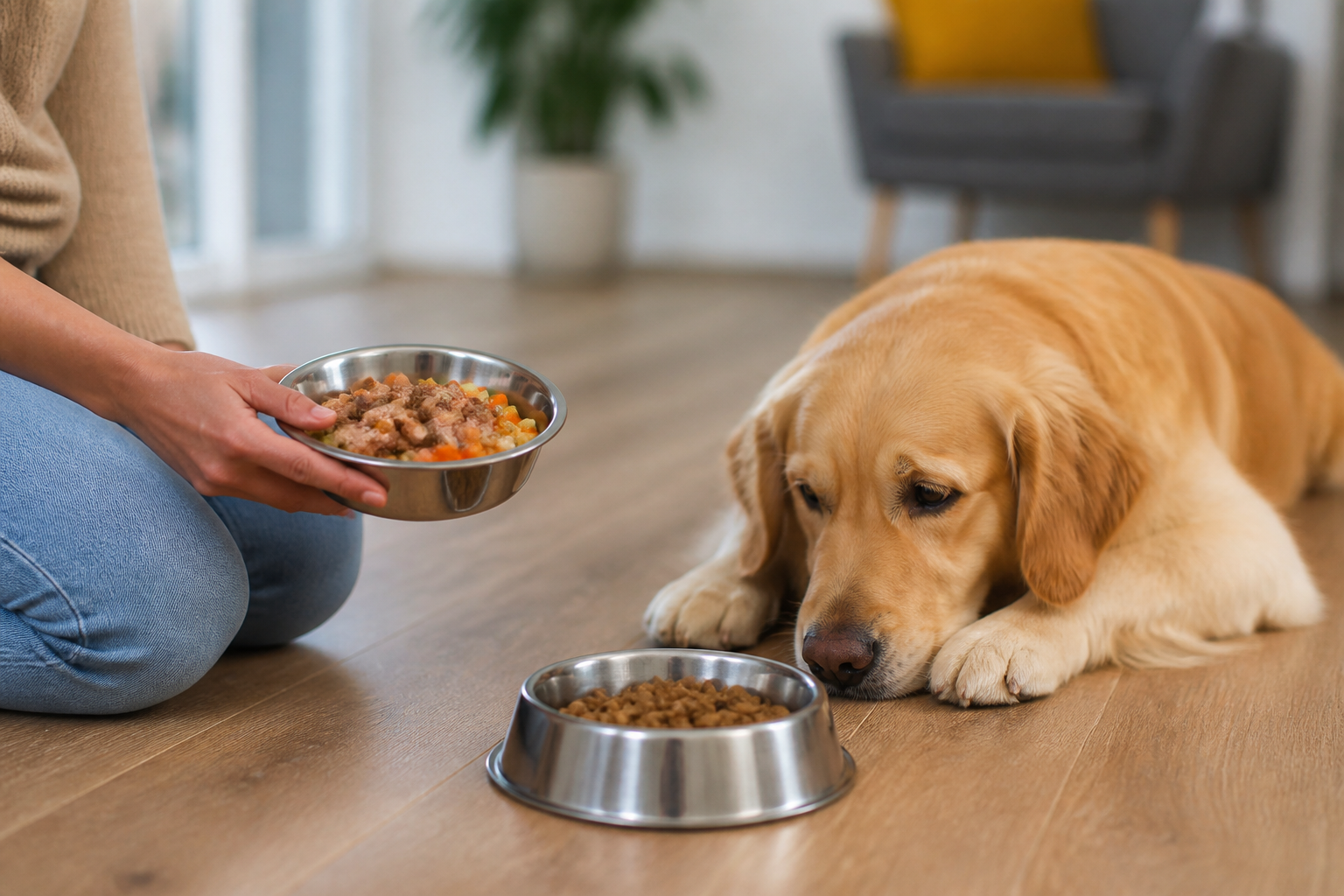
It is a familiar scene for many pet owners. You scoop a fresh serving of high quality kibble into the bowl, only for your dog to take one sniff, sigh, and walk away. This behavior is often confusing, especially if your dog used to love their meals or if they still beg for treats and table scraps. At BaxterBoo, we know how stressful it is when your companion refuses their regular diet. This post covers the common reasons for food refusal, from simple pickiness to underlying health concerns. We will provide practical strategies to make dry food more enticing and help you establish a routine that works. Our goal is to give you the tools to get your dog back to a healthy, consistent eating schedule.
Quick Answer: If your dog refuses dry food, start by ruling out medical issues like dental pain or an upset stomach. If they are healthy, try enhancing the food with warm water, bone broth, or a healthy topper while sticking to a strict 15 to 30 minute feeding window.
Understanding Why Dogs Refuse Dry Food
The first step in solving the problem is identifying why it is happening in the first place. Dogs do not usually stop eating their primary food source without a reason. Sometimes the cause is environmental or behavioral, while other times it is a physical reaction to the food itself or a change in their body.
Behavioral Pickiness
Many dogs are incredibly smart. They learn quickly that if they ignore their kibble long enough, their owner might offer something better, like a piece of chicken or a handful of tasty treats. This is often called the long game. If you have been offering a variety of toppers or human food every time your dog hesitates, you may have accidentally reinforced this picky behavior.
Some breeds are also naturally less food motivated than others. While a Labrador might eat anything in sight, smaller breeds like Yorkshire Terriers or Chihuahuas can be more selective. They may have smaller appetites and can afford to be choosy if they know a better option is coming.
Boredom and Variety
While many dogs are perfectly happy eating the same meal every day, some do experience food boredom. This is especially true if they have had a taste of fresh food, wet food, or leftovers recently. Once they realize that more flavorful textures and smells exist, standard dry kibble can seem a bit dull. This does not mean you need to change their food every week, but it does mean their sensory expectations have shifted.
For more ideas about selecting appealing formulas, read our guide to dry dog food for picky eaters.
The Impact of Overfeeding
One of the most common reasons a dog leaves food in the bowl is simply that they are not hungry. If your dog is getting several treats throughout the day, or if other family members are sneakily feeding them scraps, they might be hitting their caloric limit before mealtime even starts.
Key Takeaway: Dogs often refuse dry food because they have learned that holding out results in a higher value reward. Reducing treats and sticking to a schedule is the first line of defense against pickiness.
Medical Reasons for Food Refusal
Before assuming your dog is just being difficult, it is vital to consider their physical health. A sudden change in appetite is one of the most common signs that something is wrong. If your dog has always been a good eater and suddenly stops, a veterinary visit is necessary to rule out pain or illness.
Dental Pain and Oral Issues
Dry food is hard and crunchy. If a dog has a fractured tooth, inflamed gums, or an oral infection, the act of crunching down on kibble can be incredibly painful. You might notice your dog sniffing the food or even picking up a piece and then dropping it. They want to eat, but it hurts to do so. This explains why a dog might refuse dry food but eagerly accept a soft treat or wet food.
For additional warning signs, review our guide to dental disease in dogs.
Gastrointestinal Distress
Just like humans, dogs do not want to eat when their stomach is upset. Nausea, gas, or more serious conditions like pancreatitis can make the smell of food unappealing. If your dog is also showing signs of lethargy, vomiting, or diarrhea, the food refusal is likely a symptom of a larger digestive issue.
Age and Sensory Decline
Senior dogs often experience a decline in their sense of smell and taste. Since a dog’s appetite is heavily driven by aroma, kibble that smelled great to them a few years ago might now seem bland. Older dogs may also have more difficulty chewing hard kibble due to age related dental wear or general jaw weakness.
Medications and Anxiety
Certain medications can cause nausea or a suppressed appetite as a side effect. Additionally, stress and anxiety play a huge role in eating habits. A new home, a new baby, or even a change in your work schedule can make a dog feel too anxious to settle down for a meal.
Vet Tip: If your dog refuses to eat for more than 24 hours, or 12 hours if they are also vomiting, consult your veterinarian. They can check for underlying issues like dental disease or GI infections that require professional treatment.
Practical Strategies to Make Kibble More Appealing
Once you have ruled out serious health problems, you can focus on making the dry food more interesting. You do not always need to switch brands to get results. Small changes to the presentation and texture can make a significant difference.
Adding Moisture and Heat
One of the easiest ways to help is to add a small amount of warm water or low sodium bone broth to the bowl. Let it sit for a few minutes until the kibble softens. The warm liquid does two things: it creates a softer texture that is easier on the teeth, and it releases the fats and aromas in the food. The stronger the food smells, the more likely your dog is to try it.
For more serving suggestions, read how to mix dry dog food with water.
Using Healthy Toppers
A topper can bridge the gap between plain kibble and a gourmet meal. You do not need to use a lot. A spoonful of plain canned pumpkin, a little bit of unsweetened plain yogurt, or a splash of salmon oil can provide enough variety to get them interested. Salmon oil is particularly good because it adds a strong scent and provides essential omega fatty acids for skin and coat health.
You can browse our dog food toppers and supplements for options to mix into a regular meal.
Mixing Wet and Dry Food
If your dog is adamant about wanting wet food, try a gradual transition. Mix a small amount of high quality wet food into the dry kibble. Make sure to stir it well so they cannot simply pick out the wet chunks and leave the dry pieces behind. Over time, you can slowly reduce the amount of wet food until they are comfortable with the dry texture again.
Check for Freshness
Dry food can go stale or even rancid if it is not stored correctly. Once a bag is opened, the fats in the food begin to oxidize when exposed to air. If the bag has been open for more than a month, or if it is stored in a warm, damp area, the taste may have changed. Always store kibble in its original bag inside an airtight container in a cool, dry place.
Our article on keeping dry dog food fresh after opening offers additional storage guidance.
Checklist for Reviving Mealtime
- Add a splash of warm water or dog safe bone broth.
- Wait five minutes for the aroma to release.
- Mix in a small spoonful of a healthy topper like pumpkin or yogurt.
- Ensure the food is stored in an airtight container to maintain freshness.
- Check the expiration date on the bag.
Bottom line: Increasing the aroma and softening the texture of dry food is often enough to entice a healthy but picky eater.
Establishing a Successful Feeding Routine
Consistency is just as important as the food itself. Dogs thrive on routine, and a lack of structure at mealtime can lead to grazing behavior, which makes it harder to track how much they are actually eating.
The 15 Minute Rule
Stop leaving the food bowl down all day. This is known as free feeding, and it often contributes to pickiness. Instead, put the bowl down and give your dog 15 to 30 minutes to eat. If they have not finished by then, pick the bowl up and do not offer food again until the next scheduled mealtime. This teaches your dog that food is available for a limited time and encourages them to eat when it is served.
Limit Treats and Scraps
If you are trying to get your dog back on their dry food, you must be strict about treats. For a few days, eliminate all table scraps and high value treats. If your dog is hungry enough, they will eventually turn to the food in their bowl. Remember that treats should never make up more than 10 percent of their daily calorie intake.
Use Enrichment and Puzzles
Sometimes, a dog refuses to eat from a bowl because it is boring. Using a puzzle feeder or a treat dispensing toy for their regular kibble can turn mealtime into a game. This taps into their natural foraging instincts. Many dogs who ignore a bowl of food will happily "hunt" for the same kibble if it is hidden in a snuffle mat or inside a rolling toy.
Exercise Before Meals
A tired dog is often a hungry dog. Try to schedule your dog’s main exercise session shortly before mealtime. A long walk or a vigorous game of fetch can help stimulate their metabolism and build a natural appetite. Just be sure to wait about 30 minutes after intense exercise before feeding to prevent digestive issues.
Step-by-Step Transition to a New Routine
Step 1: Set a specific time for breakfast and dinner. / Use a consistent schedule so your dog’s body expects food at certain times. Step 2: Offer the food for 20 minutes. / Do not engage or beg them to eat; simply place the bowl down and walk away. Step 3: Remove the bowl if not finished. / Do not offer any treats or human food until the next scheduled meal. Step 4: Repeat at the next mealtime. / Most healthy dogs will begin eating their regular food within 24 to 48 hours once they realize no alternatives are coming.
Key Takeaway: Removing the option to graze and limiting treats are the most effective ways to reset a dog’s appetite for their regular kibble.
Choosing the Right Dry Food for Picky Eaters
If you have tried the routine changes and the toppers but your dog still turns away, it might be time to look at the food itself. Not all kibble is created equal, and your dog might have a genuine preference for certain ingredients or kibble shapes.
Browse our dry dog food selection when comparing recipes, textures, and protein sources.
Protein Sources and Palatability
Dogs often have preferences for specific proteins. If you have always fed a chicken based diet, your dog might prefer the taste of lamb, salmon, or beef. Some high quality brands like Farmina, Open Farm, or Stella and Chewy's offer specialized recipes that focus on high meat content and natural flavors which are naturally more palatable to dogs.
Kibble Size and Texture
The size of the kibble matters more than you might think. A small breed dog may find large, hard nuggets difficult to chew, while a large dog might find tiny kibble unsatisfying. Some brands offer "shredded" blends that mix crunchy kibble with soft, meaty pieces. This variety in texture can be very appealing to dogs who find standard dry food too uniform.
Quality Ingredients Matter
Low quality dog foods often rely on heavy fillers like corn and soy, which do not have much natural flavor. High quality foods use real meat as the first ingredient and include natural fats that smell much better to a dog. At BaxterBoo, we carefully curate the brands we carry to ensure they meet high nutritional standards while remaining tasty for your pets.
Rotating Flavors
Some owners find success by rotating flavors within the same brand. This provides variety without the digestive upset that can come from switching brands entirely. For example, you might choose a brand like NutriSource or Acana and alternate between their different protein options every time you buy a new bag.
Bottom line: If your dog consistently dislikes a specific brand, look for high protein options with different kibble sizes to find a better match for their preferences.
When to Seek Professional Help
While pickiness is often a behavioral hurdle, there are times when it indicates a need for medical intervention. You know your dog better than anyone else. If their behavior seems "off" in addition to the food refusal, do not wait to take action.
The 24 Hour Mark
For a healthy adult dog, missing one or two meals is generally not an emergency as long as they are still drinking water. However, if 24 hours pass and they have not eaten anything, it is time to call the vet. For puppies or senior dogs, you should call much sooner, usually after 12 hours, as they can become weak or dehydrated more quickly.
Signs of Dental Disease
If you notice your dog pawing at their mouth, drooling excessively, or if you smell foul breath, they likely have a dental issue. Our pharmacy offers various support options for dental health, but a veterinarian must first address any infections or broken teeth. Once the pain is managed, most dogs return to their dry food with no issues.
Prescription Diets and the Pharmacy
In some cases, a dog might refuse food because they have a chronic condition like kidney disease or food allergies that makes them feel unwell. Your vet may recommend a prescription diet specifically formulated for their condition. Through our pet pharmacy, you can explore prescription medications and specialized diets. This is often the best path for dogs with ongoing health management needs.
Using Appetite Stimulants
If a dog is recovering from surgery or illness and still will not eat, a veterinarian may prescribe an appetite stimulant. These are medical tools used to jumpstart the digestive system and encourage the dog to take in the nutrients they need for recovery. These should only be used under professional guidance after the underlying cause of the inappetence has been identified.
FAQ
Why will my dog eat treats but not their dry food?
Treats are usually higher in fat and salt, making them much more flavorful than standard kibble. Your dog may be holding out for these "high value" items because they have learned that refusing their dinner often leads to getting a treat instead. To fix this, you must limit treats and stick to a strict mealtime schedule.
Can I mix human food into my dog's kibble to make them eat?
You can add small amounts of dog safe human foods like plain boiled chicken, carrots, or green beans as a topper. However, avoid using seasoned scraps from your own dinner, as ingredients like onions, garlic, and excessive salt are toxic to dogs. Always ensure the "extras" do not exceed 10 percent of their daily diet to avoid nutritional imbalances.
How long can a healthy dog go without eating?
A healthy adult dog can typically go 3 to 5 days without food as long as they are drinking water, but you should not let it go that long. If your dog has not eaten for 24 to 48 hours, it is time to consult a veterinarian. It is important to identify if the refusal is due to a behavioral choice or an underlying medical issue.
Is it okay to leave dry food out all day for my dog?
Free feeding, or leaving food out all day, is generally discouraged for picky eaters because it removes the motivation to eat during mealtimes. It also makes it difficult to monitor how much your dog is actually consuming. Switching to scheduled feedings with a set time limit is usually the most effective way to encourage a consistent appetite.






