
 Save 15% on your 1st Autoship learn more

 Email us
 Live Chat
 FAQs
FAQs





Introduction
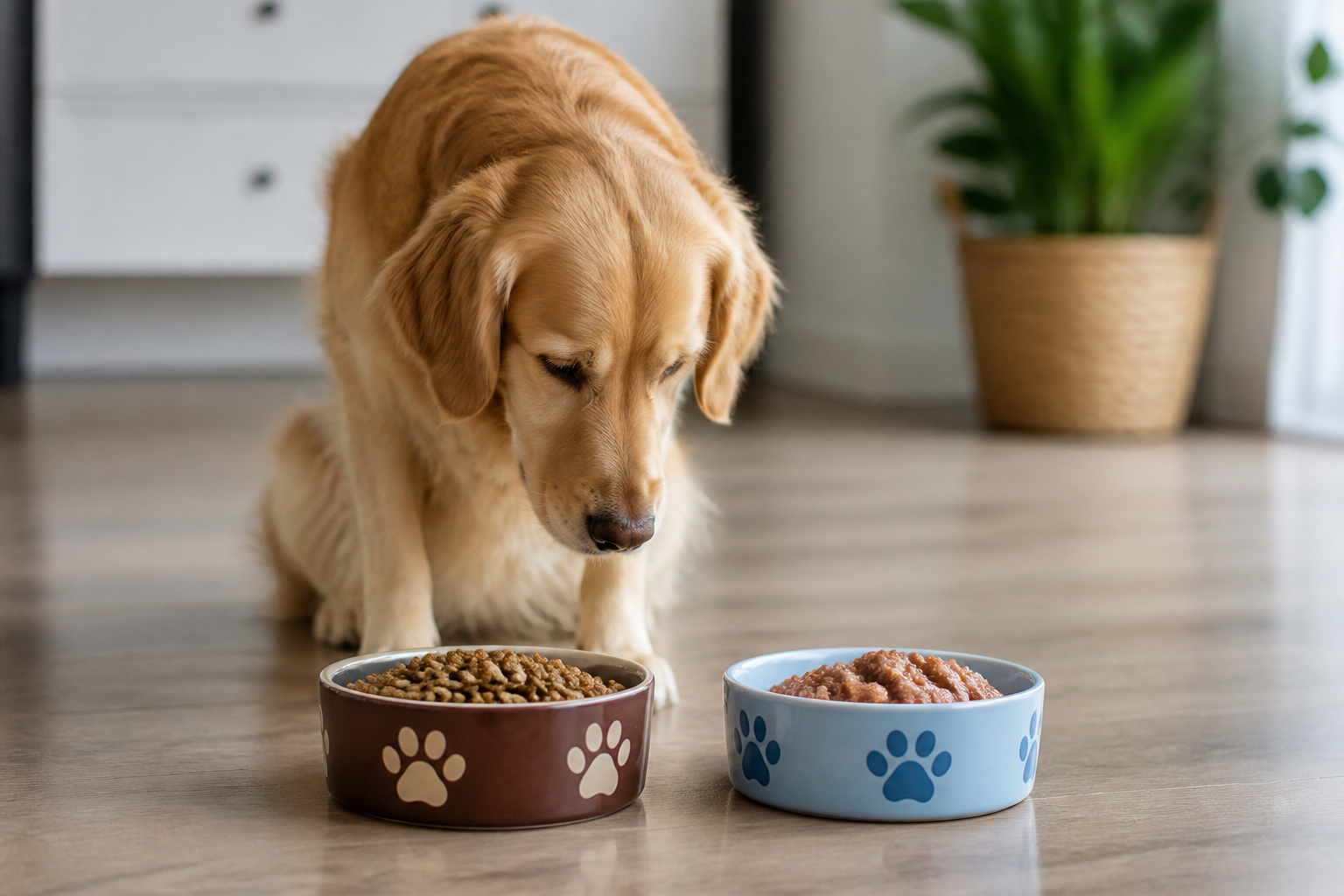
Standing in front of a massive wall of dog food can feel like a test you did not study for. You want the best for your dog, but the sheer volume of bags, cans, and pouches is enough to make any pet parent pause. Whether you are browsing the aisles at our Vernon Hills warehouse or scrolling through the 500 plus brands at BaxterBoo, the question usually boils down to two main options. Is dry kibble the way to go, or should you reach for the canned wet food?
There is no single correct answer for every dog. The right choice depends on your pet’s age, health status, and even how much they enjoy their meal. We see owners navigating this choice every day. This guide will break down the pros and cons of each format. We will cover nutrition, convenience, and how to tell which style fits your dog’s unique lifestyle.
Quick Answer: Neither wet nor dry food is objectively better for every dog. Dry food is convenient and supports dental health, while wet food provides essential hydration and is often more appealing to picky eaters.
Understanding Dry Dog Food
Dry dog food, commonly called kibble, is the most popular choice for households across the United States. It is made through a process called extrusion. This involves mixing ingredients into a dough, cooking it under pressure, and pushing it through small holes to create the shapes we see in the bag. Once it is dried and cooled, it is often sprayed with fats and vitamins to ensure it is both nutritious and tasty.
One of the biggest reasons owners choose kibble is the sheer convenience. You can buy a large bag and it stays fresh for several weeks if you keep it in a cool, dry place. It is easy to measure out exactly what your dog needs. Because it has a very low moisture content, usually between 5 percent and 10 percent, it is calorie dense. This means your dog does not need to eat a massive volume of food to get the energy they need for the day.
The Benefits of Crunchy Kibble
The texture of dry food is more than just a matter of preference. For many dogs, the crunch serves a functional purpose. As they chew, the mechanical action of the kibble helps scrape away a small amount of plaque from the teeth. While it is never a substitute for regular brushing, it can be a helpful tool in a broader dental care routine.
Dry food also works perfectly with modern pet gear. If you use automatic feeders to keep your dog on a schedule while you are at work, kibble is the only option that will not spoil or clog the machine. It is also the best choice for enrichment. You can hide kibble in snuffle mats or put it inside Kong toys to give your dog a mental workout during mealtime.
Considerations for Dry Feeding
While kibble is easy for the owner, it does require the dog to be a proactive drinker. Since the food itself provides almost no water, your dog must visit the water bowl frequently. If you have a dog that rarely drinks, a strictly dry diet might lead to concentrated urine or minor dehydration over time.
Also, some very small breeds or senior dogs with missing teeth may find hard kibble difficult to manage. In these cases, the "crunch" becomes a barrier rather than a benefit. You can always soften kibble with a bit of warm water, but for some pets, a different texture is simply a better fit.
Key Takeaway: Dry food is the most cost effective and convenient option. It supports dental health through chewing and works well with interactive toys and automatic feeders.
Exploring the World of Wet Dog Food
Wet dog food usually comes in cans, trays, or pouches. Unlike kibble, wet food is cooked and then sealed in its container before being sterilized. This process allows it to stay shelf stable for a long time without needing many artificial preservatives. Once you crack that seal, however, the aroma is much stronger than anything you will find in a bag of dry food.
The moisture content in wet food is significantly higher, often reaching 75 percent to 84 percent. This makes it a great choice for dogs that need extra fluids. This hydration boost is particularly helpful for dogs with a history of urinary tract issues or those that just seem to ignore their water dish.
Why Dogs Often Prefer Canned Food
If your dog is a picky eater, wet food is often the solution. The cooking process and high moisture level preserve the natural aromas of the meat and fats. To a dog, a bowl of wet food smells like a real meal, while kibble might just smell like a snack. This makes it a vital tool for pets that have lost their appetite due to age or illness.
Wet food is also very easy to eat. It does not require much jaw strength or a full set of teeth to consume. For a senior dog with dental disease or a puppy just transitioning to solid food, the soft texture of a paté or stew is much more manageable.
Satiety and Weight Management
Wet food is less calorie dense than dry food because of the high water content. This sounds like a downside, but it can be a secret weapon for weight management. A dog can eat a larger volume of wet food while consuming fewer calories. This helps them feel full and satisfied. If your dog is always begging for more, swapping some kibble for wet food might help them feel more satiated without packing on extra pounds.
When Health Dictates the Choice
Sometimes the choice between wet and dry is not about convenience or preference. It is about health. Certain medical conditions respond better to one format over the other. This is where professional guidance becomes essential.
For example, dogs with kidney disease often benefit from the high moisture found in wet food. Conversely, dogs prone to rapid tartar buildup might need a specific dental kibble. In many cases, a veterinarian might recommend a prescription diet. These specialized foods are formulated to manage specific conditions like food sensitivities, joint issues, or metabolic needs.
Vet Tip: Always consult your veterinarian before making a major switch in your dog’s diet, especially if they have underlying health issues. A vet can help you calculate the exact caloric needs to ensure your dog stays at a healthy weight.
Our pharmacy at BaxterBoo offers a wide range of FDA approved prescription pet foods through our partnership with Pet's Choice. If your vet recommends a specific brand like Royal Canin or Farmina Vet Life for a health condition, you can often find those through our pet pharmacy. Having access to these professional grade diets makes it easier to manage chronic conditions from the comfort of your home.
Feeding for Different Life Stages
A dog’s nutritional needs change as they grow. What works for a bouncy puppy might not be the best choice for a 12 year old senior dog.
Puppies and Young Dogs
Puppies have small mouths and very high energy needs. Many owners find that a mix is best for this stage. Wet food is easy for those tiny baby teeth to handle, but dry puppy kibble provides the concentrated calories they need to grow. Introducing both textures early on can also prevent your dog from becoming a picky eater later in life. It teaches them that food comes in different forms.
For more guidance on introducing kibble, read our puppy dry-food weaning guide.
Senior Dogs and Their Needs
As dogs age, their sense of smell often fades. Since smell is a huge part of how dogs experience taste, they might lose interest in their dry kibble. Adding wet food can reignite that interest because of its strong aroma. Senior dogs also frequently deal with dental issues or thinning tooth enamel. A soft diet allows them to eat comfortably without the pain of crunching down on hard pellets.
You can also compare age-specific considerations in our guide to wet or dry food for senior dogs.
Bottom line: Life stage is a major factor in the wet versus dry debate, with puppies needing high calories and seniors often requiring the softer, more aromatic qualities of wet food.
The Strategy of Mixing Wet and Dry
You do not have to choose just one. Many pet parents find that mixing wet and dry food provides the best balance of benefits and budget. This approach is often called "topped" feeding. You use a base of high quality kibble and add a spoonful or two of wet food on top.
Why Mixing Works
- It makes dry food more appetizing for finicky dogs.
- It adds a boost of hydration to every meal.
- It keeps the cost lower than a 100 percent wet food diet.
- It provides a variety of textures for mental stimulation.
If you decide to mix, you must be careful with calories. You cannot simply add a can of wet food on top of a full serving of dry food. This will lead to weight gain. You need to reduce the amount of kibble to account for the calories in the wet food.
How to Transition Safely
If you are moving from one type to another, do it slowly. A sudden change can upset your dog's stomach. Follow these steps over the course of about a week:
Step 1: Start with a small amount.
Mix about 25 percent of the new food with 75 percent of the old food for two days.
Step 2: Move to a half and half blend.
If your dog's digestion looks good, move to a 50 percent split for the next two days.
Step 3: Increase the new food.
Move to 75 percent new food and 25 percent old food for the final two days.
Step 4: Complete the switch.
By day seven, your dog should be ready for a full serving of the new food or the new mixed ratio.
For another gradual transition approach, see our guide to switching from dry to wet dog food.
Storing Your Dog Food Correctly
How you store the food is just as important as which type you buy. Improper storage leads to spoiled fat, lost vitamins, and a loss of flavor that might make your dog turn their nose up at the bowl.
Dry Food Storage Tips
Keep kibble in its original bag. Those bags are designed with barriers to keep oxygen out and fats in. You can place the entire bag inside a plastic or metal bin with an airtight seal. Try to use up a bag within six weeks of opening it. After that point, the fats can begin to oxidize, which makes the food smell "off" to your dog.
Wet Food Storage Tips
Unopened cans are very shelf stable, but once opened, they must be treated like fresh meat. Cover the can with a silicone lid or move the food to an airtight container and put it in the refrigerator. Use it within three days. If your dog does not finish their wet food within 30 minutes of it being in the bowl, you should throw the leftovers away. Bacteria can grow quickly in the high moisture environment of canned food.
For additional handling guidance, read our article on wetting dry dog food.
Choosing the Best Brands
At BaxterBoo, we curate our selection to include brands that prioritize high quality ingredients. Whether you prefer the raw inspired nutrition of Stella and Chewy's or the science backed formulas of Royal Canin, the goal is to find a recipe that lists a clear protein source as the first ingredient.
Look for brands like Open Farm or The Honest Kitchen if you want transparency in sourcing. If you are looking for grain free options or specific limited ingredient diets for allergies, we carry brands like Zesty Paws and NutriSource that offer both wet and dry varieties.
You can browse our selection of Royal Canin products when you are comparing specialized food options.
Key Takeaway: Quality matters more than the format. A high quality dry food is better than a low quality wet food, and vice versa.
Final Thoughts on Your Dog's Menu
Choosing between wet and dry food is a personal decision that should be based on your dog's unique needs. There is no shame in sticking to kibble for its convenience and dental benefits. Likewise, providing a 100 percent wet food diet is a wonderful way to ensure your dog stays hydrated and excited for every meal.
If you are still unsure, why not try a combination? Many of our customers use our Autoship programme to have their favorite kibble delivered regularly, then add a few cases of wet food to their order for variety. This ensures you never run out and your dog gets the best of both worlds.
- Evaluate your dog's dental health and water intake.
- Consider your daily schedule and budget.
- Talk to your vet about any specific health concerns.
- Choose high quality brands with trusted ingredients.
The most important thing is that your dog is happy, healthy, and maintaining a good weight. We invite you to explore our dog food collection or visit our Vernon Hills warehouse to talk with us about the different brands we carry. If your dog needs a specialized diet, remember that our pharmacy partnership with Pet's Choice is here to help with your prescription needs.
FAQ
Is dry food better for a dog’s teeth than wet food?
Dry food can help reduce plaque buildup through the mechanical action of chewing, but it is not a cure for dental disease. It should be part of a larger plan that includes regular teeth brushing and veterinary cleanings. Some specific dental diets are formulated with textures that maximize this cleaning effect.
Can I feed my dog only wet food?
Yes, you can feed a dog a diet consisting entirely of wet food as long as it is labeled as a complete and balanced meal. Wet food provides excellent hydration and is often more palatable. However, you will need to be extra diligent about your dog’s dental hygiene since wet food does not offer the same abrasive cleaning as kibble.
Why is wet food more expensive than dry food?
Wet food is more expensive because of the high water content and the cost of packaging in cans or pouches. You are paying for the convenience of the moisture and the sterilization process. Since dry food is more calorie dense, a single bag usually lasts much longer than an equivalent price point of canned food.
How do I know if my dog needs a prescription diet?
If your dog has chronic issues like recurring skin allergies, kidney stones, or significant weight problems, your vet may suggest a prescription diet. These foods contain specific nutrient levels to manage medical conditions. You can find many of these brands, including Farmina Vet Life and Royal Canin, through the BaxterBoo pharmacy partnership with Pet's Choice.






