
 Save 15% on your 1st Autoship learn more

 Email us
 Live Chat
 FAQs
FAQs





Introduction
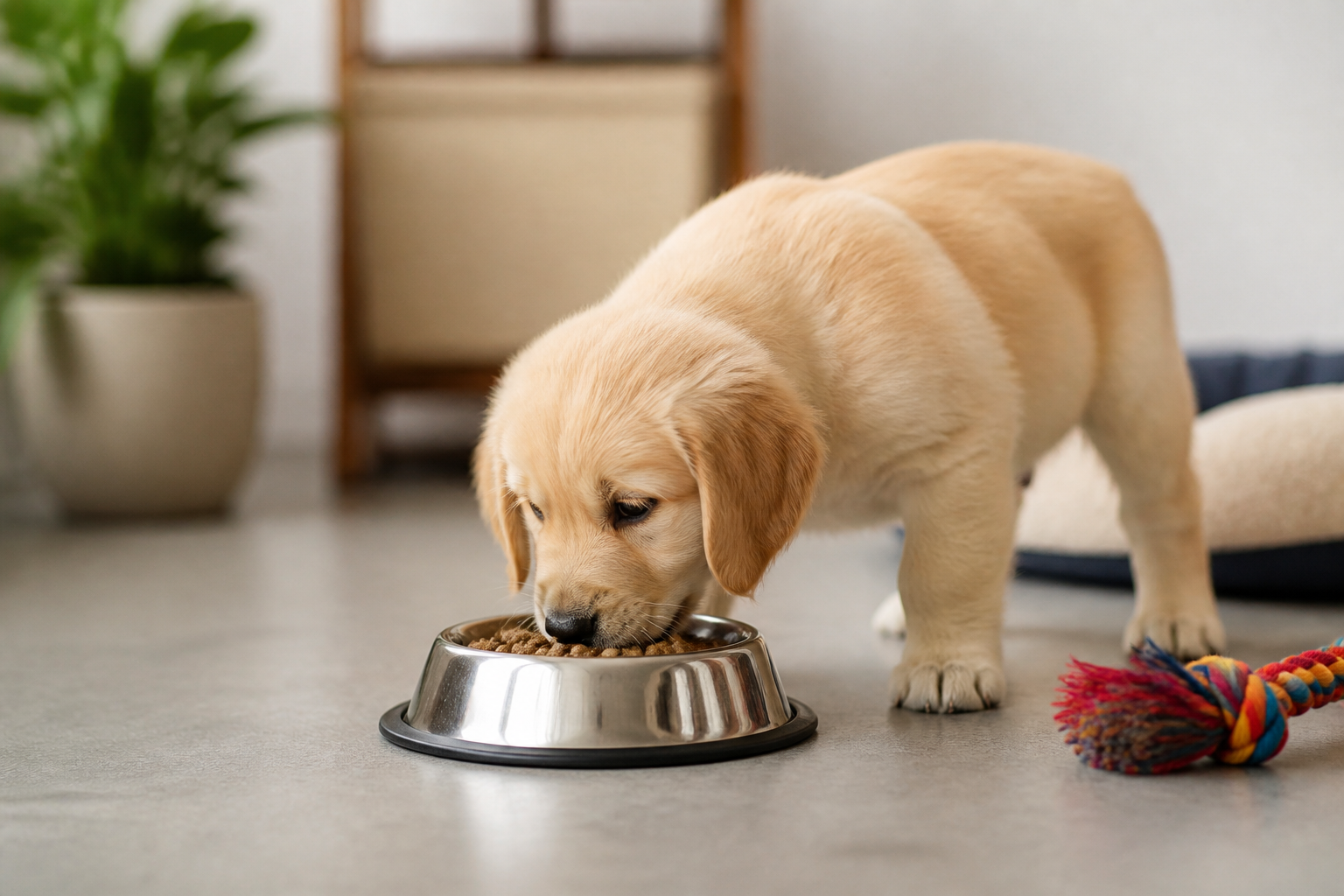
Watching a litter of puppies grow is one of the most rewarding parts of being a pet owner. You see them move from sleeping most of the day to exploring every corner of their environment. During this time, you will notice their focus shifts from nursing to the smells coming from your older dog's bowl. At BaxterBoo, we know that the first few months of a puppy's life are critical for building a foundation of health. One of the most common questions we hear in our Vernon Hills warehouse is exactly when to make the switch to solid kibble. This post covers the weaning timeline, the best way to soften food for developing teeth, and signs that your puppy is ready for a crunchier diet. Proper nutrition during this stage ensures your puppy has the energy and nutrients needed for rapid growth.
Quick Answer: Puppies can typically begin eating unsoftened dry dog food between 7 and 10 weeks of age. The process starts much earlier at about 4 weeks by mixing kibble with water or formula to create a soft mush.
The Stages of Puppy Nutrition
A puppy's nutritional needs change faster in the first six months than at any other point in their life. When they are first born, they rely entirely on their mother's milk or a high quality milk replacer. This provides them with colostrum and essential antibodies. As they reach three to four weeks of age, their curiosity grows along with their energy requirements. This is when the weaning process begins.
Weaning is the gradual transition from a liquid diet to solid food. It is not something that happens overnight. It requires patience and a gradual introduction of new textures. If you try to force a puppy onto dry kibble too early, you might cause digestive upset or discourage them from eating altogether.
During these early weeks, puppies are also developing their deciduous teeth, often called baby teeth. These teeth are sharp but small. They are not yet strong enough to crush hard, dry kibble. That is why the first step toward dry food is always creating a soft, manageable consistency.
The Weaning Timeline
Most puppies begin showing interest in solid food around the four week mark. At this stage, they are still nursing, but the mother will naturally begin to spend more time away from the litter. This is your cue to offer a "puppy mush" or gruel. If you are choosing a formula for this stage, browse our puppy food category.
Step 1: Start the introduction. / Mix a small amount of high quality puppy kibble with warm water or puppy milk replacer. Let it sit until it is soft enough to mash into a soup.
Step 2: Offer small portions. / Place the mixture in a shallow dish four times a day. Allow the puppies to explore the texture and taste at their own pace.
Step 3: Gradually increase thickness. / Over the next three weeks, use less liquid each day. This helps the puppy's digestive system adapt to more complex ingredients.
Step 4: Full transition. / By seven or eight weeks, most puppies have a full set of baby teeth. They should be able to handle dry kibble without any added liquid.
Key Takeaway: The transition to dry food should be a four week journey that mirrors the puppy's dental development and the mother's natural weaning process.
How to Properly Soften Puppy Kibble
Soften dry food is the bridge between nursing and a lifetime of healthy eating. It is important to use the right liquid and the right temperature. Never use boiling water, as this can destroy some of the sensitive vitamins and minerals in premium puppy food. Instead, use warm water or a specialized broth made for dogs.
The ratio of liquid to food is the most important part of this process. In the beginning, you want it to look like a thin soup. As the puppies get better at lapping up the food, you can move to an oatmeal consistency. For more ideas about preparing kibble, read our guide to softening dry dog food.
| Week of Weaning | Food to Liquid Ratio | Texture Description |
|---|---|---|
| Week 1 (Age 4 weeks) | 1 part food, 3 parts liquid | Thin, soupy gruel |
| Week 2 (Age 5 weeks) | 2 parts food, 2 parts liquid | Thick oatmeal consistency |
| Week 3 (Age 6 weeks) | 3 parts food, 1 part liquid | Soft but chunky kibble |
| Week 4 (Age 7-8 weeks) | 100% dry kibble | Hard, crunchy pieces |
Let the food soak for at least 15 minutes. This ensures the center of the kibble is soft. If the kibble is still hard in the middle, it can be a choking hazard for a very young puppy. After soaking, use a fork to mash any remaining large pieces. Always test the temperature with your finger to ensure it is not too hot for their sensitive mouths.
Why Quality Puppy Kibble Matters
When you choose a dry food, look for brands that prioritize whole proteins and essential fatty acids. Puppies need more calories per pound than adult dogs because they are building bone, muscle, and brain tissue simultaneously. We carry trusted brands like NutriSource, Royal Canin, and Stella and Chewy's that offer specific formulas for growing pups.
A high quality puppy food will contain DHA, which is an omega 3 fatty acid. This is often sourced from fish oil and is crucial for brain and eye development. It also helps with trainability as the puppy grows. The calcium and phosphorus levels must be precisely balanced. This is especially true for large breed puppies, as growing too fast can lead to joint issues later in life.
Our team at BaxterBoo carefully curates our selection to include options that meet these strict nutritional standards. Whether you are looking for grain free options or traditional recipes, the first ingredient should always be a high quality meat source. Compare formulas in our dry dog food category.
Vet Tip: If your puppy has persistent diarrhea, skin irritations, or seems to be failing to gain weight during the transition to dry food, consult your veterinarian. These can be signs of a food sensitivity or an underlying health issue. For puppies with diagnosed allergies or specific health needs, our pharmacy offers prescription puppy diets through our partnership with Pet's Choice.
Feeding Schedules and Portions
Puppies have very small stomachs, but they burn energy quickly. This means they need to eat small meals frequently throughout the day. A single large meal can lead to bloating or a drop in blood sugar between feedings.
From weaning until about four months of age, most puppies do best with four meals a day. Between four and six months, you can usually drop down to three meals. Once your dog reaches six months, a twice daily feeding schedule is standard for most breeds. For more portion guidance, see our puppy feeding guide.
- Measuring is vital. Use a standard measuring cup or a kitchen scale to track exactly how much you are feeding.
- Watch the body condition. You should be able to feel your puppy's ribs but not see them prominently. There should be a visible waist when looking down from above.
- Avoid overfeeding. It is tempting to give a growing puppy extra food, but excess weight puts dangerous strain on developing joints.
- Fresh water is non negotiable. Dry food has very little moisture content. Always ensure your puppy has access to clean, fresh water to prevent dehydration.
Bottom line: Frequent, measured meals are better for a puppy's metabolism and digestion than one or two large feedings.
Transitioning to a Dry Food Only Diet
By the time a puppy is eight weeks old, they are usually ready to leave their mother and go to a new home. At this point, they should be eating dry food reliably. If you have just brought a new puppy home, find out what the breeder or shelter was feeding them.
Even if you want to switch to a different brand, start with the food they are used to. Moving to a new home is stressful. A sudden change in diet on top of that stress almost always leads to a messy stomach.
To transition to a new brand of dry food:
- Days 1-3: Mix 75% of the old food with 25% of the new food.
- Days 4-6: Mix 50% of the old food with 50% of the new food.
- Days 7-9: Mix 25% of the old food with 75% of the new food.
- Day 10: Feed 100% of the new puppy food.
This slow introduction allows the natural bacteria in the gut to adjust to the new ingredients. If you notice any loose stools, stay at the current ratio for a few extra days before increasing the amount of new food. For additional guidance, read our puppy weaning timeline.
Signs Your Puppy is Ready for More Crunch
How do you know when to stop adding water? Every puppy develops at a different rate. While the 7-10 week window is standard, your puppy might give you specific signs that they are ready for a harder texture.
One clear sign is the emergence of their teeth. Once you feel those sharp "land shark" teeth during play, they are physically capable of crunching kibble. You might also notice them losing interest in the mushy gruel but trying to steal dry kibble from your older dogs.
Chewing is a natural behavior for puppies. Hard kibble provides a satisfying outlet for this urge. It also helps mechanically scrape away some of the soft plaque that can build up on their new teeth. While it is not a substitute for brushing, the crunch of dry food is better for oral health than a strictly wet diet.
Managing Health During the Diet Change
The first few months involve more than just food. Your puppy will also need a series of vaccinations and parasite preventives. Changes in diet can sometimes mask or mimic symptoms of other issues. For example, a puppy might seem picky because they are teething, or they might have an upset stomach due to intestinal parasites.
If your puppy stops eating for more than twelve hours, it is time to call the vet. Puppies do not have large energy reserves. They can become dehydrated or lethargic very quickly.
For ongoing health management, BaxterBoo provides a convenient way to handle your pet's medical needs. Our pharmacy carries FDA approved flea, tick, and heartworm preventives. We also stock prescription medications for puppies who might be dealing with more complex health challenges. Through our partnership with Pet's Choice, we make it easy to get the professional grade products your puppy needs delivered right to your door.
Key Takeaway: Monitor your puppy's energy levels and appetite closely during any diet change, and don't hesitate to seek veterinary guidance for persistent digestive issues.
Storage and Safety of Dry Food
Once you move to a dry food diet, you need to store that food properly to keep it fresh and nutritious. Dry kibble contains fats and oils that can go rancid if exposed to too much air, heat, or moisture. For additional storage guidance, read our guide to keeping dry dog food fresh.
- Keep the bag. The original packaging is designed to keep food fresh. It also contains the batch code and expiration date in case of a recall.
- Use airtight containers. Place the entire bag inside a plastic or metal airtight bin. This prevents pests and keeps the food from drying out.
- Store in a cool place. Avoid keeping dog food in a hot garage or a damp basement. A pantry or kitchen cabinet is ideal.
- Check for freshness. Only buy as much food as your puppy can eat in about six weeks. Even dry food loses its nutritional punch over time once the bag is opened.
Bottom line: Proper storage protects your investment and ensures your puppy gets the full nutritional benefit of every bowl.
Conclusion
Transitioning your puppy to dry dog food is a major step toward their adulthood. It starts with a soupy mixture at four weeks and ends with a confident, crunchy eater by two months. By following a gradual weaning schedule and choosing a high quality puppy formula, you are supporting their brain development, bone growth, and digestive health. We are here to help you every step of the way at BaxterBoo. From the first bag of kibble to their first set of toys, we have the expert curated products your growing dog deserves. To make sure you never run out of your puppy's favorite food, consider signing up for our Autoship programme. You will save on your orders and earn MVP Rewards to use on future purchases.
FAQ
Can I use cow's milk to soften my puppy's dry food? It is best to avoid cow's milk because many puppies are lactose intolerant. Using cow's milk can lead to severe diarrhea and dehydration. Instead, use warm water, a dedicated puppy milk replacer, or a dog-safe bone broth to soften their kibble.
What should I do if my puppy refuses to eat dry food after weaning? If your puppy is healthy but picky, try adding a small amount of wet puppy food or a topper to the kibble. Ensure the kibble size is small enough for their mouth. If the refusal is sudden or accompanied by lethargy, consult your veterinarian to rule out medical issues.
Is it okay to feed my puppy adult dry food if they like it better? No, you should avoid feeding adult food to a puppy. Adult dog food does not have the high levels of protein, fat, and minerals like calcium that a puppy needs for healthy growth. Feeding adult food too early can lead to developmental deficiencies or permanent bone and joint damage.
How long can I leave softened dry food out in the bowl? Once you add moisture to dry food, it becomes a breeding ground for bacteria. You should never leave moistened kibble out for more than 30 minutes. If your puppy hasn't finished it by then, pick up the bowl, discard the contents, and offer a fresh portion at the next scheduled feeding.






