
 Save 15% on your 1st Autoship learn more

 Email us
 Live Chat
 FAQs
FAQs





Introduction
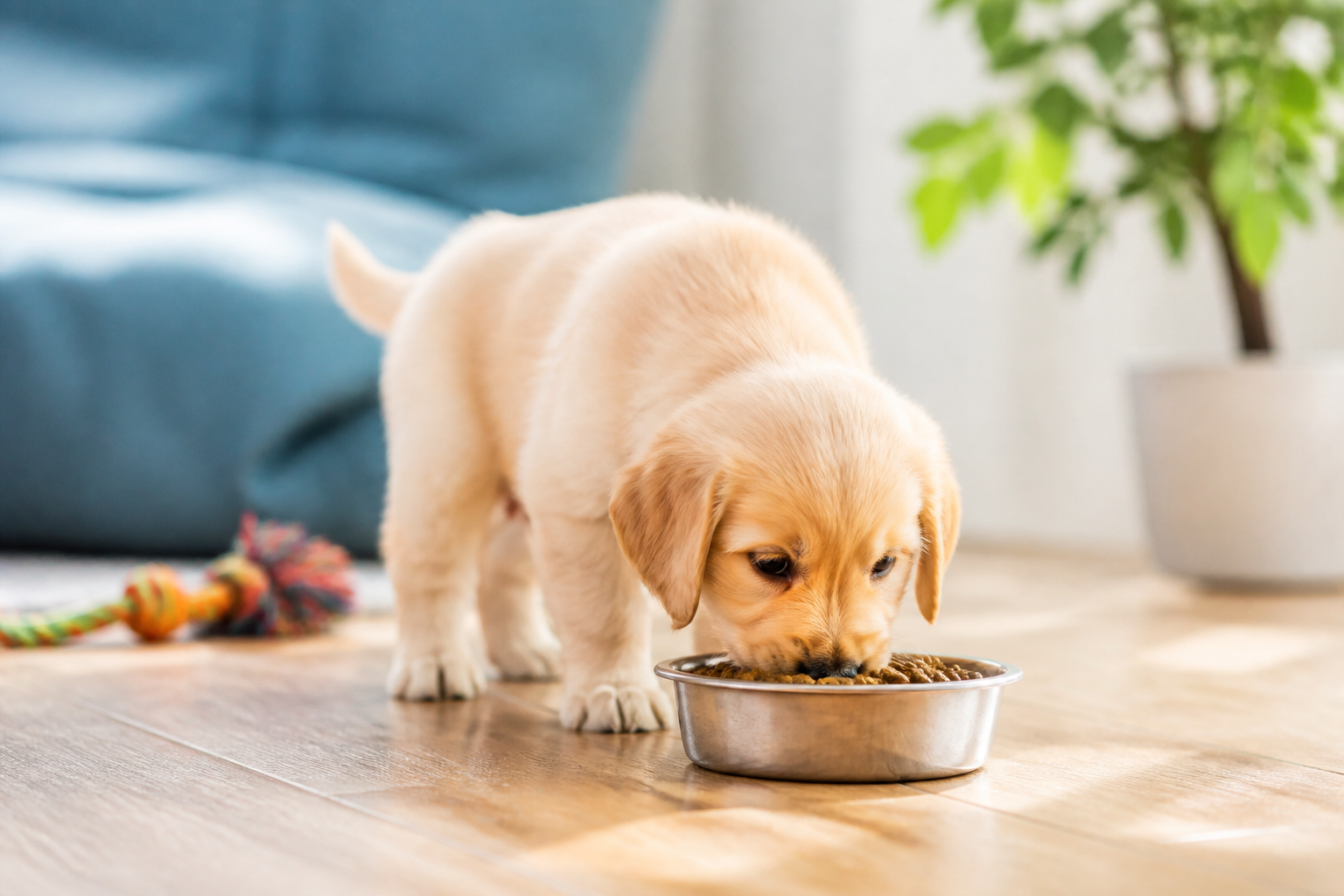
Watching a litter of puppies grow is an incredible experience. One day they are tiny, eyes closed, and completely dependent on their mother. Before you know it, they are stumbling around and exploring their surroundings with their mouths. This is the moment most owners start to wonder when they can finally ditch the milk and start the transition to solid meals. Weaning is a major milestone in a young dog's life. It sets the foundation for their long term health and development.
At BaxterBoo, we have helped thousands of pet parents navigate these early stages since we opened in 2006. This article covers the exact timeline for introducing dry food, how to prepare it safely, and what nutrients your growing pup needs most. Our goal is to make this transition as smooth as possible for you and your puppy.
Quick Answer: Puppies typically begin the weaning process at 3 to 4 weeks of age by eating softened food. Most puppies are ready to eat completely dry kibble by 8 weeks old.
The Weaning Timeline: From Milk to Kibble
Puppies do not wake up one morning and decide they are ready for a bowl of hard kibble. It is a slow and steady process that usually takes about four to five weeks to complete.
Weeks 3 to 4: The Introduction
During the first three weeks of life, puppies get every bit of their nutrition from their mother's milk. If the mother is not available, they rely on a puppy milk replacer. Around the three week mark, their first tiny teeth begin to poke through the gums. This is your signal to start introducing something other than liquid.
At this stage, you are not giving them dry food straight out of the bag. Instead, you are creating a puppy gruel. This is a mixture of high quality puppy food and liquid that has the consistency of thin oatmeal. It allows the puppy to lap up the food rather than chewing it.
Weeks 5 to 6: Building Texture
By five weeks, puppies are usually much more mobile and curious. They should be eating their gruel with enthusiasm. This is the time to start thickening the mixture. You will use less liquid and leave the pieces of food slightly more intact. Their jaws are getting stronger, and they are learning how to use those new teeth.
Weeks 7 to 8: The Final Transition
By the time a puppy reaches seven or eight weeks, they should be getting most of their calories from solid food. The mother dog will naturally start to spend less time nursing them. You can gradually reduce the soaking time of the kibble until it is completely dry.
Key Takeaway: The transition to dry food should be gradual to avoid upsetting a puppy's sensitive digestive system.
How to Properly Soften Puppy Food
You cannot simply toss a bowl of hard kibble in front of a 4 week old puppy. Their teeth are too small and their jaws are not strong enough to break down hard pieces. Softening the food is essential for safety and digestion.
Step 1: Choose a high quality puppy kibble. / Look for a brand like Royal Canin, NutriSource, or Farmina that is specifically formulated for growth.
Step 2: Add warm liquid. / Use warm water or a puppy milk replacer. Avoid using cow's milk, as it can cause diarrhea in many puppies.
Step 3: Let it soak. / Allow the mixture to sit for at least 15 to 20 minutes. The kibble should absorb the liquid and become spongy.
Step 4: Mash it up. / Use a fork or a blender to create a smooth consistency for younger puppies. For older puppies, just mashing it with a spoon is usually enough.
Step 5: Check the temperature. / Ensure the food is lukewarm. It should never be hot, as this can burn a puppy's mouth.
Vet Tip: If your puppy develops persistent diarrhea or stops eating during the weaning process, consult your veterinarian immediately. These can be signs of underlying health issues or parasites that require professional diagnosis and treatment.
Essential Nutrients for Growing Puppies
Puppies grow at an incredible rate. Some breeds can double their birth weight in just a few days. Because of this rapid development, their nutritional needs are much higher than those of an adult dog.
High Protein Content
Protein is the building block of muscles, skin, and organs. Puppy food must have a higher percentage of protein than adult maintenance diets. We carry brands like Orijen and Acana that focus on high quality, animal based protein sources to support this growth. Our puppy food selection includes formulas for different growth needs.
Healthy Fats and DHA
Fats provide the energy puppies need to play and grow. Specifically, look for Docosahexaenoic Acid (DHA). This is an omega 3 fatty acid typically found in fish oil. It is critical for brain development and vision. Puppies that receive adequate DHA often show better trainability and cognitive function.
Calcium and Phosphorus Balance
Bones need calcium and phosphorus to grow strong. However, the ratio must be exact. This is especially true for large breed puppies like Great Danes or Labradors. If they get too much calcium, their bones can grow too fast, leading to joint problems later in life.
Signs Your Puppy is Ready for Hard Kibble
Every puppy develops at a slightly different pace. While the eight week mark is the standard, watch for these specific signs that your pup is ready to crunch.
- Teeth development: You can clearly see a full set of sharp puppy teeth.
- Chewing behavior: They are starting to gnaw on toys or their bedding.
- Interest in mother's food: They try to steal a bite from the adult dog's bowl.
- Successful hydration: They are drinking water from a bowl on their own.
If a puppy is still struggling to chew or seems to be choking on dry pieces, go back to softening the food for another week. There is no reward for rushing this process.
Why Puppy Food is Non-Negotiable
It might be tempting to just feed your puppy the same food your adult dog eats. After all, it is more convenient to buy one bag. However, adult dog food lacks the calorie density and specific mineral balances that puppies require.
Feeding a puppy adult food can lead to stunted growth or developmental abnormalities. Conversely, feeding a puppy too many calories can cause them to become overweight, which puts a massive strain on their developing joints. Always stick to a formula labeled for puppies or "all life stages" until your dog reaches physical maturity. For additional guidance when comparing formulas, read our guide to choosing the best dry dog food for puppies.
Bottom line: Puppy food is a specialized tool for growth, and using it correctly is the best way to ensure your dog has a long, healthy life.
Managing Health and Wellness During Transitions
The weaning period is also the time when puppies lose the natural immunity they received from their mother's milk. This makes them more vulnerable to illness.
Our pet pharmacy provides a wide range of prescription medications that puppies might need during this transition. This includes prescription flea and tick preventatives and heartworm medication. Many owners also find that their vet prescribes a specific prescription diet if the puppy has a very sensitive stomach or specific allergy. You can find these specialized foods and medications easily through our pharmacy services once you have a prescription from your vet.
The Role of Wet Food in the Transition
Many pet owners use wet canned food as a bridge between milk and dry kibble. Wet food is naturally soft and has a strong aroma that encourages picky puppies to eat. Brands like Tiki Dog and Stella and Chewy's offer excellent wet options. For more ideas about changing food textures, explore our guide to switching from dry to wet dog food.
You can mix a spoonful of wet food into softened kibble to make it more appealing. This is also a great way to increase your puppy's water intake. However, don't rely solely on wet food if you eventually want your dog to eat dry kibble. Dry food is generally better for dental health as the crunching action can help scrape away soft plaque.
A Typical Feeding Schedule
Puppies have very small stomachs but very high energy needs. They cannot eat all their calories in one sitting.
- 8 weeks to 4 months: 4 meals per day
- 4 months to 6 months: 3 meals per day
- 6 months and older: 2 meals per day
Consistency is your best friend when training a puppy. Try to feed them at the same times every day. This not only helps with digestion but also makes potty training much easier. For more guidance on portions, read how much dry dog food to feed a puppy.
Common Mistakes to Avoid
Even the most well intentioned owners can make mistakes during the weaning process. Avoid these common pitfalls to keep your pup on the right track.
- Switching foods too fast: If you change brands, do it over a week by mixing the old and new food.
- Overfeeding: Follow the guide on the bag, but use your puppy's body condition as the real indicator. You should be able to feel their ribs but not see them.
- Leaving moistened food out: Wet or soaked food can grow bacteria quickly. If your puppy does not eat it within 30 minutes, throw it away.
- Neglecting fresh water: As puppies eat more dry food, they need significantly more water. Always keep a clean bowl of fresh water available.
Large Breed vs. Small Breed Needs
A Chihuahua puppy and a Mastiff puppy have very different growth trajectories. Small breeds often reach their full size by 10 to 12 months. Large and giant breeds may continue growing until they are two years old.
Small Breeds
Small breed puppies have incredibly high metabolic rates. They can actually suffer from low blood sugar (hypoglycemia) if they go too long without eating. For these dogs, frequent small meals are mandatory. Look for small breed formulas with tiny kibble pieces that are easy for small mouths to manage.
Large Breeds
The goal for a large breed puppy is controlled growth. You do not want them to get "big" as fast as possible. You want them to grow slowly so their skeleton can support their weight. We carry specific large breed puppy foods that have lower fat levels and strictly controlled calcium to help prevent hip dysplasia and other orthopedic issues.
How BaxterBoo Supports Your New Journey
We know that bringing home a new puppy is both exciting and a little bit overwhelming. Since 2006, our mission has been to provide the best products and advice for pet owners. Whether you are visiting our warehouse in Vernon Hills or ordering online, we curate our selection to include only the brands we trust for our own pets.
Our MVP Rewards program is a great way to save money on the frequent purchases puppies require. You can earn up to 5 percent back on every bag of food or box of treats. We also offer an Autoship program. This ensures you never run out of food and gives you a discount on your orders. It is one less thing to worry about during those busy puppy months.
Preparing Your Home
Before your puppy makes the full switch to dry food, make sure you have the right gear.
- Stainless steel or ceramic bowls (easier to clean than plastic)
- An airtight food storage container to keep kibble fresh
- A measuring cup to ensure accurate portions
- Puppy safe treats for training
Key Takeaway: Proper preparation and the right nutritional choices during the first eight weeks can prevent many common health problems later in life.
Transitioning to Adult Food
Once your puppy is successfully eating dry food, you have a several months of routine ahead of you. But eventually, you will need to move to an adult maintenance diet.
Most dogs should switch to adult food around their first birthday. For giant breeds, wait until they are 18 to 24 months old. When you make this change, follow the same gradual process you used during weaning. Mix the puppy food with the adult food over a seven to ten day period. For more advice about gradual food changes, read our puppy weaning timeline guide.
Summary of the Weaning Process
- Begin at 3 to 4 weeks with a very liquid gruel.
- Slowly increase the thickness of the food over the next 3 weeks.
- Ensure the puppy has constant access to fresh water.
- Monitor weight gain and energy levels daily.
- By 8 weeks, offer dry kibble with only a small amount of water or none at all.
- Consult your vet for a vaccination and wellness schedule.
Conclusion
The transition to dry dog food is a major step in your puppy's development. By starting around the three or four week mark and moving slowly, you can help your puppy grow into a strong and healthy adult. Remember that every puppy is an individual. Some might take a little longer to get used to the crunch of kibble, and that is perfectly okay. Focus on high quality ingredients, proper hydration, and a consistent feeding schedule.
If you have questions about which food is right for your specific breed or need to fill a prescription for your new pup, we are here to help. Our pharmacy team is ready to assist with any medical needs your veterinarian recommends.
- Start weaning slowly at 3 to 4 weeks.
- Use high quality, nutrient dense puppy food.
- Always provide fresh, clean water.
- Consult your vet for any digestive concerns or growth questions.
Bottom line: Patience and quality nutrition are the two most important factors in successfully moving your puppy onto dry food.
For the best selection of premium puppy foods and all your new pet essentials, explore our full Dog Food category and consider setting up an Autoship order to save time and money.
FAQ
Can I give my 6 week old puppy dry food without soaking it?
At six weeks, most puppies still need their kibble to be at least partially softened. Their teeth are still emerging, and their jaws are not fully developed. While some puppies might be able to crunch a few pieces, it is safer to continue adding a little water until they are closer to eight weeks old.
What should I do if my puppy refuses to eat dry kibble?
If your puppy is healthy but picky, try mixing in a small amount of high quality wet food or a splash of warm, low sodium broth. Ensure the kibble size is appropriate for their breed. If the refusal is accompanied by lethargy or vomiting, you should contact your veterinarian immediately to rule out illness.
Is it okay to mix puppy milk replacer with dry food?
Yes, using puppy milk replacer to soften kibble is an excellent way to start the weaning process. It provides familiar flavors and extra nutrients that help the puppy transition away from nursing. As the puppy gets older, you can gradually replace the milk replacer with warm water.
How do I know if I am feeding my puppy the right amount of dry food?
Check the feeding guidelines on the back of your specific food bag, as every brand has different calorie counts. Use those numbers as a starting point and adjust based on your puppy's activity level. Your veterinarian can show you how to check your puppy's body condition score to ensure they are growing at a healthy rate.






