
 Save 15% on your 1st Autoship learn more

 Email us
 Live Chat
 FAQs
FAQs





Introduction
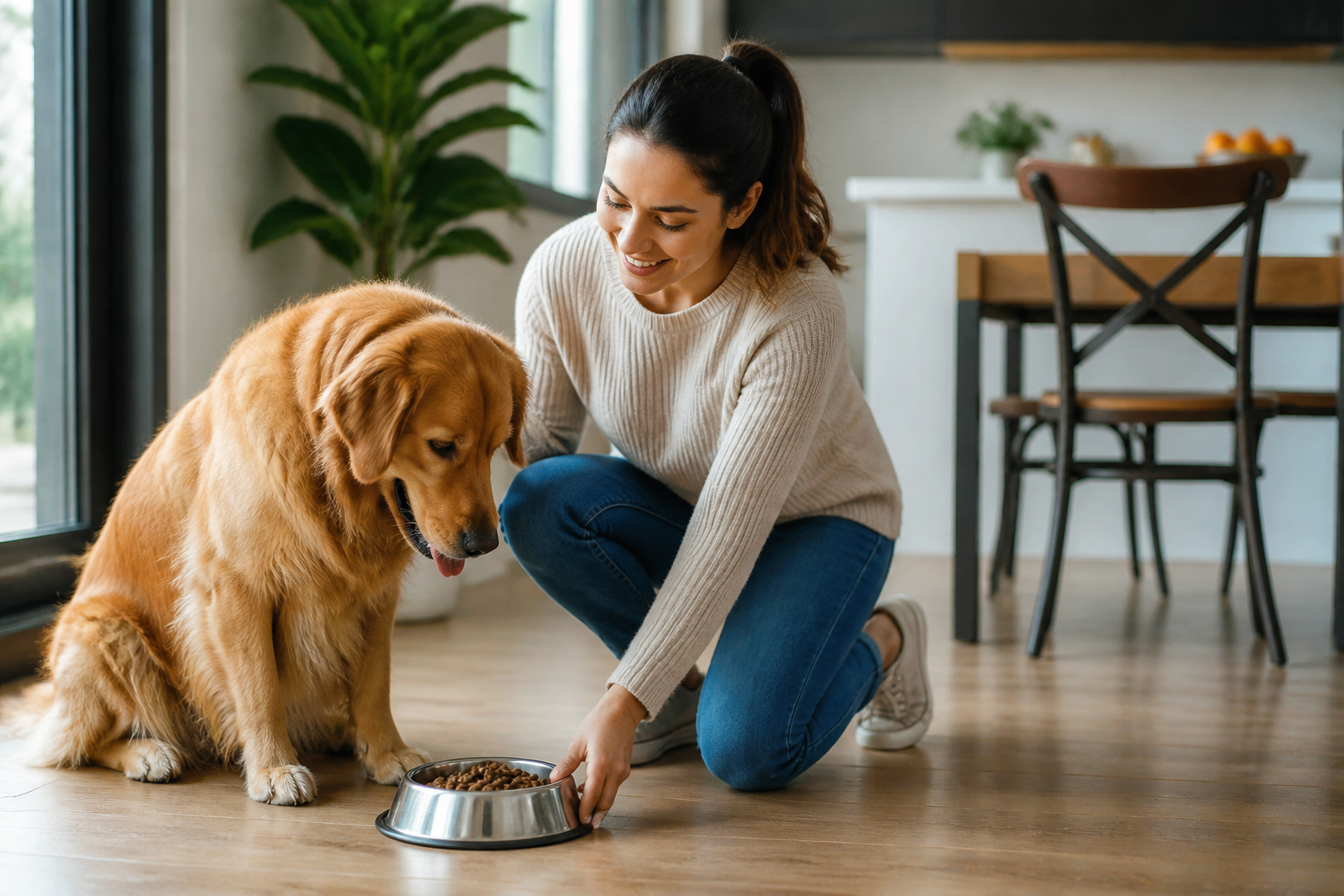
You are likely standing in your kitchen with a scoop in one hand and a hungry dog at your feet. You know that nutrition is the foundation of their health, but the logistics can feel complicated. Is a morning feeding enough? Should you be waiting until after their daily walk to prevent stomach upset? Finding the right rhythm for feeding dry food is one of the most common questions we hear at BaxterBoo. We know that every dog has unique needs based on their age, breed, and activity level. This post covers the ideal timing for meals, how to handle life stage transitions, and how to build a schedule that supports long term wellness. Our goal is to help you move from guesswork to a confident routine that keeps your dog thriving.
The Daily Schedule: Finding the Right Frequency
Most adult dogs do best with two distinct meals per day. This usually means one feeding in the morning and one in the evening. This 12 hour gap helps maintain steady blood sugar levels and prevents the stomach from sitting empty for too long. When a dog goes too long without food, they may develop a buildup of stomach acid. This can lead to the occasional yellow foam vomit known as bilious vomiting.
Splitting the daily calorie count into two portions also helps with digestion. It prevents the digestive system from being overwhelmed by one massive meal. For highly active dogs, this consistent energy supply is crucial for maintaining stamina throughout the day. If you have a dog that works or hunts, you might even consider three smaller meals to keep their glucose levels stable. If you are comparing options for your dog’s daily meals, explore our dog food category.
Consistency is the most important part of any feeding plan. Dogs have internal clocks that thrive on predictability. When you feed at the same time every day, your dog's body begins to prepare for digestion. This routine also makes it easier to spot potential health issues. If a dog that normally bowls you over at 7:00 AM suddenly ignores their food, you will know immediately that something is wrong.
Key Takeaway: Aim for two meals per day spaced roughly 12 hours apart to keep energy levels stable and digestion smooth.
Feeding for Growth: Puppy Meal Timing
Puppies have tiny stomachs but massive energy requirements. Because they are growing at an incredible rate, they cannot take in all the calories they need in just one or two sittings. Most experts recommend feeding puppies three to four times a day. This ensures they have a constant stream of nutrients to support bone development and brain growth. For more guidance on early feeding milestones, read when puppies can eat dry dog food.
The "when" for puppies is often tied to their bathroom schedule. Puppies usually need to go outside within 15 to 30 minutes of eating. By keeping their meals on a strict schedule, you are also making house training much easier. As your puppy reaches six months of age, you can usually transition them down to two meals per day. However, smaller breeds might need to stay on a three meal schedule longer to prevent hypoglycemia.
- 8 weeks to 6 months: Three to four meals per day.
- 6 months to 1 year: Two to three meals per day.
- Over 1 year: Two meals per day.
Timing Meals Around Exercise
One of the most critical "when" questions involves exercise. You should generally avoid feeding your dog dry food immediately before or after vigorous physical activity. This is particularly important for large and deep chested breeds like Great Danes, German Shepherds, or Standard Poodles. These breeds are more prone to Gastric Dilatation-Volvulus, commonly known as bloat.
Bloat occurs when the stomach fills with gas and twists. This is a life threatening emergency. To reduce risk, wait at least 30 to 60 minutes after exercise before feeding. Similarly, wait at least one to two hours after a meal before engaging in heavy running or jumping.
Vet Tip: If your dog is a fast eater, consider using a slow feeder bowl. Rapidly gulping dry food and air can increase the risk of digestive distress and bloat. Consult your veterinarian if you notice your dog frequently panting or pacing after meals.
When to Transition Life Stages
Knowing when to switch from puppy food to adult dry food is a major milestone. Feeding puppy food for too long can lead to excessive weight gain or orthopedic issues. This is because puppy kibble is much higher in calories and specific minerals like calcium. If you are still determining the right growth formula, our all-life-stages dog food selection offers additional options.
The timing of this switch depends on your dog's expected adult size.
- Small breeds (under 20 pounds) often finish growing by 9 to 12 months.
- Medium breeds (20 to 50 pounds) usually transition around 12 months.
- Large and giant breeds (over 50 pounds) may continue growing for 18 to 24 months.
When you make the switch, do it gradually over a week. Start by mixing 25 percent of the new adult food with 75 percent of the puppy food. Every two days, increase the ratio of the new food. This slow transition gives the gut bacteria time to adjust to the new nutrient profile. Brands we carry like NutriSource and Open Farm offer excellent options for every life stage to make these transitions easier.
The Benefits of a Dry Food Diet
Dry food is the most popular choice for US dog owners for several practical reasons. It is easy to store, stays fresh longer than opened canned food, and is generally more cost effective. But the benefits go beyond convenience.
Dental Health
High quality dry food can help support dental health. The mechanical scraping action of the kibble against the teeth can help reduce plaque buildup. Some brands, like Royal Canin or Hill’s, even have specific dental formulas with a kibble shape designed to scrub the tooth surface before it breaks. While it does not replace regular brushing, it is a helpful daily tool.
Nutritional Density
Dry food is highly concentrated. Because most of the moisture has been removed, the nutrient density per cup is very high. This makes it a great choice for dogs with high caloric needs. Brands like Acana and Orijen focus on high protein, meat first recipes that provide significant energy in smaller portions.
Convenience for Training
Dry kibble is often used as a low calorie training treat. If you are working on a new skill, you can take a portion of your dog's daily meal and use it as a reward. This prevents overfeeding and ensures your dog is working for healthy, balanced nutrition rather than just empty treat calories. For another perspective on making mealtimes more appealing, read how to help your dog enjoy dry food.
When to Consider Mixing Wet and Dry Food
Some dogs benefit from a "hybrid" approach. Mixing wet food with dry kibble can be helpful for specific situations. If your dog is a picky eater, a small amount of wet food can provide the aroma and texture they need to get excited about their bowl. Brands like Stella and Chewy's offer freeze dried raw toppers that add a massive boost of flavor without the mess of traditional canned food.
Hydration is another reason to mix. Some dogs do not drink enough water on their own. Adding a splash of warm water or a bit of wet food to their dry kibble increases their moisture intake. This is particularly beneficial for dogs with a history of urinary tract issues or kidney concerns. You can also review how to wet dry dog food for hydration.
Bottom line: Mixing food types is a great way to increase palatability and hydration, provided you adjust the total calorie count to prevent weight gain.
Managing Health Conditions with Feeding Timing
Sometimes the "when" of feeding is dictated by a medical condition. For example, dogs with diabetes require a very strict feeding schedule that coordinates with their insulin injections. Feeding these dogs at the same time every day is not just a good habit. It is a medical necessity.
If your dog is managing a chronic condition like kidney disease, food allergies, or obesity, your veterinarian might recommend a prescription diet. Our pet pharmacy carries prescription pet foods and medications through our pharmacy services. Whether you need a Farmina Vet Life formula for weight management or a specific medication for joint support, having these delivered to your door through our pharmacy simplifies the management of your dog's health.
Vet Tip: Always consult your veterinarian before moving your dog to a prescription diet or changing their feeding schedule to manage a health condition. They can provide a specific plan tailored to your dog's blood work and physical exam findings.
The Pitfalls of Free Feeding
Free feeding is the practice of leaving a bowl of dry food out all day for the dog to graze on. While this is convenient for the owner, it has several drawbacks.
First, it is the leading cause of obesity in household pets. Most dogs will eat simply because the food is there, not because they are hungry. Second, it makes it impossible to monitor your dog's appetite. If your dog stops eating, you might not notice for a day or two. Finally, in multi-pet households, free feeding often leads to one dog becoming overweight while the other is bullied away from the bowl.
Instead of free feeding, try a "timed feeding" approach. Put the bowl down for 15 to 20 minutes. If the dog has not finished, pick it up and wait until the next scheduled meal. This teaches your dog that food is a resource provided by you at specific times, which can also help with overall training and behavior.
| Feeding Method | Pros | Cons |
|---|---|---|
| Scheduled Meals | Easy weight control, appetite monitoring, builds routine | Requires owner to be home at specific times |
| Free Feeding | Maximum convenience for the owner | High risk of obesity, hard to track health changes |
| Timed Feeding | Encourages focused eating, good for picky dogs | Can cause anxiety in food-insecure dogs |
Transitioning to a New Dry Food
There are many times in a dog's life when you might need to change their food. It could be due to a recall, a newly discovered allergy, or simply wanting to move to a higher quality brand like Honest Kitchen or Farmina. The key to a successful transition is patience. For additional guidance, see our guide to switching your dog to a new food.
A rapid switch often causes diarrhea or vomiting. This is because the enzymes in the gut need time to adapt to new protein levels and fiber sources. Follow this schedule for a smooth change:
- Days 1-2: 25% new food, 75% old food.
- Days 3-4: 50% new food, 50% old food.
- Days 5-6: 75% new food, 25% old food.
- Day 7: 100% new food.
If your dog has a particularly sensitive stomach, you can stretch this out over 14 days. If you notice any loose stools, go back to the previous ratio for another two days before trying to increase the new food again.
Using Supplements with Dry Food
When you feed dry food, you have a perfect "vehicle" for supplements. If your senior dog is starting to slow down, you can easily add a joint supplement like Cosequin or Zesty Paws right on top of their kibble. For dogs experiencing cognitive decline, supplements like Senilife can be mixed into their evening meal to help support brain function and sleep patterns. You can browse our dog food supplements for options that fit into a daily routine.
Supplements are most effective when given consistently at the same time each day. Most owners find it easiest to give these with the morning meal so it becomes part of the routine. If the supplement is in powder or liquid form, a quick stir ensures it coats the dry food so your dog gets the full dose.
Final Thoughts on Feeding Routines
Deciding when to feed your dog dry food is about more than just checking a box on your to-do list. It is about creating a predictable, healthy environment where your dog can thrive. By sticking to a twice-daily schedule for adults, managing transitions carefully between life stages, and being mindful of exercise timing, you are proactively protecting your dog's health.
- Establish a consistent 12-hour window for adult meals.
- Adjust frequencies for puppies and seniors as their needs change.
- Avoid feeding immediately before or after heavy activity.
- Monitor your dog's weight and adjust portions, not just timing.
For those looking to stay consistent without the stress of reordering, our Autoship programme is a great solution. You can set your favorite brands on a recurring delivery schedule and save on your orders. It is one less thing to worry about in your busy day, ensuring you never run out of the food your dog relies on. Whether you are browsing our trusted brands or consulting our pharmacy for specialized health needs, we are here to support your pet parenting journey.
FAQ
How long can dry food sit in the bowl?
Dry food can generally stay out for up to 24 hours, but we recommend picking up uneaten food after 20 minutes. After a full day, the fats in the kibble can begin to oxidize and go rancid, which affects the taste and nutritional value. If you notice your dog leaving food behind regularly, you may need to reduce their portion size.
Should I add water to my dog's dry food?
Adding water is not required, but it can be very beneficial for hydration and aroma. For older dogs with dental pain or missing teeth, soaking the kibble for ten minutes makes it much easier to chew. If you add water, make sure your dog eats the meal immediately, as wet kibble can grow bacteria if left out for several hours.
Can I feed my dog dry food once a day?
While some adult dogs can handle one large meal, it is generally not recommended. A single large meal can cause a massive spike and subsequent drop in blood sugar, leading to lethargy. It also increases the risk of bloat in many breeds. Two smaller meals are almost always a safer and more comfortable option for the dog's digestive system.
When should I switch my senior dog to a senior formula?
Most dogs are considered seniors around age seven, though giant breeds may reach this stage at five. You should consider a switch when you notice changes like a duller coat, lower energy, or weight gain. Senior dry foods often have fewer calories but higher levels of fiber and joint-supporting nutrients like glucosamine.






