
 Save 15% on your 1st Autoship learn more

 Email us
 Live Chat
 FAQs
FAQs





Introduction
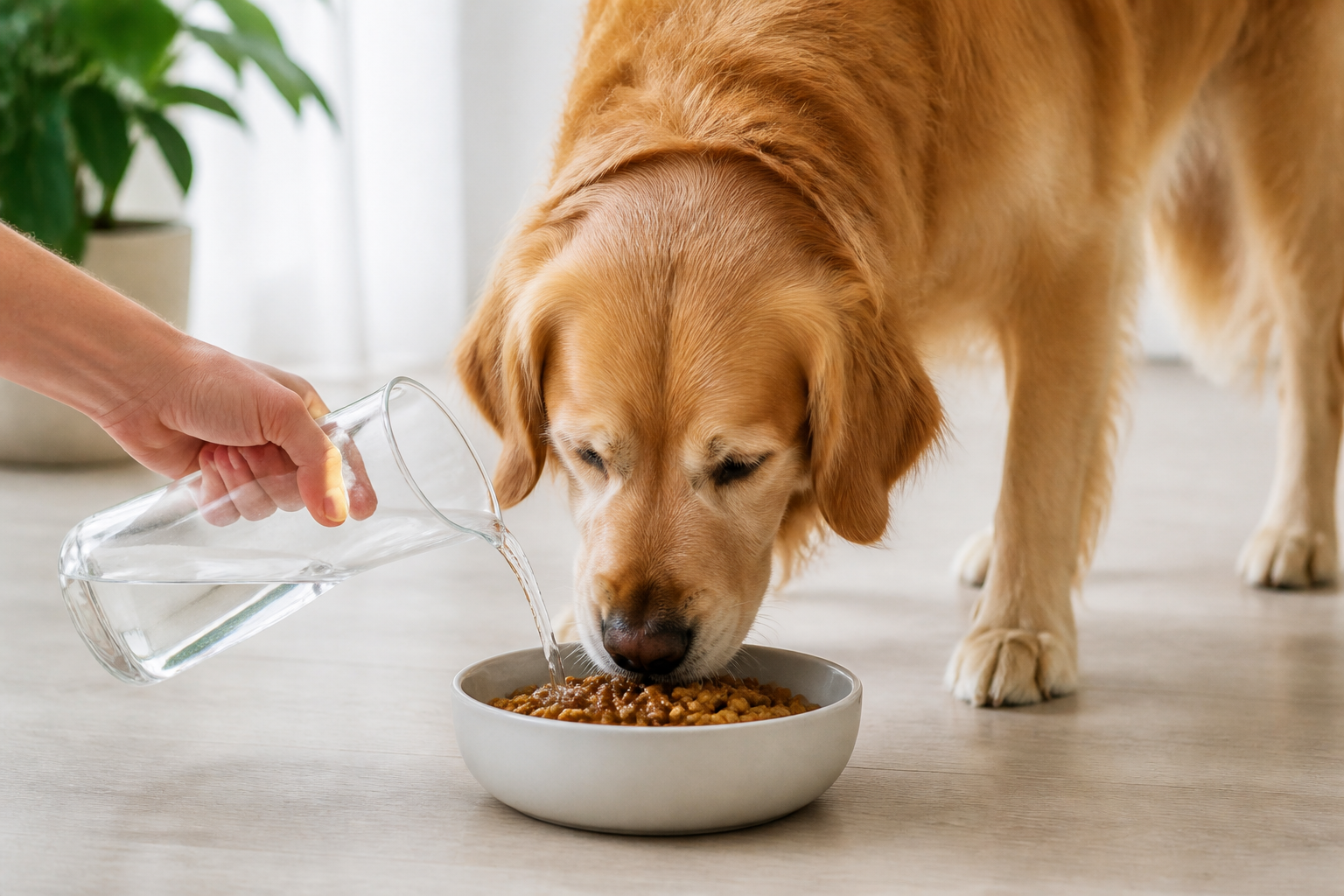
You pour the kibble into the bowl and your dog looks up with that familiar, expectant expression. While dry food is convenient and nutritionally complete, it can sometimes feel a little uninspiring. At BaxterBoo, we hear from many pet parents wondering if they should jazz up their dog's dinner with a splash of water. If you are comparing meal options, our dog food collection is a good place to start. This simple step can actually do a lot more than just change the texture. It can improve hydration, help with digestion, and even make a picky eater more excited about mealtime. This article covers the benefits of adding liquid to kibble, the right way to do it, and when you might want to stick to the crunch. Adding water is an easy way to support your dog’s overall wellness.
The Vital Role of Hydration
Most high quality dry dog foods only contain about 8 to 10 percent moisture. In contrast, a dog's natural diet or a wet food diet usually sits around 70 to 80 percent moisture. This means dogs eating only dry kibble must drink a significant amount of water from their bowl to stay balanced. Many dogs are "lazy drinkers" who do not take in enough fluids throughout the day. By adding water directly to the food, you ensure they get a hydration boost with every single meal.
Proper hydration is not just about thirst. It is the foundation for almost every bodily function. It helps the blood transport nutrients to cells. It allows the body to regulate temperature through panting and paw pads. Most importantly, it helps the kidneys filter out waste. When a dog is chronically slightly dehydrated, it puts extra stress on their internal organs.
Quick Answer: Adding water to dry dog food increases total fluid intake, improves digestion, and enhances the aroma of the meal. It is especially helpful for senior dogs, picky eaters, and those prone to urinary issues.
Improving Digestive Health and Nutrient Absorption
Dry kibble is often made through a process called extrusion. This involves high heat and pressure to create those uniform crunchy shapes. Because the food is so dense and dry, it requires a lot of stomach acid and internal moisture to break down. When a dog eats dry kibble, their body has to pull moisture from other tissues into the digestive tract to process the meal.
If you add water to the bowl beforehand, you are essentially pre-digesting the food. The kibble begins to soften and expand before it even hits the stomach. This makes it much easier for the digestive system to access the vitamins and minerals inside. It can also lead to more consistent, healthy stools. Many owners find that "kibble soup" results in less gas and bloating for their pets. For more on that feeding approach, see our guide to mixing dry dog food with water.
Vet Tip: If your dog has a history of kidney stones or frequent urinary tract infections, extra moisture is essential. Talk to your vet about using our pet pharmacy for prescription urinary diets that work best when hydrated.
Helping the Picky Eater
Dogs navigate the world through their noses. They have up to 300 million olfactory receptors in their snouts. In comparison, humans have about six million. Dry kibble often has a fat coating sprayed on the outside to make it taste better. However, when the food is bone dry, those scents are "locked" inside the pellet.
Adding warm water to the bowl acts as a key. The heat releases the aromas of the fats and proteins. Suddenly, a boring bowl of brown pellets smells like a fresh roast dinner. This is a fantastic trick for older dogs who may be losing their sense of smell. It also helps dogs recovering from illness who need a little extra encouragement to finish their portion. If your dog needs even more variety, our food topper and broths selection is another helpful next step.
Why Scent Matters to Dogs
- Warmth amplifies the volatile organic compounds in the meat proteins.
- Moisture carries the scent molecules further into the air.
- The softened texture mimics the feel of fresh meat.
- A "gravy" consistency provides a more interesting mouthfeel.
Slowing Down Fast Eaters
Some dogs treat mealtime like a race. If your dog gulps down their food in seconds, they are at a higher risk for choking or developing digestive upset. In some cases, rapid eating can contribute to a serious condition called bloat. Adding water to the bowl creates a physical barrier that prevents them from inhaling the food.
They have to lap up the liquid and navigate the softened pieces rather than just vacuuming up dry nuggets. This forced change in pace gives their brain time to register that they are full. It also helps prevent the common "scarf and barf" routine where a dog vomits up whole, undigested kibble immediately after eating. If you want a broader look at this feeding habit, our blog on wetting dry dog food covers the same topic from another angle.
Key Takeaway: Hydrating kibble is a simple way to manage dogs that eat too fast. It turns a ten-second feeding into a three-minute meal, which is much safer for their digestion.
Benefits for Different Life Stages
Puppies and senior dogs often have the most to gain from hydrated food. Puppies going through the teething phase may have very sore gums. Crunching down on hard kibble can be painful for them. Softening the food with warm water allows them to get the nutrition they need without the discomfort. It also helps transition them from a liquid based diet to solid food.
Senior dogs face different challenges. Many older dogs suffer from dental disease, missing teeth, or sensitive gums. They may want to eat but find the physical act of chewing hard kibble too difficult. Additionally, senior dogs are more prone to dehydration as their thirst drive naturally decreases. A moist meal provides a safety net for their hydration levels.
Benefits for Seniors
- Reduces the strain on aging teeth and jaws.
- Helps manage chronic kidney issues through increased fluid intake.
- Makes it easier to hide medications or supplements.
- Enhances flavor for dogs with declining appetites.
How to Safely Hydrate Dry Dog Food
You should not just douse the food in water and walk away. There is a right way to do it to ensure the meal stays safe and tasty. The goal is to reach a consistency your dog enjoys without turning the meal into a soggy mess they won't touch.
Step 1: Measure your dog's standard portion of dry food into a clean bowl. Step 2: Add warm water. A good starting ratio is one part water to two parts kibble. Step 3: Let it sit for about five to ten minutes. This allows the water to penetrate the center of the kibble. Step 4: Check the temperature with your finger. It should be warm, never hot. Step 5: Serve immediately.
Note: Only use filtered or clean tap water. Avoid using boiling water as it can destroy some of the heat-sensitive vitamins and probiotics found in premium dog foods.
The Dental Health Debate
A common myth in the pet world is that dry kibble acts like a toothbrush. The idea is that the hard texture scrapes plaque off the teeth. While some specifically formulated dental diets do have a specialized "matrix" to help with this, standard kibble does not provide much dental benefit. Most dogs shatter the kibble or swallow it whole.
Kibble is also high in carbohydrates. These starches can stick to the teeth and turn into sugar, which actually feeds oral bacteria. Adding water does not make the dental situation worse. In fact, it might help by preventing starchy bits from wedging themselves between the teeth. The best way to manage dental health is through regular brushing and professional cleanings, not relying on the texture of the food. If you want a quick refresher on related feeding habits, our blog about whether to add water to kibble is a useful follow-up read.
Exploring Healthy Liquid Alternatives
While plain water is great, you can add even more nutrition by using other liquids. We carry a variety of toppers at BaxterBoo that can turn a standard meal into a superfood bowl. These options provide extra flavor and specialized health benefits. For dogs who love a richer bowl, you may also want to explore our NutriSource selection and our Open Farm selection.
Bone Broth
Bone broth is packed with collagen, glucosamine, and chondroitin. These are excellent for joint health, especially in large breeds or senior dogs. Ensure you use a broth specifically made for dogs. Human versions often contain onions, garlic, and high levels of sodium which are toxic or harmful to pets.
Goat Milk
Often called "universal milk," goat milk is very easy for dogs to digest. It is loaded with probiotics that support a healthy gut. This is a great choice for dogs with sensitive stomachs or those who need to gain a little weight.
Wet Food Mix-ins
If you want to keep some of the crunch but add moisture, try a "topping" method. Mix a few spoonfuls of high quality canned food with water to create a thick gravy. Pour this over the dry kibble. This gives the dog a variety of textures and a massive flavor boost.
Bottom line: While water is the most cost effective option, bone broth and goat milk offer extra nutrients that support joints and digestion.
Potential Risks and Safety Concerns
The biggest risk of adding water to dry food is spoilage. Once moisture is added to kibble, the "clock" starts ticking. Dry food is shelf stable because it lacks moisture. When you add water, you create a perfect environment for bacteria and mold to grow.
You should never leave moistened kibble out for more than 30 to 40 minutes. If your dog does not finish their meal within that window, you must throw it away. Do not put it in the fridge to save for later, as the texture will become unappealing and the risk of contamination increases. If you prefer a structured feeding routine, our Autoship programme can help keep your dog’s regular food on schedule.
Cleaning the Bowl
Because wet kibble is stickier than dry, it leaves behind a film of starch and protein. This film can quickly become a breeding ground for bacteria. You must wash your dog's bowl with hot, soapy water after every single meal. This is a vital step in preventing digestive upset or infections.
When Not to Add Water
There are very few times when adding water is a bad idea. However, if your dog is on a prescription dental diet, the physical structure of that specific kibble is meant to be chewed dry. Adding water would defeat the purpose of that specialized food.
If you are traveling and cannot easily wash the bowl, dry food might be the safer, more hygienic choice for a day or two. Some dogs also simply prefer the crunch. If your dog is a healthy drinker and refuses to eat "wet" kibble, do not force the issue. As long as they are drinking plenty of water from their bowl, they can stay healthy on a dry diet. For pet parents who like to pair routine purchases with savings, our MVP Rewards programme is worth a look too.
Transitioning to Moistened Food
If your dog has eaten dry kibble their entire life, they might be confused by a bowl of mush. Start slow. Add just a tablespoon or two of water to their next meal. Gradually increase the amount of liquid over a week or two. This gives their palate and their digestive system time to adjust.
Watch for any changes in their bathroom habits. While more frequent urination is normal (and usually a good sign of hydration), their stools should remain firm. If they develop diarrhea, you may be adding too much too fast, or the specific liquid you are using might not agree with them. For another practical feeding read, our blog on hydrating dry dog food for better digestion fits here nicely.
Key Takeaway: Always introduce changes to a dog's diet gradually. Starting with small amounts of water helps prevent digestive upset and allows your dog to get used to the new texture.
Supporting Your Dog's Health with BaxterBoo
At BaxterBoo, we believe that small changes in the kitchen can lead to big improvements in your dog's quality of life. Whether you are dealing with a senior dog’s declining appetite or a puppy’s teething pain, adding water is a tool every pet owner should have. We offer a wide range of products to help you enhance your dog's diet, from premium kibble brands like NutriSource and Open Farm to nutrient dense bone broths. If you are also looking for extra ways to save on repeat purchases, the Frequent Buyer Program can add value over time.
If your dog requires a specific diet for a medical condition, our pharmacy partnership with Pet's Choice provides easy access to FDA-approved prescription foods and medications. These often work best when paired with a proper hydration strategy. We are here to help you navigate these choices so your dog can live a long, happy, and hydrated life.
Conclusion
Adding water to dry dog food is a simple, cost-effective way to boost your pet's wellness. It supports the kidneys, aids in digestion, and makes meals much more appealing to the senses. While it requires a bit more cleanup and attention to spoilage, the benefits for your dog’s internal health are well worth the effort.
- Start with warm, filtered water for the best results.
- Monitor your dog's eating speed and digestion.
- Always wash bowls immediately after feeding.
- Consider healthy toppers like bone broth for added joint support.
For more ways to improve your dog's daily routine, check out our dog food collection and our food toppers and broths for a practical next step.
FAQ
Does adding water to kibble cause bloat?
The relationship between soaked food and bloat (GDV) is a topic of ongoing research. While some older studies suggested a link, many modern experts believe that slowing down a fast eater with water actually reduces the risk. If your dog is a breed prone to bloat, consult your veterinarian for the most current feeding recommendations tailored to their specific risk factors.
Can I add cold water to my dog's food?
Yes, cold water is perfectly safe and still provides the benefits of hydration. However, warm water is generally better for picky eaters because it helps release the fats and aromas in the kibble. If you are using cold water, you may need to let it soak for a few extra minutes to soften the nuggets properly.
How much water should I add per cup of food?
A standard starting point is about one-half cup of water for every one cup of dry kibble. You can adjust this based on your dog’s preference. Some dogs like a "stew" consistency with lots of liquid, while others prefer just enough moisture to soften the outer layer of the kibble.
Can I add water to my dog's food if they have dental disease?
Yes, adding water is actually highly recommended for dogs with dental disease. Softening the food makes it much easier and less painful for them to eat. If your dog is struggling with oral pain, hydrating their kibble ensures they still get their necessary calories and nutrition without having to crunch down on hard surfaces.






