
 Save 15% on your 1st Autoship learn more

 Email us
 Live Chat
 FAQs
FAQs





Introduction
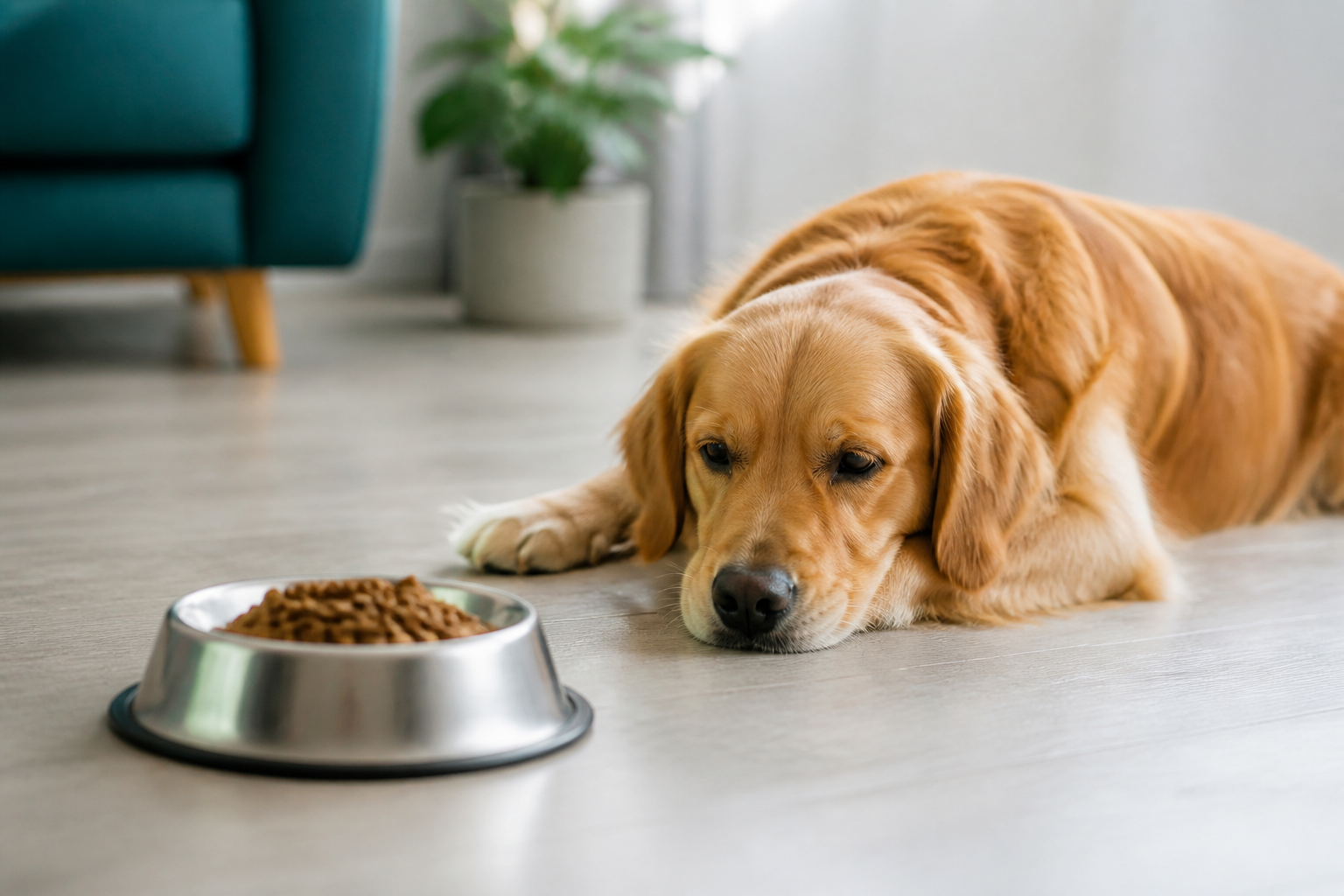
It is a quiet moment in the kitchen when you realize your dog is staring at a full bowl of kibble. You know the food is high quality. You know they should be hungry. Yet they sniff the air, look up at you with a sigh, and walk away. At BaxterBoo, we hear from frustrated pet owners dealing with this exact problem every day. It is worrying to see your best friend reject their nutrition, especially if they used to love their meals. This post explores the common reasons why dogs turn their nose up at dry food and provides practical solutions to fix it. We will cover everything from hidden dental pain to simple boredom. Our goal is to help you understand your pet and get them back to a healthy eating routine.
Quick Answer: A dog may refuse dry food due to dental pain, illness, or food spoilage. In many cases, it is a behavioral preference for tastier options like treats or table scraps. Adding warm water or a healthy topper can often encourage them to eat again.
Checking the Food First
Before assuming your dog is being difficult, you must check the food itself. Dogs have a sense of smell that is significantly more powerful than ours. They can often detect when fats in kibble have gone rancid before we notice a change in odor. Dry dog food typically stays fresh for about two to three weeks once the seal is broken. If you buy giant bags for a small dog, the food may be stale long before the bag is empty. For more storage guidance, read about how long dry dog food stays fresh once opened.
Proper storage is the first step in maintaining palatability. Do not pour the food directly into a plastic bin. Plastic can leach odors into the kibble, and the oils from previous batches can build up on the sides and go rancid. It is better to keep the food in its original bag and place the entire bag inside a sealed container. This keeps the fat from oxidizing and preserves the crunch that many dogs enjoy.
Signs the Food is the Problem
- The expiration date has passed.
- The bag has been open for more than a month.
- The kibble feels unusually oily or has a sour smell.
- The food was stored in a hot or humid area like a garage.
Key Takeaway: Always check the "best by" date and smell the bag. If the food is stale or spoiled, your dog is making a smart health choice by refusing it.
Medical Reasons for Appetite Loss
If your dog suddenly stops eating a food they previously enjoyed, it is often a sign that something is wrong physically. When a dog is in pain or feels nauseous, their appetite is the first thing to go. You should always observe their behavior for other clues. Are they lethargic? Are they drinking more water than usual? A trip to the veterinarian is necessary if the refusal lasts more than 24 hours.
Dental pain is a very common culprit. Imagine trying to eat a bowl of hard pretzels with a broken tooth or an infected gum line. If your dog approaches the bowl but drops the pieces after a single bite, they are likely experiencing oral discomfort. This is common in senior dogs, but it can happen to any pet with tartar buildup or a fractured tooth. Review these warning signs of dental problems in dogs for additional guidance.
Health Issues to Consider
- Gastrointestinal Upset: Nausea from a stomach bug or pancreatitis makes eating unappealing.
- Kidney or Liver Issues: These conditions can cause toxins to build up in the blood, leading to a loss of appetite.
- Sensory Decline: Senior dogs may lose their sense of smell. Since taste is heavily linked to smell, the food may simply seem bland to them.
- Recent Vaccinations: It is common for dogs to be off their food for a day or two after receiving shots.
Vet Tip: If your dog is pawing at their mouth or has foul-smelling breath, they may have a dental infection. Our pet pharmacy offers prescription diets and medications that can help manage chronic health conditions and dental needs.
The Behavioral Side of Picky Eating
Sometimes, we accidentally train our dogs to be picky. This usually happens through the "Treat Trap." If your dog refuses their kibble and you immediately offer them a piece of chicken or a handful of high-value treats, they learn a lesson. They learn that holding out results in a better meal. Over time, they will ignore their dry food entirely because they are waiting for the "good stuff" to appear.
Stress and anxiety can also play a role. Dogs are creatures of habit. A move to a new house, a new baby, or even a change in your work schedule can throw them off. Some dogs are "social eaters" who only feel comfortable eating when their humans are in the room. If you are rushing out the door and expect them to eat while you are gone, they may wait until you return to feel safe enough to focus on their bowl.
Common Behavioral Triggers
- Over-treating: If treats make up more than 10% of their daily calories, they won't be hungry for dinner.
- Table Scraps: Human food is much saltier and more flavorful than kibble, making dry food seem boring by comparison.
- Environment Changes: Construction noise, a new pet, or a loud appliance near the feeding area can cause stress.
Practical Ways to Make Dry Food More Enticing
If your veterinarian has ruled out health problems, you can start experimenting with the presentation of the food. You do not need to switch brands immediately. Sometimes a small change in texture or temperature is all it takes to restart their interest.
One of the easiest methods is adding moisture. Pouring a small amount of warm water over the kibble creates a gravy and releases the meaty aromas. This is especially helpful for senior dogs or puppies who may find hard kibble difficult to chew. Make sure the water is warm, not boiling, to avoid burning their mouth. You can also compare wet and dry dog food options when considering softer meal choices.
Effective Toppers and Mix-ins
- Canned Food: A tablespoon of high-quality wet food mixed thoroughly into the kibble can make a world of difference.
- Bone Broth: Use a dog-safe bone broth without added onions, garlic, or excessive salt.
- Salmon Oil: This adds a strong scent that most dogs love while providing essential omega fatty acids for skin and coat health.
- Plain Yogurt: A dollop of plain, unsweetened yogurt can provide probiotics and a new texture.
Bottom line: Increasing the aroma of the food is the most effective way to tempt a dog's appetite.
Step-by-Step: Transitioning to a New Food
If you decide that your dog truly dislikes their current brand, do not switch them cold turkey. A sudden change in protein source or fiber content can lead to severe diarrhea and gas. This creates a negative association with the new food, potentially making them even more reluctant to eat. Follow this schedule to ensure a smooth transition. When comparing alternatives, browse our dog food category.
Step 1: Start with a small mix.
Mix 25% of the new food with 75% of the old food for the first two days. Watch for any signs of stomach upset.
Step 2: Move to an even split.
If they are doing well, move to a 50/50 mix for days three and four. This gives their digestive enzymes time to adjust to the new ingredients.
Step 3: Increase the new food ratio.
On days five and six, use 75% of the new food and 25% of the old. By this point, their stool should be firm and their appetite should be consistent.
Step 4: Complete the switch.
By day seven, you can move to 100% of the new food. This gradual process prevents the "new food" from causing a tummy ache that might lead to future food refusal.
Managing the Feeding Environment
The where and when of feeding is just as important as the what. Many owners leave food out all day, a practice known as "free feeding." This often backfires with picky eaters. If food is always available, it loses its value. It becomes part of the scenery rather than an exciting event.
Switching to scheduled feedings can help build a healthy appetite. Offer the bowl for exactly 15 minutes. If the dog does not eat, pick the bowl up and do not offer food again until the next scheduled mealtime. Most healthy dogs will not starve themselves. Once they realize that the food is only available for a limited window, they become much more motivated to eat when the bowl hits the floor.
Tips for a Better Mealtime
- Quiet Location: Place the bowl in a low-traffic area where the dog won't be interrupted by children or other pets.
- Clean Bowls: Wash the food bowl daily. Dried saliva and old fats can smell bad and harbor bacteria.
- Exercise First: Take your dog for a brisk walk before mealtime. Physical activity stimulates the metabolism and increases hunger.
- Puzzle Feeders: Some dogs are bored by a standard bowl. Using a toy that dispenses kibble can turn mealtime into a fun game.
The Role of Exercise and Mental Stimulation
A dog that has spent all day sleeping on the couch may not have a high caloric demand. If they are not burning energy, they might not feel the biological urge to eat. This is especially true for working breeds like Border Collies or Labradors. They are hardwired to work for their food.
Try incorporating training sessions before meals. Use their kibble as the reward for performing basic commands like sit, stay, or down. When they "earn" their dinner, it often carries more value to them. At BaxterBoo, we see many owners find success by ditching the bowl entirely and using mealtime as a chance for enrichment. This builds a positive relationship with the dry food. For more ideas, explore dog boredom busters involving puzzles and play.
Key Takeaway: A tired dog is usually a hungry dog. Combine physical exercise with mental challenges to boost their interest in their daily meals.
When to Be Genuinely Concerned
While many cases of food refusal are behavioral, you must know the red flags that indicate a serious medical emergency. An occasional missed meal is usually fine. However, a total refusal of all food and water is a crisis.
If your dog stops eating and also stops drinking, they can become dehydrated very quickly. This is especially dangerous for small breeds and senior dogs. If they are also vomiting, having diarrhea, or acting extremely weak, do not wait. Contact your veterinarian or an emergency clinic immediately.
Watch for These Symptoms:
- Refusing high-value treats and human food.
- Yellowing of the whites of the eyes (jaundice).
- A bloated or hard abdomen.
- Whining or pacing near the food bowl but not eating.
- Rapid weight loss or muscle wasting.
Conclusion
Seeing your dog refuse their dry food can be a stressful experience for any pet owner. Whether the cause is a stale bag of kibble, a hidden toothache, or a clever attempt to hold out for better treats, there is always a solution. Start by ruling out medical issues with your vet. Then, focus on food storage, consistent scheduling, and healthy toppers to make mealtimes more exciting.
We have helped thousands of owners find the right balance for their pets since 2006. Our team at BaxterBoo is here to support you with expertly curated options for even the pickiest dogs. From high-quality toppers to specialized prescription diets through our pharmacy, we have the tools you need to keep your pet healthy.
Bottom line: Consistency and quality are the keys to overcoming picky eating habits.
Check out our food topper collection and wet food mixers to help your dog fall in love with their kibble again. If you are managing a health condition, remember that our pharmacy provides access to medications and prescription diets.
For repeat purchases, our Autoship programme can help keep your dog's food routine consistent.
FAQ
Why did my dog suddenly stop eating dry food after years of enjoying it?
Sudden refusal usually points to a change in the environment, food quality, or health status. Check if the food is stale or if the manufacturer has recently changed the recipe. If the food seems fine, your dog may be experiencing dental pain or an internal health issue that requires a veterinary checkup.
Is it safe to mix human food with my dog's kibble to get them to eat?
You can use small amounts of dog-safe human food like plain boiled chicken, carrots, or unsalted green beans. Avoid using scraps that contain onions, garlic, heavy spices, or high fat levels, as these can lead to digestive upset or pancreatitis. Always make sure these additions do not exceed 10% of their total daily calories.
My dog will eat treats but not their dry food. Does this mean they are sick?
If a dog refuses kibble but eagerly eats treats, they are likely being picky or waiting for a better option. However, it can also mean that hard kibble is painful to chew due to dental issues, while soft treats are easier on their mouth. If the behavior persists, have their teeth and gums checked by a professional.
How long can a dog go without eating their dry food before it becomes dangerous?
Most healthy dogs can go 24 to 48 hours without food without serious harm, provided they are still drinking water. If your dog goes longer than 24 hours without eating anything, or if they are also refusing water, you should contact your veterinarian. Puppies and senior dogs are much more sensitive and should be seen sooner.






