
 Save 15% on your 1st Autoship learn more

 Email us
 Live Chat
 FAQs
FAQs





Introduction
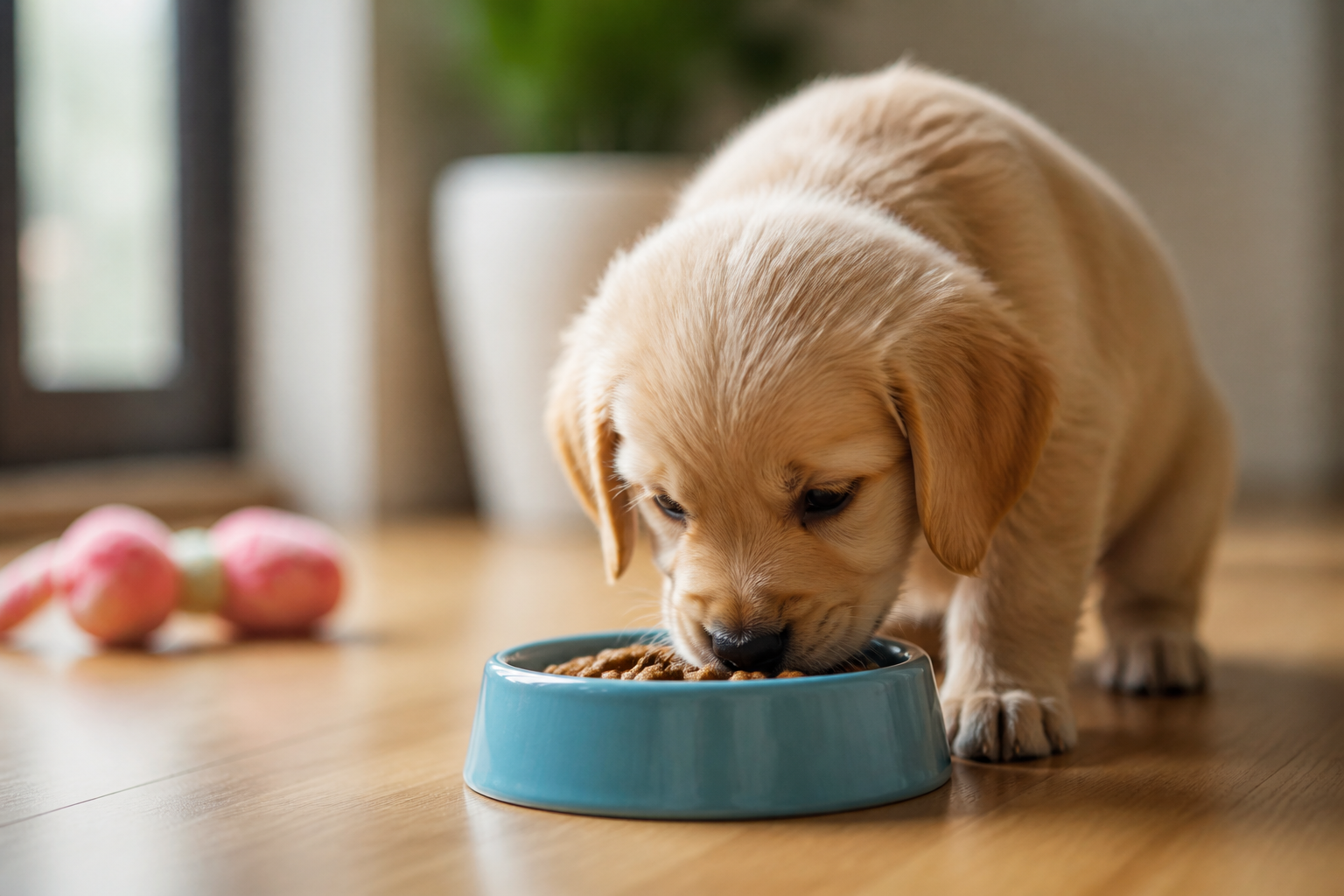
Watching a six week old puppy explore their world is one of the most rewarding parts of being a pet parent. At this age, puppies are a bundle of energy, curiosity, and very sharp little teeth. You might notice them sniffing around their mother’s food bowl or trying to nibble on anything they find on the floor. This is a clear signal that they are ready to move beyond just milk. If you are wondering whether your puppy can handle dry food, the answer is yes, but it comes with some specific rules.
At BaxterBoo, we have helped thousands of pet owners navigate these early developmental milestones. We understand that weaning can feel like a messy and confusing time. This post covers the safe way to introduce kibble, how to prepare a puppy mush, and what nutrients your growing dog needs right now. Our goal is to give you the confidence to manage this transition while ensuring your puppy stays healthy and hydrated.
Quick Answer: A 6 week old puppy can eat dry dog food, but it should be softened into a mush or gruel first. Their digestive systems and teeth are still developing, so they usually cannot handle hard, dry kibble until they are closer to 8 weeks old.
The Milestone of Six Weeks
Six weeks is a bridge between infancy and independence for a puppy. At this stage, they are usually in the middle of the weaning process. This means they are getting less nutrition from their mother’s milk and more from solid food. Their primary teeth, often called needle teeth, are mostly in, which allows them to practice chewing.
However, a six week old puppy still has a very small stomach and a sensitive digestive tract. Their bodies are working overtime to grow bones, muscles, and a healthy immune system. Because of this, the type of food you choose and how you serve it is vital. You cannot simply pour a bowl of hard kibble and expect them to thrive. If you are comparing formulas, browse our puppy food category for growth-focused options.
Why Texture Matters
Hard kibble is quite dense and can be difficult for a tiny puppy to crunch. More importantly, dry food expands when it hits the moisture in the stomach. For a six week old, this can lead to bloating or discomfort if they eat too much too fast. Softening the food mimics the texture of the wet food or milk they are used to, making the transition easier on their belly.
Digestive Readiness
A puppy’s gut microbiome is still forming at six weeks. Sudden changes in diet can cause upset stomachs or diarrhea. By using a high quality puppy formula and softening it with water or a milk replacer, you provide a consistent nutritional profile that their system can recognize and process. For additional guidance, read our puppy weaning timeline guide.
How to Prepare Puppy Mush
Transitioning to dry food is a gradual process. Most breeders and experts recommend creating a mixture often called puppy mush or gruel. This allows the puppy to lap up the food while getting the flavor and nutrients of the kibble.
Step 1: Choose a high quality puppy kibble. / Select a brand like NutriSource or Acana that is specifically formulated for growth.
Step 2: Measure the food and liquid. / Use a ratio of one part dry food to three parts warm water or puppy milk replacer.
Step 3: Let it soak. / Allow the mixture to sit for at least 15 to 20 minutes until the kibble is soft and spongy.
Step 4: Mash it up. / Use a fork or blender to turn the mixture into a smooth, oatmeal like consistency.
Step 5: Check the temperature. / Ensure the mush is lukewarm, not hot, before offering it to the puppy.
Vet Tip: If your puppy seems disinterested in water softened kibble, try using a low sodium goat milk or a specific puppy milk replacer. This adds a familiar scent and flavor that can encourage even the pickiest eaters to start lapping from a bowl. Always consult your veterinarian if a puppy refuses food for more than 12 hours.
For more preparation ideas, see effective ways to make dry dog food soft.
Nutritional Requirements for Growing Puppies
A six week old puppy needs significantly more calories and specific nutrients than an adult dog. They are essentially building a body from scratch. When you look at the labels of the brands we carry, like Orijen, Stella and Chewy's, or Farmina, you will notice higher levels of certain ingredients. Our dry dog food category is a useful starting point when comparing puppy formulas.
Protein and Fats
Protein is the building block of muscle and tissue. At six weeks, puppies need a diet that is rich in high quality animal protein. Fats are equally important as they provide the concentrated energy required for growth and help with brain development. Look for sources like chicken, lamb, or fish.
Calcium and Phosphorus
These minerals are necessary for strong bones and teeth. However, the balance between them must be precise. This is why it is important to use a food labeled specifically for puppies rather than an all life stages or adult formula. Incorrect ratios can lead to joint issues later in life, especially in large breed puppies.
DHA for Brain Development
Docosahexaenoic acid, or DHA, is an omega-3 fatty acid often found in fish oil. It supports healthy brain and vision development. Many premium puppy foods include DHA to help your puppy stay sharp and trainable as they grow.
Key Takeaway: Proper puppy nutrition requires a balance of high protein, healthy fats, and precise minerals. Using a dedicated puppy formula ensures they get these essentials in the correct proportions for their age.
To compare feeding amounts and calorie needs, read how much dry dog food to feed a puppy.
Feeding Schedule and Portions
Because puppies have tiny stomachs, they cannot eat a whole day’s worth of food in one or two sittings. At six weeks, their blood sugar levels can drop quickly if they go too long without eating. A consistent schedule is the best way to keep them healthy and help with future house training.
Frequency of Meals
Most puppies at this age should eat four times a day. Spacing these meals out every four to five hours helps maintain steady energy levels. A typical schedule might be:
- 7:00 AM: Breakfast
- 11:00 AM: Lunch
- 3:00 PM: Mid afternoon snack
- 7:00 PM: Dinner
Portion Sizes
The amount of food will depend on the brand and the expected adult weight of the puppy. Always check the feeding chart on the back of the bag as a starting point. Since you are adding water to the kibble, remember that the volume will look much larger than the dry measurements.
Bottom line: Feeding small, frequent meals prevents digestive upset and keeps energy levels stable throughout the day.
Transitioning to Fully Dry Kibble
The goal is to move from a soupy mush to fully dry kibble by the time the puppy is eight to ten weeks old. This should be done slowly to avoid any setbacks.
Between six and seven weeks, you can start reducing the amount of liquid you add. Instead of a 3:1 ratio, try a 2:1 ratio. The food will be thicker and require a bit more chewing. By seven and a half weeks, you can move to a 1:1 ratio, where the kibble is just slightly moistened on the outside but still firm in the center.
Keep a close eye on your puppy during this time. If they start to develop loose stools, slow down the transition. It is better to take an extra week than to deal with a sick puppy. Our pharmacy offers various support options if your puppy experiences ongoing digestive issues during the weaning process. We provide access to FDA approved medications and prescription diets through our partnership with Pet's Choice, which can be helpful if your vet recommends a specific gastrointestinal formula. For another perspective on the timeline, read when puppies can eat dry dog food.
Common Weaning Challenges
Not every puppy follows the timeline perfectly. You might encounter a few hurdles as you introduce dry food.
- Pickiness: Some puppies are reluctant to try new textures. You can try hand feeding a few pieces of moistened kibble to get them interested.
- The "Mess Factor": Puppies often walk through their food or get it on their ears. Have a damp cloth ready to wipe them down after every meal to prevent skin irritation.
- Dehydration: As they move away from milk, puppies must learn to drink water. Always have a shallow bowl of fresh, clean water available near their food.
If your puppy is struggling to gain weight or seems lethargic, a visit to the vet is necessary. They can rule out parasites or other underlying issues that might be interfering with growth.
Hydration and Water Intake
When puppies are nursing, they get most of their hydration from their mother. As they start eating dry food, even when it is moistened, their need for plain water increases.
Introduce a water bowl at the same time you start the weaning process. Use a heavy, shallow ceramic or stainless steel bowl that is difficult to tip over. Puppies often play in their water before they learn to drink it, so be prepared for some splashing. If you notice your puppy isn't drinking, you can add a tiny bit of bone broth designed for dogs to the water to make it more appealing. You can also review how to get a dog to eat dry food.
Vet Tip: Check your puppy’s hydration by gently pinching the skin on the back of their neck. If it snaps back instantly, they are likely well hydrated. If it stays in a tent shape or moves back slowly, they may need more fluids. Consult your vet if you suspect dehydration.
Choosing the Right Gear
The right tools can make the transition to dry food much easier for you and your puppy. Since they are small and uncoordinated, the bowls you choose matter.
Shallow Bowls
Puppies have short necks and small faces. A deep bowl can be intimidating or difficult for them to reach into. A shallow dish or even a small baking sheet can work well for the first few weeks of weaning. This allows multiple puppies to eat at once without crowding if you have a litter.
Easy to Clean Surfaces
Weaning is a messy business. Placing a silicone mat under the food bowls will catch the spills and make cleanup much faster. Since you are dealing with wet mush, it is important to wash the bowls thoroughly after every single meal to prevent bacteria growth.
Health and Wellness During the Transition
The weaning period is also the time when puppies start their initial round of vaccinations and parasite treatments. Their immune systems are in a state of flux. This makes nutrition even more critical. A well fed puppy is better equipped to handle the stress of vet visits and new environments.
If your puppy requires ongoing health management, our pharmacy can be a helpful resource. Through our partnership with Pet's Choice, we carry a variety of prescription pet foods and medications for chronic conditions or allergies. This is especially useful if your puppy is diagnosed with a sensitive stomach or a specific nutrient deficiency that requires a prescription diet like Farmina Vet Life or Royal Canin.
Bottom line: Support your puppy's transition by keeping their environment clean and their nutrition consistent.
The Role of Rewards and Training
Even at six weeks, you can start using pieces of their dry kibble for very basic training. This helps them associate the food with positive experiences. Since their attention spans are only a few seconds long, keep these sessions very short.
Use a single piece of dry kibble (if they are chewing well) or a very tiny, soft puppy treat to reward them for coming when called or for sitting. This is a great way to bond and start building a foundation of good behavior. Just remember to subtract these treats from their total daily calorie count to avoid overfeeding. When you are ready to compare reward options, browse our dog treats category.
Summary of Weaning Success
Transitioning a six week old puppy to dry food is a major step in their development. It requires patience, the right food, and a bit of kitchen prep. By starting with a soft mush and gradually moving toward dry kibble, you respect their physical limits while supporting their rapid growth.
Key Steps for Success:
- Start with a 3:1 liquid to kibble ratio.
- Use high quality, puppy specific formulas from trusted brands.
- Feed four small meals per day to keep blood sugar stable.
- Monitor digestion and adjust the transition speed as needed.
- Provide constant access to fresh water.
We are here to support you through every stage of your puppy’s life. Whether you are picking out their first bag of NutriSource or setting up an Autoship for their favorite treats, we want to help you make the best choices for your new companion.
Conclusion
Feeding a six week old puppy is about more than just filling a bowl. It is about providing the foundation for a long, healthy life. While they can certainly start eating dry food at this age, taking the time to soften it ensures they get the nutrients they need without the digestive struggle. Keep their schedule consistent and their food high in quality. As they grow into their paws and their adult teeth, you can look forward to the day they are happily crunching away on their favorite dry kibble.
Key Takeaway: Success at six weeks depends on a gradual transition from soft mush to solid kibble, backed by a high calorie puppy formula.
To make sure you never run out of your puppy's essential food during this fast growing phase, consider signing up for our Autoship programme. You will save on your first order and earn MVP Gold membership for continued rewards. This ensures your puppy’s nutrition remains consistent right at your doorstep.
FAQ
Can I feed my 6 week old puppy adult dog food if I soften it?
It is not recommended to feed adult dog food to a 6 week old puppy. Adult formulas lack the high levels of protein, fat, and specific minerals like calcium that puppies need for bone development. Using an adult food can lead to nutritional deficiencies or growth issues during this critical window.
What should I do if my 6 week old puppy has diarrhea after eating dry food?
If your puppy has diarrhea, you should first slow down the transition and add more water back into their food to ensure they stay hydrated. Persistent diarrhea in a puppy can quickly become dangerous, so it is important to contact your veterinarian to rule out parasites or infection. Our pharmacy can also provide prescription gastrointestinal diets if your vet recommends them.
How do I know if the kibble is soft enough for my puppy?
The kibble should have the consistency of thick oatmeal or a soft paste with no hard chunks in the middle. You can test this by pressing a piece of the soaked kibble between your fingers. If it smashes easily without any resistance, it is ready for your puppy to eat.
Can I use cow's milk to soften my puppy's food?
Cow's milk is not ideal for puppies because many are lactose intolerant, which can cause severe stomach upset and diarrhea. It is much safer to use plain warm water or a specifically formulated puppy milk replacer. These options provide the necessary moisture without the risk of digestive distress.






