
 Save 15% on your 1st Autoship learn more

 Email us
 Live Chat
 FAQs
FAQs





Introduction
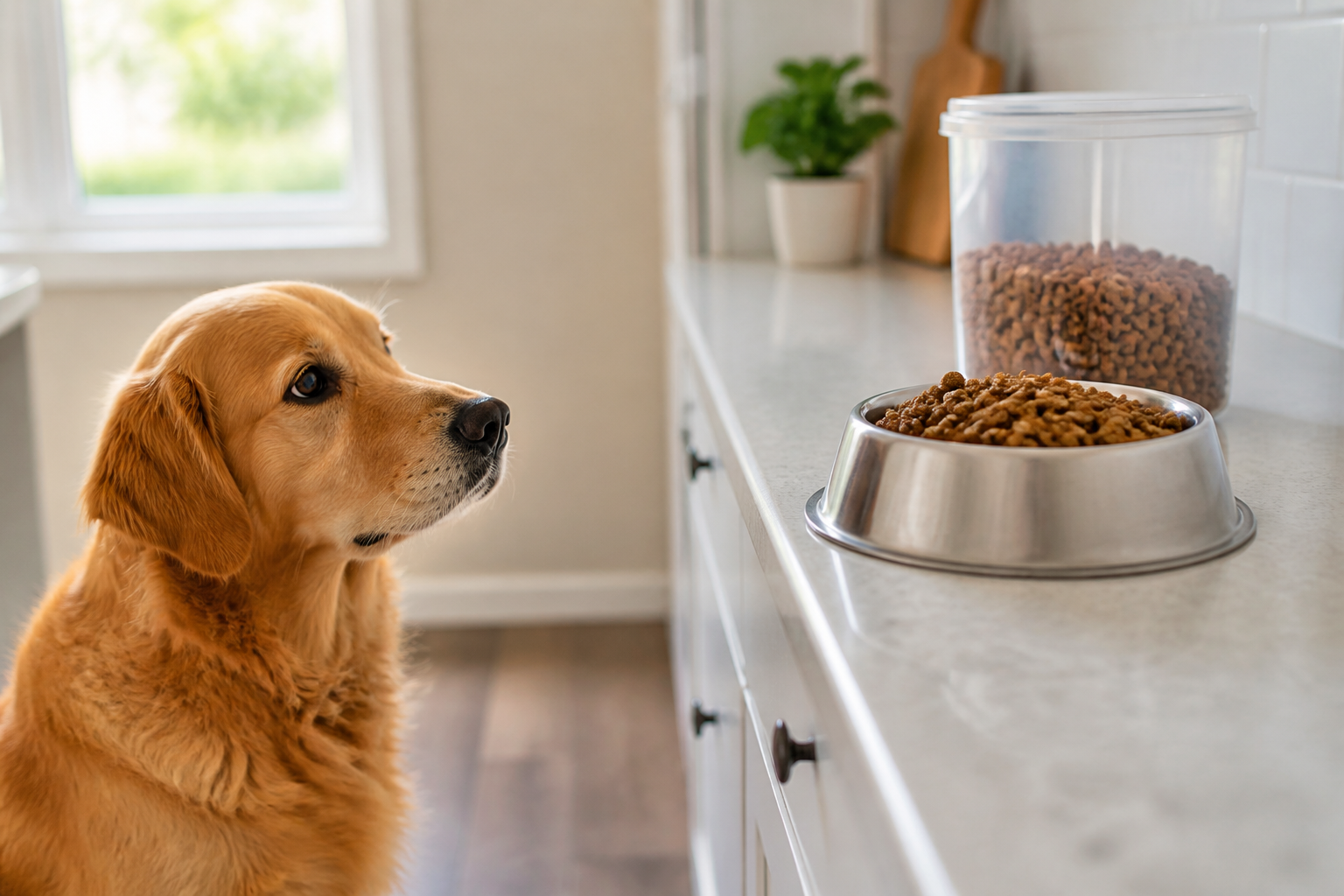
You fill your dog’s bowl in the morning before heading to work, but notice the kibble is still sitting there when you return home. Many pet owners practice free feeding, allowing their dogs to graze throughout the day. While dry food is much more stable than canned options, it does not stay fresh forever once it hits the open air. At BaxterBoo, we want to help you understand the limits of kibble shelf life so your dog stays healthy and enthusiastic about mealtime. This post covers how long dry food can safely stay in the bowl, how to spot spoilage, and the best ways to keep your bulk supply fresh. Proper food management ensures your pet gets the full nutritional value from every bite.
Quick Answer: Dry dog food can generally be left out in a clean bowl for up to 24 hours. After this point, the fats in the food begin to oxidize and turn rancid, which affects the taste and nutritional quality.
The 24 Hour Limit for Dry Food
Most experts agree that 24 hours is the maximum time dry dog food should sit in a bowl. While kibble is processed to be shelf stable, the exposure to oxygen starts a countdown the moment you open the bag. Once the food is in the bowl, this process accelerates. Oxygen reacts with the fats in the food, a process called oxidation. This does not just make the food smell or taste "off" to a discerning dog. It actually breaks down the essential fatty acids and vitamins your dog needs.
If your dog has not finished their meal within a full day, it is time to toss the leftovers. Leaving old kibble at the bottom of the bowl and simply topping it off with fresh food is a common mistake. This allows older, potentially rancid bits to stay at the bottom where they can attract moisture or pests.
Why Air is the Enemy of Kibble
The crunch of a fresh piece of kibble is more than just a texture preference. That crunch indicates that the moisture levels are low and the fats are still intact. When food sits out, it absorbs moisture from the air. In humid environments, this happens even faster. Soft kibble is a sign that the food is stale and may be starting to grow invisible mold or bacteria.
For more guidance on keeping opened food fresh, read our guide to how long dry dog food stays fresh after opening.
How Environment Affects Freshness
Where you place the food bowl matters just as much as how long the food sits there. If the bowl is in a sunny spot near a window, the heat will cause the fats in the food to spoil much faster. Heat is a catalyst for chemical reactions, meaning a bowl in a 75 degree room will go bad faster than a bowl in a 65 degree room.
Humidity is another major factor. In a damp basement or a kitchen with a lot of steam from cooking, dry food can become a breeding ground for storage mites or microscopic mold. These are not always visible to the naked eye, but they can cause significant digestive upset or allergic reactions in sensitive dogs.
For additional storage ideas, see our tips for keeping dog food dry and fresh.
Key Takeaway: Environmental factors like direct sunlight, high temperatures, and humidity can cut the 24 hour safety window in half.
Identifying Spoiled or Stale Dog Food
Dogs have a sense of smell that is significantly more powerful than ours. Often, a dog will stop eating their food because they can smell the chemical changes of rancid fats before we can see any physical signs of spoilage. If your dog is usually a good eater but suddenly turns their nose up at the bowl, check the food.
Signs to Watch For
- The Smell Test: Fresh kibble has a mild, grainy, or meaty scent. Spoiled food often smells sour, paint-like, or chemical.
- Physical Texture: Press a piece of kibble between your fingers. It should be hard and dry. If it feels oily, soft, or crumbles easily, it has likely gone stale.
- Visible Mold: While rare in dry food, any white, green, or black fuzzy spots mean the entire batch must be thrown away.
- Pests: Look closely for small "dust" moving around the food, which could be storage mites, or for larger pests like ants or weevils.
Our article on signs that dry dog food has gone bad offers more ways to inspect old kibble.
The Risks of Eating Spoiled Food
Feeding your dog food that has been left out too long is not just about a bad taste. It can lead to real health concerns. Rancid fats can cause gastrointestinal distress, including vomiting and diarrhea. In more severe cases, food left in a moist environment can develop mycotoxins, which are toxic compounds produced by certain molds.
If your dog accidentally eats old food and shows signs of lethargy, persistent vomiting, or a sudden loss of appetite, contact your veterinarian immediately. For dogs with chronic digestive issues or those who need specialized nutrition, our pet pharmacy offers prescription diets through our partnership with Pet's Choice. These diets are specifically formulated for health management and require a veterinarian's oversight.
Vet Tip: If your dog has a sensitive stomach, avoid free feeding. Offer smaller, measured meals and pick up the bowl after 20 minutes to ensure they always eat fresh food and to help you monitor their appetite.
Proper Storage for the Main Supply
How you store the large bag of food in your pantry directly impacts how long the individual servings will last in the bowl. Many pet owners make the mistake of pouring the kibble directly into a plastic storage bin. This is actually counterproductive for two reasons.
First, the plastic can leach chemicals into the food over time. Second, the fats and oils from the kibble soak into the walls of the plastic bin. These oils go rancid and contaminate the next bag of food you pour in, even if the new food is fresh.
The Best Way to Store Kibble
Step 1: Keep the food in its original bag. Manufacturers spend a lot of money designing bags that act as a barrier against oxygen and moisture. Step 2: Roll the top of the bag down tightly and use a heavy duty clip to seal it. Step 3: Place the entire bag inside a secondary airtight container. This provides a double layer of protection against air and pests. Step 4: Store the container in a cool, dry place off the floor. A pantry or a climate controlled closet is ideal.
For more food options to compare, browse our adult dog food category.
Bottom line: The original packaging is the best defense against spoilage, especially when placed inside an airtight bin.
Cleaning the Bowl
If you leave dry food out, the bowl itself becomes a factor in freshness. Even if the food looks dry, it leaves behind a thin layer of fats and crumbs. Over several days, these residues can become rancid and harbor bacteria like Salmonella or Listeria.
It is important to wash your dog's food bowl with hot, soapy water every single day. If you practice free feeding, do not just add more food to the existing crumbs. Empty the bowl, wash it, dry it completely, and then add the fresh serving. Using stainless steel or ceramic bowls is often better than plastic, as plastic can develop tiny scratches that trap bacteria.
Choosing the Right Bag Size
At our warehouse, we see many owners buying the largest bag available to save money. However, if you have a small dog, that 40 pound bag might sit open for months. Once a bag of dry food is opened, it should ideally be consumed within six to eight weeks. After that point, even with perfect storage, the nutritional value begins to decline significantly.
Consider your dog's daily intake before buying in bulk. It is often better to buy smaller bags more frequently to ensure every meal is as fresh as possible. Our Autoship programme is a great way to manage this. You can set up recurring deliveries for smaller bags so you never run out, and you get the added benefit of MVP Gold membership.
For help with portion planning, read our guide to how much dry food to feed a dog.
Shopping for Freshness
- Check the "Best By" date on the bottom or back of the bag before purchasing.
- Look for bags that are free of tears or grease stains on the outside.
- Avoid buying bags that feel "puffy" with air, as the seal may have been compromised.
- Store food at home at temperatures below 80 degrees Fahrenheit.
When to Consult a Professional
Sometimes a dog refuses food not because it is stale, but because of an underlying health issue. If you have verified that the food is fresh and stored correctly, but your pet still won't eat, it may be time for a checkup. Dental pain, kidney issues, or simple seasonal allergies can all affect a dog's interest in food.
We carry a variety of supplements and wellness products in our dog healthcare category to support your dog's overall health. If your vet recommends a specific supplement for skin or joint health, you can find trusted brands like Cosequin or Zesty Paws in our collection. For more serious conditions that require medication, our pharmacy can fulfill your prescriptions efficiently.
If your dog is selective about meals, our guide to dry food for picky eaters offers additional mealtime strategies.
Practical Tips for Busy Owners
If you are worried about food sitting out while you are at work, there are several ways to manage mealtime more effectively. You do not have to rely on a bowl sitting out for 10 hours.
- Use a Timed Feeder: These devices keep the food sealed and only release the portion at a specific time, reducing the duration of air exposure.
- Split the Meals: Instead of one large portion in the morning, give a small meal before you leave and another when you return.
- Monitor the Bowl: If your dog regularly leaves food behind, you may be overfeeding. Check the feeding guidelines on the bag or talk to your vet about the appropriate portion size.
- Transition Carefully: When starting a new bag, observe your dog's reaction. If they loved the last bag but reject the new one, check for a recall or signs of a bad batch.
Key Takeaway: Managing meal portions and using timed feeders can help ensure your dog only eats fresh, nutrient-dense kibble.
Summary of Safe Practices
Maintaining the quality of your dog's dry food requires a mix of good storage habits and daily hygiene. While kibble is designed for convenience, it is still a biological product that can spoil and lose its value. By keeping air, heat, and moisture away from the food, you protect your dog from illness and ensure they get the most out of their diet.
- Limit bowl time to 24 hours.
- Wash bowls daily with hot water and soap.
- Keep kibble in the original bag inside an airtight bin.
- Buy bag sizes that will be finished within two months.
- Consult your vet if your dog suddenly stops eating or shows signs of digestive upset.
We are proud to offer over 500 brands, including premium options like Open Farm, Stella and Chewy's, and Farmina, which use high quality ingredients that deserve proper care. Whether you visit our warehouse in Vernon Hills or order online, our goal is to provide the gear and guidance you need for a happy, healthy pet.
FAQ
Can I pour my dog's food into a large plastic bin?
It is better to keep the food in its original bag and then place that bag inside the bin. Plastic can absorb oils from the kibble, which then turn rancid and can contaminate future batches of food. Keeping the bag also ensures you have the lot number and expiration date in case of a product recall.
Is it safe to leave dry dog food out overnight?
Yes, it is generally safe to leave dry food out overnight as long as the environment is cool and dry. However, the total time the food sits in the bowl should not exceed 24 hours. If your dog has not finished the food by the next morning, you should discard the old kibble and wash the bowl before refilling.
How do I know if my dog's dry food has gone bad?
The most common signs of bad dry food are a sour or chemical smell, a soft or crumbly texture, and visible mold. You should also watch your dog's behavior. If they suddenly refuse to eat or if they experience vomiting or diarrhea after a meal, the food may be spoiled.
Does humidity affect how long I can leave food out?
Humidity significantly speeds up the spoilage process by introducing moisture to the dry kibble. This can lead to the growth of mold and bacteria much faster than in a dry environment. In humid climates, it is best to only leave food out for a few hours rather than the full 24 hour limit.






