
 Save 15% on your 1st Autoship learn more

 Email us
 Live Chat
 FAQs
FAQs





Introduction
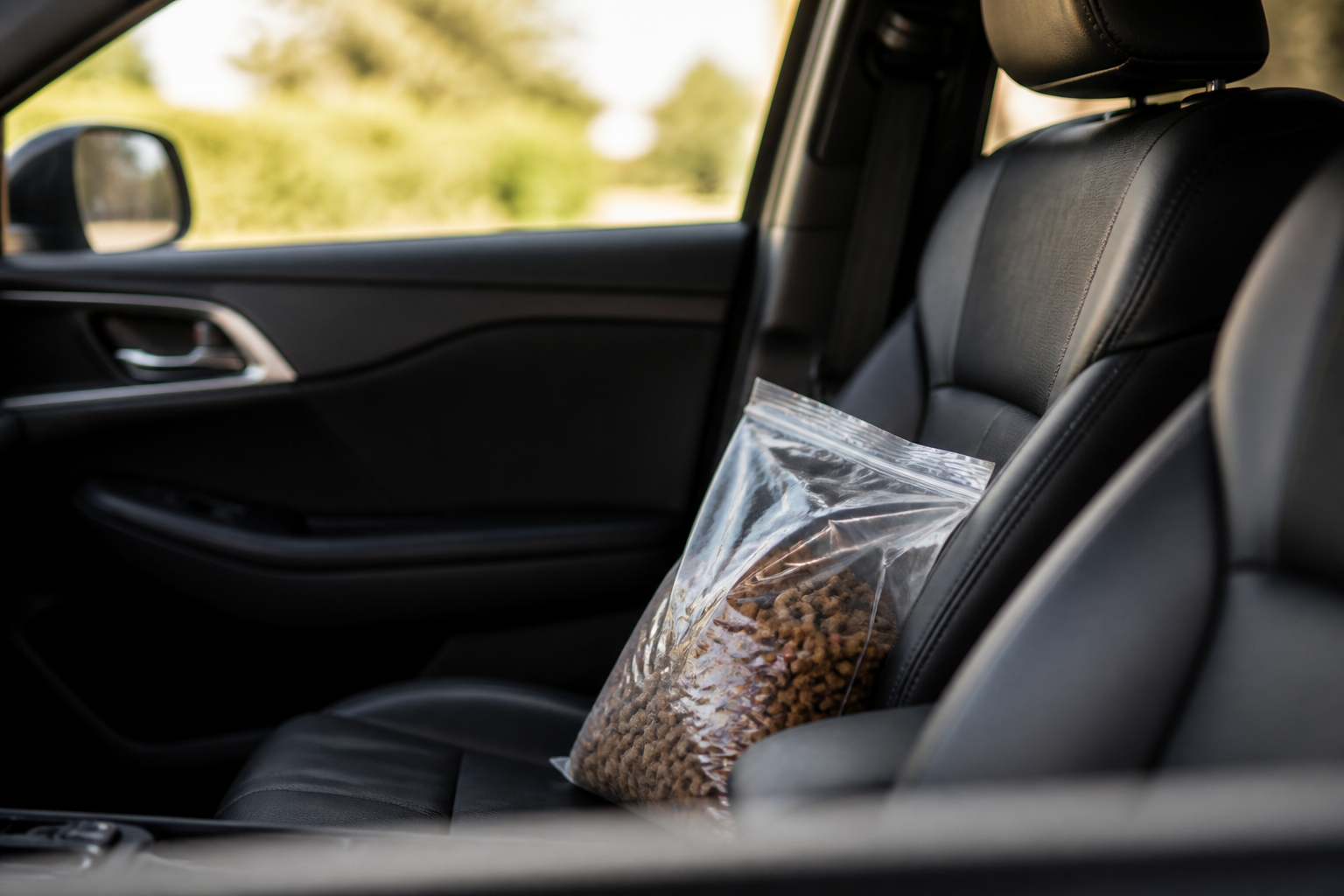
It is a common scenario during a busy weekend. You stop at the local pet store to grab a fresh bag of kibble before running to the grocery store or a quick lunch. The sun is out, and your car is parked in a bright lot. By the time you get home, the interior of your vehicle feels like a sauna. You haul the bag inside, but you might wonder if that food is still safe for your dog to eat. At BaxterBoo, we know that your dog's nutrition is the foundation of their health. Dry dog food might seem indestructible, but it is actually quite sensitive to environmental changes. Leaving kibble in a hot car can trigger chemical reactions that compromise both nutrition and safety. This post covers the risks of heat exposure and how to keep your pet's meals fresh. If you are shopping for a new bag, start with our dry dog food category.
Quick Answer: You should not leave dry dog food in a hot car for more than 30 to 60 minutes. High temperatures accelerate the oxidation of fats. This leads to rancidity and the loss of essential vitamins and minerals your dog needs.
The Greenhouse Effect in Your Vehicle
Most people underestimate how quickly a car transforms into an oven. Even on a relatively mild day with temperatures around 70 degrees, the interior of a car can reach over 100 degrees in less than half an hour. When the outside temperature hits 80 or 90 degrees, the inside of your trunk or cabin can soar to 140 degrees or higher.
Heat is a catalyst for chemical change. Dry dog food is a processed product designed to be shelf stable at room temperature. Most manufacturers recommend storing food in a cool, dry place. This usually means keeping it below 75 degrees. When you exceed this temperature by 40 or 50 degrees, the structural integrity of the food begins to fail.
Sunlight adds an extra layer of risk. If the bag sits in the backseat rather than the trunk, direct UV rays can penetrate the packaging. Many dog food bags are lined with foil or plastic to prevent this. However, clear plastic containers or damaged bags offer no protection. Sunlight combined with heat creates a double hit to the nutritional profile of the food.
The Chemistry of Kibble Spoilage
To understand why heat is so damaging, we have to look at what is actually inside those crunchy nuggets. Dry dog food is a complex mixture of proteins, carbohydrates, and fats. These ingredients do not all react to heat in the same way.
Fat Oxidation and Rancidity
Fats are the most sensitive component of dog food. High quality kibbles often use animal fats or fish oils to provide essential fatty acids. These are known as Omega-3 and Omega-6. These fats are highly prone to oxidation. Oxidation occurs when oxygen reacts with the fat molecules.
Heat significantly speeds up this process. When fats oxidize, they become rancid. Rancid fat does more than just smell bad. It can produce toxic compounds. These may lead to long term health issues or immediate digestive upset for your dog. If your dog has a sensitive stomach, they may react even more quickly to these changes.
Nutrient Degradation
Many of the vitamins and minerals in dog food are heat-sensitive. This means they break down and lose their potency when exposed to high temperatures. Vitamin A, Vitamin E, and the B-vitamin complex are particularly vulnerable. If a bag of food sits in a hot car for a few hours, it may still look the same. However, the nutritional value is no longer what is stated on the label. Over time, feeding heat-damaged food can lead to subtle nutritional deficiencies. These affect your dog's coat, energy levels, and immune system.
Natural vs. Synthetic Preservatives
Commercial dog foods use either natural preservatives or synthetic ones to keep the food fresh. Natural preservatives like tocopherols are common in the premium brands we carry. These include brands like our selection of Orijen products, our selection of NutriSource products, and our selection of Stella & Chewy's products. These preservatives have a workload limit. Extreme heat forces them to work overtime to fight oxidation. Once the preservatives are exhausted, the food begins to spoil at an exponential rate.
Key Takeaway: Heat does not just make food old faster. It changes the chemical composition of fats and destroys essential vitamins. This makes the food potentially toxic or nutritionally empty.
The Hidden Danger of Mold and Bacteria
Dry dog food is not actually dry in a total sense. It usually contains about 10 percent moisture. When a bag of food is trapped in a hot car, that moisture can begin to move. This is a process called moisture migration.
As the air inside the bag heats up, any residual moisture turns into vapor. When the car eventually cools down, that vapor can condense on the surface of the kibble. It can also collect on the inside of the bag. This creates localized hot spots of moisture. Mold thrives in warm, damp environments. Even if you cannot see fuzzy green growth, toxins can begin to develop. These are known as mycotoxins.
Mycotoxins are toxic compounds produced by fungi that can cause severe illness in dogs. Common symptoms of mycotoxin poisoning include:
- Vomiting and tremors
- Loss of appetite
- Lethargy
- Staggering or lack of coordination
Bacteria such as Salmonella also benefit from warm environments. While most kibble is cooked at high enough temperatures to kill bacteria during production, the food can be contaminated during handling. A hot car provides the perfect incubation temperature for any stray bacteria to multiply rapidly. If you want a deeper dive into spoilage signs, see our blog post on whether dry dog food goes bad.
How to Tell if Your Dog Food Has Gone Bad
Sometimes we forget a bag in the trunk overnight. Before you pour that kibble into your dog's bowl, you need to perform a thorough inspection. Dogs have a sense of smell that is significantly more powerful than ours. However, they will not always refuse food that is bad for them. This is especially true if they are highly food motivated.
The Sniff Test
Open the bag and take a deep breath. Fresh kibble usually has a nutty, meaty, or grain-like scent. If you detect a sour, metallic, or paint-like odor, the fats have likely gone rancid. Some people describe the smell of rancid dog food as similar to old wet cardboard.
The Texture Check
Reach in and feel the kibble. It should be dry and slightly oily to the touch. It should not feel sweaty. If the kibble feels damp, sticky, or unusually greasy, it has likely been compromised by heat. This is a sign that the fats have migrated to the surface or moisture has condensed inside the bag.
Visual Inspection
Look for signs of condensation inside the bag. Check the corners and the bottom for any clumps of kibble sticking together. Clumping is a classic sign of moisture infiltration. This almost always leads to mold growth. You should also check for any signs of insect activity, as pests are attracted to the smell of degrading food.
Your Dog’s Reaction
Pay close attention to how your dog approaches the bowl. If your usually enthusiastic eater suddenly sniffs the food and walks away, trust their nose. They may smell the early stages of rancidity or mold that your human nose missed. If that happens often, our blog post on getting dogs to eat dry food is a helpful next step.
Vet Tip: If your dog accidentally consumes spoiled food and begins vomiting or acting lethargic, contact your veterinarian immediately. For dogs on prescription diets from our pharmacy, maintaining food integrity is even more critical. Our partnership with Pet's Choice ensures you have access to the right medical food, but it must be stored correctly to be effective.
Practical Steps for Safe Transportation
Life happens, and sometimes you have to transport food during a heatwave. To keep the kibble safe, follow these practical steps.
Step 1: Make the pet store your last stop.
Never start your errands by picking up dog food. Arrange your schedule so you head straight home after buying kibble. This minimizes the time the bag spends in the car.
Step 2: Use the cabin, not the trunk.
The trunk of a car lacks airflow. It acts like an insulated box that traps heat. If you must transport food in a warm car, place the bag on the floor of the backseat. Run the air conditioning to keep the environment cool.
Step 3: Use an insulated cover.
If you have a long drive ahead, consider wrapping the bag in a moving blanket or a thermal reflective sheet. This provides a temporary buffer against the rising temperature of the car's interior.
Step 4: Buy smaller bags in summer.
If you know you have a busy schedule, consider buying smaller bags during the hottest months. This ensures the food is consumed faster. It gives less time for any heat-triggered oxidation to ruin the entire supply. For budget-minded shoppers, our blog post on discounted dog food offers a useful next stop.
Long Term Storage Best Practices
Once you have successfully brought the food home, the focus shifts to storage. Maintaining that freshness is a daily task. Many owners make the mistake of dumping kibble into a large plastic bin. This can be problematic.
Residual fats from the previous bag can stick to the plastic. These fats go rancid and contaminate the new batch. Plastic is also porous. This means it can trap odors and bacteria over time. The best way to store dog food is to keep it in the original bag. Then, place the entire bag inside an airtight container. This provides two layers of protection against oxygen and moisture.
The location of the container also matters. A garage or a laundry room may seem convenient. However, these areas often experience high humidity and temperature swings. A pantry or a kitchen closet is usually the best choice. If you want more storage guidance, our blog post on how long dry dog food lasts is a practical companion read.
The Impact on Health and Prescription Diets
For many dogs, food is more than just calories. It is a part of their medical management. We carry over 500 brands, including specialized lines like Farmina Vet Life and Royal Canin. These diets are formulated to manage specific conditions like kidney disease, urinary stones, or obesity.
When these specialized diets are exposed to extreme heat, the medical efficacy can decrease. For example, a diet designed for skin allergies relies on intact fatty acids to support the skin barrier. If those fats oxidize in a hot car, the food may no longer help your dog's itching.
Our pharmacy provides FDA-approved medications and prescription diets through our partnership with Pet's Choice. If your dog is on a strict medical regimen, the quality of their food is a vital part of their treatment plan. Spoiled food can cause digestive inflammation. This can mask or worsen the symptoms of the condition you are trying to treat. For more on health-focused nutrition, our blog post on how much dry food to feed a dog is a useful follow-up.
Bottom line: If you suspect a bag of prescription food has been heat-damaged, do not risk it. Consult your vet and replace the bag to ensure your dog's health plan stays on track.
Maximizing Value and Freshness
We want you to get the most out of every purchase at BaxterBoo. Since 2006, we have focused on providing value without compromising quality. When you buy premium brands like NutriSource or Wellness, you are investing in high-quality ingredients. Protecting that investment from heat damage ensures your dog gets the full nutritional benefit of the food.
Consider our Autoship programme for your food deliveries. This allows you to receive smaller, fresher bags more frequently. It also saves you from having to lug heavy bags in and out of a hot car during the summer months. Combined with the MVP Rewards programme, you can earn points on every bag while ensuring your dog always has a fresh supply.
- Always check the best by date on the bag.
- Keep the original packaging for lot numbers and expiration dates.
- Wash storage containers between every new bag of food.
- Monitor your dog's stool; changes can indicate food spoilage.
Protecting Your Pet’s Nutrition
Managing your dog's food storage is a simple but vital part of being a pet owner. A few minutes of heat can undo the benefits of a high-quality diet. By keeping kibble out of hot cars and storing it in a cool, dry place, you protect your dog from digestive upset and nutritional gaps.
If you are ever unsure about the safety of a bag of food, it is better to err on the side of caution. Your dog relies on you to provide safe, nutritious meals every day. We are here to help you find the best brands and the right health supplies to keep them thriving. If you want to keep exploring the topic, our blog post on peak freshness is a good final stop.
Key Takeaway: Temperature control is the most important factor in preventing kibble from going rancid. Keep it cool, keep it dry, and keep it in the original bag for the best results.
For dogs with ongoing health needs, remember that our pharmacy is a resource for prescription diets and medications. Whether you are managing allergies or senior joint care, keeping those products at the right temperature is key to their success. You can explore our Medical and Mobility section for more tools to support your dog’s wellness.
FAQ
Can I leave an unopened bag of dog food in a hot car?
An unopened bag provides no protection against heat. Heat is energy that moves through packaging easily, and while the seal prevents outside moisture from entering, the internal fats and vitamins will still degrade. Even a vacuum-sealed bag can experience fat oxidation if the temperature inside the car rises above 100 degrees.
How long does it take for dog food to go bad in a car?
On a day where it is 80 degrees or hotter, dog food can begin to degrade in as little as 30 to 60 minutes. If the car interior reaches 120 degrees or more, the chemical breakdown of fats happens rapidly. You should aim to get the food into a climate-controlled environment as quickly as possible.
What happens if my dog eats food that sat in a hot car?
Short term exposure might only cause mild digestive upset, such as vomiting or diarrhea. However, if the food has developed mold or significant rancidity, it could lead to more serious issues like mycotoxin poisoning. Always monitor your dog closely and contact a vet if they show signs of illness after eating.
Is it safe to store dog food in the garage during summer?
Storing dog food in a garage is generally not recommended during the summer. Garages are often not climate-controlled and can become much hotter than the rest of the house. The high heat and humidity in a garage can lead to rapid spoilage, mold growth, and attract pests like ants or storage mites.






