
 Save 15% on your 1st Autoship learn more

 Email us
 Live Chat
 FAQs
FAQs





Introduction
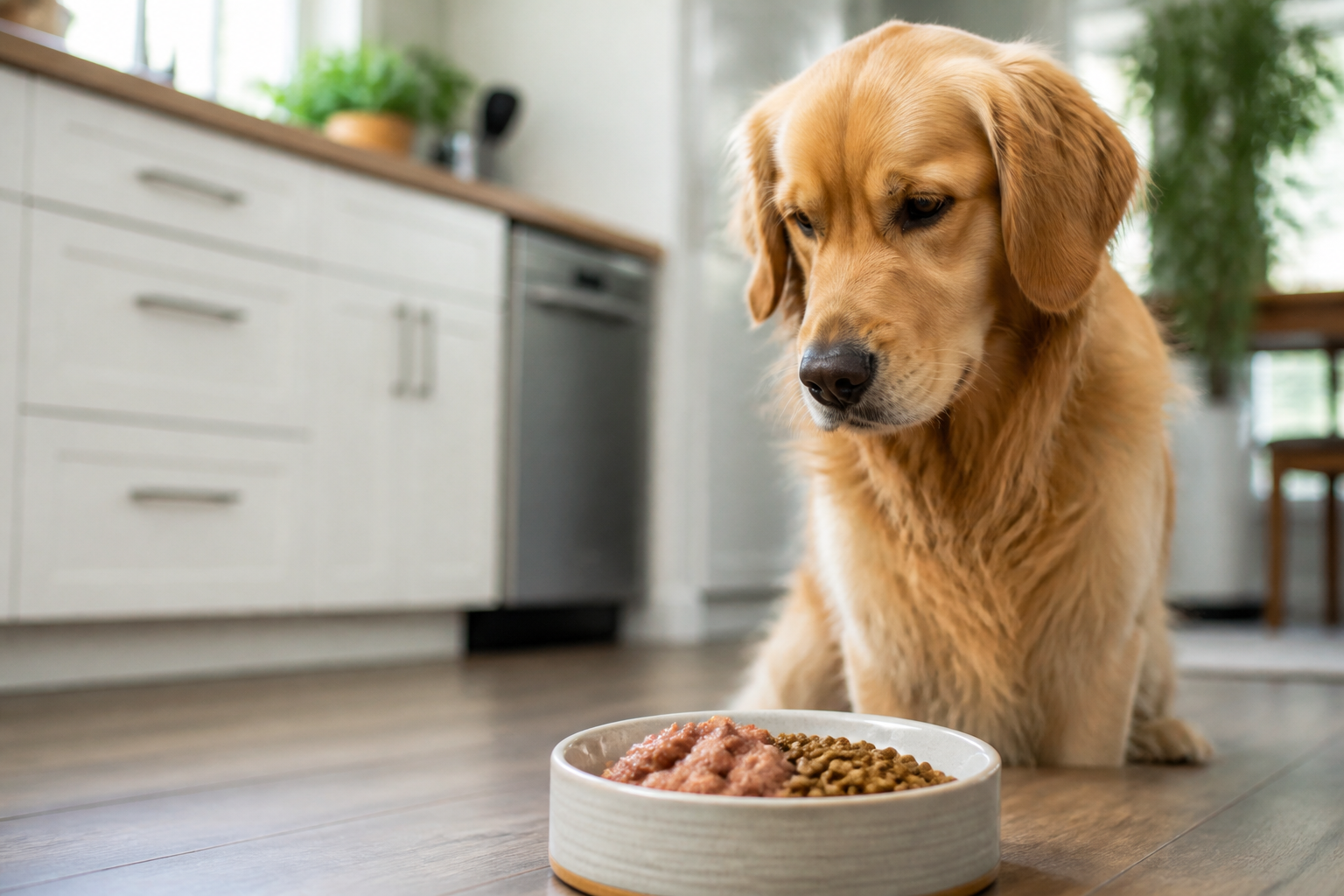
You are standing in the kitchen with a bag of kibble in one hand and a savory can of beef stew in the other. Your dog is sitting at your feet with their tail thumping against the floor in anticipation. You might wonder if combining these two textures is a good idea or if it might cause an upset stomach. At BaxterBoo, we talk to pet parents every day who want to make mealtime more exciting without compromising nutrition. This post explains exactly how to mix wet and dry food to keep your dog healthy and hydrated. We will cover the benefits of a mixed diet, how to calculate calories, and how to handle storage. Mixing wet and dry dog food is a safe and effective way to give your dog the best of both worlds.
Quick Answer: Yes, you can mix wet and dry dog food together. This combination provides the dental benefits of crunchy kibble with the hydration and high palatability of wet food. To do it safely, ensure both foods are labeled as complete and balanced for your dog’s specific life stage.
The Benefits of a Mixed Feeding Routine
Mixing wet and dry food is more than just a culinary treat for your pet. It offers specific health and practical advantages that can improve their quality of life. Many owners find that a hybrid approach solves several common feeding problems at once.
Improved Hydration
Many dogs do not drink enough standing water from their bowls. Dry kibble usually contains only about 10 percent moisture. Wet food often consists of 75 percent to 80 percent water. By adding a scoop of wet food or a savory topper, you naturally increase your dog's daily fluid intake. This is particularly helpful for dogs with a history of urinary tract issues or those who live in hot climates.
Support for Picky Eaters
If your dog often turns their nose up at plain kibble, the aroma of wet food can be a game changer. Wet food typically has a stronger scent and a richer flavor profile. Mixing a small amount into dry food coats the kibble in a tasty gravy. This makes the entire meal more appealing to dogs that have lost interest in their standard diet. For more ideas, read our guide to the best-tasting dry dog food for picky eaters.
Dental Health Meets Soft Texture
Kibble provides a mechanical scraping action that can help reduce plaque buildup on the teeth. However, some dogs struggle with hard textures due to age or dental sensitivity. A mixed diet allows them to get the dental benefits of some crunch while the wet food softens the meal. This makes it much easier for them to chew and swallow. You can also explore our dog dental care collection for additional oral-care supplies.
Cost-Effective Variety
Feeding an exclusively wet food diet can be expensive, especially for large breeds. Mixing a portion of wet food into a base of high-quality dry kibble allows you to provide a premium experience without the premium price tag. It stretches your budget while still providing the moisture and protein variety your dog craves.
Key Takeaway: Mixed feeding combines the hydration and aroma of wet food with the dental benefits and lower cost of dry kibble.
How to Calculate the Right Portions
One of the biggest mistakes owners make is simply adding a can of wet food on top of a full serving of kibble. This leads to accidental overfeeding and weight gain. You must look at the calories in both products to keep your dog at a healthy weight.
To start, determine your dog's total daily calorie requirement. You can usually find this on the back of your food packaging or by consulting your veterinarian. Once you know the total, you can decide on your ratio. A common split is 75 percent dry food and 25 percent wet food, but some owners prefer a 50/50 mix. For additional portion guidance, see our wet-to-dry food conversion guide.
Understanding Calorie Density
Kibble is much more calorie-dense than wet food. A single cup of dry food might contain 400 calories, while a whole can of wet food might only contain 350. You cannot swap them cup for cup. You must use the caloric information on the labels to ensure the total meal matches your dog's needs.
Using the Guaranteed Analysis
Check the labels on both your dry and wet food for the "Complete and Balanced" statement from AAFCO. This ensures that even when you mix them, your dog is getting all the essential vitamins and minerals. We carry brands like Farmina, Wellness, and Open Farm that offer both wet and dry options designed to work together. You can compare options in our dog food category.
Vet Tip: Always consult your veterinarian before significantly changing your dog's calorie intake. They can provide a Body Condition Score to help you determine if your dog needs more or fewer calories based on their current weight and activity level.
Step-by-Step Guide to Transitioning
If your dog has only ever eaten dry kibble, you should not switch to a mixed diet overnight. A sudden change in protein or moisture levels can lead to loose stools or gas. Follow these steps for a smooth transition. For a related walkthrough, read how to switch from dry to wet dog food.
- Step 1: Start Small. Add just a tablespoon of wet food to their regular kibble for the first two days.
- Step 2: Observe Digestion. Monitor your dog's stool consistency and energy levels. If everything looks normal, proceed.
- Step 3: Adjust the Ratio. On days three and four, increase the wet food to about 15 percent of the meal while reducing the dry food by an equivalent calorie amount.
- Step 4: Reach Your Goal. By day seven, you should be at your desired 25/75 or 50/50 ratio.
Storage and Safety for Mixed Meals
While dry kibble can sit in a bowl for a few hours without spoiling, wet food is highly perishable. Once you mix the two, the clock starts ticking. Bacteria can grow quickly in moist environments at room temperature.
Proper Cleanup
Never leave mixed food out for more than 30 to 60 minutes. If your dog does not finish their meal, you must discard the leftovers. Do not try to save a bowl of mixed food for the next morning. Wash the bowl thoroughly with hot, soapy water after every meal to prevent biofilm and bacteria buildup. For more preparation guidance, see how to wet dry dog food for better digestion and hydration.
Handling Opened Cans
Once you open a can of wet food, you must refrigerate the remaining portion immediately. Use a silicone lid or a tight-fitting plastic cover to keep the food from drying out or smelling up your fridge. Most wet foods stay fresh for three to five days when properly refrigerated. If you find you cannot finish a large can in that time, consider buying smaller cans or pouches.
| Feature | Dry Kibble | Wet Dog Food |
|---|---|---|
| Shelf Life (Opened) | Several weeks in a cool, dry place | 3-5 days (refrigerated) |
| Moisture Content | Approx. 10% | Approx. 75-80% |
| Dental Benefit | Helps scrape plaque | None (soft texture) |
| Palatability | Moderate | Very High |
| Price per Ounce | Lower | Higher |
Bottom line: Safety is paramount when handling wet food because it spoils quickly and requires strict refrigeration and bowl hygiene.
Mixing for Specific Life Stages
Your dog's nutritional needs change as they grow. The rules for mixing food for a puppy are different from those for a senior dog. It is vital to match the life stage of both the wet and dry food.
Puppies and High Energy Needs
Puppies require higher levels of protein, fat, and minerals like calcium and phosphorus to support their growing bones. If you are mixing food for a puppy, both the kibble and the wet food should be labeled for growth or for all life stages. We often recommend using a puppy-specific wet food as a topper to encourage eating during the weaning process or growth spurts. Our puppy supplies section can help you find age-appropriate essentials.
Senior Dogs and Dental Comfort
Older dogs often experience a decline in their sense of smell and appetite. They may also have missing teeth or sensitive gums. For these dogs, a higher ratio of wet food is often beneficial. The extra moisture supports kidney function, which is a common concern in aging pets. You can even mix the food with a bit of warm water to create a soft, aromatic mash that is easy for them to lap up. For a broader comparison, read should dogs eat dry or wet food.
Therapeutic Diets and Prescription Food
If your veterinarian has prescribed a specific diet for a medical condition, you must be very careful with mixing. Conditions like kidney disease, urinary stones, or severe allergies require precise nutrient balances. Our pet pharmacy carries FDA-approved prescription foods through our partnership with Pet's Choice for these specific health needs.
Sticking to the Brand
When a dog is on a therapeutic diet, mixing in a random grocery store wet food can ruin the effectiveness of the prescription. For example, if your dog is on a Royal Canin Veterinary Diet for skin sensitivities, you should only mix it with the corresponding Royal Canin wet version. Mixing brands can introduce ingredients that trigger an allergic reaction or dilute the specialized minerals in the prescription food.
Consulting the Pharmacy
Our team can help you navigate the options available in our pharmacy. If your vet suggests a mixed feeding plan for a chronic condition, we can facilitate the delivery of both the dry and wet versions of that prescription food. This ensures your dog gets the variety they want without losing the medical benefits they need.
Vet Tip: For dogs with food allergies or inflammatory bowel disease, even a tiny amount of an "off-diet" wet food can cause a flare-up. Always get your vet's approval before adding toppers or mixers to a therapeutic plan.
Tips for the Pickiest Dogs
If you have already tried mixing and your dog still seems uninterested, there are a few extra tricks you can use. Sometimes it is the temperature or the texture rather than the flavor that matters to a dog.
- Warm it up. Gently warming the wet food in a microwave-safe dish for a few seconds can release more aromas. Just be sure to stir it and check for hot spots before serving.
- Change the texture. Some dogs prefer a smooth pate, while others like chunks in gravy or shredded meats. Experiment with different formats of wet food to see what your dog prefers.
- Add a topper. If a full mix is too much, try a specialized broth or a freeze-dried meal booster. Brands like Stella and Chewy's or The Honest Kitchen offer mixers that add concentrated flavor. Browse our dog food topper collection for broths and meal mixers.
Using Autoship for Consistent Feeding
Consistency is vital for a healthy digestive system. Once you find a mixed feeding routine that works, you want to make sure you never run out of either component. Our Autoship programme is a great way to manage this. You can set your dry food to arrive every two months and your wet food to arrive every few weeks.
This program also includes a free MVP Gold membership and savings on your first order. It takes the guesswork out of shopping and ensures your dog’s favorite savory cans are always in the pantry. Many of the 500+ brands we carry, including NutriSource and Acana, are eligible for these rewards. You can also explore the MVP Rewards programme for another way to save over time.
Final Considerations for Pet Parents
Mixing wet and dry dog food is an excellent way to improve nutrition and mealtime enjoyment. By focusing on calorie balance and proper food safety, you can provide a diet that supports your dog's specific needs. Whether you have a puppy that needs extra protein or a senior that needs more moisture, this approach is flexible and effective.
- Match life stages for both foods.
- Calculate total daily calories to avoid weight gain.
- Transition slowly over a week to prevent upset stomachs.
- Store opened wet food in the fridge and discard uneaten mixed portions.
- Consult your vet if your dog is on a prescription or therapeutic diet.
The best part of mixed feeding is seeing your dog's excitement when the bowl hits the floor. It is a simple way to show them extra love while keeping them healthy. If you are ready to start, check out our wet and dry dog food options. You can also visit our warehouse in Vernon Hills, Illinois, to talk to our team about the best combinations for your specific dog.
Bottom line: A mixed feeding plan is a healthy, budget-friendly way to increase hydration and palatability as long as you maintain calorie control and hygiene.
FAQ
Does mixing wet food with dry food cause diarrhea?
It can cause loose stools if you introduce the new food too quickly. A dog's digestive system needs time to adjust to the higher moisture and different protein levels in wet food. Always start with a small amount and increase it over seven days to give their gut bacteria time to adapt.
Can I feed dry food in the morning and wet food at night?
Yes, this is a very common and acceptable feeding schedule. Feeding them separately can be easier for owners who do not want to deal with mixing and cleanup in the morning. Just make sure the total calories from both meals do not exceed your dog's daily requirements.
Is it okay to mix different brands of wet and dry food?
Generally, yes, as long as both foods are complete and balanced. However, if your dog has a sensitive stomach or is on a prescription diet, it is better to stick to the same brand. Same-brand combinations are often formulated to have complementary nutrient profiles and flavors.
Can I add water to dry food instead of wet food?
Adding a small amount of warm water or low-sodium broth to dry food is a great alternative if you are out of wet food. It creates a similar "gravy" effect and helps with hydration. However, it does not provide the same protein variety or intense aroma that a high-quality canned food offers.






