
 Save 15% on your 1st Autoship learn more

 Email us
 Live Chat
 FAQs
FAQs





Introduction
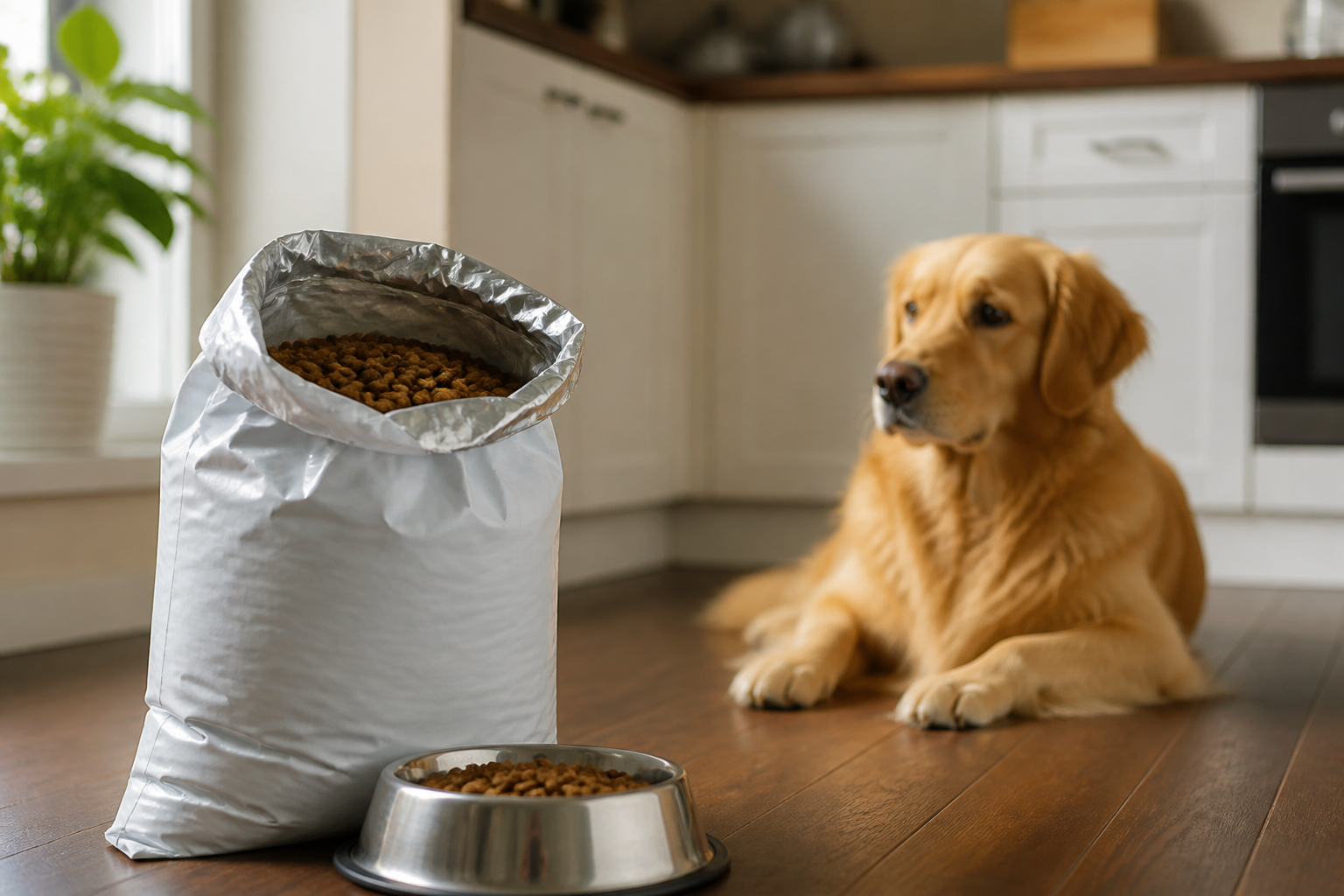
You walk into the pantry to scoop your dog's dinner and realize the top of the heavy kibble bag has been gaping open since breakfast. Maybe the plastic slider broke or someone forgot to roll it down. You might wonder if those crunchy nuggets are still safe or if they have already lost their nutritional punch. At BaxterBoo, we talk to pet parents every day who want to make sure their supplies stay fresh and their dogs stay healthy.
Dry dog food definitely goes stale if it is left open to the air. While it looks shelf stable, kibble is a complex mixture of proteins and fats that begin to break down the moment the seal is broken. This article covers why air is the enemy of kibble, how to spot spoiled food, and the best ways to keep your dog's meals fresh. Proper storage is about more than just maintaining a crunch. It is about protecting the vitamins and minerals your dog needs to thrive.
Quick Answer: Yes, dry dog food goes stale quickly when left open. Exposure to oxygen, light, and moisture causes fats to turn rancid and depletes the food's nutritional value. Most kibble should be used within six weeks of opening the bag and stored in an airtight container.
Why Dry Dog Food Goes Stale
Many owners assume dry food is like crackers or cereal. While it does lose its texture, the chemical changes inside the bag are much more significant. Dry food contains fats and oils that are essential for your dog’s skin, coat, and brain health. These fats are highly sensitive to oxygen. When oxygen hits these fats, a process called oxidation begins.
Oxidation turns healthy fats into rancid fats. This does not just make the food smell or taste bad. Rancid fats can actually be harmful over time. They can lead to digestive upset or more serious long term health issues if a dog eats them constantly. The preservatives used in the food are designed to slow this down, but they cannot stop it entirely once the bag is open.
The Role of Moisture
Moisture is another major factor in food spoilage. When a bag is left open, the kibble can absorb humidity from the air. This creates a breeding ground for bacteria and mold. Even if you cannot see green fuzz on the kibble, microscopic mold spores can be present. This is especially common in humid climates or if the food is stored in a laundry room or basement.
Light and Heat
If your food bag is open and sitting in a sunny spot, you have a recipe for fast spoilage. Heat speeds up the chemical reactions that cause decay. Light can also break down certain vitamins, such as Vitamin A and Vitamin B12. This means that even if the food is not "spoiled" in a way that makes your dog sick, it might not be providing the nutrition promised on the label.
Key Takeaway: Oxygen, moisture, heat, and light are the four main threats to dog food freshness. Leaving a bag open exposes the food to all four simultaneously.
How to Tell if Kibble Has Gone Bad
Dogs have a sense of smell that is significantly stronger than ours. Often, your dog will be the first to tell you that the food is off. If your usually enthusiastic eater suddenly walks away from the bowl, pay attention. They might be smelling the early stages of rancidity that you cannot detect yet.
For more guidance, read our article on how long dry dog food stays fresh once opened.
The Smell Test
Fresh dog food has a distinct, grainy, or meaty aroma. It should not smell sour, musty, or like old paint. Rancid fats often give off a chemical or "off" scent. If you open the bag and get a whiff of something that reminds you of rotting vegetable oil, it is time to toss it.
Physical Changes
Check the texture of the kibble. Fresh dry food should be hard and crunchy. If the pieces feel soft, rubbery, or crumble easily in your hand, they have likely absorbed too much moisture. You should also look closely for any signs of movement. Insects like grain beetles or storage mites love open bags of dog food.
Signs of Mold
Mold is not always bright green. It can look like a white or grey dust on the surface of the kibble. If you see any discoloration or if the food feels sticky, do not take a chance. Some molds produce mycotoxins that can be very dangerous for pets.
Vet Tip: If your dog accidentally eats spoiled food and begins vomiting or has diarrhea, contact your veterinarian immediately. For pets with sensitive stomachs or chronic digestive issues, our pet pharmacy for dogs offers prescription products through veterinary care.
Health Risks of Feeding Stale Food
Feeding your dog stale or spoiled food is not just a matter of flavor. There are real health risks involved. The most immediate concern is food poisoning. Bacteria like Salmonella or E. coli can grow in food that has been exposed to moisture and heat.
- Digestive Upset: This is the most common result. It includes gas, bloating, vomiting, and diarrhea.
- Malnutrition: If the vitamins have degraded, your dog is not getting a balanced diet. Over months, this can lead to a dull coat, low energy, or a weakened immune system.
- Allergic Reactions: Storage mites can thrive in open, stale food. These tiny pests are a common trigger for skin allergies and itching in dogs.
Bottom line: Stale food is nutritionally depleted and can harbor bacteria or pests that cause real illness.
The Best Way to Store Dry Dog Food
Proper storage can extend the life of your kibble and keep those nutrients intact. Many people make the mistake of pouring the food directly into a large plastic bin. This is actually not the best method.
For additional storage guidance, see our article about keeping dry dog food fresh for peak quality.
Keep the Original Bag
The bags that brands like Farmina, Royal Canin, or NutriSource use are high tech. They are designed with specific liners to keep moisture out and fats in. When you pour food directly into a plastic bin, the oils from the kibble seep into the plastic walls. Over time, these oils turn rancid. Even if you wash the bin, that rancid residue can contaminate the next batch of fresh food.
The "Bag in Bin" Method
The best way to store food is to keep it in its original bag, roll the top down tightly, and then place that entire bag inside an airtight container. This gives you two layers of protection. It also keeps your storage bin clean.
Choose the Right Location
Store your food in a cool, dry place. A kitchen pantry is usually the best spot. Avoid the garage or a mudroom where temperatures swing wildly. High heat in a summer garage can ruin a brand new bag of food in just a few days.
- Keep the bag off the floor to prevent pests from finding it.
- Use a heavy duty clip to keep the bag tightly closed.
- Clean any spilled kibble immediately to avoid attracting ants or mice.
Buying Habits for Maximum Freshness
How you buy food is just as important as how you store it. It is tempting to buy the largest bag available to save money. However, if you have a small dog, that 40 pound bag might be sitting open for months.
When comparing formulas and bag sizes, browse our dog food category to find an option that fits your dog's needs and eating schedule.
Use the Six Week Rule
Most experts recommend using a bag of dry food within six to eight weeks of opening it. If your dog cannot finish the bag in that timeframe, you should buy a smaller size. While the price per pound might be slightly higher, the health benefits and lack of waste make it worth it.
For help planning portions and choosing a practical bag size, read how much dry food to feed a dog.
Check the Dates
Always check the "Best By" date before you leave the store or when your delivery arrives. This date is for the unopened bag. Once you open it, that date no longer applies. We recommend writing the date you opened the bag directly on the label. This helps you track exactly how long it has been sitting in your pantry.
Consider Autoship
If you find yourself constantly running out or keeping old food because you forgot to buy more, our Autoship programme can help. We can time your deliveries so you always have a fresh bag arriving just as the old one is finishing. This ensures your dog is never eating the dusty, stale bits at the bottom of a bag that has been open too long.
Managing Multiple Pets and Food Types
If you have multiple dogs on different diets, storage becomes even more important. Mixing up bags or leaving multiple bags open can lead to confusion and faster spoilage.
Step 1: Label everything clearly. Write the dog's name and the date opened on each bag or container.
Step 2: Use separate scoops for different foods. This prevents cross contamination, which is vital if one dog has a specific food allergy.
Step 3: Seal every bag immediately after use. Do not leave them open while you wait for the dogs to finish eating.
Key Takeaway: Small changes in how you handle food daily can significantly prolong the shelf life of your dog's kibble.
When Picky Eating Is Actually a Warning
Sometimes we label a dog as "picky" when they are actually trying to tell us the food is bad. If your dog normally loves their Stella and Chewy's or Orijen but suddenly hesitates, do not force them to eat. Inspect the food first.
Our guide to dry dog food for picky eaters offers another helpful perspective on changes in appetite and food preferences.
If you find the food is stale, throw it away. Do not try to "save" it by mixing it with fresh food. This will just cause the fresh food to spoil faster and might still make your dog sick. If your dog continues to refuse fresh food, it is time for a checkup. Sometimes dental pain or internal upset can look like picky eating.
Our team at BaxterBoo sees many owners who find that switching to a fresh bag solves their "picky eater" problem instantly. Dogs have survival instincts that tell them when fats have gone rancid. Trusting their nose is often the smartest move a pet parent can make.
Summary of Best Practices
Keeping your dog's food fresh is a simple way to support their long term health. It starts with buying the right amount and ends with airtight storage.
- Avoid the air: Always seal the bag with a clip or a slider.
- Keep the bag: Put the original bag inside a bin rather than pouring the food out.
- Watch the clock: Try to finish every bag within six weeks.
- Cool and dry: Store food in a climate controlled area of your home.
- Trust the dog: If they won't eat it, check for signs of spoilage.
Maintaining a fresh supply of food ensures your dog gets every bit of the nutrition you are paying for. It prevents unnecessary vet visits for stomach issues and keeps mealtime exciting for your pet.
For a broader look at food options, read whether dogs should eat dry or wet food.
Bottom line: Dry dog food is a perishable product that requires careful handling to stay safe and nutritious.
FAQ
How long can dry dog food sit in a bowl?
Ideally, you should not leave dry food in a bowl for more than 24 hours. After a full day, the food has been exposed to significant amounts of oxygen and potentially household bacteria or moisture from your dog's saliva. If your dog is a "grazer," only put out the amount they will eat in a single day to ensure they always get fresh kibble.
Can I store dog food in the garage if it is in an airtight container?
It is not recommended to store dog food in a garage because of extreme temperature fluctuations. High heat can cause the oils in the kibble to go rancid very quickly, even in a sealed container. Moisture from humidity can also lead to mold growth if the seal is not perfect. A kitchen pantry or a closet inside the home is a much safer choice.
Does freezing dry dog food keep it fresh longer?
You can freeze dry dog food to extend its life, but you must be careful about moisture. Ensure the food is in an airtight, freezer safe bag with all the air squeezed out. When you take it out, let it reach room temperature before opening the bag to prevent condensation from forming on the kibble, which could lead to mold.
What should I do if I find bugs in my dog's open food bag?
If you find insects like weevils or mites in the food, you must throw the entire bag away immediately. Do not try to sift them out or freeze the food to kill them. Insects can leave behind waste and larvae that can cause digestive upset or allergic reactions in your dog. After discarding the food, thoroughly clean the storage area and any containers to prevent a re-infestation.






