
 Save 15% on your 1st Autoship learn more

 Email us
 Live Chat
 FAQs
FAQs





Introduction
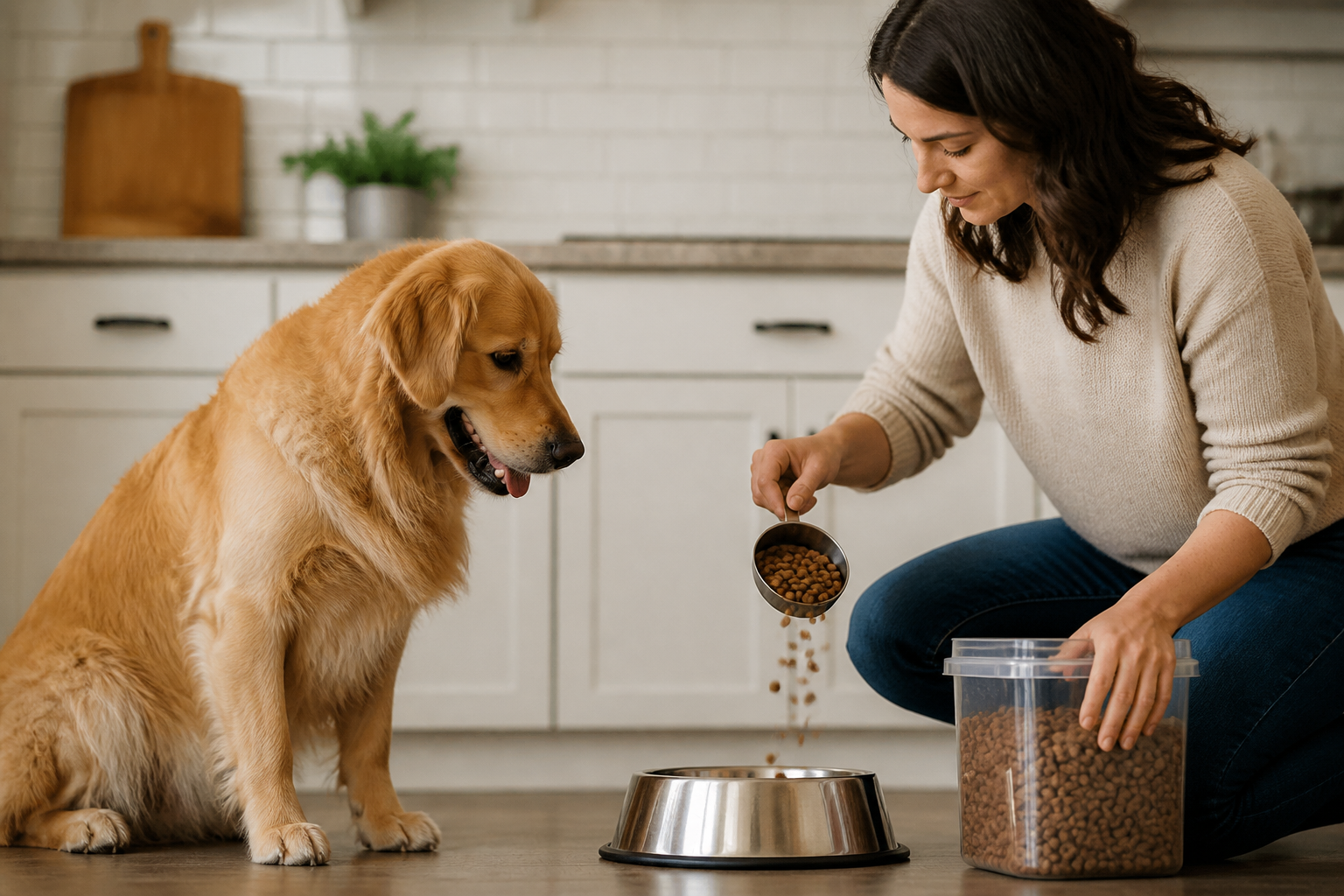
You are likely standing in your kitchen or at the store staring at a heavy bag of kibble. You want to know exactly how long that bag will last before you have to haul another one home. Perhaps you are trying to calculate the cost per meal or ensure your dog stays at a healthy weight. At BaxterBoo, we understand that these daily details are what make for a healthy, happy pet. Knowing how many cups are in a pound of food helps you manage your budget and your dog's waistline. This guide breaks down the math behind the measurements and explains why different brands vary. We will help you master portion control so you can focus on the fun parts of pet ownership.
Quick Answer: On average, one pound of dry dog food contains about 4 cups of kibble. This can range from 3 to 5 cups depending on the size and weight of the individual pieces.
The Standard Measurement for Dry Dog Food
The most common answer you will find is that one pound of dry dog food equals roughly 4 cups. This is based on a standard measuring cup of 8 fluid ounces. However, dog food is sold by weight, not volume. This means a 10 pound bag of food should contain about 40 cups of kibble. This rule of thumb works well for medium sized kibble with average density. It provides a helpful baseline when you are first planning your dog's feeding schedule. If you are comparing formulas, browse our dry dog food category for options.
Weight and volume are not the same thing. A pound of feathers takes up much more space than a pound of lead. Dog food falls somewhere in the middle. Most premium brands like NutriSource or Acana follow this 4 cups per pound average. If you feed a standard adult maintenance diet, this math is usually reliable. It helps you decide if you should buy the 5 pound bag for a weekend trip or the 30 pound bag for the month.
Why Kibble Density Changes the Math
Not all kibble is created equal. The density of the food is the biggest factor in how many cups you get per pound. Density refers to how much a single piece of food weighs compared to its size. Some foods are very calorie dense. They pack a lot of nutrition into a small, heavy piece. Other foods are puffed with air to help a dog feel full without consuming too many calories.
Ingredients play a major role here. A food that uses heavy protein meals like chicken meal or lamb meal will often be denser. These ingredients weigh more than light grains or fiber sources. If you are using a high protein brand like Orijen or Stella & Chewy’s, you might find fewer cups in a pound. The food is heavier, so the bag looks smaller than a bag of grain heavy food that weighs the same.
The Impact of Kibble Shape
Shape and size also change how the food fits into your measuring cup. Think of it like filling a jar with golf balls versus filling it with marbles. The marbles pack tightly together with very little air between them. The golf balls leave large gaps of empty space.
- Small, round kibble packs tightly and often results in more food per cup.
- Large, chunky kibble or irregular shapes like stars and triangles leave more air gaps.
- Freeze-dried raw pieces or "kibble plus" formulas with different textures vary the most.
Key Takeaway: Density and shape determine how much space a pound of food occupies. Heavy, small kibble takes up less room than light, large kibble.
Dog Food Bag Size Conversion Chart
To help you plan your next order, we have calculated the estimated number of cups for common bag sizes. These estimates use the standard 4 cups per pound average. This chart is a great tool for setting up your next delivery.
| Bag Weight (Pounds) | Total Estimated Cups | Estimated Days (Feeding 2 Cups/Day) |
|---|---|---|
| 5 lbs | 20 Cups | 10 Days |
| 10 lbs | 40 Cups | 20 Days |
| 15 lbs | 60 Cups | 30 Days |
| 25 lbs | 100 Cups | 50 Days |
| 30 lbs | 120 Cups | 60 Days |
| 40 lbs | 160 Cups | 80 Days |
Planning Your Deliveries
Using this chart helps you avoid running out of food on a Tuesday night. If you know your dog eats exactly 3 cups a day, a 30 pound bag will last you about 40 days. This makes it easy to set up our Autoship programme. You can time your deliveries so a new bag arrives just as you are reaching the bottom of the current one. This also ensures your food stays fresh. We recommend buying only what your dog can eat within four to six weeks.
Bottom line: A 30 pound bag of dry food provides roughly 120 cups of kibble for your dog.
The Problem with Traditional Measuring Cups
Most of us use a plastic scoop or a coffee mug to measure our dog's dinner. This is where portion creep happens. Studies show that pet owners can be off by as much as 20 percent when using a volume scoop. A heaping scoop instead of a level one adds extra calories every single day. Over a year, this can lead to significant weight gain. For additional guidance, read how many grams are in a cup of dry dog food.
Dry measuring cups are better than liquid measuring cups. Liquid cups have a spout and extra space at the top to prevent spilling. This makes it hard to get an accurate level scoop of dry kibble. If you must use a cup, always use a dedicated dry measuring tool. Level it off with a flat edge like the back of a knife.
The Gold Standard: Using a Kitchen Scale
If you want to be 100 percent accurate, use a digital kitchen scale. Most dog food bags now list the weight of a serving in grams. This is the only way to ignore the variables of kibble size and shape. Weighing the food is faster than you might think once you get into the habit. It is the best method for dogs on a strict weight loss plan.
- Place the empty bowl on the scale.
- Press the "tare" or "zero" button.
- Pour the kibble until you hit the required weight in grams.
- Record this for each meal to maintain consistency.
How to Read Your Dog Food Label
The feeding chart on the back of your bag is a legal requirement. It gives you a starting point based on your dog's weight. However, these charts are often generous. They are calculated for active, intact adult dogs. If your dog is older or has a slower metabolism, the chart might suggest too much food. For more portion-planning help, see how much dry food to feed a dog.
Look for the "kcal per cup" or "kcal per kg" listing. This tells you exactly how much energy is in the food. If you switch from a food with 350 kcal per cup to one with 450 kcal per cup, you must reduce the volume. If you keep feeding the same number of cups, your dog will start gaining weight quickly.
Vet Tip: Always consult your veterinarian before making major changes to your dog's daily calorie intake. They can help you calculate a precise target based on your dog's body condition score and activity level.
Factors That Change Your Dog's Calorie Needs
The number of cups your dog needs depends on more than just their weight. Every dog is an individual with a unique metabolism. Two dogs that weigh 50 pounds might need very different amounts of food.
- Age: Puppies need more calories and protein per pound of body weight to support growth.
- Activity Level: A dog that hikes for miles needs more fuel than one that sleeps on the couch.
- Life Stage: Senior dogs often have slower metabolisms and may need fewer calories but higher quality protein.
- Environment: Dogs living in very cold climates burn more calories just to stay warm.
- Medical Status: Spaying or neutering can slightly lower a dog's metabolic rate.
If your dog is struggling with weight management, our pharmacy carries prescription diets. Brands like Royal Canin and Farmina Vet Life offer specialized weight management formulas. These are available through our BaxterBoo pharmacy partnership with Pet's Choice. These diets are designed to keep your dog feeling full while providing fewer calories. For another perspective on portion control, read how many cups of dry dog food to feed per day.
Transitioning to a New Food
When you calculate your new cups per pound and realize you need to switch brands, do it slowly. A sudden change in kibble density and ingredients can upset a dog's stomach. This is especially true if the new food is much richer than the old one. Follow these steps for a smooth transition.
Step 1: Mix the foods. / For the first two days, mix 75 percent of the old food with 25 percent of the new food.
Step 2: Increase the new food. / On days three and four, move to a 50/50 split between the old and new brands.
Step 3: Finish the transition. / On days five and six, use 25 percent of the old food and 75 percent of the new food.
Step 4: Full switch. / By day seven, you can feed 100 percent of the new kibble.
The Role of Prescription and Specialized Diets
Sometimes, standard math is not enough. If your dog has a chronic health condition, their feeding requirements change significantly. Dogs with kidney issues, heart disease, or severe allergies need precision. Prescription diets are formulated with specific nutrient ratios that are different from standard over the counter kibble.
Our BaxterBoo pharmacy offers a wide range of these FDA approved diets. Through our partnership with Pet's Choice, we can help you manage your dog's health needs with ease. These foods often have unique densities because they are formulated with specialized ingredients. Always use the specific measuring instructions provided by your vet for these diets.
Key Takeaway: Prescription diets require even more accuracy in measurement to ensure the medical benefits are effective.
Saving on Your Regular Food Purchases
Once you know how many cups your dog eats, you can maximize your savings. Buying larger bags is almost always more cost effective per pound. However, you must store the food properly to prevent it from going stale or losing nutritional value. For more storage guidance, read how long dry dog food stays fresh.
We recommend keeping the kibble in its original bag. Then, place that bag inside an airtight container. The original bags are designed to keep out moisture and light. This dual layer of protection keeps the fats in the food from turning rancid. You can earn up to 5 percent back on these larger purchases through the MVP Rewards programme.
Frequent Buyer Benefits
Many of the premium brands we carry, such as Zesty Paws or NutriSource, participate in frequent buyer programs. This means after you buy a certain number of bags, you get one free. When you combine this with the math of cups per pound, you can accurately project your yearly pet care costs. Our goal is to provide value without compromising on the quality of the food you put in the bowl.
Common Mistakes in Dog Food Measurement
Even with the best intentions, it is easy to make mistakes. One common error is using a different person to feed the dog each time. One family member might use a level scoop, while another uses a generous one. This creates inconsistency in the dog's diet and makes it hard to track their health.
Another mistake is ignoring treats. Treats are food too. If you are giving your dog several large biscuits a day, you must reduce the amount of kibble in their bowl. Treats should never make up more than 10 percent of your dog's daily calories. If your dog is on a strict diet, try using a few pieces of their regular kibble as treats throughout the day.
Bottom line: Consistency across all family members and accounting for treats are essential for accurate portion control.
Managing Weight Through Proper Measurement
Obesity is one of the most common health problems in dogs today. It puts extra strain on joints and can lead to heart disease or diabetes. Proper measurement is your first line of defense. If you notice your dog is losing their waistline, start by measuring more carefully. For broader guidance, explore pet weight-management strategies.
Check your dog's ribs weekly. You should be able to feel them easily without pressing hard. If you can't, it is time to reassess the number of cups you are feeding. If weight gain persists even with careful measuring, consult your veterinarian. There could be an underlying thyroid issue or other metabolic concern. For ongoing health management, we provide access to medications and supplements through our pharmacy.
Summary of Feeding Math
Managing your dog's food intake does not have to be a guessing game. By understanding that there are roughly 4 cups in a pound, you can start to take control of their nutrition. Remember that kibble size and ingredients will cause this number to fluctuate. Using a scale and reading the caloric density on the bag will always give you the best results.
- Average: 1 lb = 4 cups.
- Check the kcal/cup on every new bag.
- Use a dry measuring cup or a kitchen scale.
- Adjust for your dog's specific activity and life stage.
- Plan your Autoship based on the total cups in the bag weight.
At BaxterBoo, we want to make it easy for you to provide the best care for your pets. Whether you are shopping for a new puppy or managing the needs of a senior dog, we have the expertise to help. You can find everything from premium foods like Acana and Farmina to specialized care in our pharmacy. We have been serving the pet community since 2006 and take pride in our curated selection of brands. Ready to simplify your routine? Set up your next delivery with us and enjoy the convenience of pet care delivered to your door.
FAQ
How many cups of food are in a 30 pound bag of dog food?
A 30 pound bag of dry dog food typically contains about 120 cups of kibble. This estimate is based on the average of 4 cups per pound. However, if the kibble is very large or irregularly shaped, the total might be closer to 110 cups. Always check the specific density of your chosen brand for the most accurate planning.
Why does my new dog food have fewer cups than the old one?
The number of cups per pound changes based on the density and ingredients of the food. High protein diets with heavy meat meals are often denser and weigh more per cup. This means the bag may appear smaller even though it weighs the same as your previous brand. If the new kibble is smaller and rounder, it will pack more tightly into a measuring cup.
Can I use a regular coffee mug to measure my dog's food?
It is not recommended to use a coffee mug because mugs come in many different sizes. A standard cup of dog food is 8 fluid ounces, but many mugs hold 12 to 16 ounces. Using an unmeasured scoop can lead to significant overfeeding. It is much safer to use a dedicated dry measuring cup or a kitchen scale for accuracy.
How do I know if the feeding chart on the bag is right for my dog?
Feeding charts are general guidelines and may not fit your dog's exact needs. Start with the recommended amount for your dog's target weight and monitor their body condition for two weeks. If they gain weight, reduce the portion slightly. If they seem too thin or lethargic, you may need to increase the amount. Your veterinarian is the best resource for determining a precise daily calorie count.






