
 Save 15% on your 1st Autoship learn more

 Email us
 Live Chat
 FAQs
FAQs





Introduction
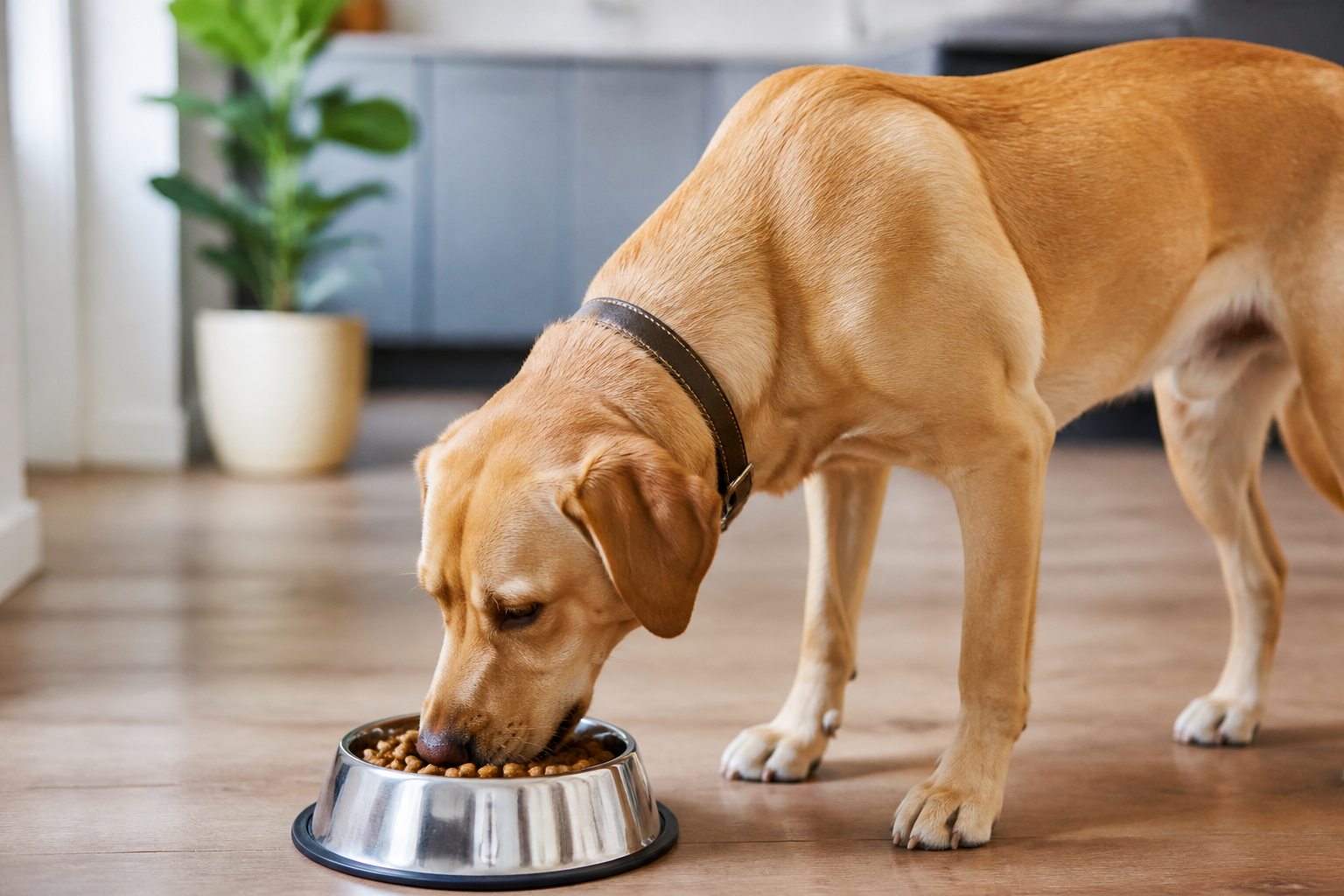
You are standing in the kitchen with a plastic scoop in one hand and a bag of kibble in the other. Your 50-pound dog is watching your every move with an intensity that suggests they have not eaten in years. At this size, your dog sits right in the middle of the weight spectrum. They are often active enough to burn through a lot of fuel but large enough that overfeeding can quickly lead to joint strain. Since 2006, BaxterBoo has helped pet owners navigate these daily decisions with expert advice and handpicked products. Determining the right amount of food involves more than just reading a chart on the back of a bag. This guide covers how to calculate calories based on lifestyle and how to adjust portions for age and health needs. Finding the perfect balance ensures your dog stays lean, energetic, and healthy for years to come.
Quick Answer: A typical 50 lb adult dog generally requires between 2 to 3 cups of dry food per day. This usually translates to roughly 1,100 to 1,300 calories, though highly active dogs or working breeds may require closer to 1,500 calories to maintain their weight.
The Foundation of Feeding a 50 lb Dog
A 50-pound dog is a sturdy companion. Whether you have a lean athlete or a stout couch potato, weight management is the most important factor in their longevity. At this weight, even a five-pound gain represents 10% of their body weight. That extra pressure can lead to mobility issues or metabolic stress. We often think of feeding in terms of volume, but the real metric that matters is calorie density.
Every brand of dog food has a different caloric value. One cup of a high-performance brand like Orijen or Acana might contain 450 calories. A budget-friendly kibble with more fillers might only have 300 calories per cup. If you switch brands but keep using the same measuring cup, you could be accidentally overfeeding or underfeeding your dog by a significant margin. Browse our adult dog food category to compare formulas and calorie densities.
To find the right starting point, you should determine your dog’s daily calorie requirement. Most veterinarians recommend a baseline of approximately 25 to 30 calories per pound of body weight for a healthy adult dog. For a 50-pound pet, that is a range of 1,250 to 1,500 calories. However, house dogs that get limited exercise often need much less.
Calculating Resting Energy Requirements
If you want to be very precise, you can look at the Resting Energy Requirement (RER). This is the number of calories your dog needs just to perform basic functions like breathing and heart function. The formula involves some math, but it provides a clear baseline.
- Convert weight to kilograms: 50 lbs is roughly 22.7 kg.
- The basic RER for a 22.7 kg dog is approximately 730 calories.
- Multiply this by a "lifestyle factor" to get the total.
A neutered adult dog with average activity typically has a factor of 1.6. This results in about 1,168 calories per day. If your dog is unneutered or very active, that multiplier goes up. If they are prone to weight gain or are very sedentary, the multiplier might drop to 1.2 or 1.4.
Key Takeaway: Always measure food by calories rather than just volume. Check the bag for the kcal/cup listing and adjust based on your dog's specific energy needs.
Why "The Cup" is Often Inaccurate
We use measuring cups because they are convenient. However, a scoop is a measure of volume, not weight. The size and shape of the kibble can drastically change how much actually fits in that cup. Small, round kibble packs tightly, while large, triangular pieces leave a lot of air gaps.
Human error also plays a role. A "heaping" cup can contain 20% more food than a "level" cup. If you do this twice a day, your dog is getting nearly half an extra meal every single day. This is why we recommend using a standard measuring cup and leveling off the top. Even better, use a digital kitchen scale to weigh the food in grams. This is the most consistent way to ensure your dog gets exactly what they need. For more guidance, read how to measure dry dog food by weight.
Another common mistake is using a random plastic cup from the cupboard. These are rarely accurate measurements. Use a dedicated pet food scoop with clear markings. If your vet suggests a 10% reduction in food to help with weight loss, it is much easier to manage when you are working with precise measurements.
Factors That Change the Portion Size
No two dogs are the same, even if they both weigh exactly 50 pounds. Several factors can cause your dog to need more or less than the "average" amount listed on a feeding chart.
Activity Level and Lifestyle
This is the biggest variable in the feeding equation. A dog that goes for a three-mile run every morning has a much higher metabolic rate than a dog that only walks to the end of the driveway.
- Low Activity: Dogs that get less than 30 minutes of exercise per day. They may only need 900 to 1,000 calories.
- Moderate Activity: Dogs that get 1 to 2 hours of walking or play. They usually thrive on 1,100 to 1,300 calories.
- High Activity: Working dogs, canine athletes, or those spending all day outdoors. They may require 1,500 to 1,800 calories.
Age and Metabolism
Puppies who are nearing their 50-pound adult weight are still growing. They need nutrient-dense food to support bone and muscle development. Once a dog reaches adulthood, their needs stabilize. However, as they enter their senior years, their metabolism slows down. Senior dogs often need fewer calories but higher quality protein to prevent muscle wasting. See this guide to choosing food for senior dogs for additional guidance.
Spay and Neuter Status
It is a well-documented fact that spaying or neutering can lower a dog's metabolic rate. This occurs due to hormonal changes that affect how the body processes energy. Many owners find they need to reduce their dog's food intake by about 10% after these procedures to prevent weight gain.
Vet Tip: If your dog seems to be gaining weight despite following the bag's guidelines, consult your veterinarian. They can help rule out underlying issues like thyroid problems and provide a specific calorie target for weight loss.
Reading the Feeding Chart Correctly
The chart on the back of the bag is a starting point, not a strict rule. Most charts provide a range based on weight. For a 50-pound dog, you might see a recommendation for 2 to 3 cups. This is a wide range. If you start at 3 cups and your dog is not very active, they will likely gain weight.
Always look for the calorie count per cup (kcal/cup) on the packaging. This is usually found near the ingredient list or the guaranteed analysis. Comparing this number between different brands is eye-opening. For example, a calorie-dense food like Farmina or Stella and Chewy's will require smaller portions than a brand with more grain or fiber. Learn more about daily dry food portions before settling on a routine.
Comparison Table: Estimated Daily Portions for a 50 lb Adult Dog
| Activity Level | Est. Daily Calories | Est. Cups (350 kcal/cup) | Est. Cups (450 kcal/cup) |
|---|---|---|---|
| Inactive / Senior | 900 - 1,000 | 2.5 - 2.8 cups | 2.0 - 2.2 cups |
| Moderately Active | 1,100 - 1,300 | 3.1 - 3.7 cups | 2.4 - 2.9 cups |
| Highly Active | 1,500 - 1,700 | 4.3 - 4.8 cups | 3.3 - 3.7 cups |
The Role of Treats and Toppers
It is very easy to forget that treats are food. For a 50-pound dog, a couple of large biscuits can easily add up to 200 calories. If you are adding a scoop of wet food or some pumpkin as a topper, those calories count toward the daily total as well.
The 10% Rule is a standard recommendation among pet health professionals. Treats and toppers should never make up more than 10% of your dog's total daily caloric intake. If your dog's goal is 1,200 calories, then 120 of those can come from treats. If you give a high-calorie dental chew, you should subtract a corresponding amount of kibble from their dinner bowl. This guide to the 10% treat rule offers another way to think about daily treat limits.
Common high-calorie additions include:
- Peanut butter in toys
- Cheese for hiding medications
- Table scraps like fat trimmings or crusts
- Large dental bones or rawhide alternatives
Monitoring Your Dog's Body Condition
The most accurate way to know if you are feeding the right amount is to look at your dog’s body. Weight is just a number. Body condition tells the real story. Veterinarians use a Body Condition Score (BCS) on a scale of 1 to 9. You can do a simplified version at home. For a closer look at body condition checks, review this pet weight management guide.
The Rib Test
Place your hands on your dog's ribcage. You should be able to feel the ribs easily with a very light layer of fat over them. It should feel like the back of your hand when your fingers are flat. If you have to press hard to find the ribs, your dog is likely overweight. If the ribs are visible and there is no fat covering, they may be underweight.
The Waist and Tuck
Look at your dog from above. They should have a noticeable waistline behind the ribs, creating an hourglass shape. From the side, the stomach should "tuck" upward from the chest toward the hind legs. If your dog looks like a solid rectangle from above or has a saggy belly from the side, it is time to trim their portions.
Bottom line: Your dog's appearance and energy levels are the best indicators of whether you are feeding the correct amount of dry food.
Health Conditions and Specialized Diets
Sometimes, a standard dry dog food is not enough. Dogs with specific health needs often require a different nutritional profile. This is where specialized diets and prescription foods come into play.
Weight Management
If your 50-pound dog has already put on extra weight, simply feeding less of their regular food might not be the best solution. Reducing portions too much can lead to nutritional deficiencies or a very hungry, begging dog. Weight management formulas often have higher fiber to help the dog feel full while consuming fewer calories.
Our pharmacy carries FDA-approved prescription diets for weight management through our partnership with Pet's Choice. These foods are specifically formulated to trigger metabolism while keeping the dog satisfied. If your vet recommends a prescription diet for weight loss, you can easily manage those needs through our pet pharmacy.
Joint Health and Seniors
At 50 pounds, many dogs are prone to joint issues as they age. Breeds like Labrador Retrievers or Pit Bull mixes often benefit from foods with added glucosamine and chondroitin. Some senior dogs also require lower protein or phosphorus levels if they have kidney concerns.
Allergies and Skin Issues
If your dog is constantly itching or has frequent ear infections, their food amount might not be the problem. They may have a sensitivity to a specific protein or grain. In these cases, a limited ingredient diet or a prescription hypoallergenic food is often necessary. Managing these chronic conditions usually involves a combination of the right food and ongoing medication.
Transitioning to a New Feeding Routine
If you realize you have been overfeeding or underfeeding, do not make a drastic change overnight. A sudden shift in food volume or type can cause digestive upset. For additional advice about gradual food changes, read how to switch from dry to wet dog food.
Step 1: Determine the new calorie goal. / Use a calculator or consult your vet to find the target number of calories for your dog's ideal weight.
Step 2: Measure the current intake. / Use a scale or standard cup to see exactly how much you have been feeding so you know the starting point.
Step 3: Adjust gradually. / Increase or decrease the portion by about 10% every few days until you reach the new target amount.
Step 4: Monitor for two weeks. / Keep a close eye on your dog's energy and weight. If they seem excessively hungry or are not losing weight, adjust slightly.
Feeding Schedule and Consistency
Most adult dogs do best with two meals per day. This keeps their blood sugar stable and prevents them from becoming overly hungry. Large or deep-chested dogs can sometimes be prone to bloat, so smaller, more frequent meals are often recommended. This daily feeding guide provides more context on portions and meal frequency.
Consistency is key for digestion. Feeding at the same time every day helps regulate your dog's bathroom habits and metabolic rhythm. It also helps you notice if something is wrong. If your dog is usually a "vacuum" at 7:00 AM and suddenly refuses their meal, you will know immediately that they might be feeling unwell.
We carry a wide selection of bowls and slow feeders that can help if your dog tends to eat too quickly. Slowing down the eating process is better for digestion and can make a smaller portion feel more satisfying to the dog.
Conclusion
Feeding your 50-pound dog is a balance of science and observation. While the average adult dog at this weight needs about 2 to 3 cups of dry food, your dog's individual activity level, age, and metabolism are the final deciders. By focusing on calories rather than just volume, you can avoid the common trap of overfeeding. Remember that treats count toward the daily total and that a lean dog is a healthier dog.
Our warehouse in Vernon Hills is stocked with over 500 trusted brands to help you find the perfect fit for your pet's needs. Whether you are looking for a high-protein kibble for an athlete or a specialized prescription diet, we are here to support your journey as a pet owner.
- Measure food accurately using a standard cup or scale.
- Monitor body condition regularly using the rib test.
- Keep treats to less than 10% of daily calories.
- Consult your vet for specific health or weight concerns.
Key Takeaway: Proper nutrition is a lifelong commitment. Our pharmacy and Pet's Choice partnership make it easy to access prescription diets and medications for dogs with specific health requirements.
FAQ
How many calories does a 50 lb dog need to lose weight?
To help a dog lose weight safely, you typically target about 70% to 80% of their maintenance calories. For a 50 lb dog, this usually means aiming for roughly 800 to 900 calories per day, but you should always do this under a veterinarian's guidance. Cutting calories too quickly can be dangerous and lead to nutritional gaps.
Can I just follow the feeding chart on the dog food bag?
The chart is a helpful starting point, but it often provides broad ranges that may not account for your dog's specific activity level or metabolism. Many pet owners find that the bag's recommendations are slightly higher than what their indoor dog actually needs. Start with the lower end of the recommended range and adjust based on your dog's weight and energy.
Is it better to feed my dog once or twice a day?
Most veterinarians recommend feeding adult dogs twice a day to maintain steady energy and help with digestion. For a 50 lb dog, dividing the total daily cups into a morning and evening meal prevents them from getting too hungry and may reduce the risk of scavenging. Some owners of highly active dogs may even split the amount into three smaller meals.
What should I do if my dog is still hungry after eating their portion?
If your dog is at their ideal weight but always seems hungry, try using a slow feeder bowl or a puzzle toy to make the meal last longer. You can also add low-calorie "fillers" like plain canned green beans or a little extra water to the kibble. If the hunger is sudden or accompanied by weight loss, a vet visit is necessary to rule out medical issues.






