
 Save 15% on your 1st Autoship learn more

 Email us
 Live Chat
 FAQs
FAQs





Introduction
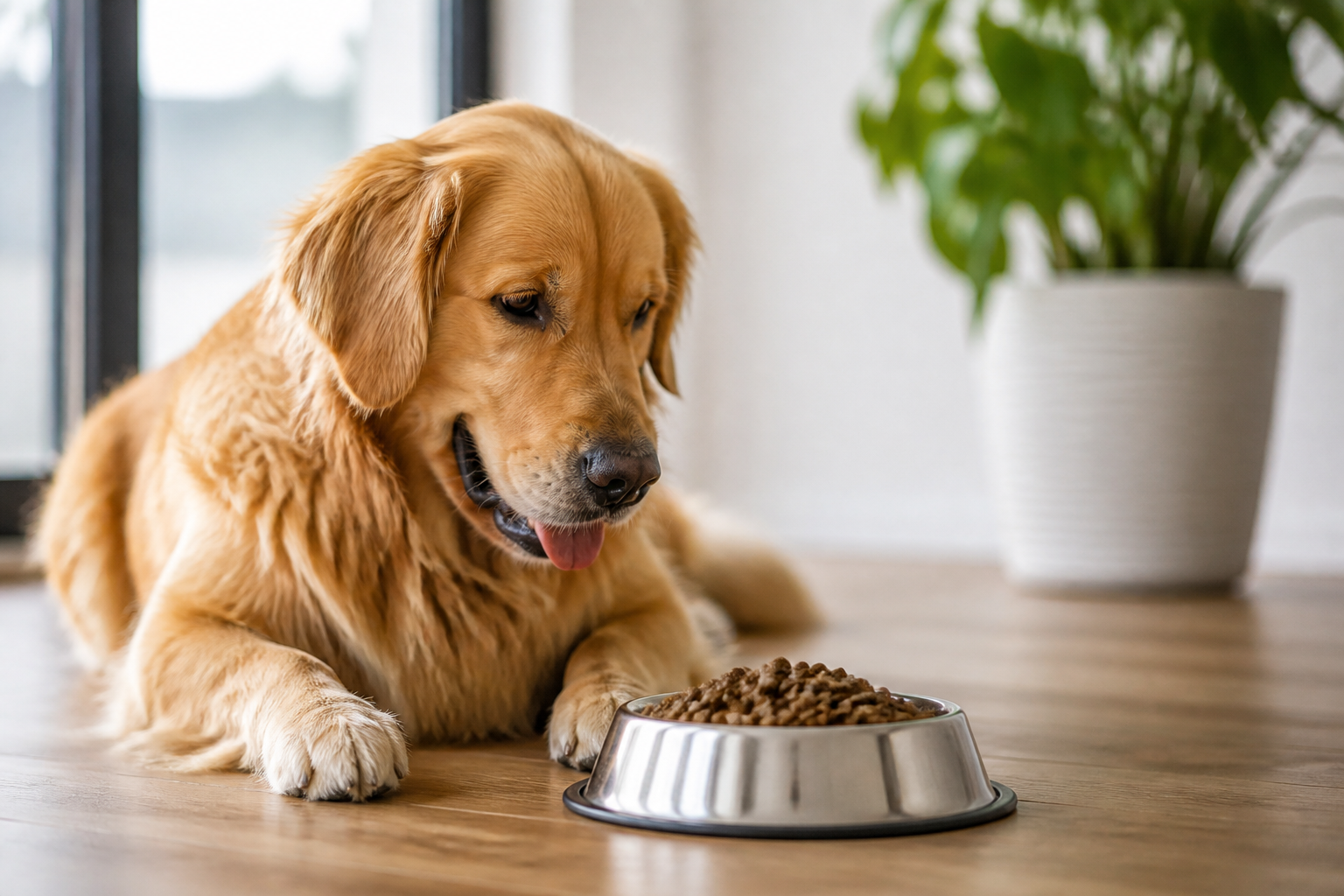
You are standing in the pet food aisle, or perhaps you are scrolling through hundreds of bags online, and you start to wonder if that crunchy kibble is actually providing everything your dog needs. It is one of the most common questions we hear at BaxterBoo from well-meaning owners who want to do right by their pups. You might worry that a dry diet is too processed or that your dog is missing out on vital hydration found in canned options. This article explores the nutritional value of dry food, how it compares to wet alternatives, and how to choose a high-quality formula for your pet. We will also discuss when a specific health condition might require a move toward prescription diets. While every dog has unique preferences, high-quality dry food is a safe and healthy foundation for most canine companions.
Quick Answer: Yes, high-quality dry food is perfectly healthy for most dogs. It provides a concentrated source of balanced nutrition, supports dental health through chewing, and is often more convenient and cost-effective for owners.
What is Dry Dog Food?
Dry dog food, commonly known as kibble, is a shelf-stable pet food that contains very little moisture. Most formulas contain about 10 percent water or less. This is achieved through a process called extrusion. During this process, ingredients like meats, grains, vegetables, and fats are mixed into a dough. This dough is cooked under high pressure and temperature before being pushed through a die to create specific shapes.
Once the kibble is formed, it is dried to remove moisture. This drying process is what allows the food to stay fresh in a bag for several weeks without spoiling. Finally, manufacturers often spray the kibble with oils, vitamins, and minerals to ensure it meets nutritional standards. Some of the premium brands we carry, such as NutriSource or Stella and Chewy's, use specific cooking methods to preserve the integrity of these nutrients.
The result is a nutrient-dense pellet. Because the water has been removed, a small volume of dry food contains a high amount of calories and essential vitamins. This makes it an efficient way to feed active dogs who need plenty of energy.
The Primary Benefits of a Dry Diet
Many pet owners choose dry food for its practicality, but the benefits go beyond just convenience. For many dogs, our dry dog food selection is the most consistent way to ensure they receive a complete and balanced meal every single day.
Dental Health Support
One of the most frequently cited benefits of dry food is its impact on dental hygiene. As a dog crunches on the hard pellets, the mechanical action helps scrape away some of the soft plaque from the surface of the teeth. While it is not a replacement for regular brushing, it can help slow down the buildup of tartar. Brands like Royal Canin often design specific kibble shapes that encourage more chewing, which maximizes this cleaning effect.
Convenience and Safety
Dry food is much easier to manage than wet food. You can leave it in a bowl for several hours without it spoiling, which is ideal for "grazers" who prefer to eat small amounts throughout the day. It is also less messy. There are no cans to recycle and no strong odors that linger in your kitchen. From a safety perspective, dry food is less likely to grow harmful bacteria at room temperature compared to an open can of meat.
Financial Value
Generally, dry food is the most cost-effective way to feed a dog. Because you are not paying for the weight of the water found in canned food, you get more servings per dollar. This allows many owners to afford higher-quality ingredients than they might be able to find in a premium wet food. Our MVP Rewards programme also helps owners save on these repeat purchases, allowing you to earn points on every bag of kibble you buy.
Key Takeaway: Dry food offers a blend of nutritional density, dental support, and convenience that makes it the primary choice for millions of dog owners.
Common Concerns About Kibble
Despite its popularity, some owners worry that dry food might not be enough. The most common concern is hydration. Because dogs evolved to get a significant portion of their water from prey, a dry diet requires them to drink more water from their bowl.
If your dog is a poor drinker, they may experience concentrated urine or other urinary issues. In these cases, adding a bit of warm water or low-sodium broth to the kibble can help. This also brings out the aroma of the food, which can be helpful for picky eaters. For more ideas, read how to wet dry dog food for better digestion and hydration.
Another concern is the ingredient list. Some budget-friendly dry foods use high amounts of fillers like corn or soy. However, the premium brands we stock at BaxterBoo focus on high-quality animal proteins and complex carbohydrates. Brands like Acana and Orijen utilize "whole prey" ratios to mimic a natural diet while maintaining the convenience of a dry pellet.
Comparing Dry and Wet Dog Food
Choosing between dry and wet food often comes down to your dog's specific health needs and your lifestyle. Neither is inherently "better," but they serve different purposes. You can compare both options in our wet and dry dog food guide.
| Feature | Dry Food (Kibble) | Wet Food (Canned) |
|---|---|---|
| Moisture Content | 10% or less | 75% to 80% |
| Shelf Life | Long (weeks after opening) | Short (2-3 days refrigerated) |
| Dental Impact | Helps scrape plaque | Can contribute to buildup |
| Palatability | Moderate | Very High |
| Weight Management | Easier to portion | Higher satiety (fills them up) |
Vet Tip: If your dog has a history of kidney disease or urinary crystals, your veterinarian may recommend a wet diet or a prescription formula. Our pet pharmacy carries prescription diets for these specific health needs.
Is Dry Food Enough for Your Dog?
Many owners ask if a dog can live a long, healthy life eating nothing but dry food. The answer is a definitive yes, provided the food is "complete and balanced." This phrase is a legal standard indicating the food contains all the vitamins and minerals a dog needs for their specific life stage.
We have seen many dogs thrive into their senior years on a strictly dry diet. The key is to match the food to the dog's activity level and age. A high-energy Border Collie needs a different formula than a senior Pug. When you choose a brand like Farmina or Open Farm, you are providing a sophisticated balance of proteins, fats, and fiber that supports every bodily function.
When to Consider Supplements
Even with a great dry food, some dogs benefit from extra support. Senior dogs might need added glucosamine for their joints, while dogs with dull coats might benefit from fish oil. We carry a wide range of supplements, such as Cosequin for mobility or Zesty Paws for overall wellness, that can be easily added to a daily kibble routine.
Dealing with Picky Eaters
If your dog turns their nose up at dry food, it does not necessarily mean the food is bad. Some dogs simply prefer the texture and strong smell of canned meat. You can make dry food more appealing without switching diets entirely. Our food topper collection offers options for adding variety to a kibble routine.
Step 1: Add warm water. / This creates a natural gravy and releases the aromas of the fats and proteins.
Step 2: Use a topper. / A spoonful of wet food or a sprinkle of freeze-dried raw food can entice a hesitant eater.
Step 3: Use a puzzle feeder. / Some dogs enjoy the "hunt." Making them work for their kibble can turn mealtime into a rewarding game.
Bottom line: Most dogs can be successfully transitioned to dry food with a little patience and the right enticing toppers.
Managing Health Conditions with Diet
Sometimes, standard over-the-counter dry food is not the right fit. If your dog suffers from chronic conditions, their diet becomes a form of medicine. This is particularly true for:
- Severe food allergies
- Chronic kidney or liver disease
- Urinary tract stones
- Significant obesity
- Gastrointestinal sensitivities
In these instances, your veterinarian may prescribe a therapeutic diet. These are formulated with specific levels of minerals or hydrolyzed proteins to manage the disease. Through our pharmacy, we offer a streamlined way to get these prescription foods delivered to your door. Our pharmacy makes it easy to manage your pet's long-term health needs alongside their regular supplies.
Life Stage Transitions
The nutritional requirements for a dog change as they grow. You should not feed a puppy the same dry food you would feed a senior dog.
Puppies
Puppies need more calories, protein, and specific minerals like calcium and phosphorus to build strong bones. If you feed a puppy an adult maintenance diet, they may experience growth deficiencies. Most owners should stick to a dedicated puppy formula until their dog is about 12 to 18 months old, depending on the breed size. Our guide to how much dry dog food to feed a puppy offers another helpful resource.
Seniors
As dogs age, their metabolism slows down. Senior dry foods often have fewer calories to prevent weight gain but higher levels of fiber to help them feel full. They also frequently include antioxidants and joint support ingredients to manage the effects of aging. If you notice your senior dog is struggling to crunch hard kibble, you can soften it with water or look for a "small bite" formula that is easier on aging teeth.
How to Properly Store Dry Food
One of the biggest mistakes owners make is improper storage. Once a bag of dry food is opened, the fats inside begin to oxidize when exposed to air. This can make the food taste stale and eventually lead to rancidity. For additional guidance, read how long you can keep dry dog food fresh.
To keep kibble fresh:
- Keep the food in its original bag. These bags are designed to be moisture and air barriers.
- Place the entire bag inside an airtight plastic or metal bin.
- Store the bin in a cool, dry place. Avoid garages or laundry rooms where heat and humidity fluctuate.
- Try to use the bag within six to eight weeks of opening.
If you find that you cannot finish a large bag in two months, consider buying smaller bags. This ensures your dog is always getting the freshest, most nutritious meals possible. Our Autoship programme is a great tool for this. You can set up smaller bags to arrive more frequently, so you never have to worry about the food going stale or running out.
Transitioning to a New Dry Food
If you decide to switch your dog to a higher-quality dry food, do not do it all at once. A sudden change can upset their digestive system, leading to gas or diarrhea. For more picky-eater strategies, see what dry dog food is best for picky eaters.
- Days 1-2: Feed 25% new food and 75% old food.
- Days 3-4: Feed 50% new food and 50% old food.
- Days 5-6: Feed 75% new food and 25% old food.
- Day 7: Feed 100% new food.
Observe your dog during this week. If you notice any soft stools, slow down the transition and give their stomach more time to adjust.
Key Takeaway: A slow transition over seven days is the best way to prevent digestive upset when changing dry food brands.
Final Considerations for Dog Owners
Choosing a dry food is a personal decision that impacts your dog's daily happiness and long-term health. We have spent years at BaxterBoo curating a selection of over 500 brands because we know that no single food works for every dog. Whether you are looking for a grain-free option, a high-protein formula, or a budget-friendly but nutritious choice, the quality of the ingredients should always be your top priority.
Dry food is not just a convenience; it is a scientifically formulated way to provide your dog with a stable, healthy life. By paying attention to your dog's weight, coat quality, and energy levels, you can determine if their current dry food is doing its job.
Bottom line: Dry food is a safe, effective, and nutritious choice for the vast majority of dogs when selected with care and stored properly.
Summary of Feeding Dry Food
Feeding dry food is a reliable way to manage your dog's nutrition. It offers specific advantages for dental health and weight management that are harder to achieve with wet food alone.
- Kibble helps reduce plaque buildup through mechanical chewing action.
- It is more calorie-dense, making it a cost-effective choice for many families.
- Proper storage is essential to prevent the oxidation of healthy fats.
- Always ensure your dog has access to plenty of fresh, clean water.
If you are ever unsure about your dog's nutritional needs, your veterinarian is the best resource for a tailored recommendation. For those managing chronic health conditions through diet, remember that our pharmacy provides a convenient way to access prescription formulas and medications. You can also save on every order by joining our MVP Rewards programme or setting up an Autoship schedule for your favorite brands.
FAQ
Can my dog live on dry food alone?
Yes, most dogs can live long and healthy lives eating only a high-quality dry food. These formulas are designed to be complete and balanced, meaning they contain every nutrient a dog needs for their specific life stage. As long as your dog drinks plenty of water and maintains a healthy weight, a strictly dry diet is perfectly acceptable.
Does dry food really clean a dog's teeth?
Dry food provides a mechanical scraping action that can help remove soft plaque before it hardens into tartar. While this is beneficial for oral hygiene, it is not a "magic bullet" and cannot replace regular veterinary dental cleanings or at-home brushing. Some specialized dental diets are more effective than standard kibble because the pellets are designed to resist crumbling, forcing more contact with the tooth surface.
Is dry food better for weight loss than wet food?
Dry food is often easier to measure precisely, which is helpful for weight management. However, wet food can sometimes be better for "counter-surfing" dogs because it has a higher volume and moisture content, which can help them feel fuller on fewer calories. The best choice for weight loss depends on your dog's habits and the specific caloric density of the foods you are comparing.
Should I add water to my dog's dry food?
Adding a small amount of warm water to dry food can be very beneficial, especially for dogs that do not drink enough on their own. It helps with hydration, makes the food easier to chew for seniors, and enhances the smell and flavor for picky eaters. Just be sure to discard any uneaten moistened food after about 30 minutes to prevent bacterial growth.






