
 Save 15% on your 1st Autoship learn more

 Email us
 Live Chat
 FAQs
FAQs





Introduction
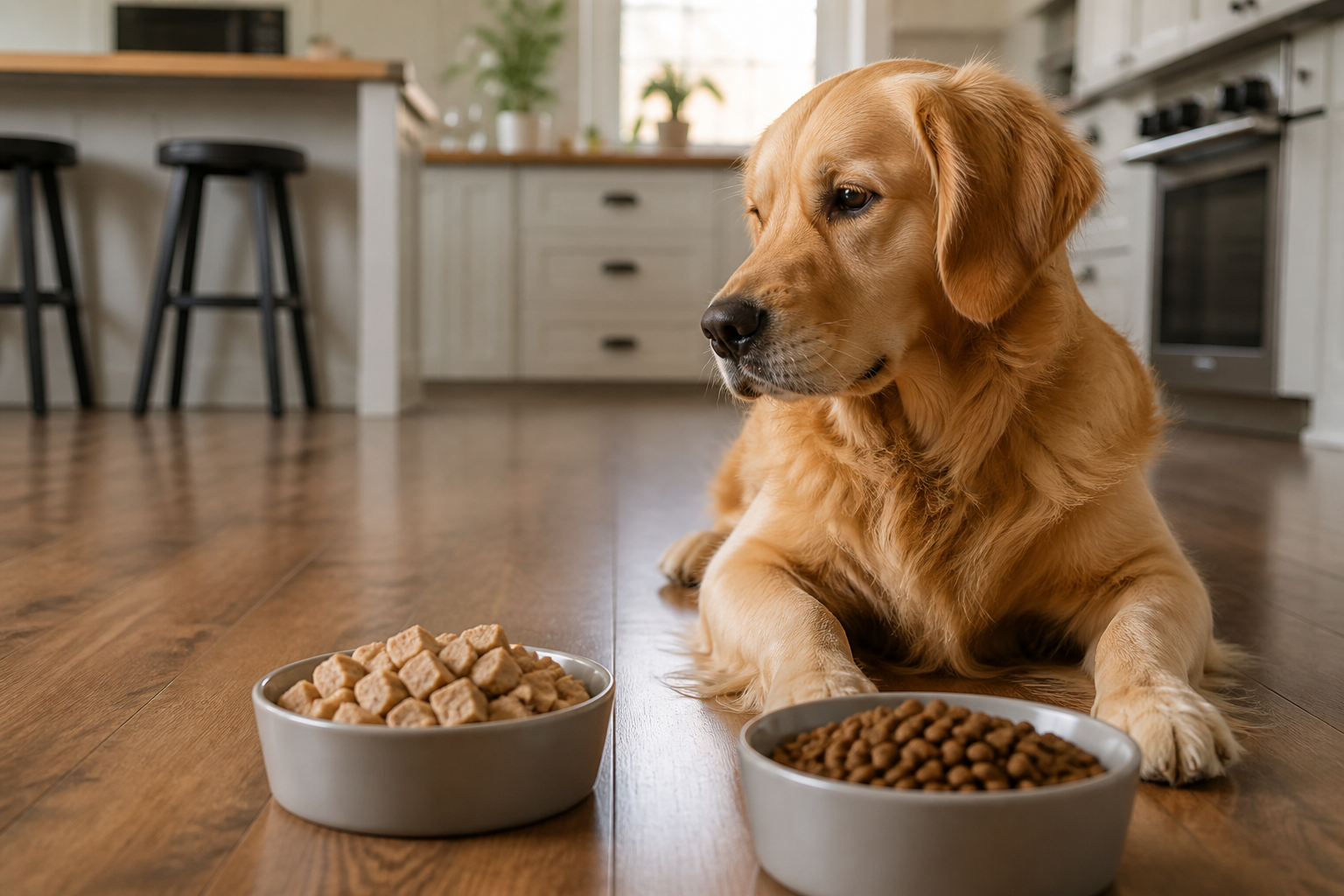
Standing in the pet food aisle can feel like a test of your knowledge as a dog owner. On one side, you have the familiar bags of crunchy kibble that have been the standard for decades. On the other, you see colorful pouches of freeze dried nuggets that promise raw nutrition without the mess. At BaxterBoo, we hear from pet owners every day who are trying to decide which bowl filler is actually better for their dog. This choice involves more than just picking a flavor. It is about understanding how heat affects vitamins and how much your dog’s body can actually absorb from their food. This article covers the nutritional differences, the costs, and the health benefits of both formats. We will help you decide if a switch is right for your home or if a hybrid approach is the best path forward.
What Exactly Is Freeze Dried Dog Food?
Freeze dried dog food is essentially raw food that has had the water removed through a very specific technical process. Unlike kibble, which is cooked, these ingredients are never exposed to high temperatures. The process starts with high quality raw ingredients like muscle meat, organs, and vegetables. These are frozen solid. Then, they are placed in a vacuum chamber for a process called sublimation. This turns the ice directly into vapor. It skips the liquid stage entirely.
This method is special because it leaves the cellular structure of the food intact. When you look at a piece of freeze dried food from a brand like Stella and Chewy's, you are looking at something that still has its natural smell and texture. Because the moisture is gone, bacteria cannot grow. This makes the food shelf-stable for a long time. It gives you the power of a raw diet without the need for a dedicated freezer or the risk of messy drips on your kitchen floor. Our freeze-dried dog food collection includes meals, toppers, and treats in several formats.
Quick Answer: Freeze dried dog food provides more natural nutrients and better digestibility than kibble because it is not cooked at high temperatures. While it is more expensive, it offers the benefits of a raw diet in a shelf-stable, convenient format.
Understanding the Kibble Manufacturing Process
Kibble is made through a process called extrusion. This has been the primary way pet food is made since the mid-20th century. During extrusion, ingredients are mixed into a dough. This dough is then pushed through a machine at high pressure and very high heat. This cooks the food instantly and shapes it into the small balls or shapes we recognize as kibble.
The heat used in this process serves a purpose. It kills pathogens and makes the food very safe to handle. It also allows manufacturers to create a product that is very affordable and easy to store. However, high heat also changes the chemistry of the food. It can break down certain vitamins, minerals, and delicate enzymes. To make up for this, manufacturers add synthetic vitamins and minerals back into the food after it is cooked. This ensures the food meets the standards set by the Association of American Feed Control Officials.
For more help comparing formulas and ingredient lists, read our guide to selecting the best dry dog food.
Comparing Nutritional Integrity
The biggest argument for freeze dried food is nutrient retention. When you cook a steak at high heat, it loses some of its vitamin content. The same thing happens in a pet food extruder. Because freeze drying uses cold temperatures, the natural vitamins found in the meat and vegetables stay where they belong. They are not destroyed by the manufacturing process.
Many freeze dried options we carry, such as those from Open Farm or Vital Essentials, focus on high protein and low starch. Kibble often requires a certain amount of carbohydrates, like grains or peas, to help the dough hold its shape during the extrusion process. If you are looking for a diet that is closer to what a dog would eat in the wild, freeze dried usually wins. It focuses on the ingredients in their most natural state.
Key Takeaway: Freeze dried food maintains natural enzymes and vitamins that are often lost during the high-heat cooking process used to make traditional kibble.
Digestibility and Gut Health
A food is only as good as what your dog can actually absorb. This is where digestibility comes into play. Because freeze dried food is minimally processed, many dogs find it much easier to break down. This often leads to smaller, firmer stools. It means the dog's body is using more of the food and creating less waste.
Dogs with sensitive stomachs often struggle with the fillers or the high starch content found in some budget kibbles. The simple ingredient lists in freeze dried meals can be a relief for these pets. Many premium freeze dried brands also include natural sources of fiber and probiotics to support the gut microbiome.
Vet Tip: If your dog has chronic digestive issues, a transition to a more digestible food like freeze dried raw can often help. However, you should always consult your veterinarian before making a major dietary change, especially if your dog has an underlying health condition like kidney disease.
The Cost Factor: Budget vs. Value
There is no way around it: freeze dried dog food is more expensive than kibble. The sublimation process takes a long time and requires expensive machinery. The ingredients are also typically higher quality, focusing on whole meats rather than meat meals. This means the price per pound is significantly higher than a bag of dry food.
For many pet owners, feeding a 100-pound dog entirely on freeze dried food is not financially sustainable. However, we encourage owners to look at the long-term value. Higher quality nutrition can sometimes lead to fewer health issues down the road. To make these premium options more accessible, our Autoship programme provides savings on recurring orders. Our MVP Rewards program also helps you earn points on eligible purchases of these high-end foods.
Safety and Handling Considerations
Safety is a common concern when talking about raw-based diets. While freeze drying removes the moisture that bacteria need to thrive, it does not always kill every pathogen that was present in the raw meat. Most reputable brands now use a process called High-Pressure Pasteurization. This uses intense pressure to kill harmful bacteria like Salmonella or Listeria without using heat.
Kibble is generally considered the safest option for households with small children or immunocompromised individuals. Since it is fully cooked, the risk of bacterial contamination is very low. When handling freeze dried food, you should follow the same hygiene rules you use when preparing dinner for yourself. Wash your hands after touching the food and keep the dog's bowl clean.
For additional guidance on handling and serving freeze dried meals, see our article on how to feed freeze dried dog food for better health.
The Picky Eater Solution
If you have a dog that turns their nose up at every bowl of dry food, freeze dried might be the answer. The process of removing water actually concentrates the natural flavors and aromas of the meat. To a dog, freeze dried nuggets smell like a bag of treats rather than a bowl of plain cereal.
Many of our customers use freeze dried nuggets as a high-value training treat. Others use them as a "mixer." Adding just a few crumbled pieces of a brand like RedBarn or Stella and Chewy's to a bowl of kibble can be enough to entice a picky eater to finish their meal. Our food topper selection includes options designed to add flavor and variety to everyday meals.
When Kibble Is the Better Choice
Kibble is not a bad food. In fact, many dogs thrive on it for their entire lives. It is the best choice for several specific situations:
- Strict Budgets: Kibble is the most cost-effective way to provide complete and balanced nutrition to a dog.
- Dental Health: The mechanical action of chewing crunchy kibble can help scrape away some plaque and tartar from a dog's teeth.
- Convenience: Kibble is very easy to measure, serve, and transport. It does not require rehydration.
- Prescription Needs: Many dogs with specific medical conditions require prescription diets. Our pharmacy at BaxterBoo, operated through our partnership with Pet's Choice, carries a wide range of FDA-approved prescription foods. If your vet has prescribed a specific diet for kidney disease, urinary health, or severe allergies, a specialized kibble is often the most reliable way to manage the condition.
Bottom line: Kibble remains a safe, affordable, and effective way to feed most dogs, especially when supplemented with fresh foods or high-quality toppers.
The Hybrid Approach: Using Toppers
You do not have to choose between 100% kibble or 100% freeze dried. Many pet owners find a middle ground by using freeze dried food as a topper. This allows you to provide the nutritional boost of raw food without the high cost of a full meal.
Adding a handful of freeze dried pieces to a high-quality kibble provides a mix of textures and flavors. It also introduces raw enzymes and intact vitamins into the diet. This is a great way to improve your dog's bowl while keeping your monthly pet food bill manageable. Brands like Open Farm and Wellness offer specific "bowl boosters" designed for exactly this purpose.
How to Use Toppers Effectively
Step 1: Choose a high-quality kibble as your base.
Step 2: Reduce the amount of kibble slightly to account for the extra calories.
Step 3: Crumble the freeze dried pieces over the top of the dry food.
Step 4: Add a splash of warm water or bone broth if you want to rehydrate the pieces and create a gravy.
For more portioning guidance, read how much freeze dried dog food to feed your pet.
Managing Health Conditions with Your Diet
Nutrition is a major part of managing chronic health issues. Dogs with skin allergies, joint stiffness, or weight concerns often need more than just standard pet food. If your dog is struggling with a specific health problem, your veterinarian may suggest a prescription diet or specific medications.
We provide a direct path to health management through our pet pharmacy. Through our partnership with Pet's Choice, we offer FDA-approved medications and therapeutic diets. Whether your dog needs a prescription-only food for weight management or a daily supplement for joint support, our pharmacy provides a trusted source for these essential items. Managing health often requires a combination of the right food and the right medicine.
Transitioning Your Dog to a New Food
If you decide that freeze dried is better for your dog, do not switch the food all at once. A sudden change can cause an upset stomach, gas, or diarrhea. The dog's digestive system needs time to adjust to the new nutrient density and the lack of starch.
A standard transition should take about 7 to 10 days. Start by mixing 25 percent of the new food with 75 percent of the old food. Every two days, increase the amount of the new food while decreasing the old food. This slow pace gives the gut microbiome time to adapt.
For another perspective on changing diets gradually, explore how to switch from dry to wet dog food.
Transition Schedule
- Days 1-2: 25% new food, 75% old food.
- Days 3-4: 50% new food, 50% old food.
- Days 5-7: 75% new food, 25% old food.
- Day 8 and beyond: 100% new food.
Storage and Shelf Life
Both kibble and freeze dried food are shelf-stable, but they have different storage needs. Kibble contains fats that can go rancid if exposed to too much air or heat. Once a bag of kibble is opened, it should ideally be used within six weeks. Keeping it in the original bag and placing that bag inside an airtight container is the best way to keep it fresh.
Freeze dried food is even more sensitive to moisture. Because the water has been removed, the nuggets will act like a sponge if the air is humid. Always seal the bag tightly after every use. When stored correctly in a cool, dry place, freeze dried food can stay fresh for a long time. This makes it an excellent choice for emergency kits or for people who like to buy in bulk.
For more storage advice, read how long dry dog food stays fresh once opened.
Rehydration: To Soak or Not to Soak?
One of the unique features of freeze dried food is that it can be rehydrated. Adding warm water or broth to the nuggets brings them back to a texture that is very close to fresh raw meat. This is particularly helpful for dogs that do not drink enough water on their own.
Increased moisture intake is vital for kidney health and urinary tract function. While you can feed freeze dried food dry, rehydrating it is generally recommended. It makes the food more filling and easier to digest. If you are using it as a topper, adding a bit of water can also help the flavor of the freeze dried pieces coat the kibble, making the whole meal more exciting for the dog.
Making the Final Decision
Choosing the right food for your dog is a personal decision that depends on your lifestyle and your pet's needs. If your goal is to provide the absolute highest level of natural nutrition and you have the budget for it, freeze dried is a fantastic choice. If you need a reliable, safe, and budget-friendly option that still provides everything your dog needs to thrive, kibble is a proven winner.
At BaxterBoo, we believe that the best food is the one that your dog enjoys and that keeps them healthy. We carry over 500 brands to ensure you have access to both premium kibble and the best freeze dried options on the market. Whether you want to make a full switch or just add a little something special to their bowl, we are here to help you navigate the aisles with confidence.
Key Takeaway: You do not have to pick one side of the debate. Using freeze dried food as a topper on high-quality kibble is a practical way to balance cost and nutrition.
Summary of Comparison
When we look at the two side by side, the differences are clear. Freeze dried food offers superior nutrient retention and taste but comes with a higher price tag. Kibble offers unmatched convenience and affordability but relies more on synthetic additives.
If your dog is currently doing well on kibble but you want to do a bit more for their health, try adding a freeze dried topper. It is an easy way to see how your dog reacts to raw nutrition without committing to a full change. Keep an eye on their energy levels, the shine of their coat, and the quality of their stool. These are the best indicators that you have found the right balance for your unique pet.
Conclusion
The debate between freeze dried dog food and kibble ultimately comes down to a balance of nutrition and practicality. While freeze dried food preserves the natural integrity of ingredients, kibble provides a safe and accessible foundation for millions of dogs. Many owners find that a combination of the two offers the best results for their dog's health and their own wallet. If your dog has specific medical needs that require specialized nutrition, our pharmacy is a great resource for prescription diets. For everyday wellness, exploring our wide selection of food and toppers is the best next step. We invite you to browse our dog food collection and treats to find the perfect match for your pup’s bowl.
FAQ
Do I have to add water to freeze dried dog food?
While you can feed it dry as a treat or a topper, it is usually best to rehydrate freeze dried food with warm water or broth. This helps with digestion and ensures your dog stays properly hydrated, which is important for their kidney and urinary health. Most dogs also prefer the texture and enhanced aroma of the food once moisture is added back in.
Is freeze dried food safer than raw frozen food?
Freeze dried food is considered safer in terms of shelf stability because the lack of moisture prevents bacterial growth. Many brands also use High-Pressure Pasteurization to kill pathogens without using heat. However, you should still follow basic food safety practices, such as washing your hands and your dog's bowl after every meal, to prevent any risk of cross-contamination.
Why is freeze dried dog food so expensive?
The high cost comes from two main factors: the quality of the ingredients and the complexity of the freeze drying process. These foods typically use whole muscle meats and organs rather than less expensive meat meals or fillers. Additionally, the sublimation process requires specialized equipment and a lot of energy to remove moisture at such low temperatures.
Can puppies eat freeze dried dog food?
Yes, many freeze dried foods are formulated for all life stages, including puppies. However, puppies have very specific needs for calcium and phosphorus to support their growing bones. Always check the packaging to ensure the food is labeled as "complete and balanced" for growth or all life stages, and talk to your vet about the right portion sizes for a growing dog.






